Table of Contents
Introduction
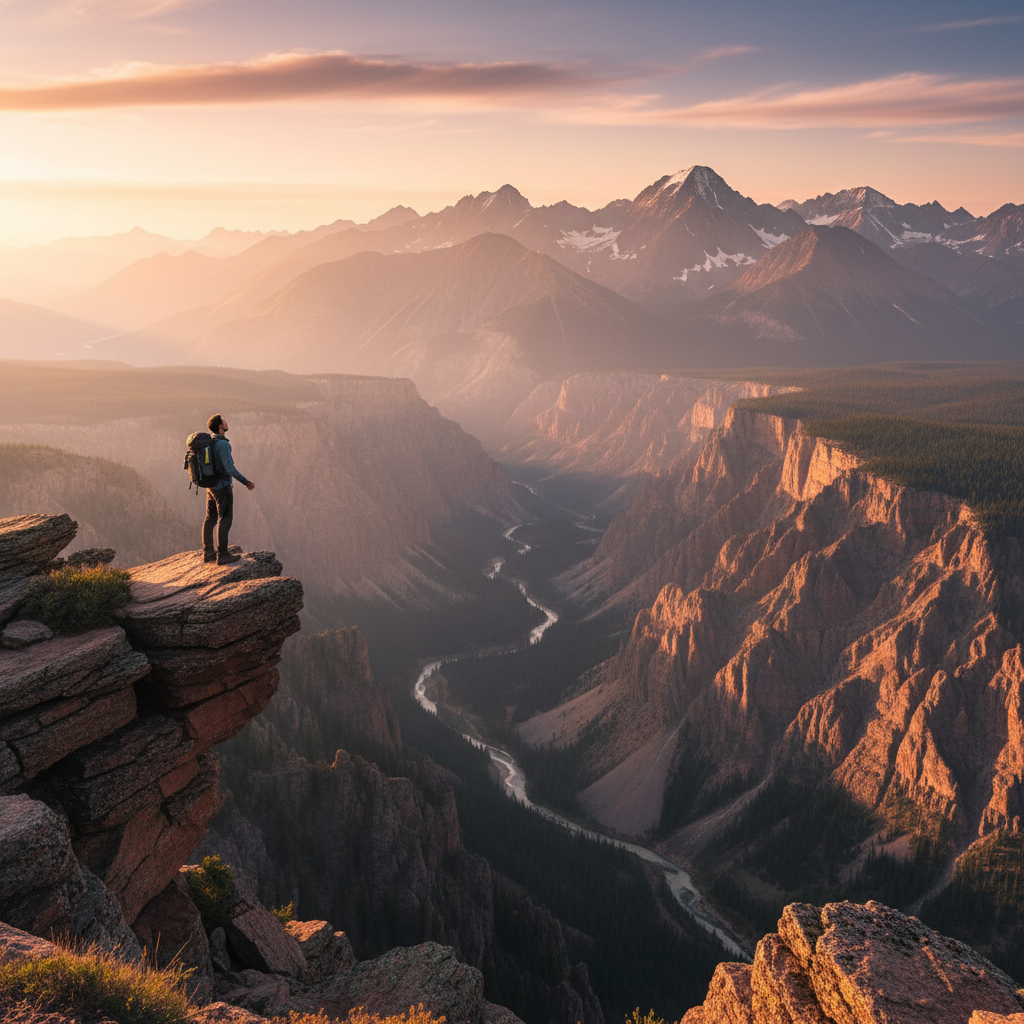
Picture this: you’re standing at the edge of a trail, towering mountains stretching endlessly before you, while pine-scented air fills your lungs. This is hiking in America—and honestly? There’s nothing quite like it. Whether you’re the type who tackles 14ers before breakfast or someone who prefers a gentle stroll through wildflower meadows, the best hiking trails in the US have something waiting for you.
Here’s what’s amazing about hiking right now—more people are discovering it’s not just exercise with a view. It’s therapy, adventure, and freedom all rolled into one muddy-boot package. From the rugged Rockies to those jaw-dropping West Coast trails (you know, the ones that make your Instagram followers insanely jealous), America’s hiking scene is absolutely incredible. And the Appalachian Trail? Don’t even get me started on that legendary ribbon of wilderness.
Now, let’s be real for a second. You can’t just lace up your sneakers and expect to conquer every trail out there. (Trust me, I’ve seen people try.) The difference between a magical outdoor experience and a miserable slog often comes down to one thing: preparation. Knowing your trail difficulty levels, understanding what gear you actually need, and yes—even learning how to deal with altitude if you’re heading high up—these details matter more than you might think.
But here’s where it gets interesting. Smart hikers do their homework first. They research those coastal routes along the Pacific, scout out hidden gems in national forests, and figure out when to avoid the crowds. Some even dive into altitude sickness prevention or brush up on fitness tips before tackling more challenging adventures. The preparation part might sound boring, but it’s what separates the hikers who love every minute from those who spend their time complaining.
And can we talk about the bigger picture for a moment? Hiking isn’t just about burning calories or checking trails off your bucket list. It’s about something deeper—that moment when you realize your phone has no signal and you couldn’t care less. When your biggest worry is whether you packed enough trail mix. When you remember what silence actually sounds like. Doctors are finally catching on to what hikers have known forever: time on the trail does wonders for your heart, your muscles, your stress levels, and your sanity.
What You’ll Learn in This Guide
Ready to dive in? This guide is going to walk you through everything you need to know about America’s best hiking trails. No fluff, just the good stuff:
- Exploring Top Trail Types: We’ll break down day hikes, multi-day backpacking routes, and those bucket-list scenic trails that’ll make you question why you ever spent weekends on the couch.
- Comprehensive Trail Preparation: From gear that actually matters to getting your body trail-ready, we’ll cover the prep work that turns good hikes into great ones.
- Safety and Trail Etiquette: Stay safe, respect the wilderness, and avoid being *that* hiker everyone rolls their eyes at (you know the type).
- Best Times to Hike: Seasonal secrets, crowd-dodging strategies, and timing tips that’ll help you hit trails when they’re at their absolute best.
What’s coming up? We’re going to explore the trails that belong on every serious hiker’s radar, dig into preparation strategies that actually work, and share safety insights that could save your trip (or even your life). You’ll get the inside scoop on reading weather patterns, choosing trails that match your skills, and making sure every hike leaves you already planning the next one.
Plus, we’re covering the practical stuff that makes a real difference—like travel gear that won’t let you down and wellness strategies that keep you hiking strong. Planning to tackle some high-altitude trails? We’ll point you toward altitude sickness prevention tips that are genuinely helpful. Want to build the endurance for those epic long-distance hikes? We’ve got fitness insights that go beyond the usual “just walk more” advice.
Look, here’s my promise to you: by the time you finish this guide, you’ll have the confidence to tackle trails that might intimidate you right now. You’ll know how to stay safe, have more fun, and maybe—just maybe—you’ll catch that hiking bug that turns weekend warriors into lifelong adventurers. Because once you’ve experienced America’s wilderness the right way, with the right preparation and the right mindset, you’ll understand why so many of us can’t imagine life without dirt under our fingernails and mountains on the horizon.
There’s something magical about hitting the trails in the United States. Whether you’re someone who loves a gentle weekend stroll or you’re the type who craves a challenging multi-day adventure, this country has trails that’ll blow your mind. We’re talking everything from misty coastal paths to high-altitude mountain routes that’ll test every muscle you didn’t know you had. Let’s dive into what makes American hiking so incredible—the regions that define our trail culture, the different types of adventures waiting for you, and the practical stuff you need to know to make your next hike absolutely unforgettable.
Exploring Premier Hiking Regions and Trail Types Across the US
Here’s where things get exciting. The US isn’t just big—it’s hiking paradise big. Picture this: the West Coast serves up everything from foggy redwood forests to dramatic cliff-side trails where the Pacific crashes below you. Head inland to the Rockies, and suddenly you’re dealing with thin air and views that make your Instagram followers weep with envy. Then there’s the legendary Appalachian Trail on the East Coast—a ribbon of green that’s seen more boot prints and life stories than any other trail in America. And we haven’t even talked about the crown jewels: our National Parks and Forests, scattered like gems across the country, each protecting something extraordinary. The key? Understanding these regions helps you pick trails that actually match what you’re looking for. No point dreaming of mountain vistas if you end up on a flat forest loop, right? And if you’re planning to tackle those high-altitude adventures, definitely check out how to prepare for altitude sickness—trust me, your lungs will thank you later.
Now, let’s talk trail types—because not all paths are created equal. You’ve got your classic day hikes, perfect for when you want nature therapy without the gear fest. These are your bread and butter: accessible, family-friendly, and you’re back home for dinner. Then there are the backpacking trails—the real deal for folks who want to disappear into the wilderness for days, carrying their life on their back. Some trails are all about the scenery (think waterfalls and panoramic views), while others are designed to humble you with steep climbs and technical challenges. The beauty is in the variety. Want a peaceful morning walk? There’s a trail for that. Feeling like you need to prove something to yourself? Yep, there’s a trail for that too. Planning is everything here, and if you’re the type who likes to stay organized, brushing up on time management skills can actually make your hiking adventures way more enjoyable and stress-free.
Key Aspects of Popular Hiking Regions and Trail Types
Let’s break down what makes each region special:
- West Coast Trails: Think temperate rainforests that feel like another planet, coastlines that stretch forever, and yes, some volcanic terrain that reminds you this earth is still very much alive. The climate here is your friend—you can basically hike year-round. Expect lush greenery that seems almost too vibrant to be real and ocean views that stop you in your tracks.
- Rocky Mountains: These trails don’t mess around. Steep climbs, thin air that’ll have you huffing after the first mile, and elevation changes that can make your ears pop. But here’s the payoff: mountain views that make every burning muscle worth it, alpine lakes so blue they look fake, and wildlife encounters you’ll be talking about for years.
- Appalachian Trail Segments: This isn’t just hiking—it’s walking through living history. You can tackle manageable day sections or commit to multi-day adventures through forests, rolling hills, and spots where you can practically feel the stories of everyone who walked here before you. It’s like hiking through America’s backyard diary.
- National Parks and Forests: These are the protected treasures, spanning everything from desert landscapes that look like Mars to old-growth forests that predate your family tree by centuries. The trails here are maintained like artwork, with rangers who actually know what they’re talking about and educational opportunities that make you smarter with every step.
Trail types have their own personalities too:
- Day Hikes: Your gateway drug to hiking addiction. Usually designed as loops or out-and-back routes, these let you taste nature without committing to camping gear or meal planning. Perfect for testing your hiking legs or introducing skeptical friends to the outdoors.
- Backpacking Trails: The deep end of the hiking pool. Multiple days, everything on your back, and a level of self-sufficiency that either excites or terrifies you. These routes take you places where cell service is a distant memory and the only sounds are your footsteps and whatever wildlife is watching you pass by.
- Scenic and Challenging Routes: Some trails exist to show off—waterfalls, crazy rock formations, viewpoints that make you feel like you’re on top of the world. Others exist to test you, with terrain that demands every bit of stamina and mental toughness you can muster. Both have their place in a hiker’s heart.
- Trail Accessibility and Amenities: Some trails come with conveniences—water sources, established campsites, maybe even restrooms (luxury!). Others offer nothing but wilderness and the satisfaction of true self-reliance. Know which type you’re signing up for.
Understanding these differences isn’t just helpful—it’s essential for picking adventures that’ll leave you energized rather than defeated. With this foundation, let’s get into the nitty-gritty details about specific trails and what makes each one special.
In-Depth Insights into Featured Hiking Trails: Highlights and Difficulty Levels
Every trail has its own personality, and that’s what makes hiking addictive. You’ve got trails that lead you through cathedral-quiet forests where every footstep feels sacred, others that take you to waterfalls powerful enough to feel the mist from a quarter-mile away. Then there are the desert routes where the silence is so complete it’s almost loud, and mountain passes where you swear you can see the curve of the earth. Wildlife? That’s half the magic—whether it’s a deer that watches you with curious eyes, birds that seem to be narrating your journey, or (if you’re lucky and careful) larger animals that remind you you’re just visiting their home. Historical sites add another layer entirely. Walking where others have walked for centuries, past remnants of old settlements or along routes that shaped our country’s story—it transforms a simple hike into something deeper. And those unique features? Suspension bridges that make your heart race, meadows full of wildflowers that look like someone spilled paint across the landscape, rock formations that make you question what you thought you knew about geology. Planning your accommodations around these adventures? Check out this guide on hotels with scenic views to extend the mountain magic beyond the trail.
Let’s get real about difficulty levels—because this is where honesty saves your vacation (and possibly your dignity). Easy trails are your friends when you’re starting out, bringing kids along, or just want to enjoy nature without the suffering. These are the trails with gentle slopes, clear paths, and forgiving terrain. Moderate trails step it up—they expect some fitness, throw in uneven ground, and might have you breathing harder than you’d like to admit. But they’re doable with preparation and determination. Hard trails? These don’t apologize for anything. They demand everything you’ve got: fitness, experience, sometimes technical skills, and definitely respect for what you’re attempting. Getting this match right between your abilities and the trail’s demands isn’t just about comfort—it’s about safety and actually enjoying yourself instead of just surviving. For those longer, more demanding adventures, having solid strategies for how to stay motivated to exercise can be the difference between finishing strong and calling for a rescue.
Key Aspects of Featured Trails
When you’re choosing your next adventure, these elements make all the difference:
- Natural Scenery: Whether it’s old-growth forests that make you feel like you’ve shrunk, mountain ranges that redefine your concept of “big,” or water features that provide nature’s soundtrack, the scenery is often what calls to you first and stays with you longest.
- Wildlife Viewing: There’s something primal about observing animals in their actual homes. From songbirds that seem to welcome you to the neighborhood to larger mammals that remind you to stay humble and alert, these encounters connect you to the wild world in ways that nature documentaries just can’t match.
- Historical Points: Trails intersect with human stories—Indigenous heritage sites, old trade routes, battlefields, remnants of early settlements. These connections add weight and meaning to your steps, turning a workout into a walk through time.
- Unique Trail Features: Rock arches that frame distant mountains, waterfalls that require you to get soaked for the best view, boardwalks over marshlands, or summit cairns marking someone else’s triumph—these special elements become the stories you tell later.
Trail Difficulty Levels:
- Easy: Perfect for building confidence and introducing newcomers to the hiking world. Gentle slopes, well-maintained paths, minimal gear requirements. These trails prove that “easy” doesn’t mean “boring”—some of the most beautiful spots are accessible to everyone.
- Moderate: The sweet spot for many hikers. You’ll work for it, but not suffer for it. Expect some hills, maybe stream crossings, possibly a few miles that make you glad you brought water. These trails teach you what you’re capable of.
- Hard: The big leagues. Steep ascents that test your cardiovascular system, terrain that demands focus and sometimes scrambling, distances that require mental toughness as much as physical fitness. These trails don’t care about your excuses—they only care about your preparation.
- Preparation Considerations: No matter the difficulty, the right gear, enough water, and knowing what you’re getting into can make or break your experience. Do your homework. Your future self will thank you.
Understanding these elements helps you choose trails that challenge you appropriately and reward you meaningfully. The goal isn’t just to check boxes or post photos—it’s to connect with landscapes that remind you what’s possible when you step outside your comfort zone. If you’re planning some serious endurance challenges on the trail, the principles in how to prepare for endurance events apply beautifully to multi-day hikes and demanding terrain. Ultimately, the best hike is the one that matches your goals, respects your limits, and leaves you planning the next adventure before you’ve even finished the current one.
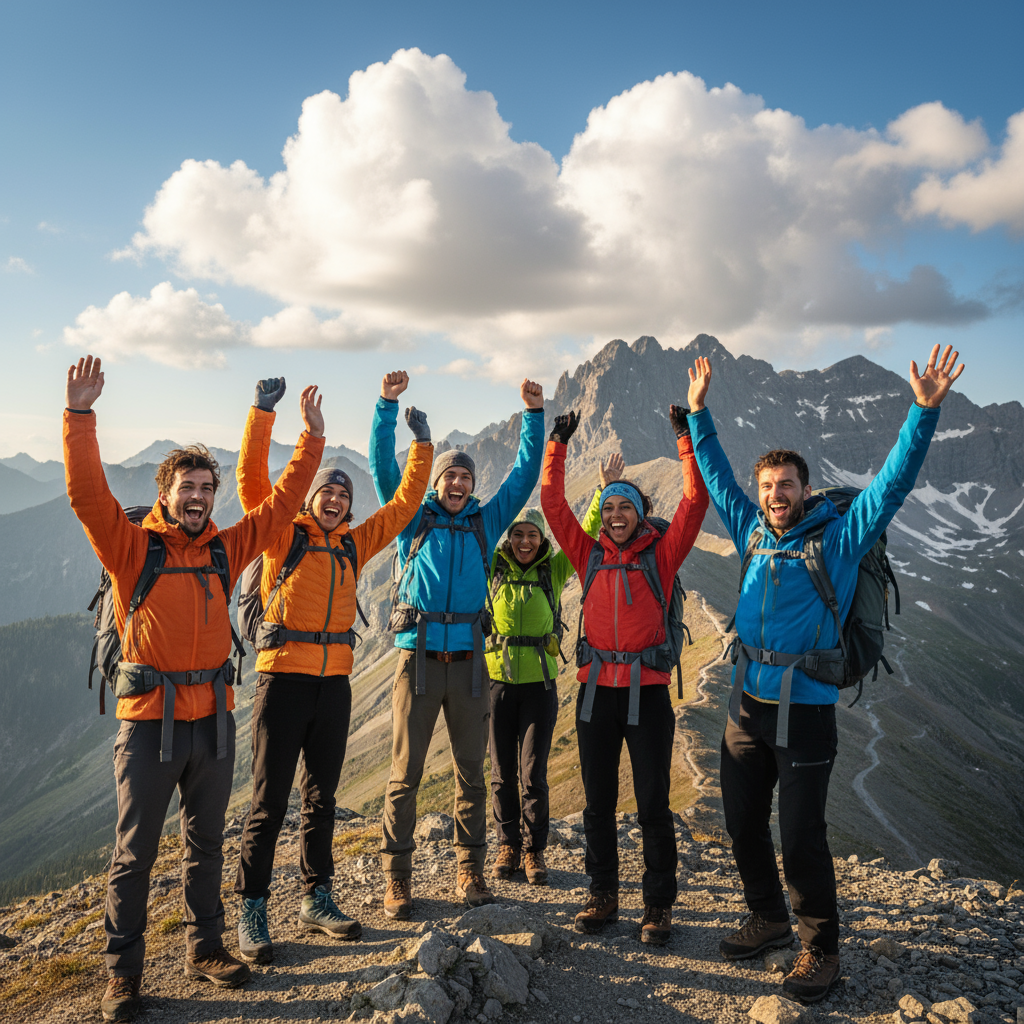
Here’s the thing about hiking in the US—the sheer variety will blow you away. You’ve got dramatic coastal trails hugging the West Coast, those breathtaking alpine views in the Rockies, and the legendary Appalachian Trail snaking through the East. Each one tells its own story. Maybe you’re the type who loves a peaceful day hike through quiet forests, or perhaps you’re itching for a multi-day backpacking challenge that’ll really test what you’re made of. Either way, you’re covered. The key? Know your limits and pick trails that match your fitness level. Trust me, there’s nothing quite like stumbling upon wildlife or discovering a hidden waterfall when you least expect it.
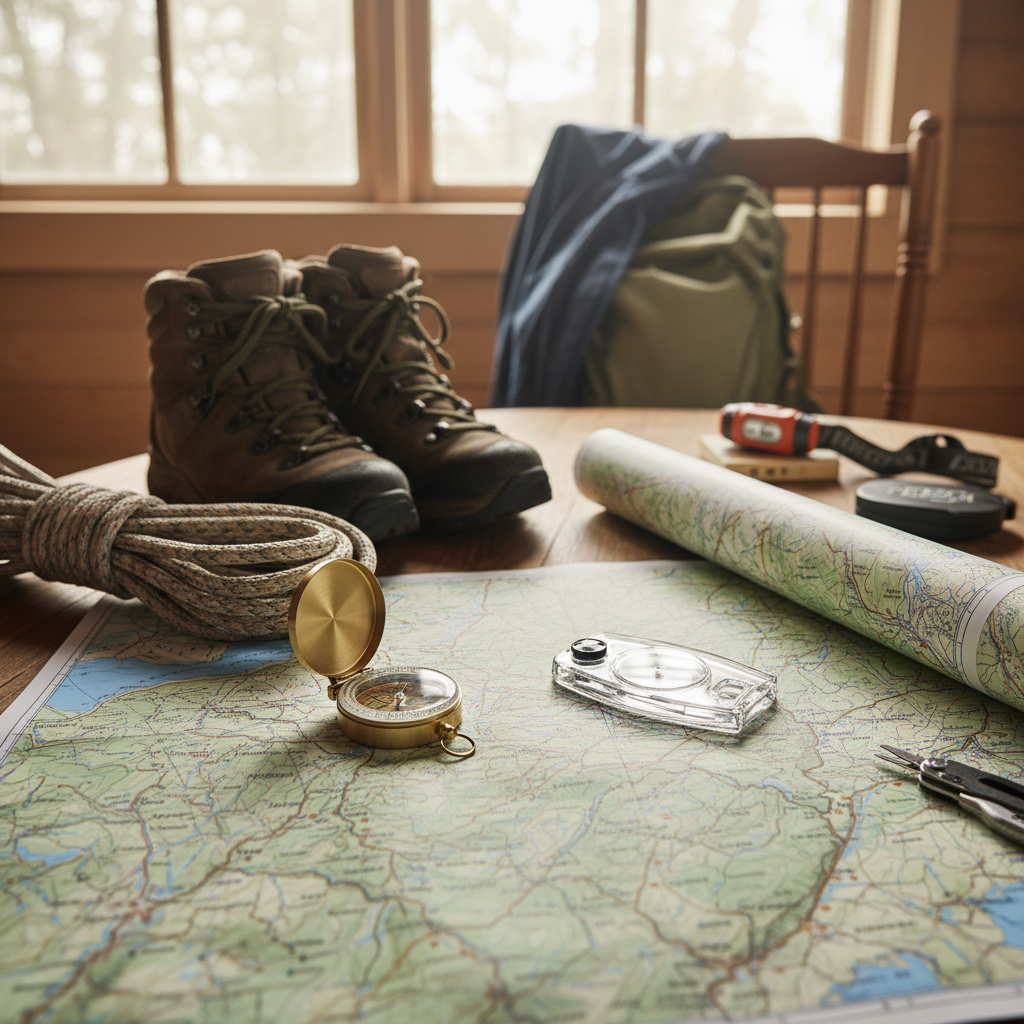
Now, let’s talk preparation—because this is where good hikes become great ones (and where unprepared hikers learn some hard lessons). You absolutely need the right gear. We’re talking solid hiking boots, clothes that can handle whatever weather throws at you, reliable navigation tools, and enough supplies to keep you going. But gear is just part of it. Do your homework before you head out. Check trail conditions, keep an eye on the weather forecast, and always—always—tell someone where you’re going. Stay on marked trails, pack that first aid kit, and respect the wildlife you encounter. The wilderness will thank you for it.
Timing matters more than you might think. Spring brings those incredible wildflower displays that’ll have you stopping every few feet for photos. Summer gives you longer days and access to higher elevation trails. Fall? That’s when the forests put on their best show with colors that look almost too vibrant to be real. Winter hiking is a whole different beast—beautiful, but you need to know what you’re doing. And here’s a pro tip: avoid the weekend crowds if you can. Those peaceful, solitary moments on the trail? They’re worth adjusting your schedule for.
Ready to make this happen? Start by finding trails that actually excite you—ones that offer the scenery and challenge you’re craving. Get your gear sorted and plan like your safety depends on it (because it does). Study your route, check those weather forecasts, and if you’re heading to high altitude, don’t mess around with preparation. Our guide on how to prepare for altitude sickness will keep you safe when the air gets thin. Practice Leave No Trace principles religiously. The difference between a good hike and an unforgettable one often comes down to these details.
Every trail you step onto is a chance to discover something new—about the landscape, about your capabilities, about what really matters when you strip away all the daily noise. The preparation might feel like work now, but once you’re out there breathing in that mountain air or watching sunrise paint the peaks? You’ll get it. Respect the wilderness, embrace the challenge, and let yourself get completely absorbed in the experience. That’s where the magic happens. And who knows—you might just find yourself planning the next adventure before you’ve even finished the current one.
Frequently Asked Questions
-
What are the easiest hiking trails in the US for beginners?
- Trails with gentle terrain, short distances, and well-marked paths like some sections of the Appalachian Trail and national park loops are ideal for beginners.
-
How do I prepare for a multi-day backpacking trip?
- Prioritize thorough planning, appropriate gear selection, physical training, and researching route details to ensure safety and enjoyment on longer trips.
-
When is the best time to hike popular trails?
- Generally, spring and fall offer mild weather and fewer crowds, though the best time varies by region and trail type.
-
Are permits required for some hiking trails?
- Yes, many popular or protected trails require permits or reservations to limit environmental impact and manage trail access.
-
How can I stay safe from wildlife encounters?
- Stay alert, make noise while hiking, store food securely, and follow park guidelines to reduce the risk of wildlife conflicts.