Atlanta to NYC Flights: Insider Tips & Deals for Smart Travelers
Flying from Atlanta to New York City is one of the most popular routes in America, connecting two vibrant metropolitan hubs just under three hours apart. Whether you’re planning a business trip, weekend getaway, or extended adventure in the Big Apple, understanding how to navigate this corridor can save you hundreds of dollars and unlock exclusive travel experiences. This comprehensive guide reveals insider strategies that frequent flyers and travel professionals use to secure the best fares, times, and overall value on Atlanta to NYC flights.
The Atlanta to New York City route offers exceptional flexibility with multiple daily departures, competitive pricing from major carriers, and convenient airport options. Hartsfield-Jackson Atlanta International Airport (ATL) consistently ranks as the world’s busiest airport, giving travelers numerous flight choices throughout the day. With destinations like LaGuardia, JFK, and Newark all accessible from Atlanta, you’ll find options tailored to your schedule and preferences. Understanding the nuances of this route—from seasonal pricing patterns to airline-specific perks—empowers you to make smarter travel decisions.
Table of Contents

Best Times to Book Atlanta to NYC Flights
Timing your booking strategically can dramatically impact your final ticket price. Research consistently shows that booking flights 1-3 months in advance typically yields the lowest fares on the Atlanta to NYC route. However, the sweet spot varies depending on travel dates and demand patterns. For domestic flights like this corridor, Tuesday and Wednesday departures frequently offer better pricing than Friday through Sunday options.
The day of the week you choose to fly significantly influences cost. Mid-week flights (Tuesday through Thursday) are traditionally cheaper because business travelers dominate weekday routes, creating predictable pricing patterns. Conversely, weekend flights command premium prices due to leisure travelers’ preferences. If flexibility exists in your schedule, shifting your travel by even one day can result in 20-40% savings.
Time of day matters more than many travelers realize. Early morning flights (departing before 6 AM) and late evening flights (departing after 8 PM) consistently offer lower fares than convenient mid-morning or early afternoon departures. While these times require schedule adjustments, the financial savings often justify the inconvenience, particularly for budget-conscious travelers.
Seasonal variations create distinct pricing windows throughout the year. January through March (post-holiday period) offers some of the year’s cheapest fares as travel demand plummets. Similarly, September and early October provide excellent pricing before fall peak season. Conversely, June through August, Thanksgiving week, Christmas period, and spring break represent peak pricing seasons when expect to pay 50-100% premiums compared to off-season rates.
Comparing Airlines and Airports
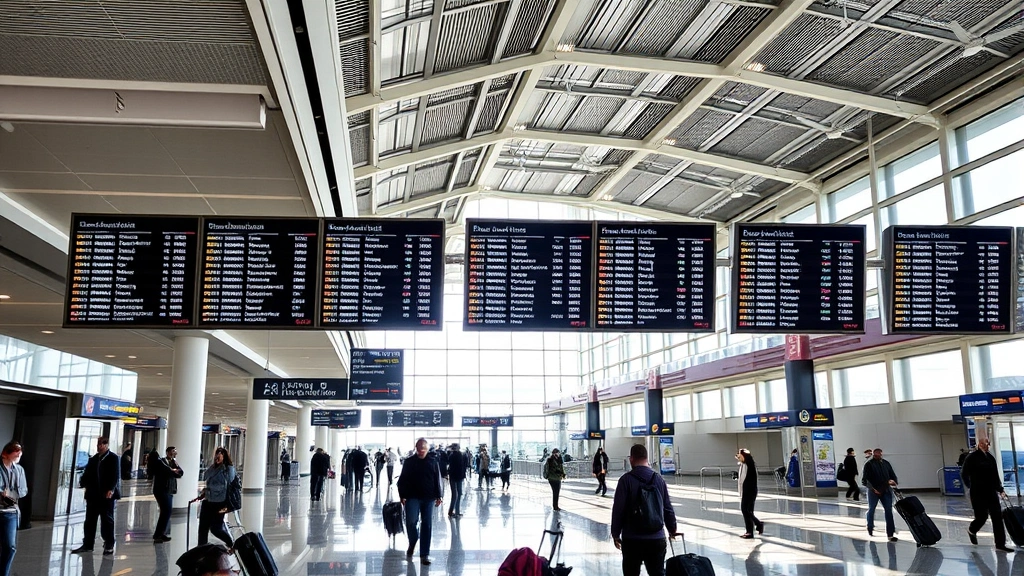
The Atlanta to NYC corridor features intense competition among major carriers, directly benefiting consumers through competitive pricing. Delta Air Lines dominates this route given its massive hub presence at Atlanta’s Hartsfield-Jackson airport, offering the most frequent departures and often competitive pricing to maintain market share. United Airlines, American Airlines, and Southwest Airlines also provide regular service with varying schedules and fare structures.
Each airline brings different advantages to this route. Delta provides superior frequency and convenient connections to smaller markets, though prices occasionally reflect this premium positioning. Southwest’s checked baggage allowance and customer service reputation appeal to families and leisure travelers. United and American often compete aggressively on price, particularly for advance bookings. Comparing these carriers across multiple dates reveals substantial price variations worth investigating.
Airport selection significantly impacts your travel experience and final costs. LaGuardia Airport (LGA) offers the most convenient Manhattan location, though it’s increasingly congested and expensive. JFK International Airport provides excellent international connection opportunities and relatively modern facilities, though it’s farther from Manhattan. Newark Liberty International Airport (EWR) in New Jersey often features the lowest fares and shorter security lines, making it increasingly popular despite its location across the river.
Atlanta’s Hartsfield-Jackson (ATL) serves as your primary departure airport, though you might occasionally find competitive options from nearby airports. The choice of destination airport in the NYC area depends on your final destination, ground transportation preferences, and how much you value convenience versus cost savings. Detailed analysis of ground transportation costs often reveals that cheaper flights to farther airports don’t always represent true savings when factoring in taxi, Uber, or public transit expenses.
Insider Money-Saving Strategies
Setting up price alerts across multiple booking platforms creates an automated system for tracking fare fluctuations. Google Flights, Kayak, Hopper, and airline websites themselves offer alert features that notify you when prices drop for your specific route and dates. Many savvy travelers set alerts 2-3 months before intended travel, monitoring trends to identify optimal booking windows.
Flexibility represents your greatest asset in securing deals on this route. Using flexible date search tools reveals how dramatically prices shift across a 5-7 day window. Sometimes shifting your trip by just two days unlocks savings of $100-300. Building flexibility into your travel plans—if your schedule permits—transforms you from a price-taker into a price-hunter capable of capturing genuine deals.
Incognito browsing prevents airline websites from tracking your search history and potentially inflating prices based on your interest level. While airlines claim this doesn’t influence pricing, many experienced travelers swear by this practice. Similarly, clearing browser cookies before searching alternative routes ensures you’re seeing actual prices rather than algorithmically influenced quotes.
Mistake fares and flash sales present occasional opportunities for exceptional deals. Following deal-tracking websites like Secret Flying, Scott’s Cheap Flights, and Travel Hackers on social media occasionally reveals pricing errors or promotional sales on this route. Setting up notifications for these services occasionally yields tickets at 50% or greater discounts compared to standard pricing.
Bundling flights with hotel accommodations through package deals sometimes delivers better overall value than booking separately. Websites like Costco Travel, Expedia, and airline-specific packages occasionally offer compelling bundles where the combined price undercuts individual component costs. This strategy particularly benefits longer trips where hotel savings offset any flight premium.
Direct vs. Connecting Flights
The Atlanta to NYC route offers abundant non-stop flight options, eliminating the need for connections on most days. Direct flights take approximately 2 hours 50 minutes, providing the fastest journey between these cities. For most travelers, direct flights represent the optimal choice, trading minor price premiums for significant time savings and reduced stress.
However, connecting flights occasionally offer compelling savings for price-sensitive travelers. A connection through Charlotte, Washington DC, or another hub might cost $50-150 less than direct service, though it adds 3-5 hours to your journey. For flexibility-focused travelers without time constraints, these connections merit consideration, though the convenience factor of direct flights appeals to most travelers on this route.
Analyzing your personal priorities determines whether direct flights justify their typical price premium. Business travelers almost universally prefer direct service given time constraints and reliability requirements. Leisure travelers with flexible schedules might find connecting options acceptable if savings exceed $100. However, once you factor in longer travel times, reduced flexibility, and increased fatigue, direct flights often represent superior value despite higher ticket prices.
Overnight connections rarely appear on this route given its short distance, but red-eye flights occasionally emerge as budget alternatives. These early morning departures from Atlanta (departing 11 PM to 6 AM) typically cost significantly less than daytime options, though they require adjusting your sleep schedule. For some travelers, this trade-off aligns with their preferences and schedule.
Maximizing Frequent Flyer Programs
If you fly the Atlanta to NYC route regularly, enrolling in airline loyalty programs transforms your travel economics. Delta’s SkyMiles, United’s MileagePlus, American’s AAdvantage, and Southwest’s Rapid Rewards programs all offer benefits for frequent travelers on this corridor. Accumulating miles across multiple trips eventually enables free or heavily discounted flights.
Credit card sign-up bonuses provide accelerated mile accumulation without requiring extensive flight activity. Many premium travel credit cards offer 50,000-75,000 bonus miles after meeting spending minimums, often equivalent to multiple free flights. Strategic credit card selection aligned with your travel patterns can dramatically reduce effective flight costs over time.
Elite status benefits become increasingly valuable for frequent Atlanta to NYC travelers. Priority boarding, upgraded seating, lounge access, and waived baggage fees combine to create substantial value beyond just discounted fares. Many travelers find that achieving elite status on a preferred airline justifies occasionally paying slightly higher fares to concentrate their flying with that carrier.
Booking through airline shopping portals before purchasing non-flight items earns bonus miles on everyday spending. This passive accumulation strategy—shopping for groceries, gas, and other necessities through airline portals—generates miles that eventually fund free flights on this route.
Navigating Peak Travel Seasons
Understanding seasonal demand patterns helps you avoid the most expensive travel periods on this route. Summer vacation season (June through August) represents peak pricing, with families driving demand and fares reaching 60-100% premiums compared to off-season rates. If summer travel is necessary, booking 2-3 months in advance provides better pricing than last-minute options.
Holiday periods—particularly Thanksgiving, Christmas, New Year’s, and Easter—create secondary peak seasons with elevated fares and crowded flights. If holiday travel is unavoidable, booking 6-8 weeks in advance and considering less popular travel days (January 2nd rather than December 23rd, for example) helps minimize costs and stress.
Spring break periods (typically mid-March through early April) create moderate pricing increases, though not as severe as summer peaks. Similarly, fall foliage season (September through October) draws increased leisure travel. Awareness of these patterns allows strategic planning around them.
Conversely, January through mid-February, late August through early September, and October through November (excluding Thanksgiving) offer excellent pricing opportunities. These shoulder seasons provide pleasant weather and fewer crowds without peak-season pricing premiums.
Alternative Transportation Options
While flying dominates the Atlanta to NYC travel market, alternative options merit consideration depending on your priorities. Amtrak’s Northeast Regional and Northeast Direct services connect Atlanta to New York over 18-20 hours, costing $100-200 for coach accommodations. While time-intensive, train travel offers a unique experience and eliminates airport hassles—appealing to some travelers despite longer journey times.
Greyhound and other bus services provide the most economical transportation, occasionally offering fares under $50 for advance bookings. However, 15-18 hour journeys and limited amenities make this option suitable primarily for budget travelers without time constraints or alternative options.
Driving from Atlanta to NYC covers approximately 630 miles, requiring 9-10 hours of driving time. Accounting for gas, tolls, and potential hotel stays midway, driving costs $150-250 depending on vehicle efficiency and toll routes. This option appeals to travelers with flexible schedules who value freedom and control over their journey.
For business travelers and those prioritizing time, flying remains unquestionably superior despite higher costs. The 3-hour flight plus airport procedures (roughly 6-7 hours total) dramatically beats alternative transportation times, justifying flight premiums for most travelers.
Frequently Asked Questions
What’s the cheapest day to fly from Atlanta to NYC?
Tuesday and Wednesday flights typically offer the lowest fares, with Saturday and Sunday representing the most expensive options. Combining mid-week travel with early morning or late evening departures maximizes savings potential on this route.
How far in advance should I book Atlanta to NYC flights?
Booking 1-3 months in advance generally yields optimal pricing for this domestic route. However, setting up price alerts and monitoring trends helps identify when specific dates offer exceptional value outside this general window.
Which NYC airport should I fly into from Atlanta?
This depends on your final destination and priorities. LaGuardia offers the most convenient Manhattan location, JFK provides excellent international connections, and Newark frequently features the lowest fares despite its location. Calculate total transportation costs to your final destination rather than just flight prices.
Can I find non-stop flights from Atlanta to NYC?
Yes, multiple carriers offer abundant daily non-stop service between Hartsfield-Jackson Atlanta International and all three major NYC area airports. Non-stop flights take approximately 2 hours 50 minutes and typically represent the best value for most travelers despite occasional price premiums.
Do airlines offer discounts for booking round-trip tickets?
Modern airline pricing typically treats outbound and return flights as separate products, so booking round-trip versus two one-way tickets often yields identical pricing. However, occasionally package deals or specific promotions reward round-trip bookings, so comparing both approaches is worthwhile.
What should I know about the Delta Flight DL153 diversion incident?
If you’re researching airline safety and incident history, our detailed analysis of the Delta Flight DL153 Diversion provides comprehensive information about this specific event and what it reveals about airline operations.
Are there recent incidents I should know about on this route?
While incidents are extremely rare, understanding airline safety records helps inform your carrier selection. Our coverage of the United Airlines Flight Emergency Landing at Newark Airport and other incidents provides context about how airlines handle unexpected situations professionally.
How do airline service quality incidents affect my booking decision?
While rare, understanding how airlines respond to operational challenges matters to some travelers. Our analysis of incidents like the Air Canada Flight Attendant Meltdown offers perspective on service quality and airline culture, though these represent exceptional situations rather than typical experiences.
How do Atlanta to NYC fares compare to other Atlanta routes?
Comparing pricing across routes helps contextualize what you’re paying. For instance, Atlanta to Miami flights often cost similarly or slightly less despite comparable distances, while Dallas to Atlanta flights typically offer different seasonal patterns and competitive dynamics.
Should I consider flying from other nearby cities?
While Atlanta’s airport dominates the region, checking nearby alternatives occasionally reveals competitive options. However, ground transportation costs to alternative airports usually exceed any flight savings on this particular route.
Conclusion: Flying from Atlanta to New York City offers excellent value when you understand pricing patterns, booking strategies, and airline dynamics. By implementing these insider tips—booking strategically, maintaining schedule flexibility, and leveraging loyalty programs—you’ll consistently secure better fares and travel experiences. Whether you’re visiting for business or leisure, the tools and knowledge provided here empower you to navigate this popular route with confidence and financial savvy.