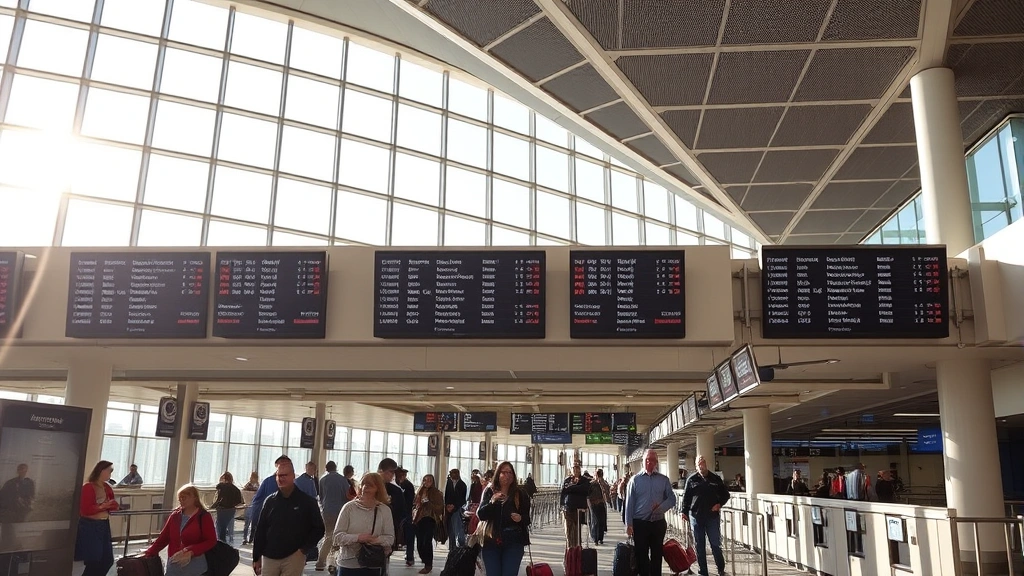
Flying from Atlanta to Orlando doesn’t have to drain your travel budget. Whether you’re heading to the theme parks, beaches, or business meetings, finding cheap ATL to Orlando flights is entirely possible with the right strategy and timing. This guide reveals insider secrets that savvy travelers use to score the best deals on this popular Southeast route.
The Atlanta to Orlando corridor is one of the busiest domestic routes in the United States, which means competition among airlines keeps prices competitive. However, most travelers overpay by booking at the wrong time or through the wrong channels. By understanding airline pricing patterns, booking windows, and alternative travel methods, you can save hundreds of dollars on your next trip.
Best Time to Book ATL to Orlando Flights
The golden rule for booking cheap flights is understanding the optimal booking window. For flights between Atlanta and Orlando, research shows that booking 2-3 weeks in advance typically yields the lowest fares. Airlines release their cheapest seats during this period before prices climb as departure dates approach.
Tuesday and Wednesday departures are traditionally cheaper than Friday through Sunday flights. This happens because most leisure travelers prefer weekend travel, driving up demand and prices. If your schedule allows flexibility, shifting your travel dates by just one or two days can result in savings of $50-$150 per ticket.
Early morning and late evening flights also tend to be cheaper than midday options. While the convenience factor makes afternoon flights popular, budget-conscious travelers can save significantly by choosing a 6 AM departure or a 9 PM red-eye flight. The trade-off in comfort often results in substantial savings.
Airline Comparison and Budget Carriers
Multiple airlines operate the Atlanta to Orlando route, and comparing prices across carriers is essential. Major carriers like Delta, Southwest, and United compete aggressively on this corridor, but budget airlines often offer the lowest base fares. Similar to finding deals on flights from Atlanta to Las Vegas, you’ll want to check both full-service and low-cost carriers.
Spirit Airlines and Frontier Airlines frequently offer the cheapest fares on this route, sometimes 30-40% less than traditional carriers. However, be aware that their base fares don’t include baggage, seat selection, or other amenities. Calculate the true cost by adding these fees before comparing.
Southwest Airlines stands out for including two free checked bags and free seat selection, which can offset their higher base fares. For travelers with minimal luggage, budget carriers make sense. For those checking bags, Southwest’s all-inclusive pricing often proves cheaper overall.
Delta operates the most frequent flights from Atlanta’s Hartsfield-Jackson International Airport since it’s their major hub. This frequency sometimes allows for better pricing during price wars, and you may earn valuable frequent flyer miles.
Money-Saving Booking Strategies
Clear your browser cookies or use incognito mode when searching for flights. Some travel websites track your searches and may display higher prices if they detect repeat visitors. This simple step ensures you’re seeing the actual lowest available fares.
Book directly through airline websites rather than third-party booking sites when possible. Many airlines offer exclusive discounts for direct bookings, and you’ll avoid middleman fees. Additionally, you’ll have better customer service options if issues arise.
Consider learning how to travel on a budget by being flexible with your destination airport. While Orlando International Airport (MCO) is the primary hub, some budget airlines fly to smaller regional airports. However, factor in ground transportation costs before choosing an alternative airport.
Sign up for airline newsletters and loyalty programs before booking. Delta, Southwest, and United frequently send exclusive deals to members. These flash sales often provide 20-30% discounts and are only available for short periods.
Use price comparison websites like Google Flights, Kayak, and Skyscanner to monitor prices across multiple airlines simultaneously. Set up price alerts for your desired dates and receive notifications when fares drop significantly.
Alternative Transportation Options
While flying is the fastest option, alternative transportation can sometimes be cheaper, especially when including airport fees and ground transportation. The drive from Atlanta to Orlando takes approximately 7-8 hours depending on traffic and your exact starting point.
Megabus and Greyhound offer bus services on this route for as little as $20-$40 each way during off-peak periods. While the journey takes 10-12 hours, you save money and avoid rental car expenses. This option works well for budget-conscious travelers with flexible schedules.
Amtrak operates daily service through the Southeast, though the route requires connections and takes 15+ hours. This scenic option appeals to travelers who enjoy trains and want a leisurely journey. Like exploring the best train journeys in Europe, train travel offers a unique experience.
Rental cars from Atlanta to Orlando cost $30-$60 per day depending on the vehicle type and booking timing. For solo travelers, this rarely beats cheap flights, but groups of 3-4 people might find it economical. Factor in fuel, tolls on Florida’s Turnpike, and parking at your destination.
Seasonal Pricing Patterns
Orlando’s peak season runs from November through March when weather is perfect and theme parks celebrate holidays. Expect to pay premium prices during these months, especially around Thanksgiving, Christmas, and New Year’s. If you can travel during shoulder seasons (April-May or September-October), prices drop 25-40%.
Summer (June-August) experiences mixed pricing. While families travel during school breaks, many local residents avoid the heat and humidity, creating pockets of cheaper fares. Mid-week flights in July often feature surprisingly low prices.
September is historically the cheapest month for Orlando travel due to heat, humidity, and hurricane season concerns. This is the sweet spot for budget travelers willing to accept less-than-ideal weather for substantial savings.
Avoid traveling during spring break (mid-March), summer vacation weeks, and holiday periods. These times see inflated prices across all airlines. Planning trips around school calendars and holidays is one of the most effective ways to save money on airfare.
Using Flight Alerts and Tools
Google Flights allows you to set up price alerts for specific routes. You’ll receive email notifications when fares change significantly, helping you catch deals before they disappear. This passive monitoring costs nothing and often reveals unexpected opportunities.
Hopper is a specialized flight-tracking app that predicts whether prices will rise or fall. It analyzes millions of flight prices daily and recommends the optimal booking time. While it’s not perfect, Hopper’s AI-driven predictions help you make informed decisions.
Airline fare calendars show prices for each day of the month, making it easy to identify the cheapest travel dates. Most airlines offer this feature directly on their websites, allowing you to visualize pricing patterns and plan accordingly.
Mistake fares occasionally appear when airlines misprice tickets. Websites like Secret Flying and Scott’s Cheap Flights alert subscribers to these rare opportunities. Subscribe to these services and monitor deal forums for once-in-a-lifetime bargains.
Hidden Fees and How to Avoid Them
Budget airlines profit from ancillary fees, with Spirit and Frontier charging for everything from carry-on bags to seat selection. A “cheap” $50 Spirit flight can cost $120 after adding bags, seats, and other fees.
Baggage fees range from $20-$40 per bag on budget carriers. If you’re checking luggage, this significantly impacts your true cost. Consider packing light with only carry-on luggage, or choose an airline that includes baggage.
Seat selection fees vary from $5-$25 per seat depending on location. Budget carriers charge premium prices for seats with extra legroom or preferred locations. Standard economy seats sometimes have no charge, saving you money if you’re flexible.
Payment processing fees can add 2-3% to your total cost. Some airlines charge extra for certain payment methods. Using a debit card or paying through the airline’s website directly often avoids these charges.
Travel insurance is optional but worth considering for non-refundable tickets. For flights under $300, insurance typically costs $20-$30 and provides peace of mind if plans change unexpectedly.
Parking and ground transportation at both airports add significant costs to your total trip expense. Research affordable parking options in Atlanta and arrange ground transportation in Orlando before your trip. Using rideshare services or airport shuttles often costs less than parking at the airport.

” alt=”Scenic aerial view of Orlando skyline with theme parks and lakes visible from airplane window” style=”width: 100%; height: auto; border-radius: 8px;”>
Credit Card Rewards and Points
Travel credit cards offer significant value for frequent flyers. Cards like the Chase Sapphire Reserve and American Express Platinum provide statement credits for travel purchases, effectively reducing your airfare cost.
Airline-specific credit cards earn accelerated points on tickets purchased directly from the airline. Accumulating points through credit card spending can eventually provide free flights. Even if you don’t earn enough for a free ticket, points can offset a portion of your fare.
Sign-up bonuses on travel credit cards often cover the entire cost of a domestic flight. If you’re planning to fly soon and can meet the spending requirements, opening a new card might provide immediate value.
However, only pursue credit card rewards if you can pay off the balance immediately. Interest charges quickly negate any savings from rewards or points.
Last-Minute Booking Tactics
Contrary to popular belief, last-minute bookings sometimes offer excellent deals. Airlines reduce prices on flights with empty seats to generate revenue rather than fly with vacant spots. However, this strategy is risky and works best for flexible travelers.
Booking exactly 1 week before departure occasionally reveals discounted fares as airlines fine-tune pricing. Set price alerts for this timeframe if your travel dates are flexible.
Tuesday afternoons typically see airline price drops as carriers adjust pricing for the week ahead. Booking on Tuesday or Wednesday morning sometimes captures these drops before competitors find them.
Empty seat sales happen sporadically when airlines need to fill aircraft. These flash sales are advertised through email newsletters and social media, lasting only hours. Following airlines on social media ensures you don’t miss these opportunities.

” alt=”Colorful Orlando theme park entrance with excited families and bright attractions during daytime” style=”width: 100%; height: auto; border-radius: 8px;”>
Ground Transportation in Orlando
Once you’ve saved money on airfare, don’t overspend on ground transportation. Orlando offers several affordable options beyond traditional taxi services.
Mears Connect (formerly Magical Express) provides affordable airport transportation to most Orlando hotels, typically costing $16-$32 per person round-trip. This service works well for theme park visitors and budget travelers.
Rideshare services like Uber and Lyft cost $15-$30 from the airport depending on demand and time of day. Splitting a ride with other passengers further reduces costs.
Renting a car makes sense if you’re exploring beyond theme parks. Discovering underrated places to travel near Orlando often requires a vehicle. However, factor in rental costs, fuel, tolls, and parking before committing.
Combining Flights with Hotel Packages
Package deals combining flights and hotels sometimes offer better value than booking separately. Travel websites like Expedia and Costco Travel negotiate bulk rates with hotels, potentially saving you 20-30% compared to individual bookings.
However, package deals aren’t always cheaper. Compare the package price against booking flights and hotels separately before committing. Some packages include mandatory resort fees or limit your hotel choices.
All-inclusive vacation packages with flights, accommodations, and meals can be economical for theme park vacations. Compare these against similar flight routing strategies for other destinations to understand the true cost differences.
FAQ
What’s the cheapest day to fly from Atlanta to Orlando?
Tuesday and Wednesday typically offer the cheapest fares. Avoid Friday through Sunday travel when demand peaks. Mid-week flights can be 30-50% cheaper than weekend options.
How far in advance should I book ATL to Orlando flights?
Book 2-3 weeks before your departure date for optimal pricing. This window captures airline discounts before prices climb as departure approaches.
Which airline offers the cheapest flights on this route?
Spirit and Frontier typically have the lowest base fares, often 30-40% cheaper than traditional carriers. However, add baggage and seat fees to calculate the true cost. Southwest sometimes proves cheaper when including free bags.
Is it cheaper to drive from Atlanta to Orlando?
For solo travelers, flying is usually cheaper. For groups of 3-4 people, driving might be economical, but factor in fuel, tolls, and parking. The 7-8 hour drive is faster than bus options but slower than flights.
Can I save money by flying into a smaller Orlando airport?
Budget airlines sometimes fly to smaller airports, but ground transportation costs often offset savings. Calculate total costs including airport transfers before choosing an alternative airport.
What hidden fees should I expect on budget airlines?
Budget carriers charge for carry-on bags ($20-$35), checked luggage ($20-$40), seat selection ($5-$25), and payment processing. Always add these fees to base fare before comparing prices.
When is the cheapest season to visit Orlando?
September offers the lowest prices due to heat and hurricane season. April-May and September-October provide good deals during shoulder seasons. Avoid November-March peak season and school holiday periods.
Do airline credit cards make sense for occasional flyers?
Only if you can pay off the balance immediately. Sign-up bonuses sometimes cover flight costs, but interest charges negate rewards benefits if you carry a balance.


