Why Are Asheville Flights Canceled? Expert Insights on Disruptions at Asheville Regional Airport
Asheville Regional Airport (AVL) serves as a vital gateway to one of the Southeast’s most beloved destinations, nestled in the heart of the Blue Ridge Mountains. However, travelers planning trips to this picturesque North Carolina city have increasingly encountered flight cancellations that disrupt their adventures. Understanding the reasons behind these disruptions is essential for anyone looking to visit Asheville, whether you’re seeking a romantic mountain getaway or an outdoor adventure in this thriving cultural hub.
Flight cancellations at Asheville Airport don’t happen randomly—they’re the result of a complex interplay of operational, environmental, and logistical factors. From weather patterns that sweep through the Appalachian region to staffing challenges and aircraft maintenance issues, multiple variables contribute to service disruptions. This comprehensive guide explores the expert insights behind these cancellations, helping you navigate travel planning with greater confidence and understanding of what impacts your journey to this enchanting destination.
Weather Patterns and Seasonal Disruptions at Asheville Airport
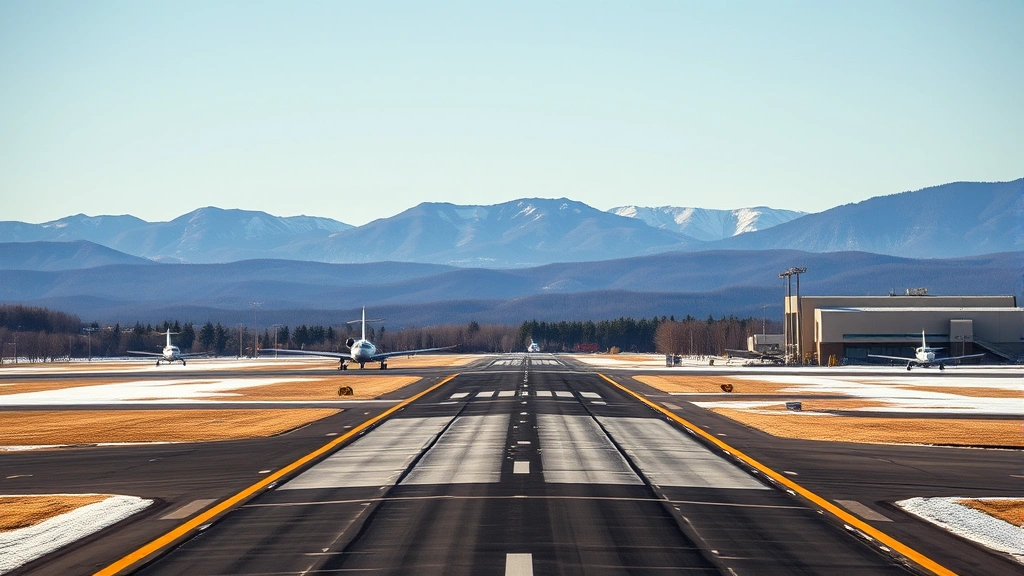
The most significant factor behind flight cancellations at Asheville Regional Airport is weather, and for good reason. Located at an elevation of 2,175 feet in the Blue Ridge Mountains, AVL sits in a region prone to dramatic weather changes. Winter months bring snow and ice that can quickly render runways unsafe, while spring and fall bring severe thunderstorms that make flying conditions hazardous for aircraft operations.
Winter weather presents the greatest challenge. From November through March, the airport frequently experiences freezing precipitation, fog, and occasional heavy snow. These conditions require runway treatments, de-icing procedures, and extended safety protocols that can cause cascading delays. The airport’s relatively short runways compared to major hubs mean that winter conditions have an outsized impact on operations. Pilots and air traffic controllers must maintain stricter safety margins, and visibility restrictions can ground flights for hours.
Spring and summer thunderstorms are equally problematic, though for different reasons. The mountainous terrain creates complex wind patterns and unpredictable storm development. Lightning strikes near the airport trigger immediate ground stops, while severe wind shear can make landing and takeoff dangerous. These atmospheric phenomena are difficult to predict with precision, which is why meteorologists and airport officials sometimes make cancellation decisions on short notice.
When planning your trip to top travel destinations in 2025, consider that Asheville’s mountain location, while stunning for visitors, creates inherent weather challenges. Travelers heading to Asheville during shoulder seasons (April-May and September-October) often experience fewer weather-related cancellations than those visiting in winter or during summer storm season.
Operational and Staffing Challenges
Beyond weather, operational inefficiencies and staffing shortages significantly impact flight availability at Asheville Airport. The aviation industry has struggled with workforce shortages since 2020, affecting everything from ground crew to flight attendants to maintenance personnel. Asheville, as a smaller regional airport, often finds itself competing with larger hubs for skilled workers.
Regional airline carriers—the backbone of service to Asheville—operate on tighter margins than major carriers. When these airlines experience crew scheduling conflicts, pilot availability issues, or insufficient ground support staff, they’re more likely to cancel flights rather than delay them. A single pilot calling in sick or a crew scheduling error can cascade through an entire day’s flight schedule, affecting multiple routes.
Gate availability and ground handling services also play a role. Asheville’s airport has limited facilities compared to major regional hubs, meaning that congestion on busy travel days can create bottlenecks. When aircraft are delayed arriving from other cities, it creates a domino effect that ripples through the schedule. A flight arriving two hours late might miss its scheduled departure window, forcing cancellation rather than attempting to make up time.
The airport’s reliance on connecting flights through hubs like Charlotte and Atlanta means that disruptions elsewhere in the network directly impact Asheville service. If weather closes Charlotte Douglas International Airport, flights connecting through that hub are canceled, leaving Asheville passengers stranded. This vulnerability to network-wide disruptions is a reality of operating as a smaller regional airport in an interconnected aviation system.
Aircraft Maintenance and Technical Issues
Aircraft maintenance requirements represent another critical factor in flight cancellations. Regional carriers operating routes to Asheville often maintain aging fleets or share aircraft across multiple routes, creating scheduling conflicts when maintenance is required. Unscheduled maintenance issues—mechanical failures discovered during pre-flight inspections—can ground aircraft for hours or days while repairs are completed.
Regulatory compliance adds another layer of complexity. The Federal Aviation Administration requires strict adherence to maintenance schedules, and any deviation from these protocols results in aircraft being taken out of service. While this ensures passenger safety, it can mean cancellations when maintenance schedules conflict with high-demand travel periods.
Weather-related wear on aircraft accelerates maintenance needs. Planes operating in and out of Asheville during winter or severe thunderstorm seasons experience additional stress, potentially triggering more frequent maintenance requirements. This creates a cyclical problem: bad weather causes cancellations, and the weather-induced wear on aircraft causes future cancellations due to maintenance needs.
How Regional Airport Network Effects Create Cascading Cancellations
Asheville Airport doesn’t operate in isolation—it’s part of a broader Southeast aviation network. Disruptions at major hubs like Atlanta Hartsfield-Jackson International Airport or Charlotte Douglas have immediate consequences for Asheville service. When capacity is reduced at these connecting airports, carriers reduce flights to smaller destinations to maintain hub operations.
For travelers planning best travel destinations for couples, understanding this network effect is crucial. A romantic getaway to Asheville might be disrupted not by local weather, but by events hundreds of miles away. Severe weather in Atlanta could cancel your Asheville connection, even if conditions in North Carolina are perfect.
Fuel supply chain issues, though less common, can also impact operations. Regional carriers sometimes adjust schedules based on fuel availability and pricing, occasionally canceling less profitable routes to concentrate operations on higher-demand flights. Asheville, while a popular destination, might be considered less critical than major business hubs during supply constraints.
Smart Strategies for Avoiding Flight Cancellations to Asheville
Understanding cancellation causes empowers you to plan strategically. First, choose your travel dates carefully. If visiting during winter (December-February), expect higher cancellation risks. Similarly, July and August bring afternoon thunderstorms that frequently disrupt afternoon and evening flights. Shoulder seasons offer the best reliability, though no period is entirely cancellation-proof.
When booking, prioritize early morning flights. These departures have the best chance of operating because they’re not affected by delays cascading from earlier flights. Morning flights also depart before afternoon thunderstorms develop during storm season. Avoid the last flight of the day—if it’s delayed, cancellation becomes likely.
Consider booking flights with connections through larger hubs rather than direct service when possible. This seems counterintuitive, but major carriers operate more flights on hub routes, providing more rebooking options if your flight is canceled. When fewer flights operate a route, cancellations leave passengers with limited alternatives.
Purchase travel insurance that covers weather-related cancellations. While standard airline policies often exclude weather, comprehensive travel insurance protects your investment. This is especially important when visiting Asheville during seasons with higher cancellation probability.
Build flexibility into your schedule. If arriving for a specific event, try to arrive a day early. This buffer absorbs minor delays and cancellations without ruining your plans. For departures, schedule your return flight for the day before any critical commitments.
Sign up for airline alerts and monitor weather forecasts religiously during the week before your trip. This allows you to proactively rebook on alternative flights before cancellations are announced officially. Airlines often accommodate rebooking on other carriers or earlier flights when you contact them before official cancellations.
Understanding Your Passenger Rights During Flight Cancellations
When Asheville flights are canceled, passenger rights depend on several factors. The U.S. Department of Transportation requires airlines to provide rebooking on the next available flight at no additional charge. If no flights are available within a reasonable timeframe, you’re entitled to a refund or credit for the unused portion of your ticket.
Weather-related cancellations receive different treatment than cancellations caused by airline operational issues. The DOT considers weather a “force majeure” event, meaning airlines bear less responsibility. However, if cancellation results from inadequate staffing, maintenance issues, or other operational factors, airlines face greater obligations.
Documentation is critical. Keep records of all communications with the airline, photos of cancellation notices, and receipts for any expenses incurred due to cancellation. These materials support claims for compensation if you pursue reimbursement through small claims court or consumer protection agencies.
For those considering how to travel on a budget, understanding cancellation policies helps minimize financial impact. Budget carriers typically offer fewer rebooking options and may not cover hotel costs during unexpected overnight stays caused by cancellations. Full-service carriers often provide more comprehensive support.

Alternative Transportation Options to Reach Asheville
When flights are canceled, alternative routes exist to reach this beautiful destination. Asheville Regional Airport isn’t your only option—Charlotte Douglas International Airport (CLT), approximately 120 miles away, offers significantly more flight options and better weather resilience due to its larger operational capacity. Many travelers cancel Asheville flights and rebook into Charlotte, then rent a car for the scenic drive through the North Carolina foothills.
Renting a car and driving provides complete control over your schedule. From major cities like Atlanta (about 4 hours) or Washington D.C. (about 6 hours), the drive to Asheville offers beautiful mountain scenery and flexibility. For those exploring how to plan road trips, the routes to Asheville offer some of the Southeast’s most scenic driving.
Amtrak service connects to nearby cities, though direct rail service to Asheville is limited. However, the Crescent Line serves Charlotte and Atlanta, from which bus services operate to Asheville. While slower than flying, rail and bus options provide reliable alternatives when weather disrupts air service.
Greyhound and other bus carriers offer direct service to Asheville from major Southeast cities. Though travel times are longer, buses operate in weather conditions that ground aircraft, making them reliable alternatives during winter or storm season. This option works particularly well for budget-conscious travelers or those with flexible schedules.
Consulting best airlines for long flights helps identify carriers with better reliability records to Asheville. Some airlines maintain better safety margins and more conservative cancellation thresholds than others, making them statistically more reliable for reaching this destination.
Frequently Asked Questions About Asheville Flight Cancellations
What time of year has the most flight cancellations to Asheville?
Winter months (December-February) experience the highest cancellation rates due to snow, ice, and fog. Summer afternoons (June-August) see secondary peaks from thunderstorms. Spring and fall shoulder seasons offer the most reliable service, with April-May and September-October typically experiencing fewer disruptions.
Should I avoid flying into Asheville Regional Airport?
Not necessarily. AVL is convenient and offers direct service from major cities. However, understanding cancellation risks and building flexibility into your schedule helps mitigate inconvenience. For time-sensitive trips, consider flying into Charlotte and driving to Asheville as a backup plan.
Can I get compensation for a canceled flight to Asheville?
Compensation depends on cancellation cause. Weather-related cancellations typically exempt airlines from compensation requirements. Cancellations caused by operational issues may entitle you to compensation under DOT regulations. Document everything and contact your airline’s customer service department with supporting evidence.
What should I do if my Asheville flight is canceled?
Immediately contact your airline to rebook on the next available flight. If no flights are available within a reasonable timeframe, request a refund or credit. Consider rebooking through Charlotte Douglas if Asheville flights are booked solid. Keep receipts for any expenses incurred and document all communications with the airline.
How far in advance can I check if my flight might be canceled?
Airlines typically post cancellations 24 hours before departure, though this varies. Monitor weather forecasts and flight status starting 3-5 days before your trip. Contact your airline proactively if severe weather is forecasted rather than waiting for official cancellation announcements.
Is Asheville Regional Airport expanding to reduce cancellations?
Asheville Regional Airport has undergone renovations and capacity improvements in recent years. However, expansion is limited by geographic constraints and funding. Current improvements focus on enhancing facilities and operations rather than significantly expanding runway capacity, which would require substantial investment and environmental considerations.