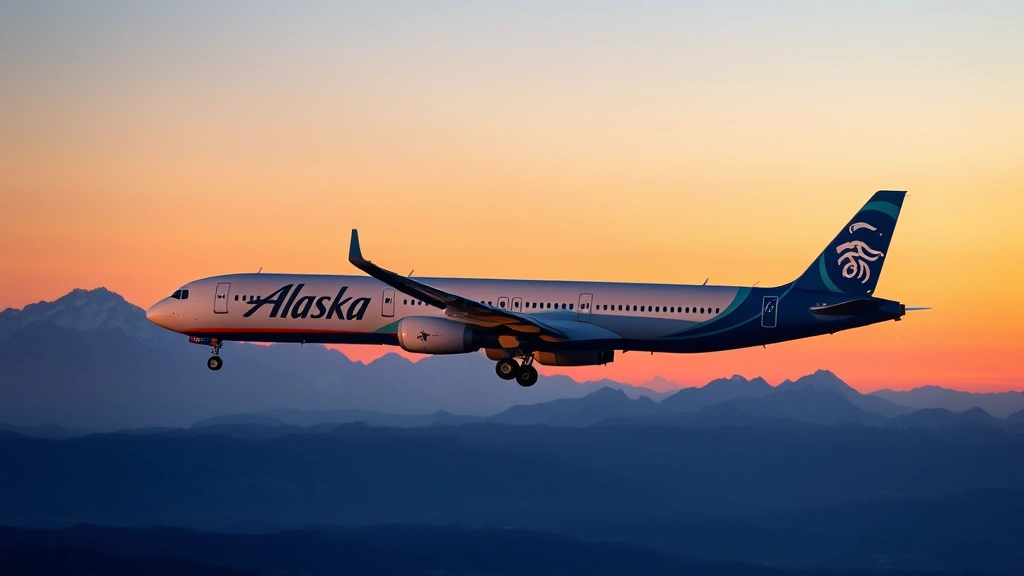
Alaska Airlines Flight Cancellations: Expert Insight on Tariff-Related Disruptions
Alaska Airlines has made headlines recently by announcing significant flight cancellations attributed to tariff-related cost increases. As travel enthusiasts and frequent flyers, understanding how these economic pressures impact your journey planning is essential. The airline industry operates on razor-thin margins, and when external factors like tariffs affect operational costs, passengers feel the ripple effects directly. This comprehensive guide explores the reasons behind Alaska Airlines’ cancellations, what it means for your travel plans, and how to navigate these disruptions strategically.
The decision to cancel flights isn’t made lightly by any major carrier. Alaska Airlines, one of the largest airlines in North America, serves millions of passengers annually across domestic and international routes. When tariff-related expenses mount, airlines must make difficult decisions about route viability and operational efficiency. Understanding these dynamics helps you become a smarter traveler and prepare for potential disruptions to your itinerary.
Understanding Tariff Impacts on Airlines
Tariffs represent taxes imposed on imported goods, and when governments implement broad tariff policies, industries dependent on imported components face substantial cost increases. Airlines rely heavily on imported materials including aircraft parts, fuel additives, maintenance equipment, and advanced avionics systems. When tariffs increase the cost of these essential items by 10-25%, airlines must absorb these expenses or pass them to consumers through higher ticket prices.
The airline industry operates with profit margins typically between 2-5%, making them particularly vulnerable to cost shocks. Unlike industries with more flexible pricing models, airlines cannot simply raise ticket prices without risking customer loss to competitors. This creates a challenging scenario where airlines must choose between reduced profitability or operational cutbacks. Alaska Airlines’ decision to cancel certain flights reflects a strategic choice to maintain service quality on profitable routes while eliminating underperforming ones affected by tariff costs.
Economic analysts point to several specific cost categories impacted by tariffs. Aircraft maintenance becomes more expensive when replacement parts face import duties. Fuel suppliers may increase prices if their supply chains include imported components. Ground handling equipment, from baggage systems to boarding bridges, often contains imported elements subject to tariffs. Even technology upgrades in aircraft systems face cost increases, affecting everything from navigation to passenger entertainment systems.

Alaska Airlines’ Response Strategy
Alaska Airlines has publicly acknowledged that tariff-related cost increases prompted a strategic review of their route network. Rather than implementing across-the-board price increases that might drive customers to competitors, the airline opted for targeted route reductions. This approach maintains competitiveness on price-sensitive routes while consolidating service on high-demand corridors.
The airline’s strategy involves several key components. First, they’ve prioritized routes connecting major metropolitan areas with strong demand and pricing power. Flights between Chicago and Dallas represent exactly this type of high-capacity, profitable route worth maintaining despite cost pressures. Second, Alaska Airlines has increased aircraft utilization on remaining routes, maximizing revenue per flight by optimizing schedules and seat configurations.
Third, the carrier has adjusted their seasonal scheduling, reducing frequency on routes with seasonal demand patterns. This allows them to concentrate capacity during peak travel periods while minimizing exposure during slower months when tariff cost impacts hit hardest on per-passenger economics. Fourth, Alaska Airlines has invested in fleet optimization, prioritizing more fuel-efficient aircraft that reduce operational costs across all remaining routes.
Partnership expansion represents another crucial element of Alaska Airlines’ response. By strengthening codeshare agreements with partner carriers, Alaska can offer passengers alternative routing options even when direct flights face cancellation. This maintains customer relationships and booking revenue without requiring Alaska to operate every route independently.
Affected Routes and Destinations
The cancellations have primarily impacted regional routes and secondary markets where Alaska Airlines faced thinner margins. Routes serving smaller cities with limited passenger demand have been disproportionately affected, as tariff cost increases make these flights economically unviable. However, major city pairs continue to receive robust service.
Popular flights to Orlando from Boston remain largely unaffected, as this route carries sufficient passenger volume to justify continued operation despite tariff headwinds. Similarly, flights to Paris from NYC represent premium international service that maintains healthy margins even with increased costs. The airline has maintained these key routes because they serve substantial passenger bases willing to pay fares that cover elevated operational expenses.
Routes connecting smaller Alaska communities have faced the most significant disruptions. Remote locations that depend on Alaska Airlines for connectivity have experienced reduced frequency or complete service discontinuation. This reflects the harsh economic reality that some routes cannot sustain operations when input costs rise significantly. The airline has worked with local communities and regional partners to minimize disruption, but some adjustments proved unavoidable.
Seasonal routes have also been affected. Routes that operated only during peak summer months have been eliminated entirely, as the fixed costs of establishing and maintaining these seasonal operations cannot be justified with reduced frequency. This impacts travelers planning summer getaways to certain destinations who previously enjoyed Alaska Airlines’ convenient schedules.
How to Navigate Flight Cancellations
When facing a flight cancellation, your first step should be understanding your rights. The Department of Transportation requires airlines to provide rebooking on alternative flights at no additional cost when they cancel flights for operational reasons. This protection applies regardless of the underlying cause, including tariff-related cost pressures.
Document everything when you receive cancellation notification. Screenshot the cancellation message, note the date and time received, and save all communication with Alaska Airlines. This documentation proves invaluable if you need to claim compensation or dispute rebooking arrangements. Many travelers overlook this step, making it harder to substantiate claims later.
Proactively contact Alaska Airlines when you learn of a cancellation rather than waiting for automatic rebooking. Call their customer service line or use their mobile app to explore alternative routing options before the airline assigns you to a flight. You may discover that Denver to Las Vegas flights offer better timing or routing than what the airline would automatically assign. Being proactive puts you in control of your travel experience.
Consider whether compensation eligibility applies to your situation. While operational reasons like tariffs typically exempt airlines from paying compensation under DOT regulations, international flights may have different protections under European Union regulation or other jurisdictions’ rules. Research the specific regulations governing your route to understand what compensation you might claim.
If rebooking on another Alaska Airlines flight doesn’t work with your schedule, request that the airline issue a travel credit. This gives you flexibility to rebook at a more convenient time rather than being forced into an immediate alternative. Travel credits typically remain valid for one year, providing substantial flexibility for future travel planning.
Booking Strategies During Uncertainty
In an environment where route cancellations may occur, strategic booking practices become essential. First, avoid booking flights too far in advance on routes you suspect might be vulnerable to cancellation. While advance booking typically offers lower fares, booking 4-6 weeks before travel on potentially affected routes provides reasonable protection without sacrificing too much savings.
Prioritize booking on routes with strong demand fundamentals. Major business travel corridors and popular leisure destinations have proven more resilient during this period of uncertainty. When exploring best travel destinations for solo travelers, focus on locations served by multiple airlines, ensuring you’re not dependent solely on Alaska Airlines for connectivity.
Consider booking multi-city itineraries rather than relying on single-leg flights. If your journey involves connecting flights with different carriers, you reduce exposure to any single airline’s operational decisions. This approach requires more planning but provides superior resilience during uncertain periods.
Purchase travel insurance that covers flight cancellations and disruptions. Standard travel insurance policies reimburse non-refundable portions of your trip if flights are cancelled, providing financial protection beyond what airlines are required to offer. This proves especially valuable for international trips or non-refundable accommodations.
Monitor Alaska Airlines’ schedule changes regularly if you’ve booked flights several months in advance. Airlines typically announce significant schedule adjustments 60-90 days before implementation. Checking your reservations monthly allows you to spot potential issues early and make alternative arrangements if needed.
Set up flight alerts through multiple sources. Alaska Airlines’ website, Google Flights, and third-party flight tracking services all provide notifications when fares change or schedules are modified. Redundant alerts ensure you won’t miss important updates affecting your travel plans.
Alternative Travel Options
When Alaska Airlines flights aren’t available or you want to reduce your exposure to single-carrier risk, several alternatives merit consideration. Major carriers including Delta, United, American, and Southwest all serve many of the same routes, often with competitive pricing and comparable service quality. Comparing options across carriers takes additional time but often reveals superior routing or pricing opportunities.
Regional carriers and low-cost airlines have expanded substantially in recent years, providing viable alternatives on many routes. These carriers sometimes offer better pricing than legacy carriers like Alaska Airlines, though trade-offs in amenities or schedule convenience may apply. Evaluating these options holistically, considering price, timing, and convenience together, helps you make optimal booking decisions.
Ground transportation alternatives deserve consideration for some journeys. Amtrak service connects many major cities, and while rail travel typically takes longer than flying, it often proves more reliable and sometimes cheaper than flights. For trips under 300 miles, driving yourself or using ride-sharing services might prove faster and more convenient than dealing with airport procedures.
Connecting flights through hub airports offer another strategy. Rather than relying on direct flights that might be cancelled, booking connections through major hubs like Seattle, Los Angeles, or San Francisco provides multiple routing options. If one flight is cancelled, the airline can reroute you through alternative connections, ensuring you reach your destination even if your original flight doesn’t operate.
Exploring best places for whale watching or other specific destinations? Consider flying to nearby major cities and renting vehicles for ground transportation. This approach often provides more schedule flexibility and sometimes costs less than direct flights to smaller regional airports.
Credit card rewards and frequent flyer programs offer flexibility during disruptions. If you’ve accumulated points or miles, using them for rebooking provides immediate flexibility without requiring new cash outlay. This advantage alone justifies maintaining loyalty program memberships across multiple carriers.
FAQ
What compensation am I entitled to if Alaska Airlines cancels my flight?
The Department of Transportation requires airlines to rebook you on the next available flight at no additional cost. International flights may qualify for additional compensation under EU regulation (up to €600) if cancellation occurs with less than 14 days notice, though operational reasons like tariffs may exempt the airline from this compensation requirement. Always check your specific flight’s regulations and request compensation if eligible.
How can I find alternative flights if my Alaska Airlines flight is cancelled?
Immediately contact Alaska Airlines through their website, mobile app, or customer service phone line. Request rebooking on alternative flights. Simultaneously, check competitor airlines’ websites for available flights. If you’ve purchased travel insurance, contact your insurance provider to understand what coverage applies to your situation.
Should I avoid booking Alaska Airlines during this period?
No, but book strategically. Prioritize routes with strong demand, avoid booking excessively far in advance on potentially vulnerable routes, and purchase travel insurance. Alaska Airlines remains a reliable carrier; understanding the current environment simply helps you book more intelligently.
How long will Alaska Airlines’ cancellations continue?
The duration depends on tariff policies and their economic impact. Airlines typically adjust their networks within 6-12 months of cost pressures, either through pricing increases that restore margins or through operational adjustments. Monitor industry news and Alaska Airlines’ official announcements for updates on their route network plans.
Are other airlines also cancelling flights due to tariffs?
Yes, tariff impacts affect the entire airline industry. However, larger carriers with more diverse route networks and stronger balance sheets can absorb cost increases more easily than regional carriers. Alaska Airlines’ public acknowledgment of tariff-related cancellations reflects their transparency with customers about operational challenges.
What should I do if I’m already booked on a cancelled flight?
Alaska Airlines will notify you of the cancellation and offer rebooking on alternative flights. Contact them proactively to explore your options rather than accepting their automatic rebooking. Ensure you have documentation of the cancellation, and understand your rights regarding compensation or travel credits. If the rebooking significantly inconveniences your travel plans, request a travel credit instead.


