Air France to Chicago: Insider Travel Tips
Flying Air France to Chicago offers a sophisticated European gateway to one of America’s most vibrant cities. Whether you’re a seasoned traveler or embarking on your first transatlantic journey, understanding how to maximize your Air France flight experience and make the most of your Chicago arrival will transform your trip from ordinary to extraordinary. This comprehensive guide reveals insider secrets that frequent flyers and travel experts use to navigate Air France services, optimize connections, and dive into the Windy City like a true insider.
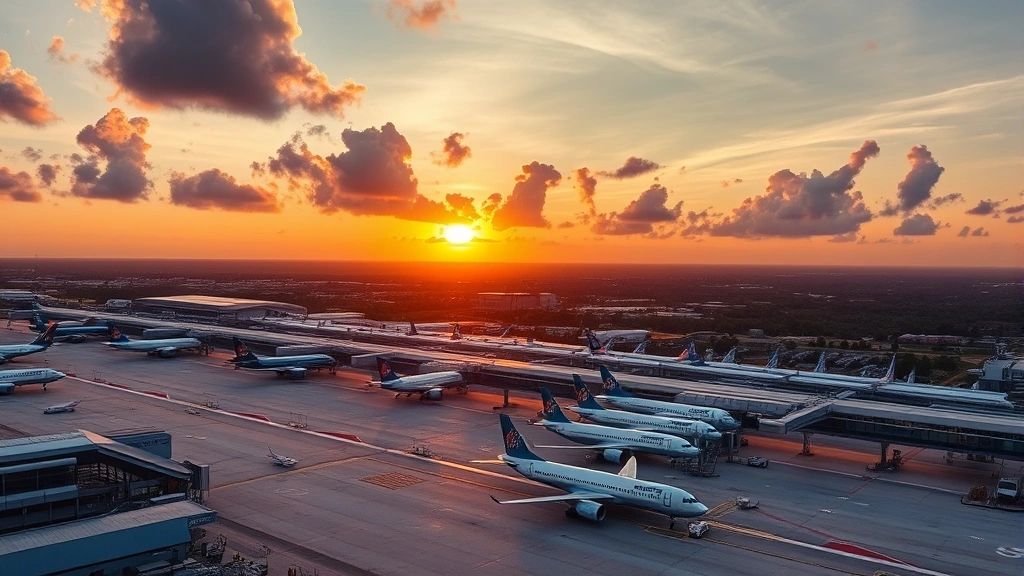
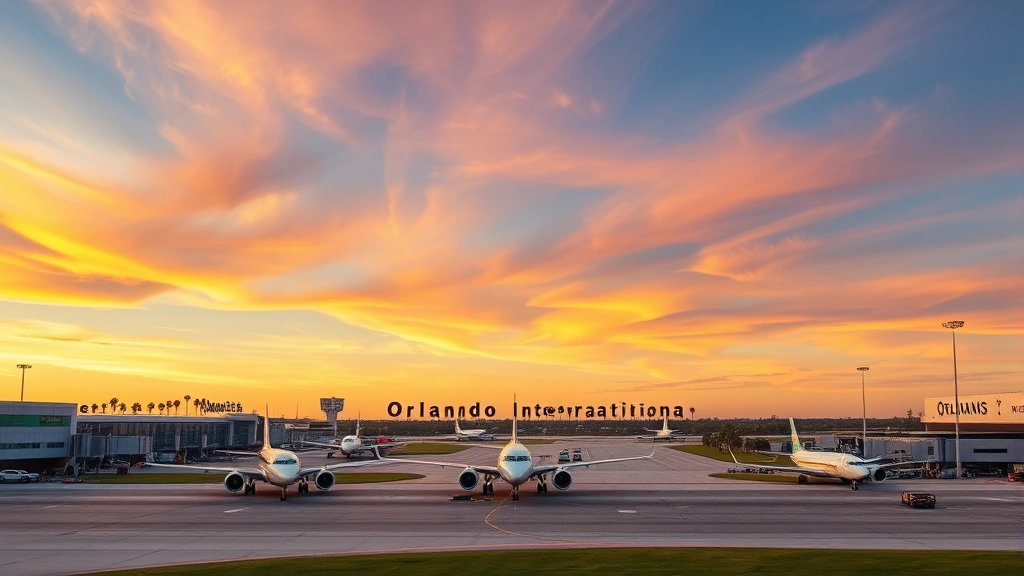
Chicago’s O’Hare International Airport ranks among the world’s busiest aviation hubs, and Air France operates multiple daily flights connecting European cities to this major American destination. The airline’s reputation for service excellence, combined with strategic flight schedules, makes it an attractive choice for transatlantic travelers. From pre-flight preparations to post-landing exploration, we’ll walk you through every aspect of your Air France Chicago adventure.
Choosing Your Air France Flight to Chicago
Air France operates several flight options to Chicago, primarily departing from major European hubs including Paris Charles de Gaulle, which serves as the airline’s primary gateway for North American connections. Understanding the different flight categories helps you select the option that best matches your travel style and budget.
Direct flights from Paris to Chicago typically operate on modern aircraft like the Boeing 777 or Airbus A350, offering superior comfort compared to older models. These flights generally depart in the evening from Paris and arrive in Chicago during the afternoon local time, allowing you to settle into your hotel and explore the city on your first evening. The flight duration averages 9 to 10 hours depending on wind patterns and routing.
When comparing Air France options with other major airline routes, consider that Air France’s SkyTeam alliance provides seamless connections through partner airlines if you’re originating from cities without direct Air France service. This network flexibility means you might connect through hubs like Amsterdam or Rome before reaching Paris for your Chicago flight.
The airline offers multiple cabin classes: Economy, Premium Economy, Business, and La Première (first class). Each tier provides progressively enhanced services, from meal quality to seat comfort to lounge access. Budget-conscious travelers should explore Premium Economy, which offers a remarkable value proposition with lie-flat seats on long-haul flights, priority boarding, and enhanced meal service at a fraction of Business Class pricing.
Booking Strategies and Fare Optimization
Securing the best fare for your Air France Chicago flight requires strategic timing and insider knowledge. Tuesday and Wednesday departures typically offer lower fares than weekend flights, as business travel demand peaks on those days. Book your flights 6-8 weeks in advance for optimal pricing, though monitoring fares continuously using price alert tools helps you catch unexpected deals.
Air France frequently offers promotional fares during shoulder seasons (April-May and September-October), when Chicago weather remains pleasant but summer crowds diminish. These periods provide the sweet spot for value and experience. Compare your Air France options against Boston to Denver flights pricing patterns—transatlantic routes often follow similar seasonal pricing trends.
Leverage Air France’s frequent flyer program, Flying Blue, which offers accelerated earning rates for transatlantic flights. Even if you’re not an elite member, signing up before booking accumulates miles that can be redeemed for future travel or upgrades. The airline’s partnership with American Airlines (a fellow SkyTeam member) means your miles can be used across both carriers’ networks.
Consider booking round-trip flights together rather than separately; Air France often bundles these at rates lower than individual one-way tickets. If your return date remains flexible, booking a flexible ticket provides valuable insurance against unexpected schedule changes, particularly important for international travel.
Preparing for Your Transatlantic Journey
Successful transatlantic travel begins weeks before your departure date. Verify your passport validity—it must remain valid for at least six months beyond your travel dates. U.S. citizens don’t require visas for France, but ensure your passport is in excellent condition, as damaged documents may cause boarding issues.
Complete your ESTA (Electronic System for Travel Authorization) application if you’re a non-U.S. citizen, and register with your embassy if traveling as a citizen. These steps typically take 15 minutes online and cost minimal fees, but provide crucial documentation and emergency support if needed.
Pack strategically for transatlantic flights. Compression socks reduce deep vein thrombosis risk during long flights, while a travel pillow and eye mask significantly improve sleep quality. Bring an empty water bottle to fill after security—staying hydrated during the 9-10 hour flight combats jet lag more effectively than alcohol or heavy meals.
Reserve your seat during booking. Air France allows online check-in 24 hours before departure, and early selection of window or aisle seats (depending on your preference) ensures better rest during the flight. Premium Economy and above include seat selection automatically, while Economy passengers benefit from strategic seat choices near exits or wings for smoother flights.
Inform Air France of any dietary requirements, mobility assistance needs, or special circumstances when booking. The airline’s special services team can arrange wheelchair assistance, prepare meals for religious or dietary restrictions, and accommodate unaccompanied minors or elderly travelers requiring additional support.
Onboard Experience and Amenities
Air France’s onboard service distinguishes the carrier from competitors, particularly on long-haul flights to Chicago. The airline employs multilingual cabin crew trained in French hospitality traditions, ensuring attentive yet unobtrusive service throughout your flight.
Economy passengers receive complimentary meals, beverages, and entertainment systems featuring hundreds of movies, television shows, and music options. The airline’s culinary program partners with renowned French chefs to create menus that reflect seasonal ingredients and regional specialties. Meals are served with wine, beer, or spirits included, along with champagne for celebrations.
Premium Economy elevates the experience significantly. Wider seats recline to 7 inches, direct aisle access (avoiding middle-seat awkwardness), separate meal service with upgraded menus, and priority boarding create a substantially more comfortable experience than Economy. Many travelers find Premium Economy superior to Business Class on older airlines, making it excellent value for transatlantic flights.
Business Class passengers enjoy fully flat beds, premium bedding, shower spas at select airports, and a la carte dining with wine pairings curated by Air France’s sommelier team. The cabin design maximizes privacy while maintaining social spaces for those wanting to interact with fellow travelers.
Entertainment systems on all classes receive regular content updates, ensuring fresh movies and shows throughout your flight. The airline partners with major studios and streaming services, guaranteeing blockbusters and award-winning content. Download the Air France app before flying to access flight information, meal menus, and entertainment selections from your personal device.
Jet lag recovery begins inflight. Adjust your watch to Chicago time immediately after boarding, eat and sleep according to Chicago’s schedule rather than your departure city’s, and avoid excessive alcohol and caffeine. Air France’s cabin crew can provide melatonin supplements and assist with sleep optimization strategies.
Navigating O’Hare Airport
Chicago’s O’Hare International Airport sprawls across three terminals, with Air France flights typically arriving at Terminal 1 (the main international terminal) or Terminal 5. Upon landing, follow international arrival signs to customs and immigration processing.
U.S. Customs and Border Protection operates automated kiosks that expedite processing for U.S. citizens and eligible visitors. These e-gates read your passport, take your photo, and process your entry in seconds, dramatically reducing wait times compared to traditional lines. Non-U.S. citizens proceed through standard immigration lines where agents verify travel documents and entry purposes.
Baggage claim follows immigration processing. Air France provides real-time baggage tracking through its mobile app, allowing you to monitor your luggage location. Most flights see baggage delivered within 30-45 minutes of landing. If your luggage doesn’t appear within 90 minutes, visit the baggage service desk immediately to file a report and arrange compensation or delivery.
O’Hare offers multiple ground transportation options to downtown Chicago. The Blue Line CTA train provides the most economical option at $5, running 24/7 from the airport to downtown in approximately 40 minutes. Rideshare services (Uber, Lyft) cost $25-35 to downtown depending on traffic. Rental cars provide flexibility for exploring beyond Chicago, though downtown parking runs $15-35 daily.
The airport features numerous restaurants, shops, and lounges. Air France premium passengers access the Star Alliance lounge, offering showers, comfortable seating, and complimentary food and beverages—perfect for refreshing after your long flight before heading downtown.
Chicago Arrival and First Steps
Your first hours in Chicago set the tone for your entire visit. Resist the urge to nap immediately upon arrival, even if exhausted. Instead, step outside, breathe fresh air, and expose yourself to natural daylight—this resets your circadian rhythm and combats jet lag more effectively than sleep.
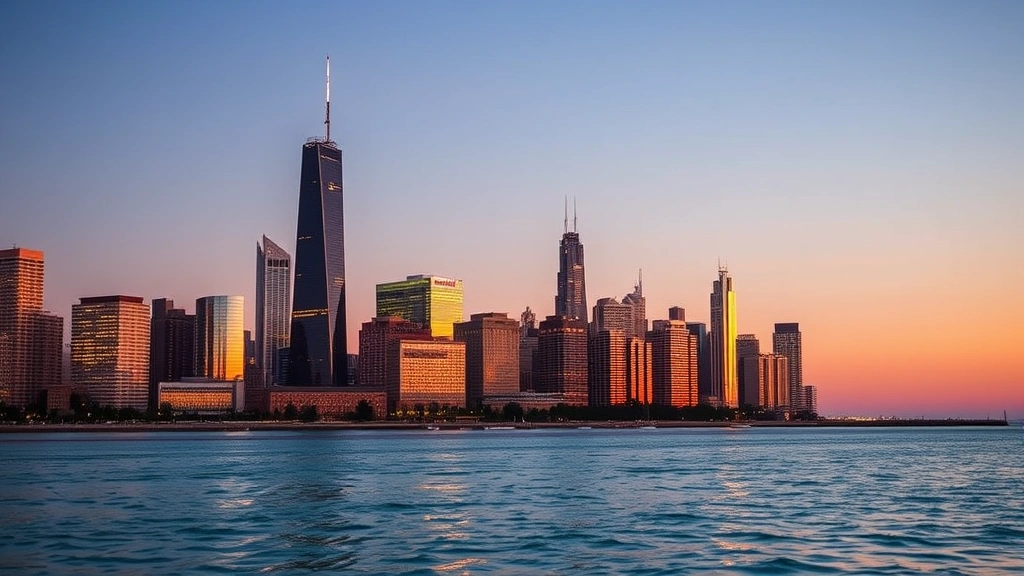
Consider booking accommodation within walking distance of downtown attractions. Chicago’s Loop neighborhood puts you steps from architecture tours, museums, restaurants, and nightlife. Neighborhoods like Wicker Park and Logan Square offer trendy boutiques, coffee shops, and galleries with authentic local character.
Visit the Chicago tourism board website (Choose Chicago) for current events, attraction discounts, and neighborhood guides. The city’s tourism infrastructure rivals any global destination, with comprehensive resources helping first-time visitors navigate efficiently.
Exchange currency or locate ATMs immediately after arrival. Chicago’s downtown areas accept credit cards universally, but smaller establishments and neighborhoods benefit from cash. ATMs are ubiquitous throughout O’Hare and downtown, though airport ATMs charge higher fees—use downtown machines when possible.
Purchase a Ventra card for CTA transit ($5 plus fare value). This reloadable card works on trains and buses throughout Chicago, eliminating the need for individual tickets. The card pays for itself quickly if using public transit multiple times daily.
Making the Most of Your Chicago Stay
Chicago’s attractions span world-class museums, iconic architecture, diverse neighborhoods, and lakefront beauty. The Art Institute of Chicago ranks among North America’s finest museums, housing masterpieces from Impressionist paintings to contemporary installations. Plan at least half a day for this institution, arriving early to beat crowds.
Architecture enthusiasts must experience the Chicago Architecture Foundation’s boat tour, which departs from downtown docks and glides along the Chicago River while guides explain the city’s iconic buildings. This tour provides context for understanding Chicago’s role in American architectural history and showcases structures you’ll recognize from films and photographs.
Navy Pier extends into Lake Michigan, offering restaurants, attractions, and Ferris wheel rides with panoramic city views. The pier operates year-round, though summer months bring crowds and premium pricing. Visit during shoulder seasons for fewer crowds and pleasant weather.
Explore diverse neighborhoods reflecting Chicago’s multicultural character. Chinatown offers authentic restaurants and cultural sites; Pilsen showcases vibrant street art and Mexican heritage; and the Near West Side features innovative restaurants and galleries. Using the Blue Line and bus system, you can experience multiple neighborhoods in a single day.
When comparing Chicago experiences with Atlanta to New York flights and their corresponding destination activities, Chicago offers comparable cultural depth with significantly fewer crowds and more affordable dining and accommodation options.
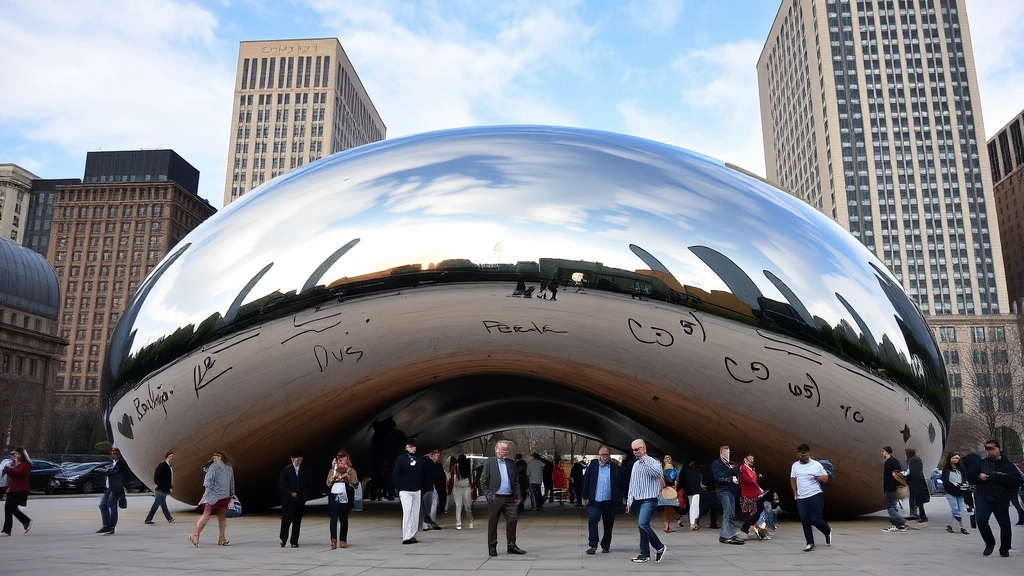
Millennium Park deserves a full morning or afternoon. This 24-acre urban oasis features the iconic Cloud Gate sculpture (“The Bean”), the Jay Pritzker Pavilion with free summer concerts, and beautiful landscaping. Arrive early to secure good Bean photo positions before crowds arrive.
Chicago’s food scene rivals any American city. Deep-dish pizza at establishments like Pequod’s or Giordano’s represents a must-try experience, though authentic Chicago food extends far beyond pizza. Explore the city’s James Beard Award-winning restaurants, food halls, and ethnic neighborhoods for culinary adventures.
Lake Michigan beaches provide summer swimming, though water temperatures remain cool even in August. Oak Street Beach near downtown offers lifeguards and nearby restaurants. Winter visitors should experience Chicago’s holiday decorations and indoor attractions like the Museum of Science and Industry.
For extended stays, consider day trips to nearby destinations. International travelers sometimes compare Chicago to European cities, but the Midwest also offers unique experiences. Galena, Illinois (90 minutes north) provides charming small-town atmosphere, wineries, and hiking. Wisconsin’s Door County (4 hours north) offers coastal scenery, cherry orchards, and outdoor recreation.
Connect with Air France’s travel partners for Chicago activity packages, including museum passes, theater tickets, and restaurant reservations. The airline often negotiates discounts with local businesses, providing value beyond your flight booking.
Before departing Chicago for your return Air France flight, visit the airline’s website to check your return flight status, select your return flight seat if not already completed, and arrange ground transportation to O’Hare with sufficient buffer time. International flights typically require 3-hour pre-departure arrival, so plan accordingly.
FAQ
What is the flight duration for Air France flights to Chicago?
Direct Air France flights from Paris to Chicago typically require 9-10 hours of flight time, depending on wind patterns, routing, and atmospheric conditions. Westbound flights (Paris to Chicago) generally take slightly longer than eastbound return flights due to prevailing jet stream winds.
Can I book connecting flights through Air France to Chicago?
Yes, Air France’s SkyTeam alliance allows connections through partner airlines. If you’re traveling from cities without direct Air France service, you can book connections through Paris, Amsterdam, or other European hubs. However, direct flights provide superior convenience and typically lower total travel time.
What are Air France’s baggage allowances for Chicago flights?
Economy passengers receive one checked bag (up to 23kg/50lbs) and one carry-on bag plus personal item. Premium Economy and above include two checked bags. Checked bags exceeding weight limits incur fees of approximately €15-25 per kilogram. Verify current baggage policies on Air France’s website before traveling, as policies occasionally change.
Is travel insurance recommended for Air France transatlantic flights?
Yes, travel insurance is highly recommended for transatlantic flights. Policies covering trip cancellation, medical emergencies, baggage loss, and flight delays provide valuable protection. Air France offers its own insurance products, but independent travel insurance companies often provide superior coverage at competitive rates.
How far in advance should I book my Air France Chicago flight?
Optimal booking occurs 6-8 weeks before your departure date. However, monitoring prices continuously using alert tools helps you catch sales occurring outside this window. Booking further in advance (12+ weeks) occasionally yields lower fares during promotional periods, while last-minute bookings rarely offer savings on transatlantic routes.
What are the best neighborhoods to stay in when flying Air France to Chicago?
Downtown Chicago’s Loop neighborhood puts you near attractions, dining, and transit. Streeterville offers upscale accommodations near the lake. Wicker Park and Logan Square provide authentic local character with trendy restaurants and galleries. West Loop features innovative restaurants and galleries. Choose based on your interests and budget, but ensure proximity to CTA stations for convenient transportation.
Can I upgrade my Air France Economy ticket after booking?
Yes, Air France allows upgrades after booking through its website, mobile app, or by contacting customer service. Premium Economy and Business upgrades typically cost $200-1000+ depending on route and demand. Bid for upgrades at check-in—if seats remain available, the airline may offer discounted upgrade opportunities to select passengers.