Sun Country Flight Diversion: Pilot Insights & What Travelers Need to Know
Flight diversions are among the most discussed topics in aviation circles, yet many passengers remain uncertain about what triggers them and how airlines like Sun Country handle these situations. Whether due to weather, mechanical issues, or medical emergencies, understanding the mechanics behind a Sun Country flight diversion can help travelers feel more confident and informed during their journeys. This comprehensive guide explores the pilot’s perspective, operational procedures, and practical insights that demystify this common aviation occurrence.
Sun Country Airlines, a Minneapolis-based carrier known for affordable leisure travel, operates flights across North America with a fleet designed for efficiency and reliability. When diversions occur, the airline’s pilots follow strict protocols established by the Federal Aviation Administration (FAA) and their own operational guidelines. These procedures ensure passenger safety remains the paramount concern, even when unexpected circumstances force a change in flight plans.

What Causes Flight Diversions
Flight diversions happen for multiple reasons, and understanding each category helps passengers recognize when diversion is necessary rather than an inconvenience. Weather-related diversions represent the most common scenario, accounting for approximately 40% of all diversions in the United States. Severe thunderstorms, low visibility, wind shear, and winter conditions can make a scheduled airport unsafe for landing. When pilots receive reports of deteriorating conditions ahead, they must decide whether to continue to their destination or divert to an alternate airport.
Mechanical issues constitute another significant category. Modern aircraft like those in Sun Country’s fleet undergo rigorous maintenance schedules, but unexpected mechanical problems can arise during flight. Engine issues, hydraulic system malfunctions, or electrical anomalies might necessitate landing at the nearest suitable airport rather than continuing to the original destination. Pilots receive continuous training to recognize warning signs and respond appropriately.
Medical emergencies aboard aircraft trigger immediate diversions to the nearest airport with adequate medical facilities. A passenger experiencing a heart attack, severe allergic reaction, or other life-threatening condition requires emergency ground medical services that cannot wait for the scheduled landing. These diversions exemplify how best airlines for long flights prioritize human welfare above schedule adherence.
Fuel emergencies, though rare with modern aircraft, can force diversions if unexpected headwinds consume more fuel than anticipated or if an extended holding pattern becomes necessary. Air traffic control delays, security threats, or airport closures round out the remaining diversion causes. Each scenario demands split-second decision-making from experienced flight crews.
Sun Country’s Operational Procedures
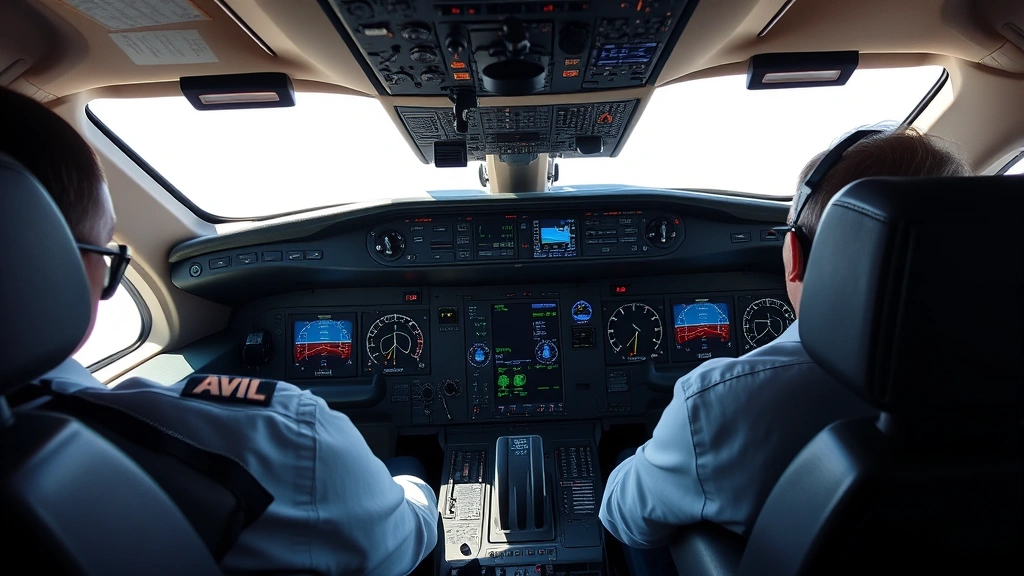
Sun Country Airlines maintains comprehensive protocols for handling diversions, developed through decades of collective pilot experience and FAA compliance standards. When a diversion becomes necessary, the captain—who holds ultimate authority for flight safety—initiates communication with air traffic control to declare the nature of the emergency or issue. This declaration alerts ground personnel to prepare for the aircraft’s arrival and ensures appropriate resources are available.
The airline’s dispatch team, working alongside the flight crew, analyzes available alternate airports considering distance, runway length, weather conditions, and available services. For domestic flights like those on the Chicago to Boston flights route, multiple suitable alternates typically exist within reasonable distance. International or remote routes require more careful planning during the preflight phase.
Communication with passengers becomes critical during diversions. Flight attendants receive notification of the diversion and relay information to passengers as soon as practicable. Transparency about reasons and expected timelines reduces anxiety and helps travelers understand that safety protocols, not operational negligence, drove the decision. Sun Country’s crew training emphasizes clear, reassuring communication during irregular operations.
Ground operations shift into high gear when a diverted aircraft approaches an unscheduled airport. Maintenance personnel, customer service representatives, and operations staff prepare for the aircraft’s arrival. If mechanical issues caused the diversion, maintenance teams conduct thorough inspections before the aircraft can resume flight. Weather-related diversions typically involve shorter ground times, allowing the aircraft to depart once conditions improve.
Passenger accommodations during diversions depend on duration and circumstances. Short diversions lasting a few hours may simply involve waiting in the terminal. Extended diversions require meal vouchers, hotel arrangements, and rebooking on subsequent flights. Sun Country maintains relationships with hotels and ground transportation providers to facilitate these arrangements efficiently.
Pilot Decision-Making Process
Pilots undergo extensive training to develop judgment regarding when diversion becomes necessary. The decision-making framework balances multiple factors: aircraft capability, weather analysis, fuel reserves, passenger condition, and regulatory requirements. Captains receive training in aeronautical decision-making (ADM), a structured approach to evaluating risk and determining appropriate actions.
Weather decisions exemplify the complexity pilots face. A captain reviewing weather radar displays, ATIS (Automated Terminal Information Service) reports, and pilot reports (PIREPs) from other aircraft must determine whether current and forecast conditions at the destination allow safe landing. Modern weather tools provide detailed information, but interpretation requires experience. A pilot might divert based on wind shear reports even if current conditions appear marginal, recognizing that conditions deteriorate rapidly in certain situations.
Mechanical decision-making follows a different logic. Pilots consult quick-reference handbooks and communicate with maintenance control to determine whether a particular malfunction requires immediate landing or can be managed until reaching the destination. A pressurization issue might necessitate diversion to a lower altitude airport, while a minor instrument malfunction might allow continuation with appropriate monitoring.
Medical emergencies demand rapid assessment. Flight attendants provide information about the passenger’s condition, and pilots sometimes consult medical professionals via radio or satellite phone. If the situation appears life-threatening, the nearest airport becomes the destination regardless of distance or inconvenience. Pilots understand that getting emergency medical care to the patient supersedes all other considerations.
Fuel emergencies trigger precise calculations. Pilots maintain awareness of fuel burn rates and continuously update fuel calculations based on actual wind conditions. If calculations indicate insufficient fuel to reach the destination plus required reserves, diversion becomes mandatory. Modern flight planning systems provide alerts, but pilot vigilance remains essential.
Passenger Rights and Compensation
Understanding passenger rights during diversions empowers travelers to advocate for themselves and seek appropriate compensation when warranted. Diversion circumstances determine whether compensation applies. Weather-related diversions typically qualify as extraordinary circumstances beyond the airline’s control, limiting compensation obligations under U.S. Department of Transportation regulations.
Mechanical diversions present different implications. If the mechanical issue resulted from inadequate maintenance, passengers might qualify for compensation under consumer protection regulations. However, if the mechanical issue occurred despite proper maintenance, the airline bears less liability. Each situation requires individual assessment.
Extended diversions lasting beyond a few hours trigger certain passenger care obligations. Airlines must provide meals, refreshments, and accommodations appropriate to the delay length. Passengers also have the right to rebooking on the next available flight to their destination, either with the airline or through other carriers at the airline’s expense.
Passengers traveling on New York to Nashville flights or other routes should document all expenses incurred during diversions, including meals, ground transportation, and hotel charges. Keeping receipts enables passengers to file claims for reimbursement if circumstances warrant.
International diversions involve additional complexity due to different regulatory frameworks. European Union regulations, for instance, provide stronger passenger compensation rights than U.S. regulations. Passengers should research applicable regulations based on their flight’s origin and destination.
Real-World Diversion Scenarios
Examining actual diversion scenarios illustrates how pilots apply decision-making frameworks in real situations. A Sun Country flight from Minneapolis to Denver encountered severe wind shear reports as it approached Denver International Airport during winter. The captain, after consulting with air traffic control and analyzing weather data, decided to divert to Colorado Springs Airport sixty miles south. Wind shear conditions at Colorado Springs proved manageable, allowing safe landing. The aircraft remained on the ground for two hours while Denver’s conditions improved, then continued to Denver with passengers arriving only moderately delayed.
Another scenario involved a medical emergency when a passenger experienced chest pain during a flight to Phoenix. The flight attendants notified the captain, who consulted with a medical professional via satellite phone. Given the severity of symptoms, the captain diverted to the nearest major airport with advanced cardiac care facilities. Emergency medical personnel met the aircraft upon landing, and the passenger received timely treatment. While the diversion caused passenger delays, it potentially saved the passenger’s life.
A mechanical diversion occurred when an engine warning light illuminated during cruise flight. The captain consulted the quick-reference handbook and maintenance control, determining that safe landing at the nearest suitable airport was appropriate. The aircraft diverted to an airport 150 miles away, where maintenance teams discovered a faulty sensor rather than an actual engine problem. The sensor was replaced, and the aircraft resumed flight two hours later.
Weather diversions happen frequently during winter months when rapidly changing conditions create uncertainty. A Sun Country flight heading to Minneapolis encountered deteriorating visibility and snow showers that forecasters hadn’t predicted. The captain, recognizing that conditions would likely worsen further, decided to divert to St. Louis Airport where conditions remained favorable. The aircraft waited out the weather system and continued to Minneapolis the following morning.
How to Prepare for Travel Disruptions
While diversions remain relatively uncommon, savvy travelers prepare for the possibility of flight disruptions. Travel insurance provides valuable protection against unexpected costs associated with diversions and other travel disruptions. Comprehensive policies cover hotel accommodations, meal expenses, and ground transportation during extended delays.
Booking strategies influence vulnerability to disruptions. Connecting flights build in buffer time between connections, reducing the impact of diversions on overall travel plans. Direct flights, while convenient, offer no recovery time if diversions occur. Travelers with tight connections should consider booking flights with longer layovers.
Checking weather forecasts before travel helps passengers anticipate potential disruptions. Severe weather systems often develop days in advance, allowing travelers to monitor conditions. While weather forecasts can’t predict diversions with certainty, awareness helps travelers mentally prepare for possible delays.
Packing carry-on bags strategically ensures passengers have essentials accessible during unexpected ground time. Medications, phone chargers, entertainment, and comfort items make extended delays more manageable. Checked baggage remains inaccessible during diversions, making carry-on preparation crucial.
Maintaining travel flexibility provides peace of mind. Travelers with flexible schedules and open-ended itineraries handle diversions more easily than those with tight connections or fixed appointments. When possible, building extra time into travel plans accommodates unexpected disruptions.
Staying informed during travel matters significantly. Monitoring flight status through the airline’s app or website provides real-time updates. Enabling push notifications ensures passengers receive immediate information about changes. Following the airline’s social media accounts sometimes provides updates faster than official channels.
Understanding the top travel destinations 2025 helps travelers plan around seasonal weather patterns. Destinations known for winter storms or hurricane seasons carry higher disruption risks during those periods. Choosing travel dates outside peak disruption seasons reduces diversion likelihood.
Building relationships with airline customer service representatives through frequent travel helps. Loyal passengers sometimes receive preferential treatment during irregular operations, including priority rebooking and upgraded accommodations. Sun Country’s loyalty program members access dedicated support lines that expedite problem resolution.
Finally, maintaining perspective helps travelers navigate diversions with grace. Pilots and airline staff prioritize safety above all else, and diversions—while inconvenient—represent the system working as designed. Remembering that flight crews face the same disruptions as passengers, often with greater responsibility and stress, fosters understanding and patience.
FAQ
How often do Sun Country flights experience diversions?
Diversion rates vary seasonally and depend on weather patterns, but industry averages suggest approximately 1-2% of flights experience diversions. Sun Country’s rates align with industry standards, indicating reliable operations and effective crew training.
Can passengers refuse to continue flying after a diversion?
Yes, passengers may choose not to continue after a diversion without penalty, though they typically forfeit the remainder of their ticket value. Some airlines offer rebooking options that preserve ticket value if passengers choose alternative arrangements.
What happens to baggage during diversions?
Checked baggage typically remains on the aircraft during diversions and continues to the final destination. Passengers can retrieve baggage at the diversion airport if the delay extends beyond several hours, but most airlines keep baggage aboard for continuity.
Are pilots legally required to divert in certain situations?
Yes, FAA regulations mandate diversions for specific circumstances including medical emergencies, fuel emergencies, and when weather conditions exceed aircraft or pilot limitations. Pilots have authority to declare emergencies and divert as needed for safety.
How do pilots decide which alternate airport to use?
Pilots and dispatchers consider multiple factors: runway length and surface condition, weather conditions, available services (maintenance, medical, fueling), distance from the current route, and air traffic congestion. The alternate airport must safely accommodate the aircraft and provide necessary services.
Can passengers claim compensation for weather-related diversions?
U.S. regulations generally classify weather as an extraordinary circumstance beyond airline control, limiting compensation obligations. However, passengers may claim reimbursement for reasonable expenses incurred during extended diversions, such as meals and accommodations.
What training do Sun Country pilots receive for diversion situations?
Pilots complete initial and recurrent training covering diversion procedures, decision-making frameworks, and regulatory requirements. Simulator training includes various diversion scenarios, allowing pilots to practice responses in controlled environments before encountering real situations.
How long do diversions typically last?
Duration varies widely depending on the diversion cause. Weather diversions might last 1-3 hours while conditions improve. Mechanical diversions could extend several hours or overnight if repairs prove complex. Medical diversions conclude quickly once passengers receive ground care.
Understanding flight diversions transforms them from mysterious disruptions into logical safety procedures. Pilots like those at Sun Country undergo extensive training to make sound decisions when unexpected circumstances arise. Passengers who recognize diversions as evidence of safety systems functioning properly can approach travel with greater confidence. Whether you’re booking underrated places to travel or heading to popular destinations, understanding aviation operations enriches your travel experience and fosters appreciation for the professionals ensuring your safe arrival.