Are Flights Safe? Aviation Expert Insights on Modern Air Travel
Every year, millions of travelers board aircraft with varying degrees of confidence about their safety. The question “Are flights safe?” remains one of the most common concerns for both frequent flyers and occasional travelers. Despite the intense media coverage surrounding aviation incidents, the statistics tell a remarkably reassuring story. Modern commercial aviation has become extraordinarily safe through decades of rigorous engineering, comprehensive regulations, and continuous technological advancement.
Whether you’re planning a getaway to the best travel destinations in Southeast Asia or embarking on a romantic escape to best travel destinations for couples, understanding aviation safety can significantly reduce travel anxiety. This comprehensive guide explores the evidence, expert perspectives, and practical insights that demonstrate why commercial air travel remains one of the safest modes of transportation available today.
Aviation safety isn’t accidental—it’s the result of meticulous oversight, international cooperation, and an unwavering commitment to continuous improvement. From the moment an aircraft rolls off the production line to its final flight, every component undergoes extraordinary scrutiny. This article delves into the mechanisms, statistics, and expert opinions that explain why you can board your flight with confidence.
The Statistics Behind Aviation Safety
The numbers speak louder than any reassurance: commercial aviation is statistically safer than virtually every other form of transportation. According to the Federal Aviation Administration (FAA), the odds of being in a flight crash are approximately 1 in 11 million. To contextualize this staggering statistic, you would need to fly every single day for roughly 30,000 years before statistically experiencing a crash.
In 2023, global commercial aviation recorded zero fatal accidents among major carriers—a testament to the industry’s relentless pursuit of perfection. This achievement represents decades of accumulated safety improvements, technological innovations, and operational excellence. The trend has been consistently positive, with fatal accident rates declining by approximately 50% every fifteen years over the past several decades.
The International Air Transport Association (IATA) reports that the global aviation industry has achieved an impressive safety record with fatality risks decreasing year after year. Modern jet aircraft, particularly those used for long-haul international flights, have established themselves as extraordinarily reliable machines. The redundancy built into every critical system ensures that even in the unlikely event of a single component failure, the aircraft remains safe.
When examining fatal aviation accidents, experts distinguish between general aviation (small private planes) and commercial aviation. Commercial aviation’s safety record far exceeds that of general aviation, which accounts for the majority of aviation fatalities. This distinction is crucial because commercial carriers operate under the most stringent safety regulations and employ the most advanced technology available.
[IMAGE_1]
How Modern Aircraft Are Built for Safety
Modern commercial aircraft represent the pinnacle of engineering excellence, with safety integrated into every aspect of their design. Aircraft manufacturers like Boeing and Airbus employ thousands of engineers dedicated exclusively to safety systems. Every component, from the fuselage to the landing gear, undergoes rigorous testing and certification before installation.
The concept of redundancy is fundamental to aircraft design. Critical systems including hydraulics, electrical power, and flight control systems are duplicated, triplicated, and sometimes quadruplicated. This means that even if multiple systems fail simultaneously—an extraordinarily rare occurrence—backup systems automatically engage to maintain aircraft control and safety. Pilots are trained extensively on these backup systems and can operate the aircraft safely even with significant system failures.
Materials science plays a crucial role in aircraft safety. Modern aircraft are constructed from advanced composite materials and aluminum alloys that are lighter, stronger, and more resistant to fatigue than materials used in earlier generations. These materials undergo accelerated aging tests, corrosion testing, and stress analysis to ensure they maintain their integrity throughout the aircraft’s operational lifespan.
The fuselage of a commercial aircraft is pressurized and sealed with precision engineering that would astound most travelers. Every rivet, every weld, and every joint is inspected using advanced non-destructive testing methods. Should a small crack develop in the fuselage, modern inspection protocols identify it long before it could pose any safety risk. Aircraft undergo comprehensive structural inspections at regular intervals, with more intensive inspections required as aircraft age.
Fire protection systems in modern aircraft are exceptionally advanced. Aircraft compartments are insulated with fire-resistant materials, and detection systems can identify smoke or fire in milliseconds. Suppression systems in cargo holds activate automatically, and flight crews are trained extensively in fire emergency procedures. The materials used throughout the aircraft interior must meet strict flammability standards, and cabin crew conduct regular safety checks.
Regulatory Frameworks and Oversight
Aviation safety operates within a robust regulatory framework established by international agreements and national authorities. The International Civil Aviation Organization (ICAO) sets standards that member nations adopt and enforce. These standards ensure that whether you’re flying from New York to London or connecting through best beaches in the Caribbean, you’re protected by consistent, rigorous safety protocols.
The FAA in the United States, the European Union Aviation Safety Agency (EASA), and similar organizations in other countries conduct continuous oversight of airlines, aircraft manufacturers, and maintenance facilities. These regulatory bodies have the authority to ground aircraft, impose operational restrictions, or revoke certifications if safety standards aren’t met. This regulatory authority is absolute and non-negotiable.
Certification processes are exhaustive and time-consuming. Before a new aircraft model enters service, it undergoes years of testing and evaluation. Manufacturers must demonstrate that their design meets or exceeds all safety requirements through extensive ground testing, flight testing, and operational validation. Only after regulators are completely satisfied that the aircraft meets all safety criteria does certification occur.
Airlines themselves are subject to rigorous certification and continuous surveillance. Regulatory inspectors conduct surprise audits, review maintenance records, observe operations, and interview crew members. Airlines must maintain detailed documentation of every maintenance action, every crew member’s training, and every operational procedure. This documentation is subject to regulatory review and audit.
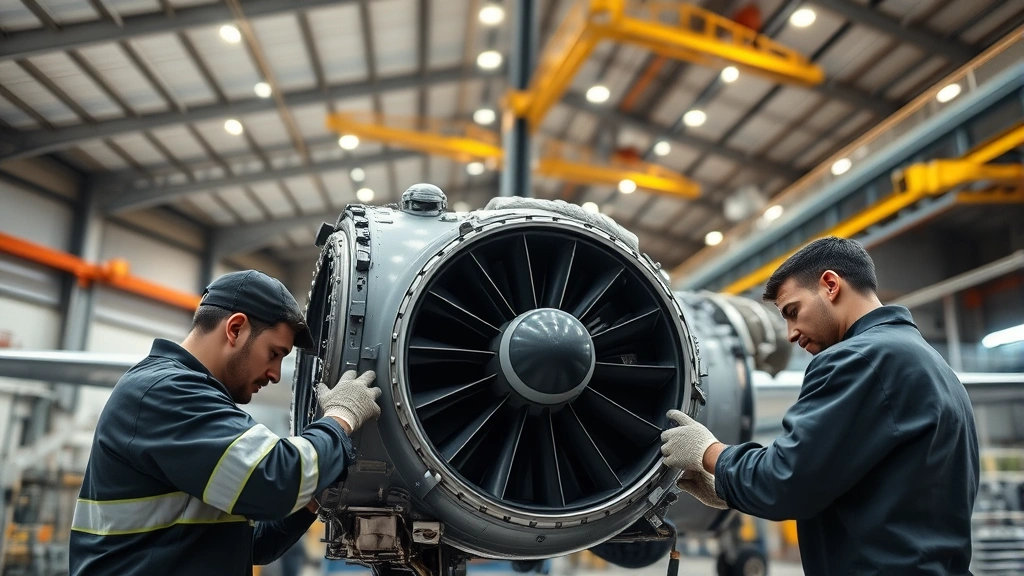
Maintenance standards are particularly stringent. Aircraft undergo scheduled maintenance at regular intervals, with more comprehensive inspections required as flight hours accumulate. Maintenance personnel must be certified and trained, and their work is documented and tracked. Any discrepancies or potential issues are investigated thoroughly before the aircraft returns to service.
Pilot Training and Expertise
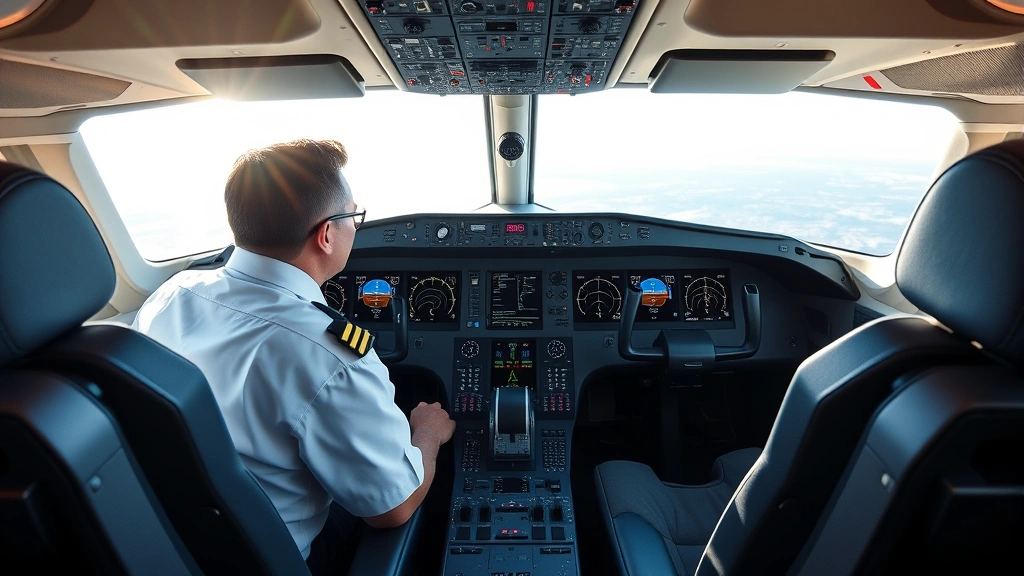
Commercial airline pilots represent some of the most thoroughly trained professionals in any industry. The path to becoming a captain at a major airline typically requires thousands of hours of flight experience, extensive classroom instruction, and continuous training and evaluation throughout their career.
Initial pilot training involves learning the fundamentals of flight, navigation, meteorology, aircraft systems, and emergency procedures. This ground school phase alone requires hundreds of hours of study. Pilots then progress through flight training in increasingly complex aircraft, starting with single-engine planes and advancing to large commercial jets. Each phase includes extensive testing and evaluation.
Simulator training is absolutely critical to pilot development and safety. Modern flight simulators are extraordinarily realistic and expensive, costing millions of dollars each. These simulators can replicate virtually any scenario, including engine failures, severe weather, system malfunctions, and emergency situations. Pilots practice emergency procedures repeatedly in simulators before ever encountering them in actual flight.
Recurrent training is mandatory throughout a pilot’s career. Commercial pilots must complete training and proficiency checks at regular intervals, typically annually. These checks include both simulator sessions and actual flight evaluations. Pilots must demonstrate proficiency in normal operations, emergency procedures, and unusual attitude recovery. If a pilot fails to meet standards, they cannot continue flying.
Crew resource management training has revolutionized aviation safety by emphasizing communication, decision-making, and teamwork. Pilots, flight attendants, and ground personnel are trained to communicate effectively, acknowledge errors, and work together to resolve problems. This team-based approach has proven remarkably effective at preventing accidents that might otherwise result from miscommunication or individual errors.
What Happens After an Incident
The aviation industry’s approach to safety is fundamentally different from many other industries because of how seriously incidents are investigated and analyzed. When any aviation accident or serious incident occurs, international protocols require a thorough, independent investigation. These investigations are conducted by specialized agencies like the National Transportation Safety Board (NTSB) in the United States.
Aviation accident investigations are remarkably thorough and can take months or even years to complete. Investigators examine aircraft wreckage, review maintenance records, analyze weather data, interview crew members and witnesses, and examine every conceivable factor that might have contributed to the incident. The goal is not to assign blame but to identify the root causes and determine what changes might prevent similar incidents in the future.
The results of these investigations are published in detailed reports that are distributed throughout the aviation industry. Airlines, manufacturers, and regulators study these reports carefully and implement changes based on the findings. Every major safety improvement in aviation has resulted from careful analysis of incidents and accidents. The industry has created a culture where incidents are viewed as learning opportunities rather than as events to be hidden or minimized.
Safety recommendations from accident investigations are taken seriously by the entire aviation community. When the NTSB or similar organizations in other countries issue safety recommendations, airlines and manufacturers typically implement them promptly. Regulators may also mandate changes based on investigation findings. This continuous cycle of investigation, analysis, and improvement has been instrumental in aviation’s remarkable safety record.
Comparing Aviation to Other Transportation Methods
When considering whether flights are safe, it’s helpful to compare aviation to other transportation methods. Statistical analysis reveals that commercial aviation is significantly safer than driving, with fatality rates roughly one-tenth those of automobile travel when measured per mile traveled.
The fatality rate for commercial aviation is approximately 0.07 deaths per one billion miles traveled, compared to about 1.1 deaths per billion miles for automobiles. Even when you compare per journey rather than per mile, commercial aviation remains safer. The chance of dying in a car crash over your lifetime is approximately 1 in 101, while the chance of dying in a commercial aviation accident is approximately 1 in 11,000.
If you’re considering alternatives to flying, such as how to plan road trips, understand that road travel carries significantly higher safety risks. Rail travel, particularly high-speed rail systems in developed countries, is also exceptionally safe, though aviation remains competitive in terms of safety statistics.
When evaluating best airlines for long flights, you should know that all major international carriers operate under similarly rigorous safety standards. Whether you choose a carrier based in North America, Europe, Asia, or elsewhere, you’re protected by comprehensive regulatory oversight and safety requirements. The differences between airlines relate more to comfort, service, and amenities than to fundamental safety.
Even alternative transportation methods like best train journeys in Europe are statistically safer than driving, though aviation remains competitive. The key takeaway is that commercial aviation has achieved a level of safety that makes it one of the safest ways to travel long distances.

Practical Safety Tips for Travelers
While commercial aviation is exceptionally safe, there are practical steps you can take to maximize your safety and comfort when flying. Understanding these practices can help reduce travel anxiety and ensure you’re doing everything possible to protect yourself.
Before your flight: Review the safety information card located in your seat pocket. Familiarize yourself with emergency exit locations and the aircraft’s safety features. Listen carefully to the safety demonstration provided by flight attendants, even if you’ve flown many times before. Pay attention to the specific aircraft type and configuration, as these details can vary.
During your flight: Keep your seatbelt fastened throughout the flight, even when the seatbelt sign is turned off. Turbulence can occur unexpectedly, and your seatbelt is your primary protection. Follow all crew member instructions promptly and completely. Flight attendants are trained extensively in safety procedures and emergency response.
Emergency procedures: In the extraordinarily unlikely event of an emergency, remain calm and follow crew instructions. Modern aircraft have multiple redundant safety systems, and crews are extensively trained in emergency procedures. The vast majority of aviation emergencies are resolved safely through proper crew training and aircraft systems. Panic is your only real enemy in an emergency situation.
Choosing airlines: All major international airlines operating in developed countries meet rigorous safety standards. Your choice of airline should be based on factors like schedule, price, and service rather than safety concerns. Airlines with excellent safety records have achieved this through consistent adherence to best practices and continuous improvement.
Medical concerns: If you have health concerns related to flying, discuss them with your physician before your flight. Airlines have procedures for assisting passengers with medical conditions, and flight crews are trained in first aid and emergency medical response. Most commercial aircraft carry medical equipment and oxygen systems.
FAQ
What is the actual risk of dying in a plane crash?
The statistical risk of dying in a commercial aviation accident is approximately 1 in 11 million. This represents an extraordinarily low risk compared to other causes of death and other transportation methods. You would need to fly every single day for approximately 30,000 years before statistically experiencing a fatal crash.
Are newer aircraft safer than older aircraft?
Modern aircraft incorporate the latest safety technologies and design improvements, making them statistically safer than older aircraft. However, older aircraft that continue to operate are maintained to the same rigorous standards as newer aircraft and remain exceptionally safe. Airlines typically retire aircraft when they become economically inefficient rather than when they become unsafe.
Which airlines are safest?
All major commercial airlines operating in developed countries are subject to rigorous safety regulations and oversight. The differences in safety records between major airlines are minimal, and all major carriers maintain excellent safety standards. Your choice of airline should be based on schedule, price, and service rather than safety concerns.
Is turbulence dangerous?
Turbulence is uncomfortable but not dangerous. Modern aircraft are designed to withstand extreme turbulence, and pilots are trained to navigate around severe turbulence when possible. Turbulence has never caused a modern commercial aircraft to crash. Your seatbelt is your primary protection during turbulence—keep it fastened throughout the flight.
What should I do if I’m anxious about flying?
Many people experience flight anxiety despite the statistical safety of aviation. Consider taking a fear of flying course, speaking with a mental health professional, or discussing anti-anxiety medication options with your physician. Understanding the facts about aviation safety, as presented in this article, can also help reduce anxiety by replacing fear with knowledge.
Are budget airlines as safe as full-service airlines?
Budget airlines and full-service airlines operate under the same safety regulations and are subject to the same oversight. The differences between them relate to amenities, service, and pricing rather than safety standards. All commercial airlines must meet identical safety requirements.
What is the safest seat on an airplane?
Statistical analysis of aviation accidents suggests that seats near the rear of the aircraft may have slightly higher survival rates in certain types of accidents. However, modern aircraft safety systems are designed to protect all occupants, and the differences in safety between different seat locations are minimal. Choose your seat based on comfort and convenience preferences.
How often are aircraft inspected?
Commercial aircraft undergo scheduled maintenance at regular intervals, with more comprehensive inspections required as aircraft accumulate flight hours. Daily inspections occur before each flight, detailed inspections occur regularly, and major overhauls occur at specified intervals. The maintenance program for each aircraft type is established by manufacturers and regulators and is strictly adhered to by airlines.