
Direct Flights Chicago-Mexico City? Insider Guide to Your Next Adventure
Planning a getaway from Chicago to Mexico City? You’re in luck. The route between Chicago’s major airports and Mexico’s vibrant capital has become increasingly convenient, with multiple airlines offering direct flight options that can have you exploring ancient pyramids, world-class museums, and incredible street food within hours of takeoff. This guide breaks down everything you need to know about flying direct from Chicago to Mexico City, including which airlines operate these routes, what to expect, and insider tips to make your journey seamless.
Mexico City, officially Ciudad de México, ranks as one of North America’s most dynamic destinations. With over 21 million residents in the metropolitan area, it combines pre-Hispanic heritage, colonial architecture, contemporary art, and culinary excellence. The direct flight option from Chicago eliminates the hassle of connections, making it an ideal choice for weekend warriors and extended explorers alike. Whether you’re seeking cultural immersion or adventure, understanding your flight options is the first step to an unforgettable trip.
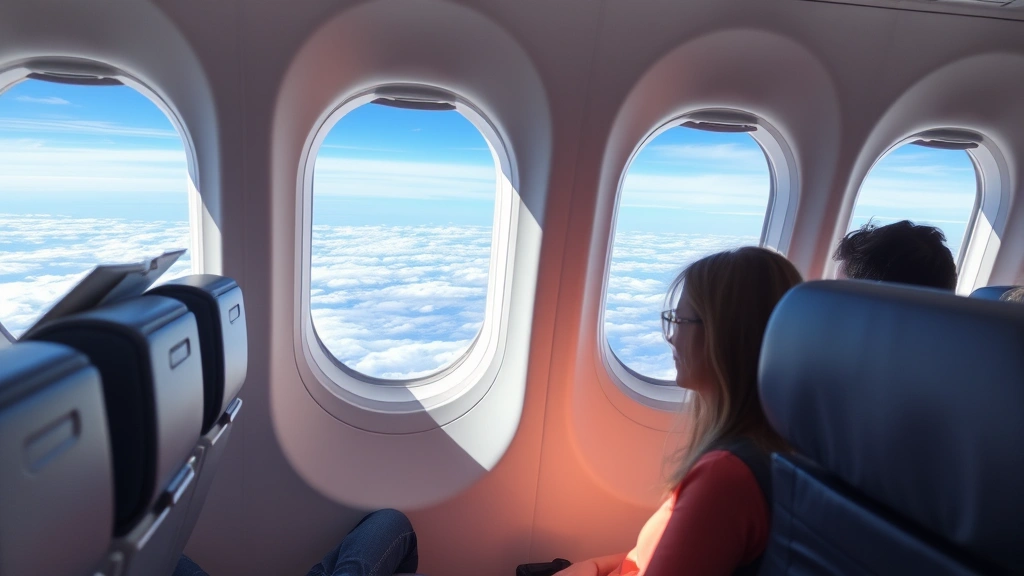
Which Airlines Offer Direct Flights from Chicago to Mexico City
Multiple carriers have recognized the demand for direct service between Chicago and Mexico City, making this route one of the most accessible in North America. United Airlines is the primary operator, offering frequent daily departures from Chicago O’Hare International Airport (ORD) to Mexico City International Airport (MEX). United’s established presence on this route means consistent scheduling and reliability.
American Airlines also operates direct flights on this corridor, particularly during peak travel seasons. Aeromexico, Mexico’s flagship carrier, provides additional options and often features competitive pricing, especially when booking through their website or during promotional periods. These airlines compete actively, which benefits travelers through regular price adjustments and enhanced service offerings.
When comparing airlines, consider factors beyond just price. best airlines for long flights often excel in comfort and amenities. Check baggage policies, seat pitch, in-flight entertainment, and meal services. United’s economy class includes complimentary snacks and beverages, while premium cabin passengers enjoy enhanced dining and comfort features. Aeromexico frequently offers Spanish-language entertainment and Mexican cuisine options.
Frequency matters significantly for travelers with flexible schedules. United typically operates 2-4 daily direct flights, while other carriers may offer 1-2 daily options depending on the season. During summer months and holidays, additional flights are often added to accommodate increased demand.
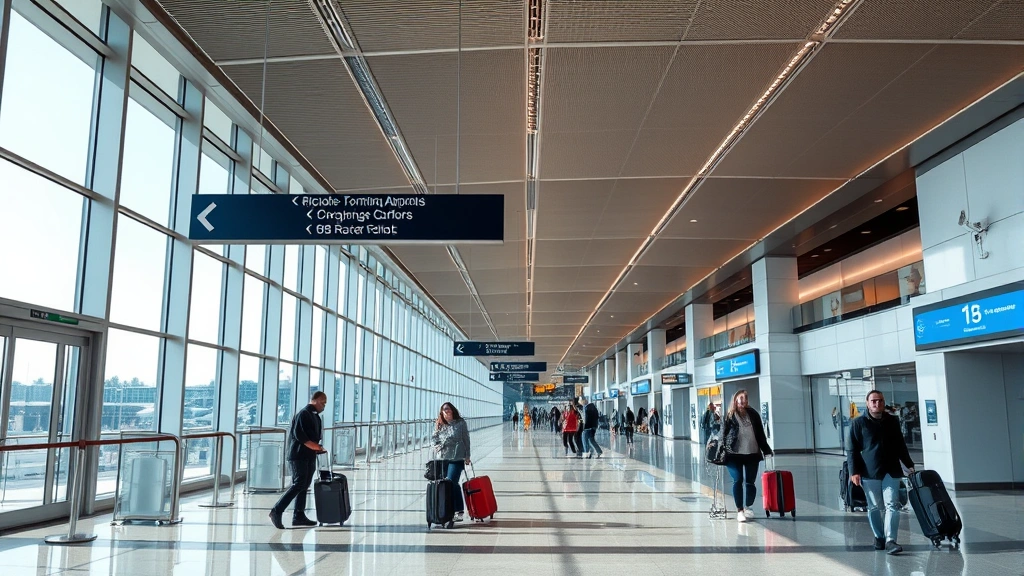
Flight Duration and Schedule Patterns
The flight time from Chicago to Mexico City averages 4 hours and 15 minutes to 4 hours and 45 minutes depending on wind patterns, weather, and air traffic. This relatively short flight duration makes Mexico City an exceptional choice for solo travelers looking to maximize their time exploring without exhausting themselves with lengthy travel.
Most departures from Chicago occur during morning or afternoon hours, with return flights typically departing Mexico City in the late afternoon or evening. This schedule allows travelers to have a full day in Mexico City before flying home. A typical itinerary might involve departing Chicago at 8 AM, arriving in Mexico City by 1 PM local time, and then having 5-6 hours to explore before dinner. Return flights often depart around 5-7 PM, giving you the entire next day to adventure.
Understanding time zones is crucial: Mexico City operates on Central Time, the same as Chicago, which eliminates jet lag concerns. You won’t lose or gain hours, making this route ideal for weekend trips without the disorientation of significant time changes.
Chicago’s Two Major Airports: ORD vs MDW
Chicago offers two primary commercial airports, and understanding the differences helps optimize your travel experience. Chicago O’Hare International Airport (ORD) is the larger hub, located about 18 miles northwest of downtown Chicago. Most direct flights to Mexico City depart from ORD, making it the primary choice for this route. O’Hare handles significantly more international traffic and typically offers more flight options and competitive pricing due to increased competition among carriers.
O’Hare’s terminal infrastructure is modern, with the recent Terminal 2 renovation creating an exceptional international departure experience. Security lines, while occasionally lengthy, move efficiently during most hours. The airport features numerous dining and shopping options, allowing you to spend pre-flight time productively. Ground transportation options include the Blue Line CTA train, which connects directly to downtown Chicago for just $5, making it budget-friendly for those arriving or departing from central locations.
Midway International Airport (MDW), located 10 miles southwest of downtown, primarily handles domestic flights and budget carriers. While some seasonal service to Mexico may appear on aggregator sites, consistent direct service to Mexico City is limited at Midway. However, Midway offers advantages for those on Chicago’s south side: shorter commute times and often less congestion than O’Hare.
For Mexico City flights, O’Hare remains your best bet for frequency, pricing, and convenience. The Blue Line connection to downtown makes getting there straightforward, and the airport’s international terminals are designed for smooth transitions.
Booking Strategies for Maximum Savings
Direct flights command premium pricing compared to connections, but strategic booking can significantly reduce costs. Book in advance: Airfare typically drops 1-3 months before departure. For peak season (December-February, July-August), booking 8-12 weeks ahead secures better rates. For shoulder seasons, 6-8 weeks often suffices.
Be flexible with dates: Tuesday and Wednesday departures from Chicago frequently cost 15-30% less than Friday-Sunday flights. Red-eye departures (late evening/early morning) also offer savings. Consider flying out on a Tuesday evening and returning Wednesday, combining the savings of both legs.
Use price tracking tools: Google Flights, Hopper, and Kayak allow you to monitor fares and receive alerts when prices drop. Set alerts for your desired travel dates and track patterns. Many travelers find that fares drop on Tuesday afternoons, reflecting airlines’ weekly pricing adjustments.
Consider traveling on a budget by comparing airlines directly. Aeromexico’s website sometimes shows lower fares than third-party booking sites. Similarly, United and American occasionally offer flash sales on their apps. Signing up for airline newsletters provides early access to promotional fares.
Leverage points and miles: If you hold airline loyalty status or credit cards with travel points, Mexico City makes an excellent redemption destination. United and American frequent flyer programs value this route at reasonable point levels, especially during off-peak periods. Some premium credit cards offer travel credits that offset flight costs.
Book round-trip instead of one-way: Counterintuitively, round-trip fares from Chicago to Mexico City are often cheaper than one-way tickets. Airlines incentivize round-trip bookings, so always compare the combined cost.
What to Expect During Your Direct Flight
Understanding the in-flight experience helps you prepare appropriately. The 4-4.5 hour flight duration means one meal service on most carriers. United typically offers a hot entrée with beverage service; Aeromexico provides similar service with Mexican-inspired options. Breakfast items appear on early morning flights, while afternoon departures feature lunch or snack boxes.
Seat selection varies by airline and class. Economy seats on these routes measure approximately 17-18 inches wide with 31-32 inches of pitch (legroom). While adequate for most travelers, considering extra leggage seats (typically $15-30) provides additional comfort on a 4+ hour flight. United’s premium economy offers 38 inches of pitch and enhanced amenities for approximately $150-250 more than economy.
In-flight entertainment systems on all three carriers offer movies, television shows, music, and games. Most aircraft feature individual seatback screens with USB ports for device charging. Wi-Fi is available on United and American flights, though pricing applies for non-premium members. Aeromexico increasingly offers complimentary Wi-Fi on newer aircraft.
Cabin humidity on direct flights can be lower than expected; bring a refillable water bottle (fill after security) and moisturizer. The flight departs at high altitude with lower oxygen levels, which some travelers find tiring. Staying hydrated and moving periodically reduces fatigue.
Arrival in Mexico City: Airport Logistics and Ground Transportation
Mexico City International Airport (MEX), officially Benito Juárez International Airport, sits approximately 13 kilometers east of the city center. Modern facilities and clear signage make navigation straightforward for first-time visitors. Immigration and customs procedures typically take 30-60 minutes depending on flight volume and time of day. Afternoon arrivals often experience shorter lines than morning flights.
Ground transportation options abound. Uber operates extensively in Mexico City and offers the most convenient option for most travelers. Rides to central locations (Roma, Condesa, Centro Histórico neighborhoods) typically cost $150-250 pesos ($8-15 USD). The journey takes 30-45 minutes depending on traffic. Open the Uber app before clearing customs, and request your ride immediately upon exiting the airport.
Authorized taxi stands operate outside the terminal. While more expensive than Uber ($300-400 pesos or $16-22 USD), they’re safe and official. Avoid unofficial taxi operators soliciting rides inside the terminal.
Airport shuttles and hotel transfers provide another option, especially if your accommodation includes airport pickup. Many hotels offer this service for $20-40 USD, which may be economical if traveling in groups.
Public transportation via the Metro system exists but requires navigating with luggage during peak hours. The Metro is economical (approximately 5 pesos per ride) but not recommended for travelers with extensive luggage arriving during rush hours.
Best Times to Fly Chicago to Mexico City
Peak season (December-February): Winter months bring Chicago’s coldest weather, making Mexico City’s temperate climate (65-75°F) irresistible. Holiday travel and winter breaks increase demand, pushing prices higher and flights fuller. Book 12+ weeks ahead for best rates.
Summer season (July-August): Hot and humid in Mexico City, but coinciding with Chicago school breaks. Families dominate flights during these months. Prices peak, and flights frequently sell out.
Shoulder seasons (March-May, September-November): The sweet spot for budget travelers. Weather remains excellent, prices moderate, and crowds thin. September-October offers particularly good value as summer rush ends.
Rainy season (June-September): Mexico City experiences afternoon showers, but these rarely last long and don’t significantly impact tourism. Prices dip, and attractions have shorter lines. Pack a lightweight rain jacket.
Consider that underrated times to travel often provide the best value. Traveling in May or early June captures spring weather with significantly lower costs than summer.
Visa Requirements and Documentation for US Citizens
US citizens enjoy visa-free entry to Mexico for tourism. You’ll need a valid passport with at least 6 months validity remaining. The Mexican government issues a Tourist Permit (FMM – Forma Migratoria Múltiple) upon arrival, valid for up to 180 days. This document is provided during immigration processing and must be retained for departure.
No vaccinations are officially required for entry, though the CDC recommends routine vaccinations for all travelers. Travel insurance, while not mandatory, provides valuable protection against unexpected medical expenses or trip cancellations.
Ensure your passport is in good condition before travel. Damaged passports may cause delays. If your passport expires within 6 months, renew it before booking flights.
Return entry to the US: US citizens need a valid passport or passport card. Enhanced Driver’s Licenses (EDL) are not accepted for air travel. Clear your return immigration and customs at the Chicago airport before exiting the secure area.
Currency and customs: Mexico’s currency is the Mexican Peso (MXN). ATMs throughout Mexico City dispense pesos at favorable exchange rates. US dollars are accepted in tourist areas but at unfavorable rates. Declare any currency over $10,000 USD when entering either country. Personal items for tourism purposes face no restrictions.
Check the US State Department travel advisory for Mexico before booking. While Mexico City is generally safe for tourists, staying aware of your surroundings and following local guidance ensures a secure trip.
Frequently Asked Questions
Are there direct flights from Chicago to Mexico City?
Yes, multiple airlines operate direct flights from Chicago O’Hare (ORD) to Mexico City International Airport (MEX). United Airlines, American Airlines, and Aeromexico all offer daily or near-daily direct service on this route, with flight times averaging 4 to 4.5 hours.
How much do direct flights from Chicago to Mexico City typically cost?
Round-trip fares typically range from $300-600 USD during shoulder seasons, $400-800 during peak seasons (winter holidays and summer), and occasionally as low as $250-400 during promotional periods. Booking 8-12 weeks in advance and flying on Tuesdays or Wednesdays yields better prices.
Which airport in Chicago should I use for Mexico City flights?
Chicago O’Hare International Airport (ORD) is the primary hub for direct Mexico City flights. Midway Airport (MDW) offers limited or seasonal service. O’Hare’s size and international focus provide more flight options, competitive pricing, and better ground transportation connections via the Blue Line CTA train.
What time do flights typically depart and arrive?
Most morning departures from Chicago leave between 7-9 AM, arriving in Mexico City by 1-2 PM local time. Afternoon departures typically depart 1-3 PM, arriving 6-7 PM. Return flights from Mexico City usually depart 5-7 PM, arriving in Chicago 10-11 PM.
Do I need a passport to fly to Mexico from Chicago?
Yes, US citizens must present a valid passport with at least 6 months remaining validity. A passport card is not accepted for air travel. You’ll receive a Tourist Permit (FMM) upon arrival, valid for up to 180 days of tourism.
Is Mexico City safe for tourists?
Mexico City is generally safe for tourists who follow basic precautions. Stay in established tourist neighborhoods (Roma, Condesa, Centro Histórico, Polanco), avoid displaying expensive items, use registered taxis or Uber, and stay aware of your surroundings. Check current US State Department travel advisories before booking.
What’s the best time to visit Mexico City from Chicago?
March-May and September-October offer ideal weather, lower prices, and fewer crowds. December-February is peak season with higher costs but perfect weather. June-September sees afternoon rains but significantly reduced prices and shorter attraction lines.
Can I use my US cell phone in Mexico?
Most US cell phones work in Mexico, though international roaming charges apply. Consider purchasing a local SIM card (available at the airport) or activating an international plan with your carrier. Many Mexico City hotels and restaurants offer free Wi-Fi, reducing data dependency.
Explore more travel inspiration on our travel blog for additional destination guides and adventure tips.


