Flight Information Handbook: Essential Tips from Experts
Navigating the world of air travel can feel overwhelming, especially with constantly changing regulations, pricing strategies, and operational procedures. Whether you’re a frequent flyer or planning your first major trip, understanding flight information is crucial to ensuring smooth, stress-free journeys. This comprehensive handbook brings together expert insights and practical knowledge to help you master every aspect of flight booking, preparation, and travel.
Modern air travel involves countless moving parts—from booking algorithms to airport security protocols to in-flight amenities. By educating yourself on how these systems work, you’ll make smarter decisions, avoid common pitfalls, and maximize your travel experience. This guide draws on industry expertise and real-world travel scenarios to provide actionable advice you can use immediately.

Understanding Flight Booking Fundamentals
The foundation of successful air travel begins with understanding how to search, compare, and book flights effectively. Most travelers use online travel agencies or airline websites, but the mechanics behind these platforms reveal important optimization opportunities.
When searching for flights, timing matters significantly. Booking windows vary by route and season—domestic flights are typically cheapest 1-3 months in advance, while international flights benefit from 2-8 months advance planning. However, last-minute deals do exist, particularly for routes with excess inventory. Consider exploring Houston to Atlanta flights or Chicago to Denver flights to understand regional pricing patterns.
Search incognito mode or clear your browser cookies before booking—some travel websites track your searches and may increase prices if they detect repeat visits. Use flight comparison tools to monitor price trends across multiple airlines simultaneously. Set up price alerts for your target routes, allowing you to capitalize on sudden drops.
Direct versus connecting flights involves tradeoffs beyond simple pricing. A direct flight saves time and reduces baggage complications, while connections may offer cheaper fares. When comparing, calculate total travel time including layovers, ground transportation, and potential overnight stays.
Understanding fare classes reveals why identical flights show different prices. Basic Economy, Main Cabin, Premium Cabin, and First Class represent escalating service levels with corresponding costs. Basic Economy typically includes minimal amenities, while higher classes provide seat selection, priority boarding, and baggage allowances. Choose based on your actual needs rather than defaults.
Decoding Airfare and Pricing Strategies
Airline pricing employs sophisticated algorithms considering demand, competitor pricing, fuel costs, and historical booking patterns. Learning to read these signals helps you time purchases strategically.
Several factors influence why flights are expensive right now. Seasonal demand peaks—summer school breaks, holiday periods, and spring break—drive prices upward. Weather-related disruptions reduce available flights, compressing supply. Fuel prices fluctuate based on global markets, directly impacting airline costs. Route popularity matters; flights to popular destinations cost more than equivalent-distance flights to less-visited locations.
Airline revenue management teams adjust prices dynamically, sometimes changing fares multiple times daily. Tuesday and Wednesday typically offer better prices as airlines adjust inventory after weekend bookings. Flying mid-week generally costs less than weekend flights on the same route. Early morning and late evening departures often undercut peak-hour pricing.
Flexibility drives significant savings. Adjusting your travel dates by even one day can reveal substantial price differences. Flying on holiday eves or days after major holidays sometimes offers surprising deals as demand patterns shift. Consider flying into alternative airports—many metropolitan areas have multiple options with varying price points and congestion levels.
Incognito browsing and cookie management prevent dynamic pricing adjustments. Some travelers use VPN services to check international pricing, as airlines sometimes offer region-specific rates. While not illegal, this practice exists in a gray area—use caution and understand your jurisdiction’s regulations.
Understanding baggage fees prevents unpleasant surprises. Most airlines charge for checked bags beyond the first or second; carry-on policies vary by airline and fare class. International carriers often provide more generous baggage allowances than domestic carriers. Review your specific airline’s policies before finalizing bookings.
Pre-Flight Preparation Essentials
Proper preparation transforms flights from stressful ordeals into manageable experiences. Begin preparation at least two weeks before departure, allowing time for document verification and itinerary adjustments.
Document verification ranks as the most critical pre-flight task. Ensure your passport is valid for at least six months beyond your return date—many countries enforce this requirement strictly. Check visa requirements for your destination, as visa acquisition can take weeks or months. Verify that your name matches exactly on your airline booking and identification documents; discrepancies can prevent boarding.
Download your airline’s mobile app to access boarding passes, check-in, and real-time flight status updates. Most airlines allow mobile check-in 24 hours before departure, enabling you to secure preferred seating and avoid airport check-in lines. Save your confirmation numbers and know your airline’s customer service phone number for emergencies.
Packing strategy affects your airport experience significantly. Prepare carry-on luggage strategically—place liquids in compliant containers, keep electronics easily accessible, and organize documents for quick retrieval. Wear slip-on shoes and minimal jewelry to expedite security screening. Know your airline’s carry-on size and weight limits to avoid gate-check surprises.
For long-haul flights, invest in comfort essentials. A quality travel pillow for long flights provides crucial neck support. Compression socks reduce deep vein thrombosis risk on extended flights. Noise-canceling headphones create a peaceful cabin environment. Moisturizer and lip balm combat cabin air dryness.
Plan your airport arrival carefully. Domestic flights recommend arriving 2 hours early; international flights require 3 hours. During peak travel periods, add additional buffer time. Research your airport’s layout beforehand—knowing where security, gates, and amenities are located reduces stress considerably.
Airport Navigation and Security
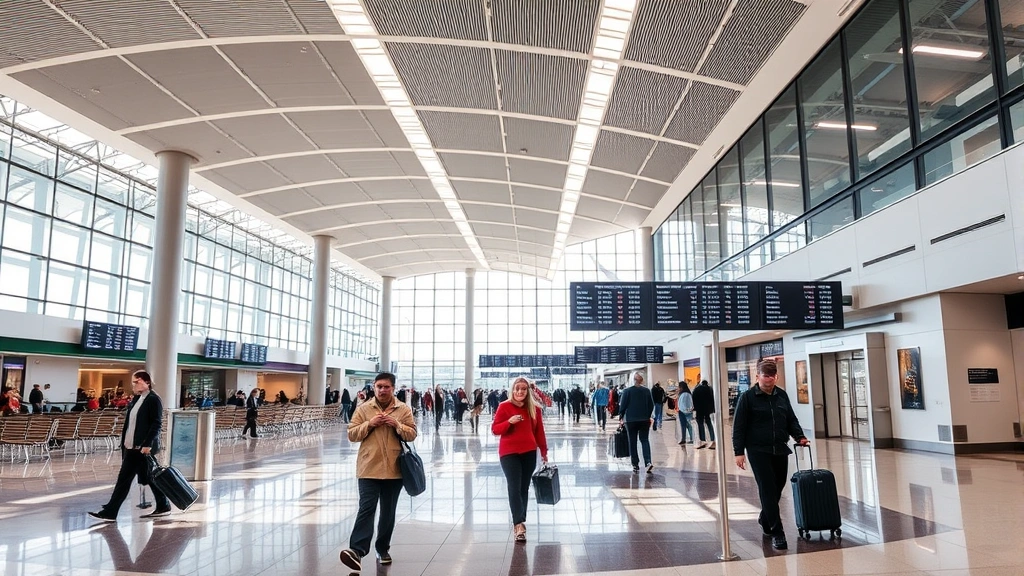
Modern airports are complex ecosystems requiring strategic navigation. Understanding security procedures, terminal layouts, and operational patterns helps you move efficiently through the airport.
TSA PreCheck and similar programs in other countries significantly accelerate security screening. Members pass through expedited lanes, keep shoes and light jackets on, and leave laptops in bags. The $85 five-year investment pays dividends through time savings and reduced stress on frequent routes like SFO to NYC flights.
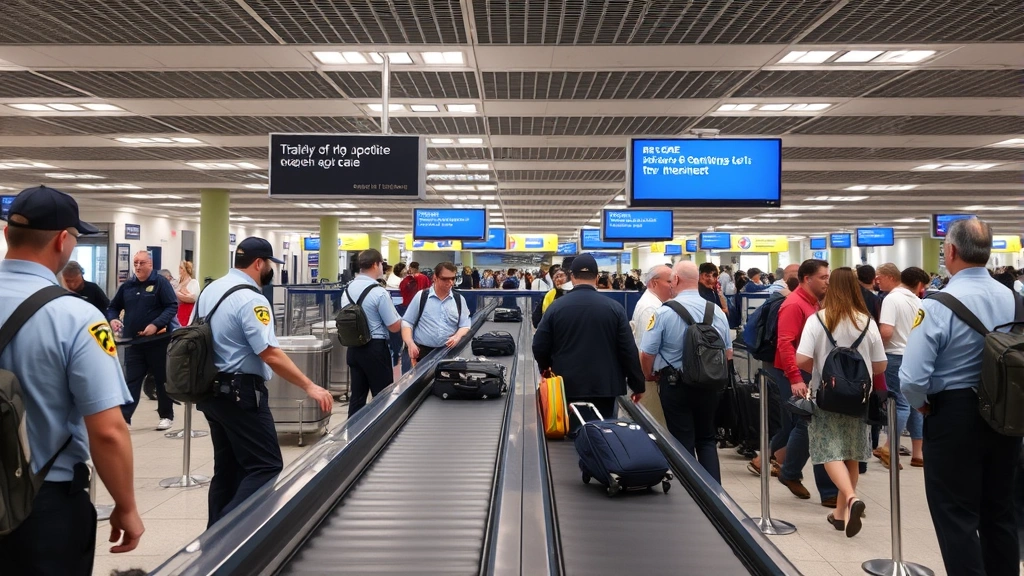
Security screening rules require current knowledge. Liquids must be 3.4 ounces or smaller in clear containers within a quart-sized bag. Electronics larger than a smartphone require removal and separate screening. Remove laptops from bags; tablets may stay inside. Shoes, belts, and jackets go through the scanner. Gels, pastes, and aerosols count as liquids. Medications and medical equipment have specific allowances—research your items beforehand.
Arrive at security with ample time—peak hours (5-7 AM and 3-5 PM) experience significantly longer wait times. Have your ID and boarding pass ready before reaching the agent. Remove your ID from your wallet for faster verification. Keep your boarding pass accessible throughout the airport, as you’ll need it multiple times.
Gate changes happen frequently, especially during busy travel periods. Monitor the airport’s flight information display system and your airline app for updates. Arriving early at your gate ensures you’re present for announcements and changes. During boarding, listen carefully to instructions—many travelers miss important information about seat assignments or connections.
International travel involves additional considerations. Ensure you’ve cleared customs and immigration procedures for your destination. Some countries require pre-arrival documentation or declarations. Understand duty-free regulations to avoid bringing prohibited items through customs. Know your home country’s customs allowances to plan duty-free shopping strategically.
In-Flight Comfort and Wellness
Extended time in aircraft cabins presents unique physiological challenges. Understanding in-flight wellness strategies preserves your health and arrival energy levels.
Cabin pressure and humidity levels create dehydration conditions unique to air travel. Drink water consistently throughout your flight—aim for 8 ounces every hour. Avoid alcohol and excessive caffeine, which increase dehydration. Bring a reusable water bottle to fill after security screening, ensuring continuous hydration access.
Movement prevents blood clots and muscle stiffness during long flights. Stand and walk the aisles every 2-3 hours. Perform seated stretches at your seat—ankle circles, leg lifts, and torso twists maintain circulation. Compression socks provide additional deep vein thrombosis prevention during extended flights. Aisle seats offer easier bathroom and walking access for those with mobility concerns.
Sleep optimization requires strategic planning. Adjust your sleep schedule days before departure to align with your destination’s time zone. Use window seats and travel pillows to create comfortable sleeping positions. Eye masks block cabin light; earplugs or noise-canceling headphones minimize disruptions. Some travelers use melatonin supplements—consult your healthcare provider about appropriate dosing for your flight duration.
Cabin air quality affects comfort significantly. Modern aircraft exchange cabin air every 2-3 minutes and use HEPA filters comparable to hospital-grade systems. However, dry cabin air still causes discomfort. Use moisturizing lotions, saline nasal spray, and eye drops to combat dryness. Avoid sitting directly under air vents, which intensify drying effects.
Meal timing and nutrition impact post-flight recovery. Eat light, nutritious meals rather than heavy airport food. Request special meals in advance if you have dietary requirements—vegetarian, vegan, kosher, and halal options are available on most airlines. Avoid excessive snacking, which disrupts sleep patterns and digestion.
Managing Flight Disruptions and Changes
Despite careful planning, flight disruptions happen. Understanding your rights and options during delays, cancellations, and diversions minimizes frustration and maximizes compensation opportunities.
Flight delays have multiple causes—weather, mechanical issues, crew scheduling, air traffic congestion, and security incidents. Know the distinction between delays within and outside airline control. Airlines must accommodate passengers during weather delays but bear no compensation obligation. Mechanical delays fall under airline responsibility, triggering potential compensation eligibility under U.S. Department of Transportation regulations. EU261 and similar international regulations provide passenger protections exceeding U.S. standards.
When delays occur, contact your airline immediately. Ask about rebooking options, meal vouchers, hotel accommodations for overnight delays, and ground transportation. Document all expenses and communications for potential reimbursement claims. Request written confirmation of delay reasons, as this documentation supports compensation claims.
Cancellations require immediate action. Airlines must rebook you on the next available flight to your destination at no additional cost. If no flights are available within 24 hours, you’re entitled to accommodation and meals. Understand your options—accepting rebooking, requesting refunds, or exploring alternative airlines. Flight diversions like American Airlines Flight AA292 diverted to Rome illustrate unexpected disruptions requiring passenger flexibility and airline support.
Overbooking happens when airlines sell more seats than available. If you volunteer to take a later flight, you receive compensation—typically travel vouchers or cash. Involuntary bumping triggers substantial compensation requirements. Understand your rights and negotiate firmly if bumped.
Travel insurance provides crucial disruption protection. Comprehensive policies cover cancellation losses, unexpected trip extensions, medical emergencies, and baggage issues. For expensive tickets or important trips, insurance costs justify themselves quickly. Review policy details carefully, noting exclusions and claim procedures.
Maximizing Loyalty Programs and Rewards
Airline loyalty programs transform frequent flying into valuable benefits. Understanding program mechanics maximizes your earning and redemption potential.
Most major airlines offer three-tier loyalty structures—basic free membership, silver/gold elite status, and platinum/diamond premium status. Elite status provides benefits including priority boarding, free seat upgrades, lounge access, and bonus mile earning rates. Calculating whether elite status benefits justify the required spending helps you decide between airlines.
Miles accumulate through flights, credit card spending, hotel stays, car rentals, and shopping partners. Strategic credit card selection multiplies earning rates dramatically. Premium airline credit cards offer 50,000-75,000 sign-up bonus miles, often equaling free round-trip flights. Annual fees range from $95-$450, but elite benefits and annual mile bonuses frequently offset costs for regular flyers.
Redemption strategies determine your miles’ true value. Booking premium cabin flights during peak season maximizes value per mile. Off-peak bookings sometimes offer better value per mile despite lower cash fares. Transferring miles to airline partners occasionally yields better redemption opportunities than direct bookings.
Award availability varies significantly by route, season, and airline. Book premium cabin awards far in advance—12 months or more for popular routes. Economy awards become available closer to departure dates as airlines adjust seat inventories. Flexibility with travel dates and times dramatically improves award availability.
Understand airline partnerships and alliances. Star Alliance, OneWorld, and SkyTeam operate shared frequent flyer programs allowing miles earning and redemption across member airlines. Partnership understanding enables creative routing using miles across airline networks.
FAQ
What’s the best time to book flights?
Domestic flights are typically cheapest 1-3 months in advance, while international flights benefit from 2-8 months advance planning. Tuesday and Wednesday typically offer better pricing than weekend flights. However, last-minute deals occasionally appear for routes with excess inventory—flexibility increases savings opportunities.
How can I find the cheapest flights?
Use flight comparison tools across multiple websites, set up price alerts, browse in incognito mode, and remain flexible with dates and airports. Consider alternative airports near major cities, as they often offer lower fares. Off-peak travel times and mid-week flights consistently cost less than peak periods.
What documents do I need for international flights?
At minimum, you need a valid passport—check that it won’t expire within six months of your return date. Many destinations require visas; verify requirements well in advance. Some countries require return tickets and proof of accommodation. Check destination-specific requirements from official government sources.
How early should I arrive at the airport?
Arrive 2 hours before domestic flights and 3 hours before international flights. During peak travel periods, add additional buffer time. TSA PreCheck members can often arrive 30 minutes earlier than general passengers due to expedited screening.
What’s included in basic economy fares?
Basic economy typically includes a single carry-on bag and a personal item, but checked bags often require payment. Seat selection, priority boarding, and other amenities may be excluded or cost extra. Review your specific airline’s basic economy terms before booking.
How do I prevent deep vein thrombosis on long flights?
Move regularly—stand and walk every 2-3 hours. Perform seated stretches including ankle circles, leg lifts, and torso twists. Wear compression socks during flights. Stay hydrated by drinking water consistently. Avoid alcohol and excessive caffeine, which increase dehydration risk. Consult your healthcare provider if you have specific risk factors.
What compensation am I entitled to for flight delays?
U.S. Department of Transportation regulations provide protections for certain delays within airline control. EU261 and similar international regulations offer more generous compensation, including monetary payments for delays exceeding specific thresholds. Compensation eligibility depends on flight length, delay duration, and delay cause. Document all expenses and communications for reimbursement claims.
Can I bring my own food on flights?
Yes, solid foods are generally permitted through security and on flights. Liquids and gels including peanut butter, yogurt, and jams must comply with 3.4-ounce liquid restrictions. Bringing your own snacks saves money and ensures dietary compliance. Most airlines provide complimentary snacks and beverages, with more extensive service on longer flights.