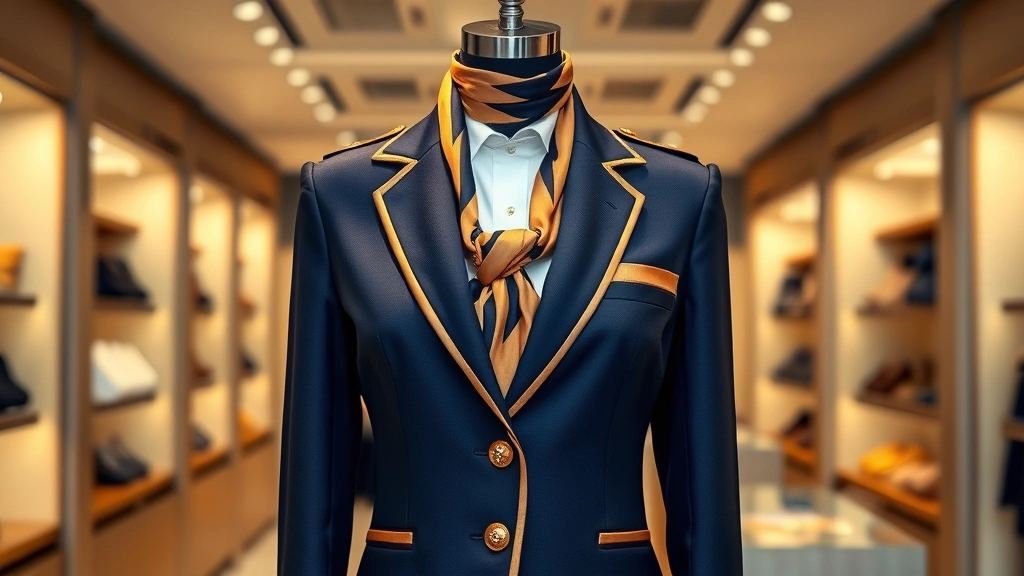
The flight attendant uniform has long been a symbol of elegance, professionalism, and the golden age of travel. From the crisp navy blazers adorned with golden wings to the perfectly tailored skirts and scarves, these garments represent far more than just a dress code—they embody the spirit of aviation and hospitality. As a fashion expert who has spent years analyzing the evolution of uniform design, I find the flight attendant uniform to be one of the most fascinating intersections of style, function, and cultural significance in the fashion world. Whether you’re a travel enthusiast planning your next adventure via flights from Orlando to Houston or simply captivated by aviation aesthetics, understanding these iconic uniforms offers insight into how fashion shapes our travel experiences.
The flight attendant uniform has undergone remarkable transformations since the earliest days of commercial aviation. What began as practical, functional attire has evolved into carefully curated fashion statements that reflect each airline’s brand identity and values. Today’s uniforms represent a delicate balance between comfort, safety, style, and cultural representation. The journey of the flight attendant uniform tells us much about the evolution of the aviation industry itself, the changing roles of flight attendants, and society’s shifting attitudes toward professional dress and gender representation in the workplace.
The Golden Age of Aviation Uniforms
When commercial aviation took flight in the 1930s and 1940s, the flight attendant uniform established itself as a beacon of sophistication and glamour. Early stewardesses, as they were called, wore tailored suits with fitted jackets, pencil skirts, and elegant accessories that rivaled high fashion runways. These uniforms weren’t simply about looking good; they were carefully designed to project confidence, professionalism, and trustworthiness to passengers who were still nervous about flying.
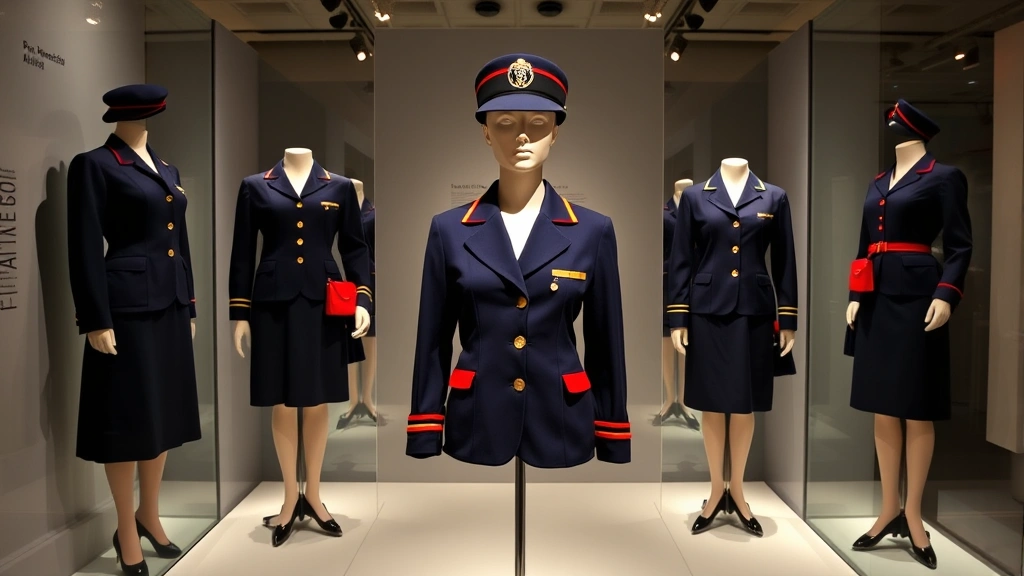
The iconic Pan American Airways uniform of the 1960s exemplifies this era perfectly. Designed with meticulous attention to detail, these uniforms featured perfectly pressed navy or white jackets with golden buttons, complemented by matching skirts and distinctive pillbox hats. The hat, in particular, became synonymous with air travel elegance. Flight attendants wore these uniforms with pride, understanding that they were ambassadors of their airlines and representatives of the modern, jet-setting lifestyle that air travel represented.
During this golden age, the flight attendant uniform served multiple purposes beyond mere dress code compliance. It was a tool of marketing, a symbol of luxury, and a representation of the airline’s commitment to quality service. Airlines invested heavily in uniform design, often collaborating with renowned fashion designers to create looks that would make their brand instantly recognizable. The uniform became so iconic that it influenced mainstream fashion, with department stores selling similar styles to the public and young women aspiring to wear these prestigious garments.
Modern Design and Functionality
Today’s flight attendant uniforms represent a sophisticated evolution that prioritizes both style and practicality. Modern uniform design must account for the demanding physical nature of the job—flight attendants navigate narrow aisles, lift heavy luggage, and work in pressurized cabins where temperature and humidity vary dramatically. Contemporary uniforms incorporate advanced fabrics that resist wrinkles, stains, and odors while maintaining their polished appearance throughout multi-leg journeys.
The modern flight attendant uniform typically includes several key components: a structured jacket or blazer, tailored trousers or skirts, a coordinating blouse or shirt, and professional accessories. High-quality materials like polyester blends, wool-blend fabrics, and technical textiles ensure durability and ease of care. Many airlines now offer both traditional and contemporary silhouettes, recognizing that not all flight attendants feel comfortable in restrictive clothing after hours of physical labor.
Functional elements have become increasingly important in modern uniform design. Pockets for essential items, reinforced seams for durability, and ergonomic cuts that allow full range of motion are now standard considerations. Some airlines have introduced stretch fabrics and updated construction techniques that provide comfort without sacrificing the polished appearance that passengers expect. The shift toward more practical designs reflects a broader industry acknowledgment that flight attendants are skilled professionals performing a physically demanding job, not merely decorative elements of the flying experience.
When you’re planning travel on Dallas to Denver flights or any route, you’ll notice that the flight attendants you encounter are wearing uniforms designed with these modern considerations in mind. The polish and professionalism remain, but the functionality ensures they can perform their safety-critical duties effectively.
Brand Identity Through Uniform Design
In the highly competitive airline industry, the flight attendant uniform serves as a powerful branding tool. Airlines spend millions developing uniforms that instantly communicate their brand values, market positioning, and service philosophy. A passenger boarding a plane should immediately recognize the airline based on the uniforms worn by crew members, and the uniform should evoke the emotional response the airline wants associated with its brand.
Consider how different airlines use color psychology in their uniform choices. Traditional carriers often opt for navy, black, or burgundy to convey stability, trust, and professionalism. Budget airlines might choose brighter colors to project energy and accessibility. Premium carriers select rich fabrics and refined designs to justify higher ticket prices and signal luxury service. Every choice—from the shade of blue to the style of the blazer—is calculated to reinforce the airline’s market position and brand promise.
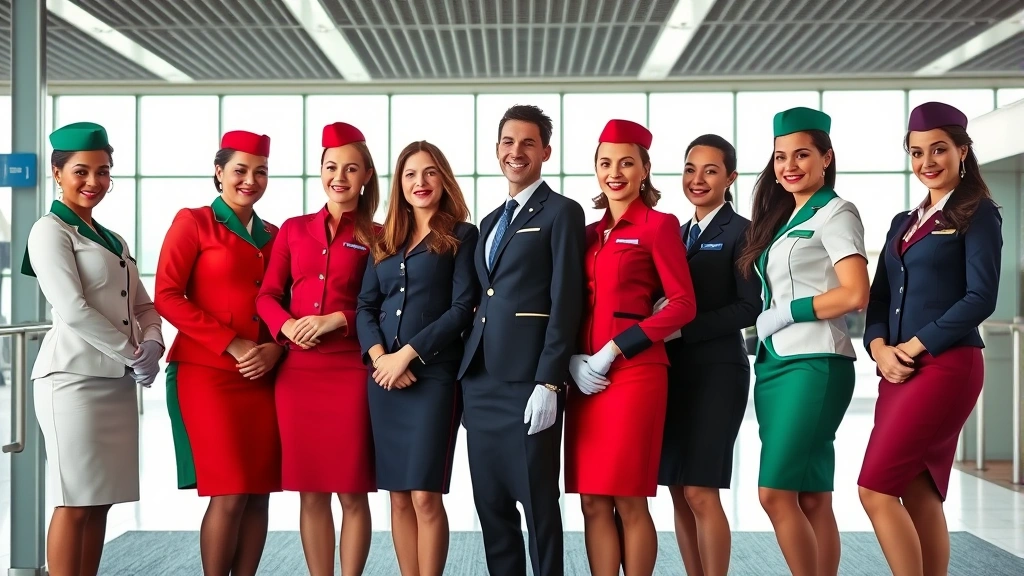
The uniform also communicates an airline’s values and corporate culture. Airlines that prioritize diversity and inclusion showcase this through uniforms that offer multiple silhouettes, modest options for various religious preferences, and gender-neutral choices. The uniform becomes a statement about the airline’s commitment to representing the diverse passengers and employees it serves. This evolution reflects broader societal changes and the recognition that professional dress should accommodate all body types and personal preferences.
Accessories and details further enhance brand identity. Scarves, pins, jewelry, and even the style of grooming standards communicate sophistication and attention to detail. Some airlines maintain strict traditional codes, while others have relaxed requirements, allowing crew members more personal expression. These choices tell passengers something fundamental about each airline’s personality and approach to customer service.
Gender Representation and Inclusivity
The history of the flight attendant uniform is inextricably linked to gender representation and evolving workplace dynamics. In aviation’s early days, the role was exclusively female, and uniforms were designed to emphasize femininity and glamour. Stewardesses were selected not only for their service skills but also for their appearance, with strict requirements regarding height, weight, age, and marital status. The uniform reinforced these gender norms, featuring skirts, makeup requirements, and styling standards that modern perspectives recognize as unnecessarily restrictive.
The transformation toward more inclusive uniform policies has been gradual but significant. Today, major airlines offer trousers as standard options for all crew members, recognizing that skirts are not inherently more professional than pants. Some airlines have eliminated makeup requirements or made them optional. Gender-neutral uniform options are increasingly available, acknowledging that not all flight attendants identify within traditional gender categories. These changes represent a fundamental shift in how the industry views professionalism and what constitutes an appropriate uniform.
Modern uniform design also accounts for the physical realities of the job that early uniform designers never considered. Flight attendants perform safety demonstrations, assist passengers with luggage, and navigate emergency situations. Uniforms that restrict movement or require constant adjustment impede their ability to perform these critical functions effectively. Contemporary designs prioritize functionality for all body types and mobility needs, recognizing that a truly professional uniform enables the wearer to do their job excellently.
The push for inclusivity extends to cultural representation as well. Some airlines now offer modest uniform options, including longer skirts and covered sleeves, accommodating flight attendants from various cultural and religious backgrounds. This evolution demonstrates how fashion and professional dress can be adapted to respect diversity while maintaining brand identity and professional standards. If you’re exploring careers in aviation or curious about industry standards, understanding the Delta flight attendant pay and benefits can provide insight into the professionalization of the role.
Iconic Airlines and Their Signature Looks
Certain airlines have created uniforms so distinctive and memorable that they’ve transcended aviation to become fashion icons recognized worldwide. These signature looks have influenced not only the airline industry but also mainstream fashion, inspiring designers and capturing the imagination of the public.
Lufthansa has maintained a reputation for sophisticated, minimalist design. Their uniforms feature clean lines, premium fabrics, and a timeless aesthetic that has remained relatively consistent while evolving with contemporary fashion trends. The Lufthansa look conveys German precision and quality, reinforcing the airline’s brand positioning.
Singapore Airlines is famous for the sarong kebaya, a traditional Malaysian garment adapted as their flight attendant uniform. This uniform celebrates cultural heritage while maintaining modern professional standards, creating a look that’s instantly recognizable and deeply connected to the airline’s Asian identity. The sarong kebaya demonstrates how airlines can honor cultural traditions while projecting sophisticated professionalism.
British Airways has evolved through several iconic uniform designs, most recently collaborating with renowned designer Martin Pugh. Their current uniform features a tailored jacket with distinctive patterns and colors that immediately signal British Airways’ brand. The uniform balances tradition with contemporary style, appealing to both loyal customers and modern travelers.
Emirates showcases luxury through their uniform design, featuring gold-trimmed jackets, elegant accessories, and an overall aesthetic that matches their positioning as a premium carrier. The uniform conveys opulence and attention to detail, preparing passengers for the high-touch service they’ll experience aboard.
These iconic uniforms have become so culturally significant that they appear in fashion exhibitions, inspire Halloween costumes, and feature in vintage fashion collections. They represent the intersection of professional necessity and high fashion, demonstrating how functional workwear can achieve artistic and cultural significance.
The Fashion Forward Future
The future of flight attendant uniform design will likely emphasize sustainability, technology integration, and continued inclusivity. Airlines are increasingly aware of their environmental impact and are exploring sustainable fabrics, ethical manufacturing practices, and uniform longevity. A well-designed uniform that lasts longer and requires less frequent replacement reduces environmental impact while maintaining professional standards.
Technology is beginning to influence uniform design in subtle but significant ways. Some airlines are experimenting with smart fabrics that regulate temperature, antimicrobial materials that reduce the need for frequent washing, and innovative construction techniques that enhance durability. These technological advances represent the next evolution in balancing style, function, and sustainability.
As travel continues to evolve—whether you’re booking Denver to Miami flights or exploring best travel destinations in Southeast Asia—the flight attendant uniform will continue to adapt. The role itself is transforming, with flight attendants increasingly recognized as safety professionals rather than service personnel. Future uniforms will likely reflect this evolution, emphasizing functionality and authority while maintaining the elegance and style that has always characterized aviation fashion.
The continued emphasis on diversity and inclusion will drive uniform innovation. More airlines will offer expanded size ranges, multiple silhouettes, and styling options that accommodate different body types, abilities, and personal preferences. This evolution benefits both crew members, who feel more comfortable and confident in their uniforms, and passengers, who encounter a workforce that reflects the diversity of the world they’re traveling through.
Airlines may also explore more sustainable sourcing and production methods, responding to passenger concerns about environmental impact. The luxury and prestige associated with airline uniforms could extend to their production ethics, with airlines emphasizing fair labor practices and sustainable materials as part of their brand identity. A flight attendant in a uniform made from recycled ocean plastic or organic cotton communicates an airline’s commitment to environmental responsibility.
The flight attendant uniform will undoubtedly continue to be a canvas for expressing airline identity, professional standards, and cultural values. As fashion, technology, and social consciousness evolve, so too will these iconic garments. The uniform remains a powerful symbol of the aviation industry—a tangible connection between the romance of travel and the professional expertise required to make it possible.
Whether you’re a frequent flyer exploring options like best beaches in the Caribbean or simply fascinated by fashion history, the flight attendant uniform deserves recognition as one of the most evolved and meaningful professional garments in modern fashion. It represents the intersection of art and function, tradition and innovation, and aspiration and professionalism. The next time you board a flight, take a moment to appreciate the thought, design expertise, and cultural significance embodied in the uniform worn by the crew members who ensure your safe and comfortable journey.
FAQ
What are the key components of a modern flight attendant uniform?
Modern flight attendant uniforms typically include a structured jacket or blazer, tailored trousers or skirts, a coordinating blouse or shirt, professional accessories like scarves or pins, and closed-toe professional shoes. Many airlines now offer both traditional and contemporary silhouettes, with options for different body types and personal preferences. The specific components vary by airline and may include additional items like hats, cardigans, or specialty scarves.
How have flight attendant uniforms changed over time?
Flight attendant uniforms have evolved from the glamorous, restrictive designs of the golden age of aviation to modern, functional garments that prioritize both style and practicality. Early uniforms emphasized femininity and glamour, while contemporary designs focus on comfort, safety functionality, and inclusivity. Modern uniforms incorporate advanced fabrics, offer multiple silhouettes, and accommodate diverse body types and cultural preferences.
Why do airlines invest so much in uniform design?
Airlines view uniform design as a crucial branding tool and investment in their corporate identity. A well-designed uniform communicates brand values, enhances passenger confidence, creates instant brand recognition, and serves as a marketing tool. The uniform also impacts crew morale and professional identity. Airlines understand that the uniform is often the first impression passengers have of their service quality and brand positioning.
Are flight attendant uniforms required to be gender-specific?
No. Modern airlines increasingly offer gender-neutral uniform options and allow crew members to choose between trousers and skirts regardless of gender identity. This shift reflects evolving workplace standards and recognition that professional dress should accommodate all employees comfortably. Some airlines have eliminated strict makeup and grooming requirements as well, allowing more personal expression while maintaining professional standards.
Which airlines have the most iconic uniforms?
Singapore Airlines, Lufthansa, British Airways, and Emirates are renowned for their iconic and distinctive uniform designs. Singapore Airlines’ sarong kebaya celebrates cultural heritage, Lufthansa emphasizes minimalist sophistication, British Airways balances tradition with contemporary style, and Emirates conveys luxury and premium service through their design. These uniforms have achieved cultural significance beyond aviation and are recognized worldwide.
What fabrics are used in modern flight attendant uniforms?
Modern uniforms use advanced fabrics like polyester blends, wool-blend materials, and technical textiles designed to resist wrinkles, stains, and odors while maintaining durability through frequent wear and washing. Some airlines are exploring sustainable options like recycled materials and organic fabrics. These materials are selected for their combination of professional appearance, ease of care, and comfort during long work shifts.