Delta Flight Pressure Problems: Pilot Insights & Safety Guide
Cabin pressure issues represent one of the most misunderstood aspects of commercial aviation. When Delta flights experience pressure-related anomalies, passengers often feel anxious, but understanding what’s happening behind the cockpit door transforms worry into informed awareness. Pilots are extensively trained to manage these situations, and modern aircraft have multiple redundant systems designed to keep you safe at cruising altitude. This comprehensive guide breaks down the mechanics of cabin pressurization, explores real-world scenarios, and explains exactly what Delta pilots do when pressure problems arise.
Whether you’re a frequent flyer concerned about your upcoming trip or someone curious about aviation safety protocols, knowing the facts about Delta flight pressure issues empowers you to fly with confidence. We’ll examine the technology, the training, and the procedures that make commercial aviation remarkably safe, even when unexpected challenges occur. Let’s dive into what pilots actually know about keeping your cabin pressurized and your flight secure.
Understanding Cabin Pressurization Systems
Cabin pressurization is one of aviation’s greatest engineering achievements. At cruising altitude—typically 35,000 to 43,000 feet—the outside air pressure is so low that human survival is impossible without pressurization. The atmosphere at these heights contains only about 25% of the oxygen available at sea level, and temperatures plummet to minus 56 degrees Fahrenheit or colder.
Delta aircraft, primarily Boeing 737s, 757s, 767s, 777s, and Airbus A350s, use sophisticated environmental control systems to maintain cabin pressure equivalent to altitudes between 6,000 and 8,000 feet. This means passengers experience the air density and oxygen availability of a moderate mountain elevation, which is comfortable and safe for most people.
The pressurization system works by bleeding hot, compressed air from the aircraft’s jet engines. This air passes through cooling systems, moisture removal equipment, and distribution manifolds before entering the cabin. Outflow valves at the rear of the fuselage regulate cabin pressure by controlling how much air escapes. Pilots monitor this system constantly through digital displays showing cabin altitude, differential pressure (the difference between inside and outside pressure), and system status indicators.
When you experience pressure-related discomfort during a flight—perhaps your ears feel plugged or you notice a slight hissing sound—these are normal responses to the pressurization system functioning exactly as designed. The cabin isn’t actually sealed; air continuously circulates in and out, with fresh air introduced and stale air exhausted.
Common Delta Flight Pressure Issues Explained
Delta flight pressure issues fall into several categories, each with distinct characteristics and pilot responses. Understanding these helps demystify what happens when something goes wrong.
Gradual Pressure Loss: The most common issue involves a slow, controlled loss of cabin pressure. This might result from a small leak in the fuselage, a malfunctioning outflow valve, or a pressurization system component operating outside normal parameters. Pilots detect this through cabin altitude indicators that show gradual increases. The response is immediate: descend to a lower altitude where ambient pressure is higher and oxygen is more available. This descent is controlled and deliberate, never an emergency plunge.
Rapid Decompression Events: These are exceedingly rare but represent the scenario passengers fear most. A structural failure, explosive decompression, or catastrophic system failure could cause cabin pressure to drop rapidly. Modern aircraft design makes this nearly impossible. The fuselage is engineered with fail-safe construction; even if one structural element fails, multiple backup structures maintain integrity. When United Airlines flight emergency landing situations occur, they’re handled with extraordinary precision.
Pressurization System Malfunctions: Delta pilots might encounter issues where the pressurization system itself malfunctions—perhaps an air conditioning pack fails, an outflow valve sticks, or a pressure regulator acts erratically. These situations are manageable because pilots have manual overrides and alternative systems. Most aircraft have dual pressurization systems, meaning one can handle the job alone if the other fails.
False Alarms: Sometimes instruments malfunction, giving false readings of pressure problems when none actually exist. Pilots are trained to cross-check multiple instruments and perform system diagnostics to distinguish real problems from instrument errors. This prevents unnecessary emergency descents triggered by faulty sensors.
Understanding these scenarios helps when you’re booking travel, whether you’re looking at Atlanta to Vegas flights or any other route. Delta’s safety record demonstrates that pressure issues are managed superbly.
How Pilots Respond to Pressure Problems
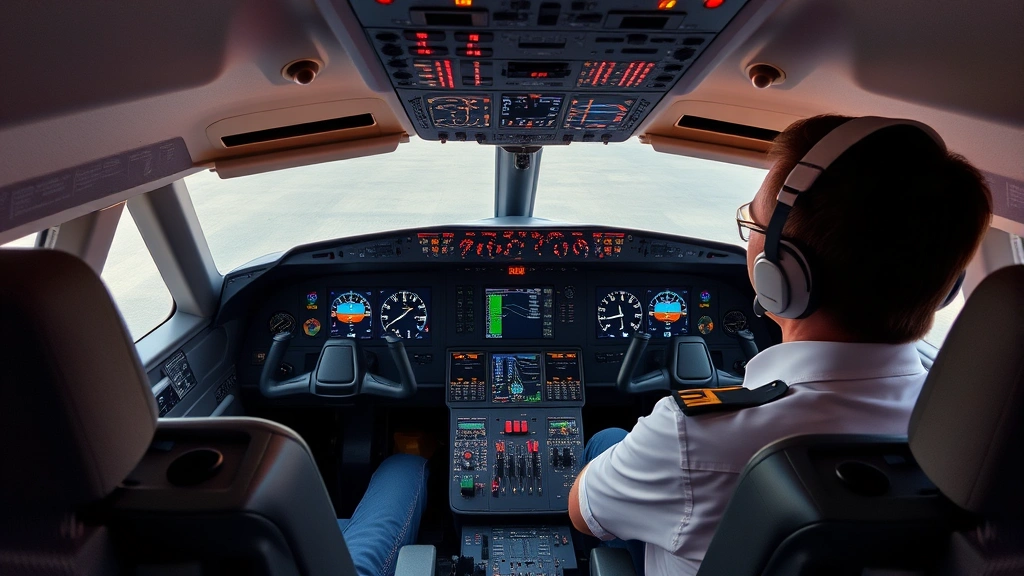
Delta pilot training includes extensive preparation for pressurization emergencies. Every pilot undergoes simulator training where they practice responding to various pressure scenarios, from minor anomalies to catastrophic failures. This training instills muscle memory and decision-making protocols that activate instantly when real problems occur.
When a Delta pilot detects a pressure problem, the response follows a structured protocol. First, they verify the problem is real by checking multiple instruments and cross-referencing data. Second, they consult the aircraft’s emergency procedures checklist, which provides step-by-step guidance for the specific malfunction. Third, they notify air traffic control of the situation and request priority handling. Fourth, they initiate the appropriate corrective action—whether that’s adjusting system settings, engaging backup systems, or beginning a descent to a safer altitude.
Communication is paramount. Pilots maintain constant radio contact with air traffic control, updating them on the aircraft’s status, altitude, and intentions. Air traffic control clears other traffic away from the affected aircraft, creating a safe corridor for its descent or diversion. This coordination system has been refined over decades and works with remarkable efficiency.
One critical aspect of pilot training involves understanding how different aircraft systems interact. For instance, if pressurization is compromised, pilots must consider how this affects other systems. They might need to reduce electrical load, manage fuel consumption differently, or coordinate with cabin crew about passenger safety procedures. The decision-making process is holistic, considering the entire aircraft as an integrated system.
Many pilots have experienced actual pressure anomalies during their careers. These real-world experiences, combined with simulator training, create professionals who respond with calm competence. The demeanor you observe from flight crew during any emergency is a reflection of their training—they project confidence because they’ve practiced these scenarios hundreds of times.
Safety Redundancies and Backup Systems
Modern Delta aircraft incorporate redundancy at every critical level. The pressurization system isn’t a single point of failure; it’s a network of overlapping systems designed so that the failure of any single component doesn’t compromise safety.
Multiple Air Sources: Aircraft can pressurize using air from either engine’s compressor. If one engine fails, the other can maintain pressurization. Some aircraft also have auxiliary power units that can provide pressurization air if both engines are compromised.
Dual Pressurization Packs: Most modern aircraft have two independent air conditioning packs. If one fails, the other maintains pressurization. Each pack has its own air source, cooling systems, and controls.
Multiple Outflow Valve Systems: The outflow valves that regulate pressure have redundant control systems. If automatic controls fail, pilots can manually operate these valves, maintaining precise control over cabin pressure.
Backup Oxygen: While maintaining cabin pressure is the primary safety strategy, every commercial aircraft carries supplemental oxygen. Passengers receive oxygen masks that deploy automatically if cabin pressure drops too rapidly. Pilots can manually deploy these masks if needed. This oxygen supply provides sufficient time for the aircraft to descend to altitudes where ambient oxygen is adequate for breathing.
Structural Integrity: The fuselage itself is engineered with multiple load paths. Even if a crack develops in one section, the structure distributes loads through alternative pathways, preventing catastrophic failure. This design principle—known as fail-safe construction—means that pressurization isn’t maintained by a single structural element.
These redundancies explain why commercial aviation maintains such an exceptional safety record. When you’re flying Dallas to Los Angeles flights or any other route on Delta, you’re protected by layers of engineered safety systems.
What Passengers Should Know
As a passenger, understanding pressure-related safety empowers you to fly with greater confidence. Here’s what you should know:
Ear Pressure is Normal: During climb and descent, you’ll notice ear pressure changes. This is completely normal and expected. Yawning, chewing gum, or using the Valsalva maneuver (pinching your nose and gently blowing) equalizes pressure in your ear canals. If you’re particularly sensitive, consider using a best travel pillow for long flights to support your head position, which can help.
Cabin Altitude Announcements: Some aircraft announce the current cabin altitude during flight. A cabin altitude of 8,000 feet is typical and safe. If you see this increasing significantly, pilots are managing a situation deliberately—this is not an emergency but a controlled response.
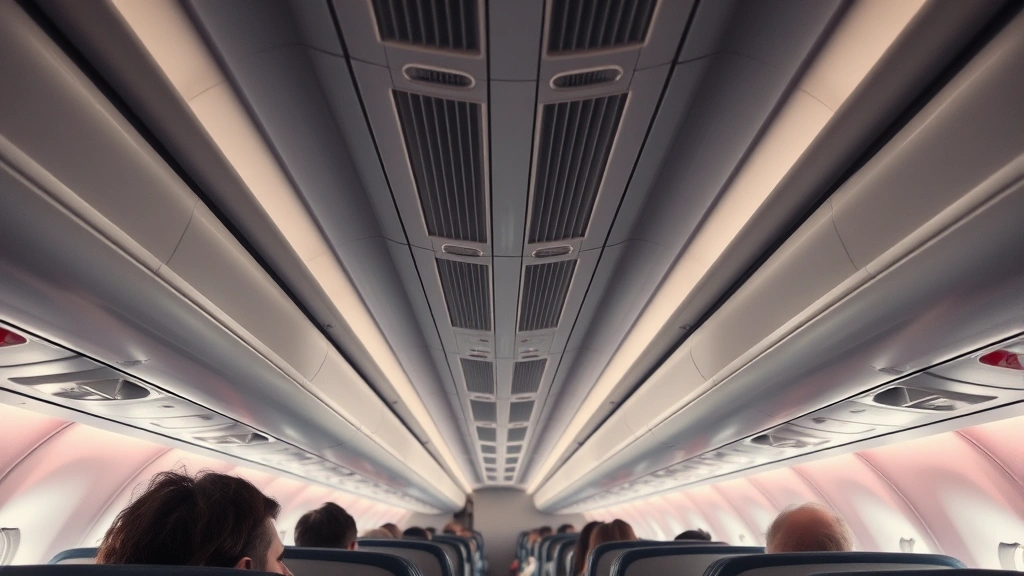
Hissing and Air Movement: You’ll hear air circulating through overhead vents. This is the pressurization and ventilation system working normally. The sound is reassuring, not concerning.
Descent Procedures: If pilots need to descend due to a pressure issue, the descent rate will be controlled and steady. You won’t experience a dangerous plunge; rather, you’ll notice a gradual altitude change. The aircraft might descend at 1,000 to 2,000 feet per minute, which is comfortable and safe.
Crew Behavior: Flight attendants receive the same pressurization system training as pilots. If a pressure issue occurs, cabin crew will remain calm and professional. Their composure reflects their training and confidence in the aircraft and pilot capabilities. If they’re calm, you can be calm too.
Diversion Procedures: Sometimes, if a pressure issue occurs, pilots might divert to the nearest suitable airport. This is a precautionary measure, not an indication of danger. Diversions are executed safely and deliberately. The aircraft can fly for hours with a controlled pressure issue while descending gradually to lower altitudes where less pressurization is needed.
The relationship between passenger comfort and safety is important. Pressurization systems maintain not just survivability but comfort. When everything works normally—which it does on the vast majority of flights—you experience a comfortable cabin environment at cruising altitude. The system is so reliable that most passengers never think about it.
For career-minded individuals interested in aviation, understanding these systems opens fascinating perspectives. If you’re curious about the professional side, exploring resources about UA flight attendant salary and career paths can provide insights into aviation careers.
FAQ
What causes Delta flight pressure issues?
Pressure issues can result from pressurization system malfunctions, structural leaks, outflow valve problems, air conditioning pack failures, or sensor malfunctions. Most are minor and handled routinely by pilots using established procedures.
How quickly can pilots respond to pressure problems?
Pilots detect pressure issues through instruments and respond within seconds. The pressurization system includes automatic warnings that alert pilots immediately if parameters drift outside normal ranges. Initial response—verifying the problem and consulting checklists—takes less than a minute.
Is rapid decompression possible on modern Delta aircraft?
Rapid decompression is extraordinarily unlikely on modern aircraft due to fail-safe structural design, pressurized fuselage construction, and redundant systems. Commercial aviation has an excellent safety record, and structural failures are extremely rare.
What happens if pressurization fails completely?
If pressurization fails completely, pilots immediately begin descending to lower altitudes where ambient pressure is adequate for breathing. Oxygen masks deploy automatically, providing supplemental oxygen during descent. The aircraft can descend safely even with complete pressurization system failure.
Can I feel pressure changes during flight?
Yes, you might feel pressure changes during climb and descent, particularly in your ears. This is normal. Once at cruising altitude, cabin pressure remains stable, and you shouldn’t feel pressure changes unless pilots are managing a specific situation.
How often do pressure issues occur on Delta flights?
Pressure-related issues are uncommon on modern aircraft. Most flights operate with perfectly functioning pressurization systems. When minor issues do occur, they’re detected early and managed by pilots using routine procedures that don’t affect passenger safety.
Should I be concerned about flying if I have pressure-related medical conditions?
If you have medical conditions affected by altitude or pressure changes, consult with your physician before flying. They can advise whether flying is safe for you and recommend preventive measures. Most people with medical conditions fly safely after appropriate medical consultation.