Flying from Dallas to San Francisco is one of the most popular routes on the West Coast, connecting Texas’s vibrant hub with California’s iconic tech and culture capital. Whether you’re a business traveler, adventure seeker, or weekend explorer, finding the best Dallas to San Francisco flights requires strategy, timing, and insider knowledge. This comprehensive guide breaks down everything you need to know to score the best fares, optimal flight times, and seamless travel experiences on this bustling corridor.
The Dallas-to-San Francisco route spans approximately 1,400 miles and typically takes 4 to 4.5 hours of flight time. Multiple airlines compete fiercely on this route, which means savvy travelers can leverage competition to their advantage. From budget carriers to premium full-service airlines, understanding the nuances of each option helps you make an informed decision that balances cost, comfort, and convenience.

Best Airlines for Dallas to San Francisco Flights
When searching for Dallas to San Francisco flights, you’ll encounter several major carriers competing for your business. Southwest Airlines dominates this route with multiple daily flights and no baggage fees, making it exceptionally popular for leisure and budget-conscious travelers. Their flexibility on rebooking and generous cancellation policies provide peace of mind that justifies their market dominance on this corridor.
United Airlines offers direct flights with premium cabin options, frequent flyer benefits through their extensive MileagePlus program, and partnerships with international carriers. If you’re accumulating miles or seeking premium economy upgrades, United’s premium economy cabin provides excellent value compared to domestic first class.
American Airlines provides competitive pricing and AAdvantage frequent flyer benefits. Their partnership network gives you access to numerous connecting flights if your schedule allows for flexibility. Delta Air Lines rounds out the major carriers with consistent service quality, SkyMiles rewards, and reliability that business travelers appreciate.
Budget carriers like Frontier Airlines and Spirit Airlines occasionally offer ultra-low fares on this route, though factor in baggage fees, seat selection charges, and limited amenities when comparing prices. For premium experience seekers, JetBlue Airways occasionally serves this route with their famous customer service and entertainment systems.
When comparing airlines, consider your loyalty program status, preferred cabin class, and ancillary service needs. A cheaper base fare might cost more when you add baggage, seat selection, and meal preferences. Review recent customer service ratings on Skytrax and Airfare Watchdog for current performance metrics.
Optimal Travel Times and Seasons
Timing dramatically impacts your Dallas to San Francisco flight experience and pricing. Peak travel season runs from June through August and December through early January, when prices spike 40-60% above baseline fares. Spring break (March-April) and major holidays create secondary peaks. If flexibility exists in your schedule, traveling during shoulder seasons—late April through May or September through November—yields significant savings.
Day of week considerations matter significantly. Tuesday, Wednesday, and Saturday departures typically offer 10-20% lower fares than Friday and Sunday flights. Red-eye flights departing late evening often cost less but arrive early morning, requiring adjustment to San Francisco time (three hours ahead of Dallas). Some travelers embrace red-eyes for maximizing destination time; others prefer daytime flights for better sleep quality.
Booking timing influences pricing substantially. Industry research suggests booking 1-3 months in advance for domestic flights captures optimal pricing windows. For this specific route, booking 6-8 weeks ahead typically provides 15-25% savings versus last-minute bookings. Conversely, ultra-early bookings (3+ months) sometimes miss better fares released closer to departure dates.
Weather patterns affect reliability. Summer brings occasional thunderstorms affecting both Dallas-Fort Worth and San Francisco airports, potentially causing delays. Winter months are generally more stable, though rare ice storms in Dallas can disrupt schedules. Spring and fall offer ideal conditions with minimal weather disruption.
For business travelers, understanding the corporate travel patterns helps. Many companies book Thursday departures returning Sunday, creating weekend pricing premiums. If your employer allows flexibility, Wednesday-Thursday departure combinations often cost substantially less while providing quality business meeting windows.
Money-Saving Strategies for DFW to SFO
Maximizing savings on Dallas to San Francisco flights requires strategic planning. Price alert systems through Google Flights, Hopper, or Kayak notify you when fares drop 20-30% below normal rates. Set alerts 2-3 months before planned travel and act quickly when deals appear—these fares rarely last more than 24-48 hours.
Consider departing from Dallas Love Field (DAL) instead of the larger Dallas-Fort Worth International (DFW). Love Field’s smaller size means lower airport fees, which sometimes translates to cheaper fares. Southwest Airlines, their primary carrier, often prices Love Field flights competitively. However, DFW offers more airline options and frequent service, so compare both before deciding.
Flexible date searches on booking platforms reveal price patterns. A Tuesday departure might cost $180 while Thursday costs $240 for identical service. This $60 difference compounds over multiple trips. Budget airlines like Southwest offer flexible rebooking without change fees, letting you book tentatively and adjust as prices fluctuate.
Frequent flyer programs provide tremendous value on this route. Southwest’s Rapid Rewards, United’s MileagePlus, and American’s AAdvantage programs offer redemption rates between 10,000-25,000 miles for domestic flights. If you’re already accumulating miles through credit cards or regular flying, this route is perfect for redemption.
Credit card signup bonuses deserve consideration. A premium travel card offering 50,000 bonus miles covers multiple Dallas to San Francisco flights. Annual fees ($95-450) are justified if you fly 2-3 times yearly. Compare rewards rates across cards—some offer 3x points on airline purchases, accelerating future free flights.
Package deals combining flights and hotels through Costco Travel, Expedia, or airline websites sometimes offer 15-30% savings compared to booking separately. San Francisco’s expensive hotels make bundled packages particularly attractive, especially during peak seasons. Review Travel Weekly for current package promotions.
Flying into Oakland International (OAK) instead of San Francisco International (SFO) occasionally yields 10-20% cheaper fares. While Oakland sits 45-60 minutes from downtown San Francisco via BART (Bay Area Rapid Transit), the savings might justify the longer ground transportation time, especially for budget-conscious travelers.
Airport Options and Ground Transportation
Dallas travelers have two major departure airports: Dallas-Fort Worth International (DFW) and Dallas Love Field (DAL). DFW, one of America’s busiest airports, offers 90+ destinations with frequent flights to San Francisco throughout the day. Its modern facilities, numerous dining options, and comprehensive airline selection make it convenient for most travelers. However, DFW’s size means longer security lines during peak times—arrive 2-3 hours early for domestic flights.
Dallas Love Field offers a more intimate experience with shorter security lines and quicker airport navigation. Its smaller size translates to less congestion, though fewer airline options exist. Southwest Airlines operates extensively from Love Field, making it ideal for their passengers. The 15-20 minute drive from downtown Dallas makes Love Field attractive for city-center travelers.
San Francisco International (SFO) remains the primary arrival airport, located 13 miles south of downtown. BART (Bay Area Rapid Transit) connects directly to downtown, providing 30-minute transit times for $10.15. Ride-sharing services (Uber/Lyft) cost $25-45 depending on demand. Rental cars suit travelers exploring beyond San Francisco, though parking costs $30-50 daily downtown.
Oakland International (OAK) serves as an alternative arrival point with direct BART connections ($10.15) and often cheaper rental car rates. The BART journey to downtown San Francisco takes 45-60 minutes but provides scenic bay views. Evaluate whether fare savings offset the extended travel time for your specific itinerary.
Ground transportation planning impacts overall trip costs significantly. BART passes offering unlimited travel over multiple days provide value for extensive Bay Area exploration. If staying in downtown San Francisco, BART eliminates parking hassles entirely. For suburban San Francisco destinations, rental cars from OAK might prove cheaper despite longer airport distance.
Flight Booking Tools and Comparison Platforms
Navigating flight booking requires understanding available tools. Google Flights excels at price tracking with calendar views showing lowest fares across date ranges. Its flexible date search reveals $50-100 daily variations, informing optimal booking dates. Integration with multiple airlines and booking partners ensures comprehensive price comparison.
Kayak and Skyscanner offer similar functionality with advanced filtering options. Skyscanner’s “everywhere” feature reveals cheapest alternative airports, helping identify Oakland versus San Francisco pricing differences. Both platforms integrate price alerts, notifying you of significant drops.
Airline direct booking sometimes offers lowest prices, particularly for budget carriers. Southwest, United, and American frequently beat third-party aggregators by 2-5% when booking directly through their websites. Direct booking also simplifies changes and rebooking if needed, avoiding third-party intermediary complications.
Incognito browsing remains important. Airlines potentially track browsing history and adjust prices based on repeat searches. Clearing browser cookies or using private browsing windows prevents price inflation from repeated searches. While debate exists about effectiveness, the practice costs nothing and may help.
Set up price alerts across multiple platforms. Google Flights, Hopper, and Kayak each use different algorithms, occasionally identifying deals others miss. Receiving 2-3 daily alerts seems excessive until a $150 round-trip fare appears—suddenly you’re grateful for comprehensive monitoring.
Consider using Lonely Planet’s travel guides for San Francisco insights while researching flights. Understanding your destination helps identify optimal travel dates and durations, influencing overall trip cost-effectiveness beyond just flight pricing.
What to Expect on the Flight
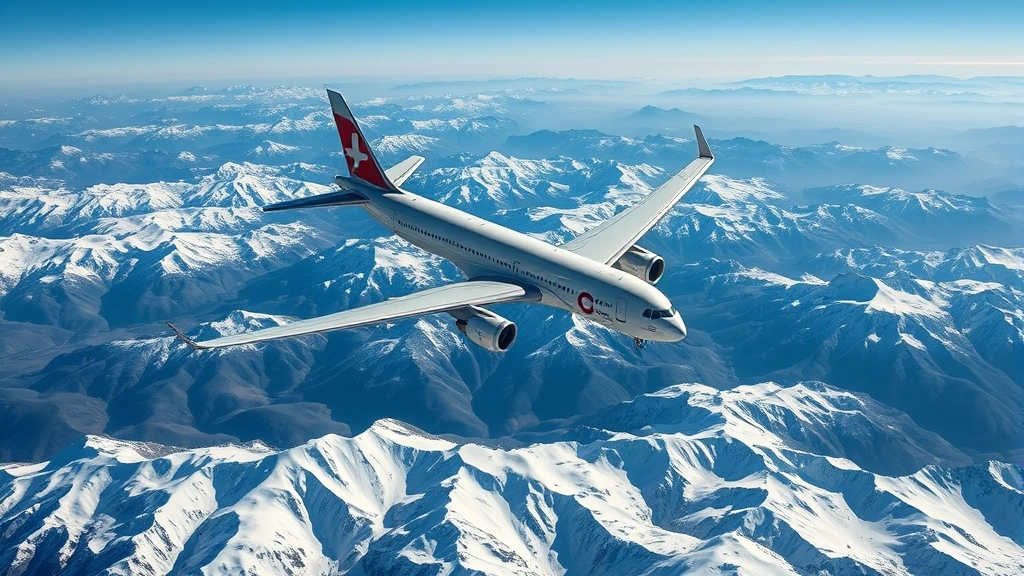
The 4-4.5 hour flight from Dallas to San Francisco passes quickly, especially with proper preparation. Daytime flights provide scenic views of the Sierra Nevada mountains as you approach San Francisco. Sitting on the left side of the aircraft (seats A-C) offers optimal mountain and bay views, particularly during afternoon descents.
In-flight amenities vary by airline and cabin class. Southwest offers complimentary snacks and drinks plus two free checked bags—exceptional value compared to competitors charging $25-35 per bag. United’s premium economy provides superior seating, complimentary beverages, and priority boarding. American and Delta offer similar benefits through premium cabin upgrades.
Expect moderate turbulence occasionally over the Sierra Nevada, though nothing concerning. San Francisco’s marine layer creates frequent cloud coverage during descent, occasionally limiting ground visibility. Pilots navigate these conditions routinely, so embrace the experience rather than worry.
Flight attendants on this route navigate high passenger volume with efficiency. Peak times (mid-morning and late afternoon departures) bring full flights with limited overhead bin space. Arrive early enough to secure bin space, or check bags to avoid gate-checking frustration.
Bring entertainment for the flight duration. Streaming services work well on most airline Wi-Fi, though speeds vary. Downloaded movies, books, or podcasts provide reliable entertainment independent of connectivity issues. Many travelers use this time productively—responding to emails, preparing presentations, or planning San Francisco itineraries.
Hydration matters on westbound flights. The combination of cabin pressure and flight duration can cause dehydration, exacerbated by San Francisco’s dry climate. Drink water throughout the flight and continue hydrating after arrival. Time zone changes (3 hours) affect circadian rhythm—daytime arrivals help adjust faster than evening landings.
San Francisco Arrival Tips
Clearing security and immigration at SFO typically takes 30-45 minutes during normal hours, extending to 90+ minutes during peak times. International connections require additional time, so plan accordingly. Ground transportation options discussed earlier (BART, Uber, rental cars) should be arranged before arrival to minimize post-flight confusion.
San Francisco’s famous fog rolls in during summer months (June-August), creating cool temperatures despite seasonal expectations. Pack layers regardless of season—mornings and evenings remain cool while afternoons warm up. Wind near the Golden Gate Bridge and Fisherman’s Wharf surprises many visitors; bring windbreakers.
Jet lag affects westbound travelers minimally since you arrive early afternoon, allowing evening adjustment. Stay active until normal bedtime to accelerate circadian rhythm adjustment. San Francisco’s walkable neighborhoods and attractions make this strategy easy—explore the city rather than napping.
Similar to exploring flights to Greensboro, NC for East Coast access or Cleveland to Chicago flights for Midwest connectivity, understanding regional flight patterns helps optimize travel. The Dallas to San Francisco corridor’s frequency and competition create favorable pricing compared to less-traveled routes.
Budget 1-2 hours for ground transportation to your San Francisco hotel. Traffic on US-101 heading north toward the city can be unpredictable, particularly during rush hours (7-10 AM, 4-7 PM). Arriving during off-peak hours (11 AM-3 PM) ensures smoother ground transportation.
Download the SFO airport map and BART app before arrival. Having transportation logistics planned eliminates decision-making stress upon landing. San Francisco’s excellent public transportation makes cars unnecessary for city exploration, saving parking costs and enabling evening wine exploration without driving concerns.
Advanced Booking Strategies for Frequent Travelers
Business travelers flying Dallas to San Francisco regularly should establish preferred airline relationships. Achieving elite status through frequent flying or co-branded credit cards unlocks upgrades, priority boarding, lounge access, and extra baggage allowances. United’s Premier status or American’s Executive Platinum provide substantial benefits on frequent routes.
Corporate travel programs often negotiate better rates than public fares. If your company has corporate travel agreements with major airlines, book through your travel management company rather than directly. Negotiated rates frequently beat published fares by 15-25%, plus you earn miles toward personal elite status.
Mistake fares occasionally appear on this route—extremely low prices resulting from airline pricing errors. Following Airfare Watchdog and similar deal-tracking sites can alert you to these rare opportunities. When mistakes occur, booking immediately is critical before airlines correct the pricing.
Consider positioning flights if you’re flying from elsewhere in Texas. Driving to Dallas or taking connecting flights from smaller Texas cities to Dallas, then connecting to San Francisco, sometimes costs less than direct flights from your origin city. This strategy requires careful calculation but occasionally yields surprising savings.
Round-trip booking sometimes costs less than one-way fares, particularly on competitive routes like Dallas-San Francisco. If you need only a one-way ticket, check round-trip pricing and discard the return portion. This seems counterintuitive but reflects airline revenue management practices.