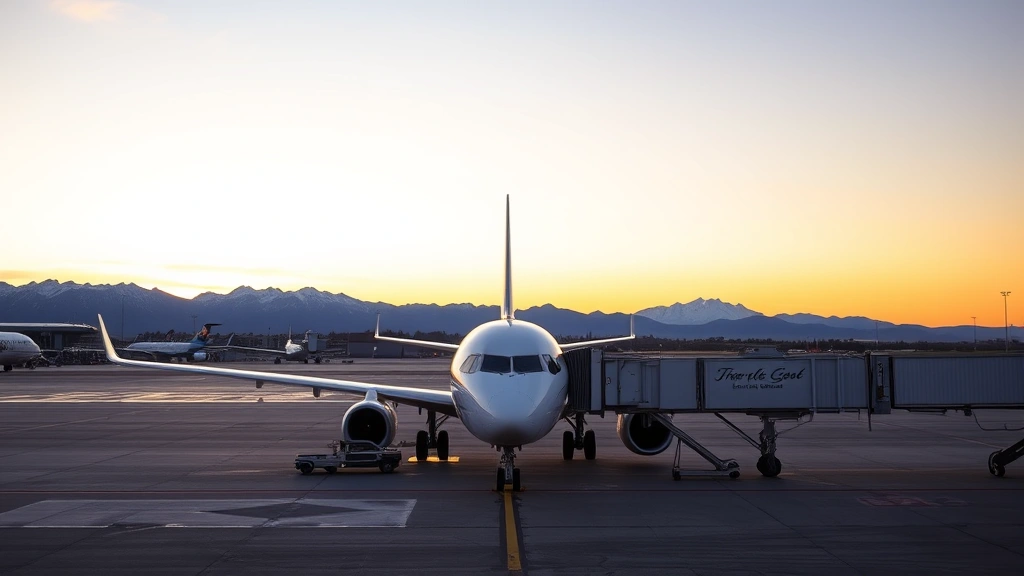
Surviving a Colorado Flight Crash: Safety Expert Tips for Air Travel Safety
Colorado’s stunning Rocky Mountain landscape attracts millions of visitors annually, with Denver International Airport serving as a major hub for domestic and international travel. However, the region’s unique geography—high altitude, unpredictable weather patterns, and challenging terrain—presents distinct aviation safety considerations that both residents and travelers should understand. While modern aviation is remarkably safe, knowing how to respond during an emergency can mean the difference between life and death. This comprehensive guide explores evidence-based safety strategies, emergency procedures, and expert recommendations for surviving aviation incidents, particularly in Colorado’s challenging environment.
Whether you’re planning a ski trip to the Rockies, connecting through Denver for Chicago to New Orleans flights, or conducting business across the region, understanding aviation safety protocols is essential. The Federal Aviation Administration (FAA) and National Transportation Safety Board (NTSB) have documented countless incidents and survival stories that inform modern safety practices. By familiarizing yourself with these procedures before you fly, you’ll be better prepared to handle any emergency situation with confidence and composure.

Understanding Colorado Aviation Hazards
Colorado presents unique challenges for aviation operations that differ significantly from lower-altitude regions. Denver International Airport operates at 5,431 feet above sea level, requiring specialized pilot training and aircraft performance adjustments. The thin air at this elevation reduces engine efficiency and increases takeoff distances, while the surrounding Rocky Mountains create complex wind patterns and turbulence corridors.
Weather patterns in Colorado are notoriously unpredictable. Mountain wave turbulence, sudden wind shear, and rapid weather changes can develop with minimal warning. Winter conditions bring icing hazards that test modern de-icing systems, while summer afternoon thunderstorms can generate severe convective activity. Understanding these environmental factors helps explain why specific safety protocols exist for Colorado operations.
The terrain surrounding Denver and other Colorado airports presents significant hazards if an aircraft must make an emergency landing. The high-altitude plateau, mountainous regions, and sparse population areas mean that emergency landing sites are limited. This reality underscores the importance of preventive measures and in-flight safety awareness. Modern aircraft are engineered with multiple redundant systems specifically designed to prevent emergencies, but understanding potential scenarios helps you respond appropriately if one occurs.

Pre-Flight Safety Preparation
Your safety begins long before boarding. Experienced travelers and aviation safety experts emphasize that preparation is your strongest defense. Start by reviewing the FAA’s passenger safety guidelines, which provide authoritative information on air travel safety. When booking flights—whether flights from Houston to LAX or regional Colorado flights—consider airline safety records and aircraft types.
Pre-flight checklist:
- Review the airline’s safety record through independent databases like AirSafe.com and aviation incident reports
- Understand your aircraft type by researching its safety features and specifications
- Check weather forecasts for your departure, arrival, and alternate airports
- Arrive early to avoid rushed boarding, which increases stress and reduces safety awareness
- Familiarize yourself with the airport layout and emergency exits
- Ensure proper travel insurance and understand coverage limitations
- Review airline-specific safety information on their website
Dress appropriately for potential emergency scenarios. Wear closed-toe shoes with grip, avoid excessive jewelry that could snag on equipment, and consider wearing natural fibers that are less flammable than synthetics. This practical preparation reflects how safety experts approach air travel—by anticipating potential scenarios and minimizing risks.
If you’re concerned about automatic airline flight refunds or compensation for disrupted travel, understanding your rights before flying helps you make informed decisions about your journey.
During the Flight: Emergency Procedures
Once aboard, your safety depends on paying close attention to the safety demonstration. Despite its routine nature, this briefing contains critical information that could save your life. Safety experts emphasize that the majority of aircraft accidents occur during takeoff and landing phases, making these periods especially important for heightened awareness.
Critical in-flight safety practices:
- Listen to the safety briefing completely—even if you’ve heard it before, details vary by aircraft type and airline
- Locate your nearest exit—count the rows between your seat and the exit to navigate in zero visibility
- Review emergency equipment—understand oxygen mask deployment, life vest location, and evacuation slide operation
- Maintain proper seatbelt usage—keep your seatbelt fastened throughout the flight, especially during cruising altitude where sudden turbulence can occur
- Know the brace position—in case of impact, proper body positioning significantly increases survival chances
- Stay aware of cabin crew instructions—flight attendants are highly trained emergency responders
If you experience severe turbulence or receive emergency warnings, immediately assume the brace position: feet flat on the floor, knees bent, hands protecting your head, and body leaning forward. This position distributes impact forces across your body and protects vital organs and your head.
For those connecting through Colorado airports on routes like Boston to Toronto flights, understanding these procedures applies regardless of your destination.
Survival Techniques After Impact
While aircraft accidents are extraordinarily rare—commercial aviation has a fatality rate of approximately 1 in 11 million flights—understanding post-impact survival techniques is crucial knowledge. Survival in aviation emergencies depends on rapid, decisive action guided by proper training and preparation.
Immediate post-impact actions:
- Exit the aircraft immediately—the first 90 seconds after impact are critical; evacuate quickly but avoid panic, which slows movement
- Leave belongings behind—personal items significantly slow evacuation and reduce survival chances for everyone
- Follow crew instructions—flight attendants have evacuation training and can direct you to the safest exits
- Use evacuation slides properly—cross your arms over your chest, keep your legs together, and prepare for landing impact
- Move away from the aircraft—once clear, continue moving at least 500 feet away from the wreckage to avoid secondary hazards like fuel fires
- Seek shelter and signal for rescue—in Colorado’s high-altitude terrain, finding shelter from elements becomes immediately critical
Colorado’s mountainous terrain and elevation present unique post-crash survival challenges. The high altitude increases the risk of altitude sickness, hypothermia develops rapidly due to temperature drops and thin atmosphere, and rescue operations take longer due to difficult terrain access. Survival experts emphasize that mental resilience and practical knowledge about your environment dramatically improve outcomes.
After reaching safety, focus on shelter, signaling, and survival priorities in this order: immediate threats (fire, unstable structures), shelter from elements, water access, and food sources. Modern aircraft carry emergency locator transmitters that automatically alert rescue services, significantly reducing rescue response times compared to historical scenarios.
Colorado-Specific Environmental Factors
Colorado’s unique geography creates specific survival considerations distinct from other regions. The state’s average elevation of 6,800 feet—the highest of any state—means that emergency situations occur in a high-altitude environment where normal survival rules require modification.
High-altitude survival challenges:
- Reduced oxygen availability—breathing becomes more difficult, physical exertion causes rapid fatigue, and cognitive function may be impaired
- Rapid temperature drops—evening temperatures in Colorado mountains can plummet 30-40 degrees Fahrenheit, requiring immediate shelter construction
- Extreme weather transitions—Colorado experiences rapid weather changes; clear skies can transform into severe storms within minutes
- Terrain navigation difficulty—the Rocky Mountains present challenging topography; staying near the crash site rather than attempting to hike out is generally safer
- Limited water sources—while mountain streams exist, accessing safe water requires knowledge of water purification
If you crash in Colorado’s wilderness, the most critical survival principle is remaining near the aircraft. The wreckage provides shelter, is easily visible to rescue aircraft, and is the location rescuers will search first. Attempting to hike out, especially in unfamiliar terrain at high altitude, dramatically reduces survival chances.
Understanding Colorado’s geographic and climatic conditions helps contextualize why specific emergency procedures exist for the region. Winter mountaineering knowledge, understanding avalanche terrain, and recognizing weather patterns all contribute to post-emergency survival in Colorado.
Recovery and Aftermath
Surviving an aviation emergency is traumatic. The psychological impact of such an experience—often termed post-traumatic stress disorder (PTSD) or acute stress disorder—requires professional attention and support. Many survivors experience anxiety about future flights, nightmares, and intrusive memories of the incident.
Post-incident recovery steps:
- Seek immediate medical evaluation—even if injuries seem minor, comprehensive medical assessment identifies internal injuries and psychological trauma
- Connect with mental health professionals—therapists specializing in trauma can provide evidence-based treatments like cognitive-behavioral therapy
- Join support groups—connecting with other survivors provides validation and reduces isolation
- Understand your legal rights—aviation accidents trigger complex legal proceedings; consulting with aviation attorneys protects your interests
- Maintain detailed records—document all injuries, medical treatments, psychological symptoms, and expenses for legal and insurance purposes
The National Transportation Safety Board (NTSB) investigates commercial aviation accidents in the United States. Their comprehensive accident investigation process identifies causes and recommends safety improvements that benefit the entire aviation industry. If you’re involved in an incident, cooperating with investigators while protecting your legal interests is important.
Recovery timelines vary significantly. Some survivors resume flying relatively quickly, while others require months or years of therapy before feeling comfortable in aircraft. This variation is completely normal; there’s no “right” timeline for recovery. Professional support, gradual exposure therapy, and connecting with others who understand your experience all contribute to healing.
FAQ
What should I do if I experience severe turbulence during a flight to Colorado?
Remain in your seat with your seatbelt fastened. Severe turbulence, while frightening, rarely causes aircraft structural damage due to modern engineering. The aircraft is designed to withstand forces far exceeding what turbulence produces. Follow crew instructions, avoid moving about the cabin, and focus on deep breathing to manage anxiety.
Is Denver International Airport safe for landings in winter conditions?
Denver International Airport maintains world-class safety standards and operates successfully in winter conditions using advanced de-icing systems, runway treatments, and pilot training specific to high-altitude winter operations. The airport’s safety record is excellent. However, winter weather can cause flight delays or cancellations for passenger safety—these are appropriate precautions.
What’s the best way to prepare mentally for flying to Colorado?
Education reduces anxiety. Learn about your aircraft type, understand normal flight operations, and review safety procedures. Consider taking a fear-of-flying course offered by many airlines. Gradual exposure—starting with short flights before longer journeys—helps normalize flying. Breathing exercises and mindfulness practices manage anxiety symptoms.
If an aircraft must make an emergency landing in Colorado’s mountains, what should I do?
After safely exiting the aircraft, remain near the wreckage. The crash site is visible to rescue aircraft and is the primary search location. Construct shelter using available materials, stay warm and dry, ration any water and food, and signal rescue aircraft. Attempting to hike out of mountainous terrain dramatically reduces survival chances.
How do I choose the safest airline for Colorado flights?
Research airline safety records through independent databases, review FAA safety data, and check accident history. Major carriers operating to Colorado maintain rigorous safety standards. Newer aircraft often feature advanced safety systems, but well-maintained older aircraft are equally safe. Your choice of airline has minimal impact on safety compared to aircraft maintenance and pilot training.
What compensation am I entitled to if my flight is disrupted due to weather in Colorado?
Weather-related disruptions typically fall under “acts of God” exceptions, limiting airline liability. However, understanding automatic airline flight refunds and your specific airline’s policies helps you pursue available compensation. Airline disruption insurance provides additional protection for weather-related incidents.


