
Cheapest Flights to Yellowstone? Insider Advice for Budget-Conscious Adventurers
Yellowstone National Park stands as one of America’s most iconic destinations, attracting millions of visitors annually with its geysers, wildlife, and breathtaking landscapes. However, planning a trip to this natural wonder often begins with a crucial question: how do you find affordable flights? The journey to Yellowstone doesn’t have to drain your travel budget. With strategic planning, insider knowledge, and flexibility, you can secure remarkable deals on airfare and redirect those savings toward unforgettable experiences within the park itself.
Finding cheap flights to Yellowstone requires understanding regional airports, seasonal pricing patterns, and booking strategies that savvy travelers use consistently. Whether you’re departing from the East Coast, South, or Midwest, multiple pathways lead to this geothermal paradise. This comprehensive guide reveals insider secrets, practical tactics, and real-world strategies that will transform your Yellowstone dreams into an affordable reality.
Understanding Yellowstone’s Gateway Airports
Yellowstone National Park sits at the intersection of Wyoming, Montana, and Idaho, creating multiple airport options for travelers. The closest major airport is Bozeman Yellowstone International Airport (BZN) in Montana, located approximately 90 miles north of the park’s north entrance. This regional hub has experienced significant growth and often offers competitive pricing, especially during shoulder seasons. Jackson Hole Airport (JAC) in Wyoming provides another scenic entry point, roughly 60 miles south of the park, though it typically commands premium pricing due to its exclusive positioning.
Billings Logan International Airport (BIL) in Montana represents an underrated option that frequently offers lower fares than its counterparts. Located about 130 miles northeast of Yellowstone, it serves as a genuine money-saving alternative for flexible travelers willing to rent a car for a scenic drive. West Yellowstone Airport (WYS) provides the most convenient access during summer months, though it operates seasonally with limited carrier options.
Denver International Airport (DEN) and Salt Lake City International Airport (SLC) function as major hub alternatives, situated 400 and 300 miles away respectively. While these require longer ground transportation, the flight savings often justify the additional driving. Travelers should also consider flights from Houston to Denver, which frequently offer exceptional pricing on connecting routes that feed into Mountain West destinations.
Best Times to Book Your Flight
Timing your booking dramatically influences the price you’ll pay. Industry research suggests booking domestic flights 1-3 months in advance yields optimal pricing, though Yellowstone-bound travel follows unique patterns. Peak summer season (June-August) demands early booking—aim for 2-3 months ahead. Winter trips (December-March) offer surprising savings, as fewer tourists brave the snow, creating a buyer’s market for accommodations and flights alike.
The shoulder seasons of May and September-October represent the sweet spot for budget hunters. These periods offer pleasant weather, manageable crowds, and substantially reduced airfare compared to summer peaks. September specifically sees a dramatic price drop as families return to school, yet the park remains accessible and spectacular. Tuesday and Wednesday departures consistently show lower fares than weekend flights, a pattern that holds true for Yellowstone travel.
Avoid booking during holidays, school breaks, and major events. Spring break, Thanksgiving week, Christmas holidays, and summer vacation periods inflate prices across all gateway airports. Conversely, booking flights on Tuesday evenings or Wednesday mornings often reveals the week’s lowest fares, as airlines adjust pricing based on competitor moves.
Money-Saving Strategies That Actually Work
Successful budget travelers employ proven tactics that consistently reduce flight costs. Price alerts through Google Flights, Hopper, or Kayak eliminate the need for constant monitoring—set alerts for your preferred dates and airports, then let technology notify you of significant drops. This passive approach catches flash sales and pricing errors before they disappear.
Clearing your browser cookies before searching for flights prevents airlines from tracking your interest and inflating prices. Use incognito mode when comparing fares across multiple dates and airports. Consider open-jaw bookings where you fly into one gateway airport and depart from another—arriving in Billings and departing from Jackson Hole, for instance, often costs less than round-trip flights from a single airport.
Flexibility with your exact travel dates yields substantial savings. Searching seven-day windows rather than specific dates reveals hidden bargains. A flight on September 8th might cost $340 while September 11th drops to $210—a difference worth adjusting your schedule for. Error fares occasionally appear when airlines misprice routes; following flight deal websites like Scott’s Cheap Flights or Secret Flying alerts you to these rare opportunities.
Bundle deals combining flights with car rentals sometimes undercut standalone flight prices, particularly with legacy carriers. Budget airlines like Spirit and Frontier offer rock-bottom base fares, though baggage fees can eliminate savings—calculate total costs before booking. Consider that flights from Dallas to Atlanta represent a comparable booking process to Yellowstone routes, where connecting flights often reveal surprising value.
Regional Departure Points and Price Comparisons
Your departure city significantly impacts final pricing. Major metropolitan areas offer more competition and lower baseline fares. Searching from Denver, Phoenix, Las Vegas, and Los Angeles typically yields cheaper flights than smaller regional airports, despite longer ground transportation to Yellowstone. A $180 flight from Denver plus $40 in gas often beats a $320 flight from a smaller nearby airport.
Midwest travelers benefit from competitive pricing through Chicago (ORD), Minneapolis (MSP), and St. Louis (STL). Southern passengers should investigate connecting options through flights from Tampa to Atlanta as part of multi-leg journeys, where Atlanta’s massive hub status creates downward pressure on connecting fares. This strategy works particularly well for complex routing that combines multiple discount carriers.
International travelers often find cheaper flights routing through major US hubs before connecting to Mountain West airports. A flight from Toronto to Denver to Bozeman may cost less than direct routing through smaller gateways, despite the additional connection. Premium cabin positioning also matters—flying economy to a hub, then upgrading for the mountain leg sometimes costs less than economy throughout.
Alternative Routes and Connections
Yellowstone-bound travelers shouldn’t limit themselves to direct routes or obvious gateways. Connecting flights through hub cities like Denver, Salt Lake City, or Dallas-Fort Worth frequently cost less than direct service, even with the inconvenience factor. A $280 round-trip with a connection often saves $100+ versus a $380 direct flight.
Consider flying into nearby major cities and renting a car for the drive. Flights to Las Vegas, Phoenix, or Los Angeles often cost substantially less than Mountain West regional airports. The Las Vegas to Yellowstone drive spans 11 hours across stunning desert and mountain scenery—transforming ground transportation into a memorable adventure rather than a necessary evil. This approach particularly benefits road-trip enthusiasts planning multi-stop vacations.
Positioning flights—flying to a hub city a day early or staying a day after your Yellowstone trip—sometimes cost less than direct routing. Arriving in Denver a day early, exploring the city, then driving to Yellowstone can total less than direct flights despite the additional night’s accommodation. This strategy transforms potential downtime into enriching travel experiences while reducing overall flight costs.
Checking travel blog resources reveals community-shared flight deals and routing strategies specific to Yellowstone travel. Travel communities frequently discover error fares and pricing anomalies before they’re widely known, giving subscribers significant advantages.
Hidden Fees and How to Avoid Them
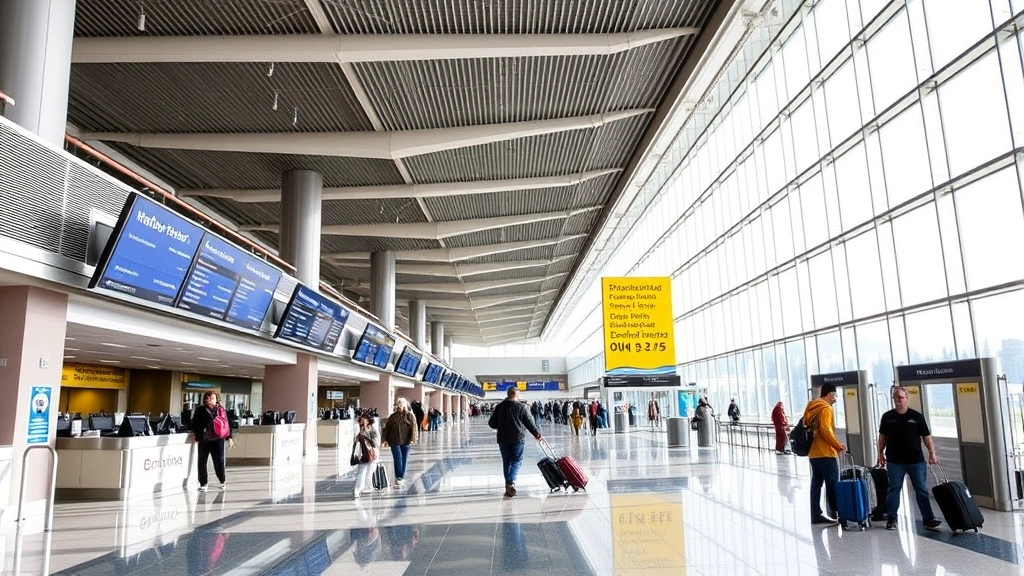
Budget airlines advertise cheap fares while burying expensive fees in booking processes. Baggage fees ($25-50 per bag), seat selection charges ($5-15), and change fees ($50-150) quickly transform bargain fares into expensive tickets. Calculate total costs including all anticipated fees before committing to bookings. A $150 base fare becomes $240 after baggage and seat fees.
Carry-on luggage remains free across virtually all airlines, making it the default packing strategy for budget-conscious travelers. Pack strategically to fit belongings in a single carry-on, eliminating baggage fees entirely. Personal items like backpacks or small purses typically don’t incur charges, providing additional storage flexibility.
Checked baggage fees vary dramatically—Southwest includes two free checked bags, while Spirit charges $30+ per bag. This single factor can swing your airline choice significantly. Airline choice should factor total fees, not just base fares. A $250 Spirit flight with $65 in fees totals $315, while a $280 Southwest flight with free baggage totals less overall.
Travel insurance deserves consideration for Yellowstone trips, protecting against trip cancellations, medical emergencies, and lost luggage. Budget carriers often don’t offer free rebooking if flights are cancelled—travel insurance provides crucial protection. Premium cabin fares sometimes include automatic insurance and baggage protection, offsetting their higher costs.
Maximizing Loyalty Programs and Rewards
Credit card sign-up bonuses provide free flights to Yellowstone when properly leveraged. Travel credit cards offering 50,000+ bonus points upon spending requirements can generate $500-750 in flight value. Timing card applications before Yellowstone bookings ensures you meet spending requirements while accumulating miles toward your trip.
Airline loyalty programs accumulate faster than casual travelers realize. Booking multiple regional flights—such as exploring Dallas to Atlanta routes and similar domestic connections throughout your travel year—accelerates point accumulation. Elite status benefits including free baggage, priority boarding, and seat upgrades provide unexpected value, especially on longer connections to Yellowstone.
Transferable points through premium credit cards offer flexibility across multiple airline partners. Rather than being locked into a single carrier, you can redirect points to the airline offering the best Yellowstone routing. This strategy requires advance planning but generates substantial savings for frequent travelers.
Mistake fares and promotional pricing occur regularly within loyalty programs. Subscribing to airline newsletters and monitoring frequent flyer blogs alerts you to limited-time deals offering exceptional value. A 25,000-mile round-trip to Bozeman represents genuine value when standard pricing demands 35,000+ miles.
Partner benefits multiply rewards value—hotels, rental cars, and dining establishments associated with loyalty programs offer point bonuses. Booking your Yellowstone car rental through your airline’s partner program might provide 5,000 bonus miles, partially offsetting future flights.
Practical Booking Checklist
Execute successful Yellowstone flight bookings through systematic preparation. Establish your budget range first, determining acceptable total costs including ground transportation and fees. Research gateway airports, comparing not just flight prices but total journey costs from door to destination.
Set price alerts across multiple platforms simultaneously—Google Flights, Kayak, Hopper, and airline websites sometimes show different pricing. Monitor alerts for 4-8 weeks, noting price trends and identifying optimal booking windows. Commit to purchasing when prices reach your target range, avoiding endless searching that leads to missed deals.
Verify passport validity if international travel precedes Yellowstone flights. Confirm rental car reservations simultaneously with flight bookings, ensuring ground transportation aligns with arrival times. Review park entry requirements, seasonal closures, and weather considerations before finalizing dates.
Examine cancellation policies carefully, especially for non-refundable discount fares. Travel insurance becomes increasingly valuable with non-refundable bookings, protecting against unexpected changes. Read terms thoroughly—some policies include specific exclusions or waiting periods.

FAQ
What’s the cheapest month to fly to Yellowstone?
September and October offer the best pricing, combining pleasant weather with post-summer price drops. Winter months (January-February) also feature exceptional deals, though weather and park accessibility require consideration. Avoid June-August peak season unless you have schedule constraints.
Should I book connecting flights or drive from a cheaper airport?
Calculate total costs including rental cars, gas, and time. A $150 cheaper flight often doesn’t justify 6+ additional driving hours. Connecting flights through hub cities typically cost less than driving from distant airports, making them the preferred option for most travelers.
Which gateway airport offers the best deals?
Bozeman (BZN) and Billings (BIL) typically offer competitive pricing, with Billings frequently showing surprising savings. Avoid Jackson Hole (JAC) unless you prefer southern park access—it consistently commands premium pricing. Denver and Salt Lake City offer excellent fares with longer drive times.
Can I save money with budget airlines?
Budget carriers offer low base fares but charge substantial baggage fees. Calculate total costs including all anticipated fees before booking. Southwest’s free baggage often provides better overall value than Spirit or Frontier despite higher base fares.
When should I book my Yellowstone flight?
Book 6-8 weeks in advance for optimal pricing, with 1-3 months prior representing the standard recommendation. Monitor prices 8-10 weeks out, watching for trends. Set alerts immediately upon determining travel dates.
Are error fares real opportunities for Yellowstone flights?
Error fares occur occasionally when airlines misprice routes. Following specialized deal websites increases your chances of catching these rare opportunities. When discovered, book immediately—airlines quickly correct pricing errors and may honor or cancel mispriced bookings.