Flight Dispatcher Jobs: Insider Tips & Insights for Career Success
The aviation industry thrives on precision, coordination, and split-second decision-making. At the heart of this complex ecosystem lies the flight dispatcher—a professional whose expertise ensures that thousands of aircraft operate safely and efficiently every single day. If you’re exploring a flight dispatcher vacancy or considering this rewarding career path, understanding the role’s intricacies, qualifications, and industry dynamics is essential to launching a successful aviation career.
Flight dispatchers are the unsung heroes of air travel, responsible for planning flight routes, monitoring weather conditions, managing fuel loads, and communicating critical information to pilots and crew members. This behind-the-scenes role demands exceptional organizational skills, technical proficiency, and the ability to remain calm under pressure. Whether you’re a career-changer seeking stability or an aviation enthusiast pursuing your passion, this comprehensive guide reveals everything you need to know about flight dispatcher jobs, from landing your first position to advancing through the ranks of this dynamic profession.
What Does a Flight Dispatcher Do?
A flight dispatcher serves as the critical link between airline operations and the flight crew. Their primary responsibility involves creating and optimizing flight plans before departure, considering numerous variables that affect safe and efficient operations. This role encompasses weather analysis, route planning, fuel calculations, and regulatory compliance—all executed with meticulous attention to detail.
Flight dispatchers analyze real-time weather data, including storms, turbulence, wind patterns, and visibility conditions, to determine the safest and most efficient flight routes. They calculate precise fuel requirements based on aircraft weight, distance, wind conditions, and alternate airport requirements. Dispatchers also monitor flights in progress, communicating with pilots about weather developments, traffic delays, or potential diversions. When you’re booking Seattle to LA flights, flight dispatchers work behind the scenes to optimize that route. Similarly, professionals handling Houston to New York flights apply identical precision to ensure your journey operates flawlessly.
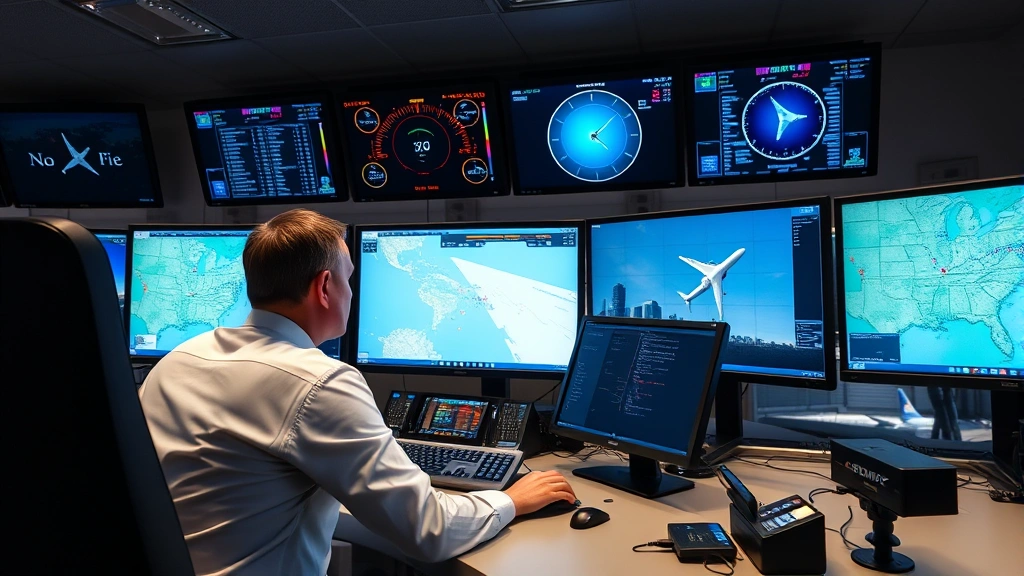
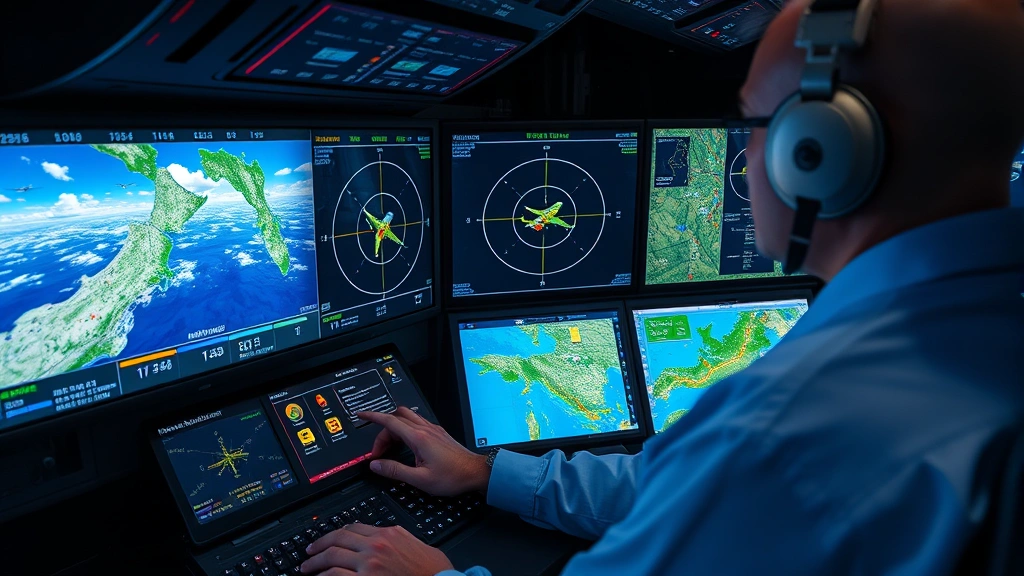
The dispatcher’s workspace typically features multiple computer monitors displaying flight tracking software, weather radar, and communication systems. They work in coordination with pilots, air traffic control, maintenance teams, and operations managers. Their decisions directly impact safety, on-time performance, fuel efficiency, and ultimately, an airline’s profitability. The role demands constant vigilance, as situations can change rapidly and require immediate decision-making.

Essential Qualifications and Certifications
Pursuing a flight dispatcher vacancy requires meeting specific educational and professional requirements established by aviation authorities worldwide. In the United States, the Federal Aviation Administration (FAA) mandates that all flight dispatchers hold an Airline Transport Dispatcher License (ATDL). This certification demonstrates competency in all aspects of flight operations and safety protocols.
To obtain an ATDL, candidates typically must:
- Complete an accredited flight dispatcher training program (120-200 hours minimum)
- Gain practical experience through on-the-job training with an airline
- Pass the FAA knowledge exam covering regulations, meteorology, navigation, and aircraft performance
- Pass a practical exam demonstrating real-world decision-making abilities
- Obtain a high school diploma or equivalent
Many aspiring flight dispatchers complete formal training at dedicated flight dispatcher schools or through airline-sponsored programs. These programs cover essential topics including aviation weather interpretation, flight planning software, Federal Aviation Regulations, aircraft systems, and emergency procedures. Some candidates pursue associate or bachelor’s degrees in aviation management or related fields, which provide comprehensive knowledge and competitive advantages in the job market.
Beyond formal certifications, successful flight dispatchers develop strong technical skills including proficiency with flight planning software, weather analysis tools, and airline operations systems. They cultivate excellent communication abilities, as clear and concise radio phraseology with pilots can mean the difference between routine operations and crisis management. Strong mathematical skills prove invaluable for fuel calculations and performance analysis. Additionally, multilingual capabilities enhance career prospects, particularly for international airlines.
Finding and Landing Flight Dispatcher Vacancies
The aviation job market requires strategic searching and networking to uncover available flight dispatcher vacancy positions. Major airlines consistently recruit qualified dispatchers, but positions vary by season and airline expansion plans. The most effective approach involves combining multiple job search strategies to maximize your opportunities.
Primary resources for finding flight dispatcher jobs include:
- Airline Career Websites: Major carriers like United, American, Delta, Southwest, and international airlines post openings on their official career portals. These positions often include comprehensive benefits and structured training programs.
- Aviation Job Boards: Specialized websites dedicated to aviation careers aggregate dispatcher positions from numerous airlines and aviation companies.
- Professional Organizations: The National Air Dispatcher Association (NADA) and similar professional groups maintain job boards and networking opportunities.
- Recruitment Agencies: Aviation-focused recruiters maintain relationships with airlines and can match qualified candidates with available positions.
- Industry Networking: Attending aviation conferences, joining professional associations, and connecting with current dispatchers can reveal opportunities before public posting.
When applying for a flight dispatcher vacancy, tailor your resume to highlight relevant technical skills, certifications, and any aviation experience. Include your ATDL or progress toward obtaining it prominently. Cover letters should demonstrate your understanding of the role’s criticality and your commitment to safety and operational excellence. Many airlines require background checks, medical clearances, and security clearances, so ensure your background remains clean and your documentation is current.
Interview preparation should emphasize your ability to handle high-pressure situations, make sound decisions with incomplete information, and prioritize safety above all other considerations. Prepare specific examples demonstrating problem-solving abilities, communication skills, and your understanding of aviation operations. Questions often focus on how you’d handle emergency scenarios, manage communication with pilots during crisis situations, and stay updated on regulatory changes.
Salary, Benefits, and Career Growth
Flight dispatcher positions offer competitive compensation packages that reflect the role’s responsibility and technical demands. Entry-level dispatchers typically earn between $45,000 and $60,000 annually, while experienced professionals at major carriers can exceed $100,000 per year, especially with overtime and shift differentials. Seniority, airline size, and geographic location significantly influence salary levels.
Beyond base salary, flight dispatchers enjoy comprehensive benefits including:
- Health insurance (medical, dental, vision) with employer contributions
- Retirement plans with matching contributions
- Flight benefits allowing personal and family air travel discounts
- Paid time off including vacation, sick leave, and holidays
- Shift differential pay for overnight and weekend work
- Continuing education and training allowances
- Career advancement opportunities into supervisory and management roles
Career progression in flight dispatch typically follows a structured path. New hires begin as assistant dispatchers or trainees, working under supervision while completing airline-specific training. After demonstrating competency, they advance to full dispatcher status. Experienced dispatchers can transition into supervisory roles overseeing other dispatchers, operations management positions, or specialized areas like international flight planning or hazmat coordination. Some pursue careers in airline operations planning, safety management, or regulatory compliance.
The aviation industry values experience, and dispatchers with 10+ years of service often command premium salaries and senior positions. Pursuing additional certifications in specialized areas like international operations or hazmat dispatching can accelerate advancement and increase earning potential. Many experienced dispatchers transition into consulting roles, training positions, or management careers within aviation companies.
Challenges and Rewards of the Role
Flight dispatcher work presents unique challenges alongside tremendous rewards. The job demands unwavering attention to detail—a single miscalculation regarding fuel, weather, or route selection could compromise safety or efficiency. Dispatchers work irregular hours including nights, weekends, and holidays, as aviation operates 24/7. The mental and emotional demands can be substantial, particularly when managing emergency situations or dealing with aircraft incidents.
Stress management becomes crucial in this profession. Dispatchers often manage multiple flights simultaneously, each requiring constant monitoring and potential adjustments. Weather emergencies, mechanical issues, or medical situations on aircraft demand rapid, accurate decision-making. Building resilience, maintaining composure under pressure, and developing effective coping strategies are essential for long-term success and personal well-being.
However, the rewards profoundly outweigh the challenges for those suited to this career. Flight dispatchers contribute directly to aviation safety, knowing their decisions protect thousands of lives daily. The role provides intellectual stimulation, technical challenges, and the satisfaction of solving complex operational problems. Many dispatchers describe their work as genuinely meaningful—they’re part of an essential infrastructure keeping the world connected. The camaraderie among dispatch teams, pilots, and crew members creates a strong professional community.
For those passionate about aviation, the career offers insider perspectives on how the industry operates. Dispatchers develop expertise in weather systems, aircraft performance, international regulations, and operational efficiency. This knowledge creates opportunities for consulting, training, or advancement into senior aviation management positions. The stability of airline employment, competitive compensation, and excellent benefits make flight dispatch an attractive long-term career choice.
Industry Trends and Future Opportunities
The flight dispatch profession is evolving with technological advancements and changing aviation landscapes. Automation increasingly handles routine calculations and data management, but human expertise remains irreplaceable for decision-making, crisis management, and strategic planning. Modern dispatchers work with sophisticated software integrating weather data, flight tracking, fuel optimization algorithms, and predictive analytics.
Climate change and extreme weather patterns are increasing the complexity of flight planning. Dispatchers must stay current with evolving weather phenomena, requiring continuous learning and professional development. Environmental regulations are pushing airlines toward fuel-efficient operations, making dispatcher expertise in optimization increasingly valuable.
International aviation growth, particularly in emerging markets, creates expanding opportunities for dispatchers with multilingual capabilities and international experience. Airlines expanding routes to new destinations require experienced dispatchers to establish operations in unfamiliar regions. Those interested in international opportunities might explore positions with carriers flying routes like flights to Santorini, expanding global networks.
The industry is also experiencing generational transitions as experienced dispatchers retire. This creates abundant flight dispatcher vacancy opportunities for qualified candidates entering the profession. Airlines are increasingly investing in comprehensive training programs and mentorship initiatives to develop the next generation of dispatch professionals. This represents an excellent time to enter the field, with strong job security and clear advancement pathways.
Remote dispatch operations are becoming more common, with some airlines centralizing dispatch functions across multiple bases. This trend may offer lifestyle flexibility for some dispatchers while requiring adaptation to new operational models. Pursuing additional certifications in emerging areas like drone operations oversight or advanced weather analysis could position dispatchers for evolving roles within aviation.
FAQ
What is the typical work schedule for a flight dispatcher?
Flight dispatchers work rotating shifts covering 24-hour operations, including nights, weekends, and holidays. Most airlines use shift-based scheduling with typical 8-10 hour shifts. Seniority often determines schedule preferences, allowing experienced dispatchers to secure more desirable schedules. Some positions offer shift bidding systems where dispatchers request preferred schedules based on seniority.
How long does it take to become a flight dispatcher?
The timeline typically spans 12-24 months. Formal training programs last 3-6 months, followed by 6-18 months of on-the-job training with an airline before achieving full dispatcher certification. This duration varies based on individual learning pace, airline training programs, and prior aviation experience. Some candidates with extensive aviation backgrounds progress more quickly.
Are flight dispatcher jobs secure?
Yes, flight dispatcher positions offer excellent job security. Airlines depend on dispatchers for safe operations, making these roles essential and relatively recession-resistant. Union representation at major carriers provides additional job protections and contractual benefits. The industry-wide shortage of qualified dispatchers further strengthens job security for certified professionals.
Can flight dispatchers work for other organizations besides airlines?
Absolutely. Flight dispatchers work for cargo airlines, charter companies, medical helicopter services, military aviation units, and aviation consulting firms. Some dispatchers transition into roles with aircraft manufacturers, regulatory agencies, or aviation safety organizations. This diversity creates varied career paths beyond traditional airline dispatch.
What’s the difference between a flight dispatcher and an air traffic controller?
Flight dispatchers plan flights before departure and monitor operations from the ground, while air traffic controllers manage aircraft movement in airspace and at airports in real-time. Dispatchers focus on strategic planning and efficiency; controllers emphasize safety separation and traffic flow. Both roles require different certifications and training but work collaboratively to ensure safe aviation operations.
Is the flight dispatcher profession affected by automation?
Automation handles routine calculations, data processing, and monitoring, but human decision-making remains essential. Dispatchers increasingly work with advanced software tools rather than replacing human expertise. The profession is evolving toward more strategic roles emphasizing judgment, crisis management, and complex problem-solving—areas where human expertise remains irreplaceable.
For those passionate about aviation and seeking meaningful work in a dynamic industry, pursuing a flight dispatcher vacancy opens doors to a rewarding career. The combination of job security, competitive compensation, intellectual challenge, and the knowledge that you’re contributing to safe global aviation makes flight dispatch an excellent choice for dedicated professionals. Start your journey today by researching accredited training programs and connecting with industry professionals who can guide your path into this essential aviation profession.