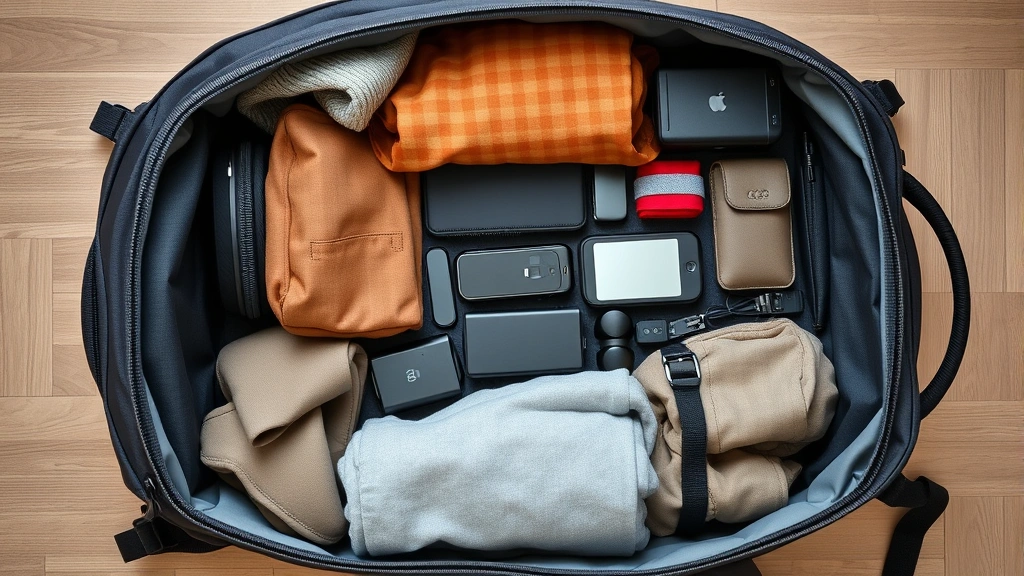
How to Choose a Flight Bag? Expert Advice for Every Traveler
Selecting the right flight bag can transform your travel experience from stressful to seamless. Whether you’re a frequent business traveler catching Denver to Phoenix flights or an adventure seeker heading out on extended expeditions, your bag choice matters more than you might think. A well-chosen flight bag keeps your essentials organized, fits within airline restrictions, and protects your belongings throughout your journey.
The perfect flight bag isn’t just about capacity—it’s about understanding your travel style, destination type, and personal preferences. From sleek cabin-approved carry-ons to robust travel backpacks, the market offers countless options that cater to different needs. This comprehensive guide will help you navigate the selection process with confidence, ensuring you invest in a bag that serves you well for years to come.
Traveling frequently between destinations like Denver to Chicago flights or Denver to Las Vegas flights requires a bag that handles varied climates and trip durations. Our expert advice covers everything from material selection to organizational features that matter most.

Understanding Flight Bag Types
The world of flight bags encompasses several distinct categories, each designed for different travel scenarios and preferences. Understanding these types helps you narrow down your options significantly.
Cabin-sized carry-on bags represent the most popular choice for air travelers. These compact options meet standard airline dimensions (typically 22x14x9 inches), allowing you to bypass checked baggage fees and baggage claim waits. They’re ideal for short trips and business travel where efficiency matters. Many modern carry-on bags feature expandable compartments, TSA-approved locks, and innovative packing systems that maximize limited space.
Rolling luggage remains a classic choice for travelers who prioritize ease of movement through airports. Spinner wheels (four wheels rotating 360 degrees) provide superior maneuverability compared to traditional two-wheel designs. This style works exceptionally well for travelers with mobility concerns or those navigating crowded airport terminals with heavy loads.
Travel backpacks offer adventure-focused travelers a hands-free, versatile option. These bags typically feature padded shoulder straps, hip belts for weight distribution, and access points that allow you to pack and retrieve items without unpacking everything. They’re particularly popular among backpackers and those combining air travel with ground exploration.
Hybrid bags blend characteristics of multiple styles—combining backpack straps with rolling wheels, or featuring convertible designs that adapt to different carrying methods. These intelligent designs suit travelers who transition between airport terminals and urban exploration.
Weekender duffels provide a stylish, compact option for short trips. These barrel-shaped bags offer surprising capacity despite their modest footprint and work beautifully for weekend getaways or minimalist packers. Many feature expandable sections and organizational pockets hidden within their streamlined design.

Size and Capacity Considerations
Selecting appropriate size prevents both wasted space and overpacking disasters. Most airlines allow carry-on bags up to 22x14x9 inches, though budget carriers sometimes enforce stricter limits. Check your specific airline’s requirements before purchasing, as dimensions vary significantly.
Day trip bags typically range from 20-30 liters, providing enough space for a laptop, change of clothes, toiletries, and personal items without excessive bulk. These compact options work perfectly for short flights or minimal travel needs.
Weekend getaway bags usually fall into the 40-50 liter range, offering room for three to four days of clothing, shoes, and accessories while maintaining carry-on compliance. This sweet spot accommodates most leisure travelers without requiring checked baggage.
Extended trip luggage spans 50-80+ liters, designed for checked baggage. These larger options suit month-long adventures or relocations, though they demand more robust construction to handle rough airport handling.
Consider your typical trip duration and packing habits honestly. Optimists often purchase oversized bags and fill them unnecessarily, while minimalists sometimes choose bags too small for comfort. Calculate your actual needs by reviewing past trips—how many days do you typically travel? What’s your clothing quantity? Do you carry professional equipment or camera gear?
Material Quality and Durability
Your flight bag’s material determines its lifespan, weight, and protection capabilities. Understanding material options helps you make informed decisions aligned with your travel frequency and style.
Ballistic nylon represents the gold standard for travel bags. This military-grade fabric resists tears, punctures, and abrasions while remaining relatively lightweight. Bags constructed from ballistic nylon withstand years of airport abuse, making them excellent investments for frequent travelers. The material’s water-resistant properties protect contents from spills and light precipitation.
Polycarbonate shells offer rigid protection for rolling luggage, safeguarding contents from crushing damage during baggage handling. These hard-sided bags excel at protecting fragile items and electronics, though they’re heavier than soft-sided alternatives. Modern polycarbonate formulations balance durability with weight reduction.
Polyester and canvas blends provide affordable durability for casual travelers. While less resilient than ballistic nylon, quality polyester fabrics with reinforced seams handle regular travel well. Canvas options appeal to style-conscious travelers seeking vintage aesthetics without sacrificing functionality.
Leather accents add elegance and durability to hybrid designs. Genuine leather reinforces stress points and handles edges, extending bag longevity while enhancing appearance. However, leather requires maintenance and adds weight, making it better suited for business travel than adventure trips.
Examine zippers closely—they’re critical failure points. YKK zippers represent industry standards for reliability, while double stitching at stress points indicates quality construction. Metal zippers generally outperform plastic alternatives, though they’re heavier.
Weight Distribution and Comfort
How your bag feels during extended carrying significantly impacts travel enjoyment. Poor weight distribution causes fatigue, shoulder strain, and back pain that diminish your adventure.
Padded shoulder straps reduce shoulder pressure and distribute weight more comfortably across your upper body. Look for straps at least 2 inches wide with substantial cushioning. Adjustable straps accommodate different body sizes and allow personalized fit.
Hip belts transfer weight to your hips—your body’s strongest load-bearing area. Quality hip belts feature padded construction and secure fastening mechanisms. This feature proves essential for backpacks carrying substantial loads, as it dramatically reduces strain on shoulders and neck.
Back panel construction affects comfort during extended carrying. Padded panels with ventilation channels reduce sweat accumulation and provide ergonomic support. Some premium bags feature contoured panels that follow spinal curves for enhanced comfort.
Weight itself matters considerably. An empty bag weighing 3 pounds versus 5 pounds seems trivial until you’re carrying it through airport terminals for hours. Lightweight materials like ballistic nylon and advanced synthetics help minimize bag weight while maintaining durability.
Center of gravity affects how your body balances loads. Well-designed bags position heavy items close to your body and centered vertically, creating stable carrying positions. Poorly designed bags shift weight awkwardly, causing fatigue even when total weight seems reasonable.
Organization Features
Smart organization transforms chaotic packing into efficient systems that save time and reduce frustration. Evaluate organizational features based on your packing style and travel priorities.
Compartmentalized designs separate different item categories, preventing everything from jumbling together. Dedicated laptop compartments protect electronics, while shoe compartments isolate dirty items from clothing. Mesh pockets let you see contents without opening the main compartment.
TSA-approved laptop access allows security screening without removing your computer. This feature proves invaluable for frequent business travelers, reducing security line stress. Look for designs where the laptop compartment folds flat, meeting TSA requirements.
External pockets provide quick access to frequently needed items—phones, boarding passes, headphones, travel documents. Multiple pockets prevent constant rummaging through main compartments. Water bottle pockets keep hydration accessible without taking up interior space.
Compression straps reduce bag volume, allowing you to pack more efficiently or compress partially-filled bags for compact storage. These straps also stabilize contents, preventing shifting during transport.
Expandable compartments adapt to varying packing needs. Zippered sections that expand 2-3 inches accommodate unexpected purchases or seasonal clothing variations without forcing you into oversized permanent bags.
Interior organization systems like packing cubes subdivide space logically. Some premium bags feature built-in dividers or removable organizers that create custom configurations matching your specific needs.
Security and Protection Elements
Travel safety depends partly on your bag’s security features and protective capabilities. Modern flight bags incorporate multiple safeguards against theft and damage.
TSA-approved locks allow security personnel to inspect bags without damaging locks. These specialized locks use master keys that security agents possess, preventing forced entry that damages zippers. Choose bags with lockable zippers as standard rather than optional features.
RFID-blocking technology prevents electronic theft of credit card and passport information. While some travelers debate RFID necessity, this protection costs little and provides peace of mind in crowded tourist areas where electronic skimming occurs.
Hidden pockets offer secure storage for valuables, cash, and important documents. These concealed compartments, often positioned against the bag’s back panel or within padded sections, remain invisible to casual observation. Reserve these for items you’d devastate losing.
Slash-resistant materials protect against deliberate bag cutting, a theft method in some high-crime areas. Bags incorporating steel mesh or special weaves prevent knife cuts that would otherwise expose contents.
Waterproof compartments protect electronics and important documents from spills, weather, and airport cleaning procedures. Even if your bag isn’t entirely waterproof, dedicated waterproof pockets provide targeted protection for sensitive items.
Reinforced stress points prevent damage that creates access points for theft. Double stitching, riveted corners, and reinforced zipper foundations reduce failure risks that thieves might exploit.
Style and Aesthetic Appeal
Your flight bag represents you to fellow travelers and business associates. Aesthetic considerations matter for both professional image and personal satisfaction.
Professional business bags should project competence and polish. Neutral colors (black, navy, charcoal), refined materials like leather-accented nylon, and minimal branding create sophisticated impressions. These bags suit corporate environments and executive travel.
Adventure-focused designs embrace functionality over formality. Bold colors, technical aesthetics, and visible gear loops appeal to explorers and outdoor enthusiasts. These bags signal readiness for authentic experiences rather than luxury resort stays.
Travel backpack aesthetics range from minimalist technical designs to vintage-inspired heritage styles. Choose designs reflecting your personality and travel philosophy—whether that’s cutting-edge innovation or timeless classics.
Convertible styles offer flexibility for travelers serving multiple roles. Bags with removable straps or professional exteriors that hide adventure gear suit those transitioning between boardrooms and backcountry.
Color selection impacts visibility and practicality. Dark colors hide dirt and stains better for frequent travelers, while distinctive colors make bags easier to spot on airport carousels. Consider your aesthetic preferences balanced against practical maintenance concerns.
Budget and Value Assessment
Flight bag prices range from under $50 to over $500, with price reflecting materials, construction quality, and brand reputation. Strategic budget allocation ensures you invest appropriately based on travel frequency and needs.
Budget options ($50-150) suit occasional travelers and those testing preferences before investing in premium bags. These bags often feature adequate functionality and acceptable durability for light use, though materials and construction typically don’t match premium alternatives.
Mid-range bags ($150-300) represent the sweet spot for regular travelers. These options offer quality materials, solid construction, and thoughtful features without premium pricing. Most frequent travelers find these bags deliver excellent value through years of reliable service.
Premium investments ($300+) appeal to professionals and frequent travelers seeking maximum durability and features. Premium bags often include lifetime warranties, superior materials, and innovative designs that justify higher costs through extended lifespans.
Calculate cost-per-use to assess true value. A $300 bag used 50 times annually costs $6 per use, while a $100 bag used 10 times yearly costs $10 per use. Frequent travelers benefit from premium investments, while occasional travelers find mid-range options more sensible.
Consider warranty coverage when evaluating price. Lifetime warranties or extended coverage periods indicate manufacturer confidence in durability and provide valuable protection for investment. Some premium brands repair or replace bags indefinitely, making them cost-effective long-term.
Real-World Selection Scenarios
Different travel situations demand different bag characteristics. Consider these common scenarios to identify which features matter most for your specific needs.
Business travel scenarios prioritize quick airport transitions and professional appearance. Carry-on rolling luggage with TSA laptop access, business-appropriate styling, and quiet wheels (avoiding noise in hotel hallways) serve these needs well. Look for bags featuring dedicated compartments for documents, electronics, and business attire.
Adventure travel requires durable backpacks with comfortable weight distribution, expandable capacity, and protective features for electronics and valuables. Waterproof compartments, external gear loops, and ventilated back panels become priorities over appearance and wheels.
Family travel with children benefits from bags balancing capacity with maneuverability. Rolling luggage with expandable compartments accommodates variable packing needs as children grow. Lightweight construction helps when managing multiple bags simultaneously.
Digital nomad travel demands bags serving as mobile offices. Laptop compartments with secure access, cable organization systems, and weather protection for electronics prove essential. Lightweight, carry-on-compliant options allow maximum flexibility without checked baggage fees.
Luxury resort travel suits smaller, stylish bags prioritizing appearance. Weekend duffels or compact rolling bags with refined aesthetics work well when destinations provide laundry services. Professional appearance matters more than maximum capacity.
Testing Before Purchasing
Before committing to a flight bag purchase, test how it feels and functions in realistic scenarios. Many retailers offer try-before-you-buy options or flexible return policies.
Pack your actual items into display models to assess real-world capacity and organization. Generic packing cubes don’t reveal how your specific belongings fit or how accessible they are during use.
Wear the bag for extended periods to evaluate comfort. Walk around stores or parking lots with weight in the bag, assessing shoulder strain, hip belt effectiveness, and overall balance. A five-minute try-on doesn’t reveal true comfort for hours of wearing.
Test all features you plan using. Open and close zippers multiple times, expand compartments, adjust straps, and access pockets. Smooth operation during store testing suggests quality that will endure years of use.
Compare side-by-side options within your budget range. Seeing multiple bags simultaneously helps identify which features matter most to you and which marketing claims genuinely impact functionality.
Read verified reviews from travelers matching your profile. Someone traveling similarly to you provides more relevant feedback than generic reviews. Look for long-term reviews describing how bags perform after months or years of use.