Table of Contents
Introduction
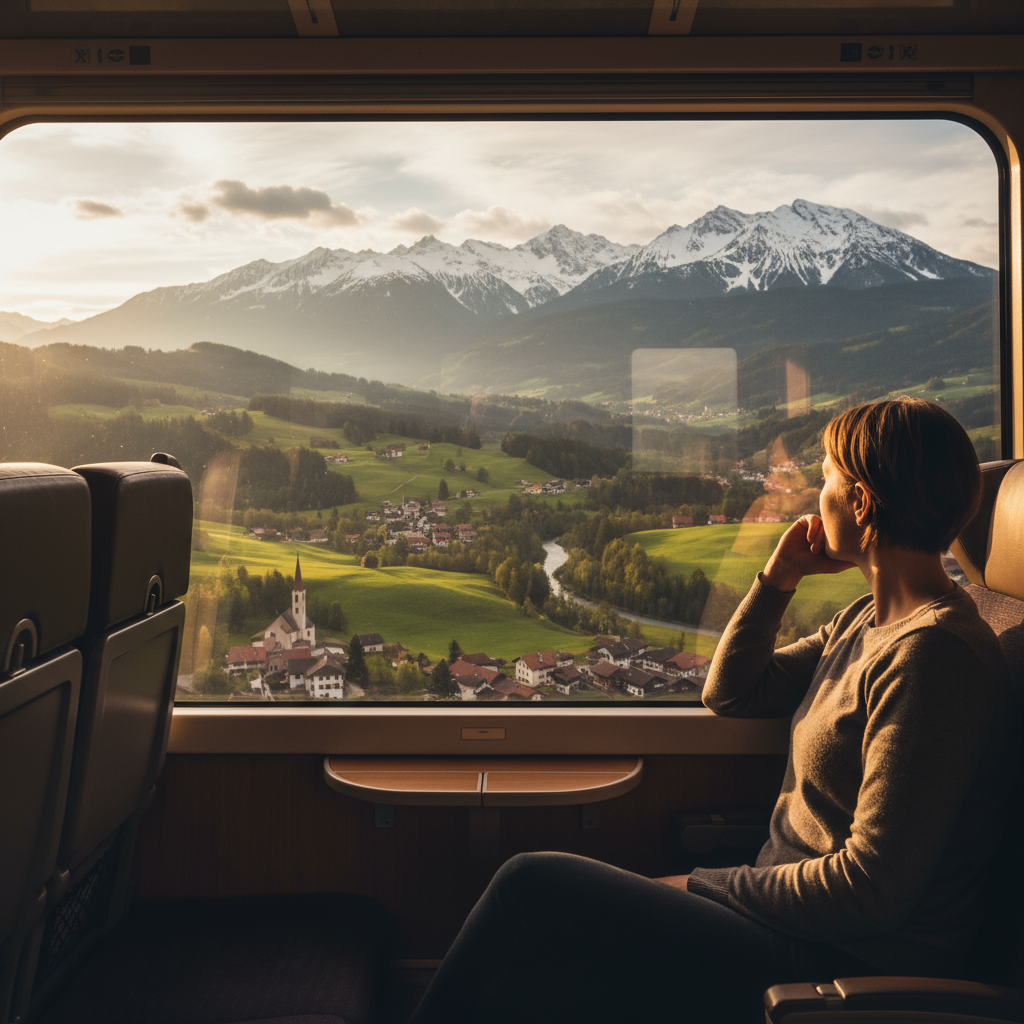
Picture this: you’re watching the Swiss Alps roll by your window while sipping coffee from an actual ceramic cup. No cramped airplane seats, no highway traffic jams—just you, the scenery, and the gentle rhythm of steel on tracks. That’s the magic of European train travel, and honestly? Once you’ve experienced it, flying starts to feel a bit barbaric.
Here’s why trains have become Europe’s secret weapon for travelers. They connect city centers directly—no trudging out to some distant airport. The stations are right where you want to be. Plus, you get views that drivers on highways can only dream about. We’re talking Alpine valleys, medieval villages perched on hillsides, and coastlines that make you want to press your face against the glass like a kid.
But it’s not just about the scenery (though wow, the scenery). Train travel gives you options. Need to get from London to Paris fast? The Eurostar has you covered in just over two hours. Want to meander through the countryside at a leisurely pace? Regional trains let you hop off wherever catches your eye. And overnight sleeper trains? They’re like time machines—you fall asleep in one country and wake up in another, fully rested and ready to explore.
Now, if you’re planning routes that climb into serious altitude—like some of those breathtaking Alpine journeys—you might want to know how to prepare for altitude sickness. Trust me, there’s nothing worse than feeling queasy when you should be marveling at mountain peaks. A little preparation goes a long way toward enjoying every minute of those high-altitude routes.
What really gets me about European train travel is how it connects you to the continent’s story. These railways aren’t just transportation—they’re history lessons on wheels. The Orient Express route that once carried spies and aristocrats. The lines that helped rebuild Europe after the wars. Every journey carries echoes of the past while speeding you toward your future adventures.
What You’ll Learn in This Guide
We’re going to walk through everything you need to know about European train travel. No fluff, no generic advice—just practical insights that’ll help you plan the perfect rail adventure.
- Why Choose Train Journeys in Europe: The real reasons why trains beat planes and cars, from environmental benefits to the simple pleasure of watching the world go by at the perfect speed.
- Types of Train Services: High-speed bullets, scenic routes that take their sweet time, overnight sleepers, and everything in between—we’ll help you pick your perfect ride.
- Top Popular Train Routes: The bucket-list journeys everyone talks about (like the Glacier Express) plus some hidden gems that most tourists miss completely.
- Tips for Booking and Traveling: The insider knowledge that makes the difference between a good trip and an unforgettable one—from snagging the best seats to packing smart.
Look, I could spend hours telling you about the romance of rail travel and the poetry of motion. But you probably want practical information you can actually use. So that’s exactly what we’re going to give you. Whether you’re dreaming of your first European rail adventure or you’re a seasoned traveler looking for new routes to explore, this guide has something for you.
By the time you finish reading, you’ll know exactly how to book the right tickets, what to pack (hint: it’s less than you think), and how to make the most of every mile. We’ll cover the logistics that matter and skip the stuff that doesn’t. Because honestly? The best part about train travel isn’t the planning—it’s sitting back, relaxing, and watching Europe unfold outside your window.
Ready to trade airport security lines for station platforms? Let’s dive in and start planning your perfect European train adventure. The tracks are waiting, and trust me—the journey really is just as amazing as the destination.
Building on what we’ve already covered, European train journeys offer something special that goes way beyond just getting from point A to point B. Picture this: you’re gliding through rolling countryside, watching ancient castles drift past your window, while someone else handles the driving. That’s the magic of rail travel across Europe. Sure, it’s practical—no long airport security lines, no cramped middle seats. But here’s what really makes it shine: the journey becomes part of your story, not just the means to an end. Whether you’re chasing famous routes that grace every travel magazine or hunting down those hidden gems that locals whisper about, Europe’s rail network has got you covered. Let’s dig into why trains might just be your best travel companion, then explore some routes that’ll leave you speechless.
Why Choose Train Journeys in Europe?
European train travel has this perfect sweet spot between convenience and pure wanderlust satisfaction. Think about it—while everyone else is dealing with airport chaos, you’re stepping aboard right from the city center. No schlepping to some distant terminal, no arriving two hours early just to wait in line. You literally walk from your hotel, grab a coffee, and boom—you’re on your way. But here’s where it gets really good: trains take you places planes simply can’t reach. Those dramatic mountain passes? Coastal routes that hug pristine shorelines? Quaint villages where time seems to have stopped? That’s train territory. For travelers who care about their environmental impact, understanding eco-friendly hotels and sustainable travel becomes part of building a truly responsible travel mindset.
Now, European trains aren’t just one-size-fits-all. You’ve got high-speed bullets like the Eurostar that’ll get you from London to Paris faster than you can say “croissant.” Then there are those slower, more contemplative regional trains that meander through landscapes like they’re in no hurry—and neither should you be. Want to wake up in a completely different country? Overnight sleeper trains turn your commute into accommodation. Pretty clever, right? The beauty lies in matching your train choice to your mood and timeline. And let’s talk comfort—modern trains come loaded with Wi-Fi, dining cars, and seats that actually accommodate human beings. Many travelers discover that these journeys spark a deeper connection to Europe’s heritage and natural beauty than any guidebook ever could.
Benefits of Train Travel
Here’s why train travel might just ruin you for other forms of transportation:
- Eco-friendly and sustainable: Your carbon footprint shrinks dramatically compared to flying or driving—Mother Earth approves while you explore her beautiful corners.
- Access to remote landscapes: Rail lines snake through places that highways and flight paths miss entirely, delivering front-row seats to some seriously photogenic countryside.
- City-center convenience: Step off the train and you’re already where the action is—no taxi rides from distant airports or hunting for city-center parking.
- Flexible itineraries: Europe’s rail network is like a giant connect-the-dots game where you get to draw the lines, mixing fast connections with scenic detours as your heart desires.
This approach mirrors other aspects of smart travel—like choosing hotels with concierge services that add genuine value to your experience. The right train service gives you efficiency when you need it and leisure when you want it, all while European landscapes unfold outside your window.
Types of Train Services in Europe
European railways offer a buffet of options, each with its own personality:
- High-speed trains: The Eurostar and France’s TGV are speed demons that zip between major cities—perfect when time matters but comfort doesn’t take a backseat.
- Scenic regional trains: These are the slow-food equivalent of rail travel, taking historic routes through landscapes that deserve to be savored, not rushed past.
- Overnight sleeper trains: Why waste daylight hours traveling when you can sleep your way to your next destination? It’s like teleportation with dreams.
- Intercity and international trains: The workhorses of European rail, connecting countries with various speeds and amenities to match whatever adventure you’re chasing.
Choosing between these feels a bit like selecting the right wine for dinner—it’s about matching the experience to the moment. Understanding what each offers helps you craft journeys that feel intentional rather than accidental.
This trend toward thoughtful, immersive travel shows up everywhere these days, from transportation choices to accommodation decisions. Just like all-inclusive resorts bundle convenience with authentic experiences, European train travel packages efficiency with genuine cultural connection.
Now that we’ve covered why trains make such compelling travel partners and what types of services await, let’s spotlight some specific routes that showcase Europe’s scenic and cultural treasures—both the famous ones everyone talks about and the secret gems that’ll make your friends jealous.
Top Popular Train Routes in Europe
Some train routes have earned their fame the hard way—by consistently delivering jaw-dropping experiences that stick with you long after you’ve returned home. Take Switzerland’s Glacier Express, which has turned alpine scenery into an art form. This isn’t just a train ride; it’s a moving theater where snow-capped peaks, emerald valleys, and storybook villages perform outside panoramic windows designed specifically for gawking. The popularity makes sense when you experience those specially crafted carriages that eliminate any bad seats in the house. Travelers planning Swiss adventures often pair these journeys with stays at hotels with scenic views, creating layered experiences where the beauty doesn’t stop when the train does.
Then there’s the Eurostar—London to Paris through an underwater tunnel in about two hours. It sounds almost boring when you say it like that, but here’s the thing: you board in one culture and step off in another before you’ve finished your morning coffee. The speed and city-center connections make it ridiculously easy to turn a weekend in London into a week exploring France, Belgium, and beyond. This kind of seamless urban-to-urban travel has changed how we think about European exploration.
Scotland’s West Highland Line deserves its own love letter. This route serves up everything that makes the Scottish Highlands legendary—brooding mountains, mirror-like lochs, and villages that look like they’ve been borrowed from a fairy tale. The pace here is deliberately unhurried, giving you time to actually absorb the wilderness drama unfolding outside. It’s the kind of journey that reminds you why the destination doesn’t always have to be the point.
Key Aspects of Popular Routes
What separates these routes from ordinary transportation:
- Panoramic views and natural beauty: Purpose-built carriages and carefully chosen routes turn travel time into prime viewing time for nature’s greatest hits.
- Iconic city connections: Fast, frequent services link Europe’s must-see cities, letting you maximize your urban exploration without the travel day hassle.
- Historic and cultural significance: These aren’t just pretty routes—they connect you to regions where history lives in the landscape and culture runs deeper than tourist attractions.
- Onboard amenities and comfort: Dining cars, proper legroom, and thoughtful details that let you actually enjoy the journey instead of just enduring it.
But famous routes are just the opening act. Europe’s rail network hides some spectacular secrets that offer equally stunning views with far fewer crowds—perfect for travelers who like their adventures with a side of discovery.
Unique Scenic Routes Off the Beaten Path
Sometimes the best experiences hide in plain sight, waiting for curious travelers willing to venture beyond the headline routes. Norway’s Flam Railway packs more drama into a short journey than seems physically possible. This track climbs (and descends) mountainsides so steep you’ll question the laws of physics, while fjords spread out below like nature’s own masterpiece. Yes, it’s brief—but those views will replay in your memory for years. Smart travelers planning such exclusive adventures often research local amenities like hotels with rooftop pools to extend their scenic indulgence beyond train windows.
Italy’s Cinque Terre Train connects five impossibly colorful coastal villages that seem to defy gravity as they cling to cliffsides. This isn’t just transportation—it’s a village-hopping adventure where each stop reveals a different shade of Mediterranean charm. The frequent service means you can explore at your own pace, diving into local cuisine, culture, and that particular Italian magic that makes every corner photo-worthy.
For the truly adventurous, the European leg of the Trans-Siberian Express offers a taste of one of the world’s most epic rail journeys. Even this shorter segment delivers an impressive variety of landscapes and cultures, serving as either a standalone adventure or the perfect appetizer for the full continental crossing. It’s travel on a scale that puts your daily commute into perspective.
Key Aspects of Offbeat Routes
What makes these lesser-known journeys special:
- Dramatic natural scenery: From Norwegian fjords to Italian coastal villages, these routes showcase landscapes that mass tourism hasn’t discovered or overcrowded yet.
- Cultural richness of remote towns: The stops along these lines offer authentic slices of local life—the kind of experiences that turn trips into stories worth telling.
- Short and accessible options: Routes like the Flam Railway prove that unforgettable doesn’t require weeks of planning or major time commitments.
- Connection to grander adventures: Some routes, like the Trans-Siberian’s European segment, open doors to even bigger journey possibilities across multiple continents.
There’s something magical about exploring Europe by train. Maybe it’s watching the countryside roll by your window, or stepping off at a station where history seems to echo from every cobblestone. From the lightning-fast Eurostar that whisks you between major cities to those charming regional trains that meander through villages you’d never find on a highway—every trip tells its own story.
Take Switzerland’s Glacier Express. Sure, it’s touristy, but those alpine views? Absolutely worth it. Or Scotland’s West Highland Line, where you’ll find yourself reaching for your camera every few minutes (and probably missing half the scenery because you’re too busy trying to capture it). If you’re feeling adventurous, Norway’s Flam Railway will leave you speechless, and Italy’s Cinque Terre Train connects those postcard-perfect coastal villages in a way that makes perfect sense once you’re there.
Here’s what I love about European trains: there’s something for every type of traveler. Need to get somewhere fast? High-speed trains have you covered. Want to wake up in a completely different country? Overnight sleepers are your friend. Plus, you’re doing the planet a favor—trains are one of the greenest ways to travel. And unlike flying, you roll right into city centers. No airport shuttles, no hour-long taxi rides from the middle of nowhere.
But let’s talk strategy for a minute. A little planning goes a long way here. Learn the difference between ticket types, figure out if a rail pass makes sense for your trip, and book popular routes early. Trust me, you don’t want to be standing in the aisle for four hours because you waited too long to reserve. Pack smart too—think layers, comfortable shoes, and maybe download a few podcasts for those longer stretches. Most trains have Wi-Fi these days (though it can be spotty in the mountains), and the dining cars are usually better than you’d expect.
Safety’s pretty straightforward—just use common sense. Keep an eye on your belongings, especially at busy stations, and know where your tickets are. European rail networks are incredibly reliable and safe, so you can actually relax and enjoy the ride.
Want to make your train adventure even better? Think about where you’re staying. Eco-friendly hotels and sustainable travel accommodation pair perfectly with the environmental benefits of train travel. And if you’re traveling with kids or just want everything taken care of, check out our guide on all-inclusive resorts for families. Sometimes it’s nice to let someone else handle the details while you focus on making memories.
Look, European train travel isn’t just about getting from point A to point B. It’s about the journey itself—the conversations with fellow travelers, the impromptu stops in towns you’ve never heard of, the way the light changes as you cross from one country to another. Whether you’re racing through the Chunnel or taking the scenic route through the Swiss Alps, you’re not just traveling. You’re experiencing Europe the way it was meant to be seen: slowly, deliberately, and with plenty of time to soak it all in.
Frequently Asked Questions
-
What is the best time of year to take train journeys in Europe?
- The best time depends on the region, but late spring to early fall offers mild weather and scenic views, making it ideal for most train travel experiences.
-
Do I need to reserve seats in advance?
- For popular routes and high-speed trains, advance reservations are recommended to ensure you get the best seats and prices.
-
Are Eurail passes worth it?
- Eurail passes can be cost-effective for travelers planning multiple train journeys across countries, offering flexibility and convenience.
-
Can I bring luggage onboard easily?
- Yes, most European trains have dedicated luggage areas and allow reasonable carry-ons, though it’s good to check restrictions for specific services.
-
Are train journeys accessible for people with disabilities?
- Many trains and stations have accessibility features, but it’s best to check in advance for specific routes and services to meet your needs.