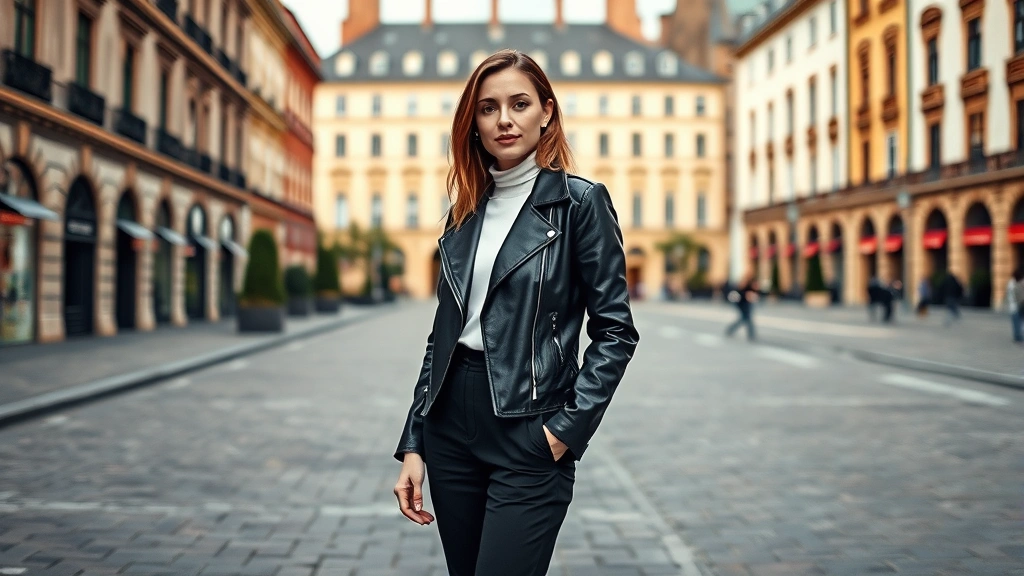
Top Women’s Black Flight Jackets: Style Guide for Adventurous Travelers
The black flight jacket has transcended its military origins to become an iconic piece of fashion that speaks to wanderlust and bold adventure. Originally designed for pilots during World War II, this timeless garment combines functionality with undeniable style—making it the perfect companion for women who refuse to compromise between comfort and sophistication. Whether you’re preparing for flights to Little Rock, Arkansas or embarking on international journeys, a quality black flight jacket elevates any travel wardrobe instantly.
Today’s women’s black flight jackets offer far more than their vintage counterparts. Modern designs incorporate premium materials, tailored silhouettes, and practical features that cater to the contemporary female traveler. From sleek leather versions to innovative synthetic alternatives, these jackets serve as versatile layering pieces that work across multiple seasons and destinations. The beauty of this garment lies in its ability to transform casual travel wear into polished, jet-set elegance with minimal effort.
This comprehensive style guide explores everything you need to know about selecting, styling, and maintaining the perfect women’s black flight jacket for your adventures around the globe.
History and Evolution of Flight Jackets
The flight jacket’s story begins in the 1930s when aviation pioneers needed protective gear that could withstand extreme altitudes and temperatures. Early versions featured leather construction with wool linings, brass zippers, and distinctive ribbed knitting at the cuffs, waist, and collar. These jackets became symbols of courage and adventure, worn by legendary pilots who pushed the boundaries of human flight.
During World War II, the A-2 and B-3 flight jacket designs became standardized military issue, each serving specific purposes for different aircraft types. The A-2, with its sleek leather construction and minimal ornamentation, represented tactical efficiency. Meanwhile, the B-3, featuring sheepskin lining and a larger collar, provided maximum warmth for high-altitude missions. Women pilots of the era, including the legendary WASP (Women Airforce Service Pilots), wore these jackets with pride, establishing the connection between women and aviation heritage.
The transition from military necessity to civilian fashion happened gradually throughout the 1950s and 1960s. Returning servicemen wore their jackets as symbols of their service, and Hollywood embraced the aesthetic, cementing the flight jacket’s status as a cultural icon. By the 1980s, the jacket had become a staple of rock and roll fashion, worn by musicians and artists who appreciated its rebellious edge.
Modern women’s black flight jackets honor this rich heritage while incorporating contemporary design elements. Today’s versions balance historical authenticity with practical innovations, offering women travelers a piece of aviation history wrapped in sophisticated style.
Material Types and Quality Indicators
Understanding material composition is crucial when selecting a black flight jacket that will withstand years of travel and wear. The primary materials used in quality jackets each offer distinct advantages and aesthetic qualities.
Genuine Leather remains the gold standard for flight jackets. Full-grain leather develops a beautiful patina over time, telling the story of your adventures through subtle color variations and texture changes. Genuine leather provides superior durability, breathability, and that unmistakable weight and feel that synthetic alternatives cannot replicate. However, quality leather jackets represent a significant investment, typically ranging from $400 to $1,500 or more. When shopping for leather flight jackets, look for consistent color, supple texture, and weight that feels substantial without being burdensome.
Nubuck and Suede offer luxurious texture and appearance, creating a softer aesthetic than traditional leather. These materials feel incredible against the skin and develop unique character over time. The trade-off is increased maintenance requirements and potential vulnerability to water damage. Nubuck jackets work beautifully for urban exploration or cultural immersion trips where style takes priority over rugged functionality. Before purchasing nubuck flight jackets, consider your typical travel conditions and willingness to invest in protective treatments.
Synthetic Alternatives have evolved dramatically, with modern faux leather and polyurethane-based materials offering impressive durability and weather resistance. These options provide ethical advantages for conscious consumers and eliminate concerns about animal products. Quality synthetic jackets often cost less than genuine leather while requiring minimal maintenance. Brands specializing in synthetic flight jackets have perfected the look and feel, making them virtually indistinguishable from leather to casual observers. The primary consideration is ensuring you select from reputable manufacturers known for longevity rather than cheap imitations that degrade quickly.
Cotton and Canvas Blends represent lighter-weight alternatives perfect for spring and fall travel. These natural materials offer breathability and comfort in moderate climates. While less formal than leather options, cotton flight jackets provide versatility for casual adventures. When considering cotton versions, verify that the fabric has been treated for water resistance if you anticipate variable weather conditions.
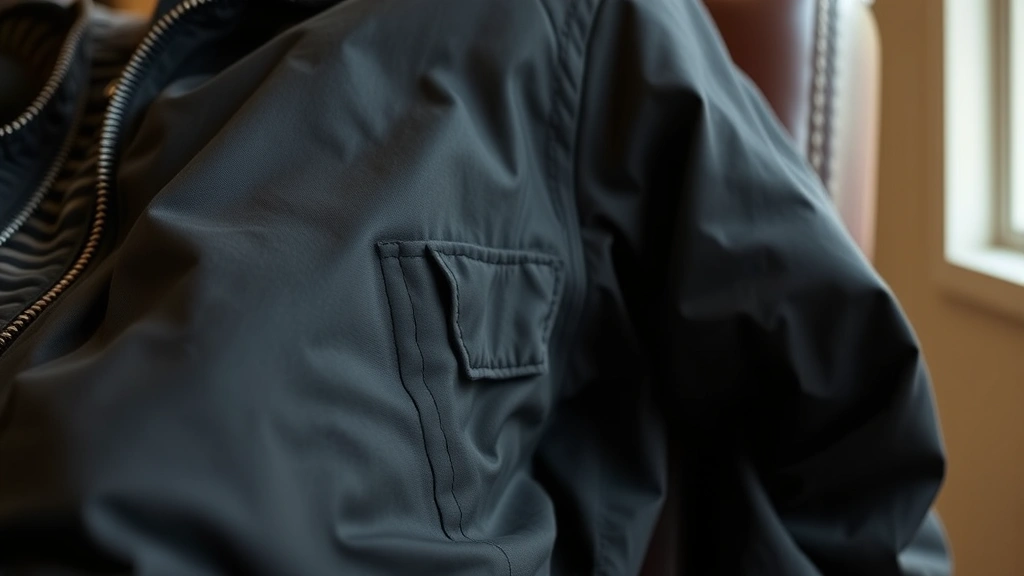
Quality indicators extend beyond material selection. Examine stitching carefully—quality jackets feature straight, even seams with reinforcement at stress points like pocket corners and armholes. Check zipper functionality and construction; premium jackets use durable metal zippers that glide smoothly. Inspect collar and cuff construction for durability. Lining quality matters significantly; thicker linings provide better insulation and longevity. Quality labels typically include information about material sourcing and construction details, reflecting manufacturers’ confidence in their products.
Finding Your Perfect Fit and Silhouette
Proper fit distinguishes a flattering flight jacket from one that overwhelms your frame or restricts movement. Women’s flight jackets come in increasingly diverse silhouettes, moving beyond the traditionally boxy military cut to accommodate various body types and style preferences.
Classic Oversized Fit remains popular among travelers who prioritize comfort and layering capability. This traditional cut provides ample room for movement and accommodates bulky sweaters or thermal layers beneath. The oversized silhouette creates an effortlessly cool aesthetic that works with both casual and dressed-up outfits. When choosing oversized styles, ensure the jacket doesn’t extend past your hip bone, and verify that sleeves hit at your wrist bone to maintain proportions.
Tailored Fitted Silhouettes cater to those seeking a more polished appearance. These jackets feature darts, seaming, and construction details that follow your body’s contours without clinging. Fitted flight jackets work exceptionally well for business travel or cultural experiences where refined appearance matters. The trade-off is reduced layering capacity and slightly less casual versatility. When selecting fitted options, ensure you can comfortably move your arms and that the jacket doesn’t pull across the chest when buttoned.
Peplum and Cropped Variations offer contemporary twists on the classic silhouette. Peplum flight jackets add feminine volume through the hips, creating interesting proportions. Cropped versions hit at the natural waist, creating visual interest and working beautifully with high-waisted pants or skirts. These modern interpretations appeal to travelers seeking distinctive style that sets them apart from traditional designs.
Length Considerations significantly impact how a jacket functions within your wardrobe. Standard flight jackets typically hit at the hip, providing coverage for most outfits. Longer versions extend toward the knee, offering more coverage and a dressier aesthetic. Shorter cropped styles end above the hip, creating a youthful, playful appearance. Consider your typical travel outfits when selecting length; if you wear long dresses or maxi skirts, longer jackets create better proportions.
Sleeve Fit deserves special attention since proper sleeve length affects both comfort and appearance. Sleeves should end at your wrist bone when arms hang naturally at your sides. Too-long sleeves create bulk at your hands and appear sloppy; too-short sleeves create awkward proportions and expose too much wrist. Many quality jacket makers offer sleeve length adjustments, worth exploring if standard sizes don’t fit perfectly.
Before purchasing, always try jackets over the clothing you’ll typically wear beneath them. If you plan to wear thick sweaters, try the jacket over one. Verify that you can raise your arms comfortably, reach forward without restriction, and move freely without excessive fabric bunching. Quality retailers understand that proper fit matters and will accommodate multiple fittings to ensure satisfaction.
Styling Tips for Every Adventure
The remarkable versatility of women’s black flight jackets lies in their ability to transform diverse outfits across multiple occasions. A single quality jacket becomes the foundation for countless travel-ready looks.
Casual Urban Exploration pairs flight jackets with your favorite jeans and comfortable walking shoes. Add a simple white t-shirt or striped Breton top for effortless European charm. Throw in a lightweight scarf for layering flexibility and instant sophistication. This combination works perfectly for Atlanta to New York flights and urban exploration in any major city. The black jacket grounds the outfit while allowing your accessories to provide personality.
Business Travel Ready styling elevates the flight jacket for professional settings. Pair it with tailored trousers, a silk blouse, and structured accessories for conference-ready polish. The jacket adds edge to business casual while maintaining appropriate formality. A leather briefcase and minimalist jewelry complete the look. This styling approach ensures you appear put-together whether presenting at a conference or attending client dinners.
Dress it Up by layering your flight jacket over midi skirts, slip dresses, or evening pants. Black flight jackets provide the perfect balance of casual and dressy, allowing you to transition from day activities to evening plans without changing entirely. Add heeled boots or elegant flats, and you’re ready for dinner reservations or cultural performances. This approach maximizes outfit options while minimizing luggage requirements.
Bohemian Adventure styling combines flight jackets with flowing printed skirts, vintage band tees, or embroidered blouses. Add layered jewelry, a wide-brimmed hat, and boots for an eclectic aesthetic. This approach works beautifully for festival attendance, art gallery visits, or creative destination exploration. The structured jacket balances the fluidity of bohemian pieces, creating intentional contrast.
Athleisure Integration pairs flight jackets with high-waisted leggings, sports bras, and clean sneakers. This styling works perfectly for active travel days involving hiking, long walking tours, or airport navigation. The jacket elevates basic athletic wear, ensuring you look intentional rather than simply athletic. Add a crossbody bag for functionality, and you’ve created a comfortable yet polished travel outfit.
Monochromatic Sophistication leverages the black jacket as part of an all-black ensemble. Pair it with black trousers, black turtlenecks, and black boots for sleek, timeless elegance. This approach minimizes visual complexity while maximizing versatility. Add interesting textures through suede, leather, and knits to prevent the look from feeling flat. Monochromatic styling works exceptionally well for travelers seeking to appear intentional and put-together without extensive wardrobe variety.
Layering Strategy extends your jacket’s functionality across seasons. In warmer months, wear it open over lightweight pieces. In cooler weather, layer it over sweaters, thermal shirts, or long-sleeved tops. The jacket’s weight and construction provide insulation without excessive bulk, making it ideal for destinations with variable temperatures. This approach maximizes your jacket’s utility throughout the year.
Destination-Specific Styling
Different destinations benefit from distinct styling approaches that respect local culture while maintaining personal comfort and expression.
European City Exploration benefits from pairing your black flight jacket with classic pieces that echo continental style. In Paris, combine it with striped shirts, tailored trousers, and ballet flats. In Berlin, embrace edgier aesthetics with ripped jeans, vintage band tees, and combat boots. The flight jacket serves as your constant, adapting to each city’s unique style language while providing continuity across multiple destinations. European travelers appreciate quality basics and timeless pieces, making the flight jacket an instant fit.
International Flights like Chicago to London flights require particular attention to versatility. Pack your flight jacket as a core piece that works in airports, on planes, and at your destination. It provides warmth during long flights, remains wrinkle-resistant during transit, and transitions seamlessly from travel to exploration. The jacket’s professional appearance ensures you look put-together even after hours of travel.
Tropical Destinations require adapted styling since traditional flight jackets might feel too warm. In these settings, look for lighter-weight synthetic or cotton versions that provide style without excessive heat. Wear your jacket open over tank tops or lightweight dresses, utilizing it as a stylish cover-up rather than insulation. The jacket works beautifully for evening dining, air-conditioned restaurants, and cultural venues where modest coverage shows respect.
Adventure Travel demands jackets constructed from durable, weather-resistant materials. Pair your flight jacket with practical hiking pants, moisture-wicking base layers, and sturdy boots. The jacket should be your outermost layer, protecting against wind and light precipitation while allowing movement for climbing, hiking, or exploring. Quality synthetic flight jackets excel in these settings, offering protection without the maintenance concerns of leather.
Cultural Immersion benefits from understanding local dress codes and traditions. In more conservative destinations, the flight jacket’s structured, covered design provides appropriate coverage while maintaining style. Pair it with modest bottoms and comfortable walking shoes. The jacket conveys respect through intentional appearance while allowing you to maintain personal style.

Care and Maintenance Guide
Proper maintenance extends your jacket’s lifespan significantly, ensuring it remains a trusted travel companion for decades.
Leather Jacket Care begins with regular conditioning using quality leather conditioners. Every three to six months, apply conditioner to maintain suppleness and prevent cracking. Store leather jackets in breathable garment bags rather than plastic, which traps moisture. Leather naturally resists water to some degree, but for enhanced protection, apply leather-specific waterproofing treatments annually. Address stains promptly using appropriate leather cleaners; never use water or harsh chemicals. Small scratches often fade naturally as leather develops patina; deeper scuffs can be minimized with leather cream.
Synthetic Material Maintenance typically requires less intervention. Most synthetic flight jackets can be wiped clean with a damp cloth. For deeper cleaning, check manufacturer instructions; many synthetic jackets tolerate gentle hand washing or even machine washing on delicate cycles. Always air-dry synthetic jackets away from direct heat sources. The reduced maintenance requirements of synthetic options appeal to frequent travelers who prioritize convenience.
General Maintenance Practices apply across all materials. Avoid hanging your jacket in direct sunlight, which causes color fading over time. Use sturdy, wide-shouldered hangers that maintain jacket shape. Before storing for extended periods, ensure the jacket is completely clean and dry. Check zippers regularly to ensure smooth operation; applying a small amount of graphite or specialized zipper lubricant maintains functionality. Inspect pockets for forgotten items that might damage the jacket.
Stain Treatment depends on the material and stain type. For leather, blot immediately with a soft cloth, then use appropriate leather cleaners. For synthetic materials, treat stains promptly with mild soap and water or specialized fabric cleaners. Always test cleaning solutions on inconspicuous areas first to prevent damage. Some stains improve with time as leather develops patina; embrace imperfections as evidence of authentic adventures.
Professional Cleaning becomes necessary for significant stains or deep cleaning. Seek specialists experienced with flight jackets rather than general dry cleaners. Professional leather cleaners understand the specific needs of quality jackets and can address stubborn stains without damaging materials. Budget for professional cleaning every two to three years if wearing your jacket frequently.
Storage Solutions protect your jacket during off-season months. Store in a cool, dry location away from direct sunlight. Use breathable garment bags that allow air circulation while protecting from dust. Avoid plastic storage, which traps moisture and encourages mildew. Cedar blocks or lavender sachets provide natural moth protection. Before storing for extended periods, ensure complete dryness to prevent mold growth.
FAQ
What’s the difference between A-2 and B-3 flight jacket styles?
The A-2 features sleek leather construction with minimal ornamentation, designed for tactical efficiency and faster aircraft. The B-3 includes sheepskin lining and a larger collar for maximum warmth during high-altitude missions. Today’s women’s black flight jackets often incorporate elements from both styles, allowing personal preference to guide selection.
Can I wear a black flight jacket in warm climates?
Absolutely. Look for lightweight synthetic or cotton versions designed for warmer weather. Wear your jacket open over lighter layers, utilizing it as a stylish cover-up rather than insulation. The jacket works beautifully for evening dining, air-conditioned venues, and providing coverage in conservative cultural settings.
How much should I expect to spend on a quality women’s black flight jacket?
Quality varies significantly. Genuine leather jackets typically range from $400 to $1,500 or more. Quality synthetic alternatives cost $150 to $400. Investment in reputable brands ensures longevity; cheaper options often degrade quickly despite initial cost savings. Consider your lifestyle and frequency of wear when determining appropriate budget.
Will a black flight jacket work for business travel?
Yes, particularly fitted or tailored versions. Pair your jacket with professional bottoms, quality blouses, and structured accessories. The jacket adds edge to business casual while maintaining appropriate formality for most professional settings. Avoid heavily distressed or embellished styles if your workplace skews conservative.
How do I know if a jacket fits properly?
Sleeves should end at your wrist bone. You should comfortably raise your arms and reach forward without restriction. When buttoned, the jacket shouldn’t pull across your chest or restrict breathing. Try jackets over the clothing you’ll typically wear beneath them to ensure proper fit during actual wear.
What’s the best material for frequent travelers?
Quality synthetic materials offer excellent durability with minimal maintenance, making them ideal for frequent travelers. Leather provides superior aesthetics and longevity but requires more care. Consider whether you prioritize low maintenance or are willing to invest in leather conditioning for enhanced appearance over time.
Can I wear a flight jacket to formal events?
Tailored or fitted black flight jackets work beautifully for semi-formal events, particularly when paired with elegant dresses or sophisticated trousers. Classic oversized versions appear too casual for formal galas but work perfectly for cocktail parties and upscale casual events. Always consider venue dress codes and event formality levels.
How often should I clean my flight jacket?
Spot-clean stains immediately to prevent setting. Full cleaning depends on wear frequency; jackets worn regularly might need professional cleaning annually, while occasional-wear jackets benefit from professional cleaning every two to three years. Regular conditioning (for leather) or gentle wiping (for synthetics) maintains appearance between deeper cleanings.
Are women’s flight jackets appropriate for adventure travel?
Absolutely. Quality flight jackets constructed from durable, weather-resistant materials provide excellent protection during hiking, climbing, and outdoor exploration. Choose synthetic or treated leather versions that resist water and maintain functionality in variable weather. The structured design and practical features make flight jackets ideal adventure companions.
What accessories complement a black flight jacket?
Black flight jackets work with virtually any accessories. Classic options include leather belts, structured handbags, and minimalist jewelry. For casual looks, try scarves, beanies, and sneakers. For dressed-up styling, add heeled boots, statement jewelry, and sophisticated bags. The jacket’s versatility allows accessories to define the overall aesthetic.