Table of Contents
Introduction
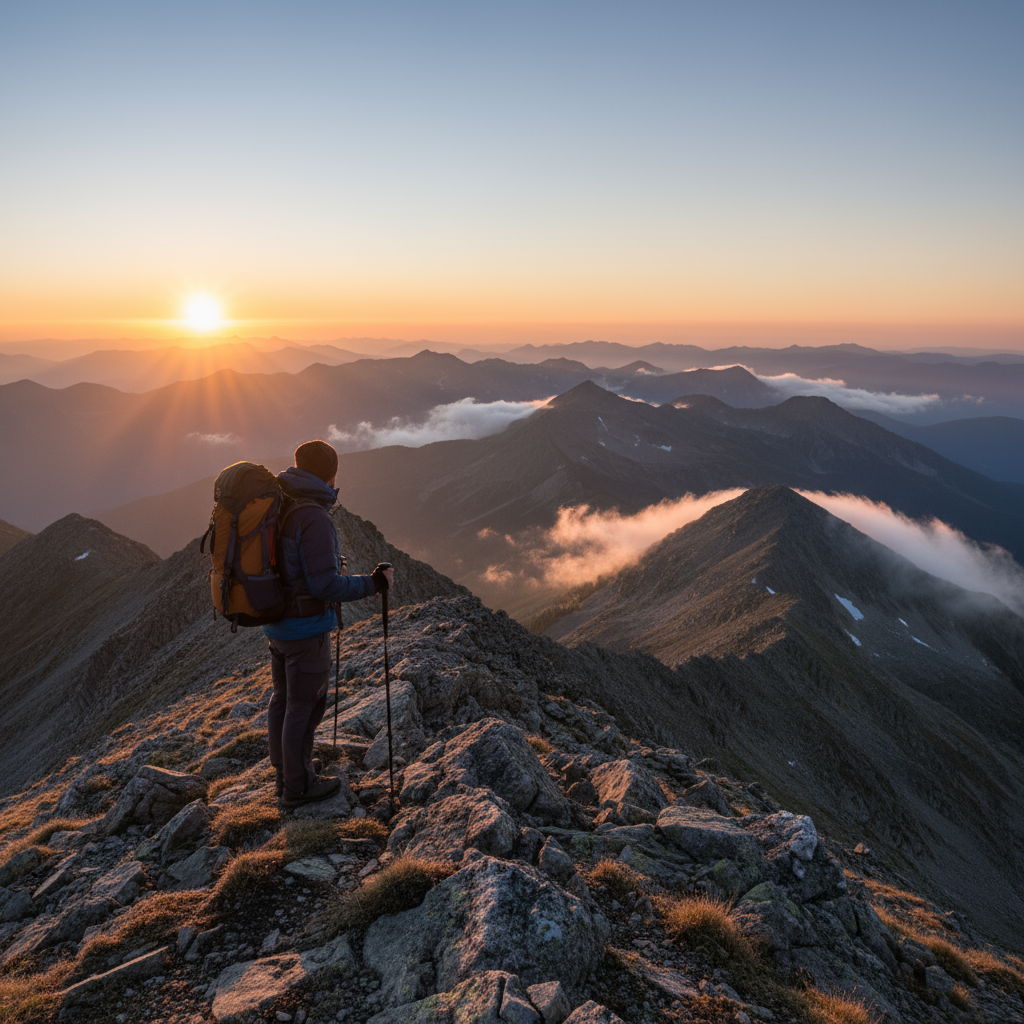
Picture this: you’re standing at the base of a stunning mountain range, backpack ready, excitement building. Those peaks are calling your name! But here’s something that might surprise you—altitude sickness doesn’t care how fit you are or how many mountains you’ve climbed before. It can knock anyone off their feet, literally. The good news? You can absolutely prepare for it and still have that incredible adventure you’re dreaming of.
Altitude sickness (or acute mountain sickness, if we’re being technical) happens when your body gets caught off guard by the thinner air at high elevations. Think of it like this: your body is used to a certain amount of oxygen, and suddenly there’s less to go around. Above 8,000 feet, things start getting interesting. Headaches, dizziness, that bone-deep fatigue—these can hit fast and without warning. The frustrating part? Being in great shape doesn’t guarantee you’ll avoid it.
Here’s what really matters: understanding what you’re up against. About 25% of people heading to moderate altitudes will feel some effects of altitude sickness. That’s not meant to scare you—it’s meant to help you prepare smart. Your body needs time to adjust, and there are proven ways to help it along. Physical conditioning absolutely helps (your cardiovascular system will thank you), but it’s just one piece of the puzzle. Staying hydrated, recognizing early warning signs, and having the right gear can make all the difference. Plus, taking care of your overall health—like understanding how to maintain a balanced diet and finding ways to stay motivated to exercise—sets you up for success both physically and mentally.
Now, let’s talk about the mental side of things. Your mindset matters more than you might think. When you’re prepared mentally, you stay calmer when symptoms appear (and you’re more likely to recognize them early). Physical training builds your resilience, but mental preparation keeps you sharp and responsive to what your body is telling you. If you’re someone who tends to stress easily, learning some stress management techniques before your trip can be incredibly valuable. The calmer you stay, the better you’ll handle whatever comes your way.
What You’ll Learn in This Guide
We’re going to walk through everything you need to know to tackle altitude sickness head-on. No fluff, just practical advice that actually works. Here’s what we’ll cover:
- Understanding Altitude Sickness: What’s really happening in your body when you ascend quickly, and why altitude affects people so differently.
- Symptoms and Early Signs: How to spot the warning signs before they derail your trip, and when it’s time to get serious about seeking help.
- Preventive Strategies: Real-world acclimatization techniques, lifestyle tweaks, and medication options that actually make a difference.
- Physical and Mental Preparation: Training approaches and mental strategies that set you up for success before you even leave home.
In the sections ahead, we’ll get into the nitty-gritty details. You’ll learn how to read your body’s signals like a pro, time your ascent for optimal acclimatization, and pack the essentials that could save your trip (or even your life). This isn’t about avoiding risk entirely—it’s about managing it intelligently so you can focus on the incredible experience ahead.
We’ll also dive into the practical stuff: choosing the right layers for unpredictable mountain weather and assembling a medical kit that makes sense for high-altitude travel. And if you want to go the extra mile with your preparation, checking out tips on how to improve lung capacity can give you an additional edge. The goal isn’t just to survive your mountain adventure—it’s to absolutely love every minute of it.
By the time you finish this guide, you’ll have a solid game plan for tackling altitude sickness. You’ll know what to watch for, how to prepare your body and mind, and what to pack. Most importantly, you’ll feel confident stepping into those high-altitude environments. Because at the end of the day, the mountains are waiting—and with the right preparation, you’ll be ready to meet them on your terms.
Picture this: you’re standing at 10,000 feet, breathless from the stunning mountain views—but also literally breathless because your body is freaking out about the thin air. High-altitude adventures are incredible, but they come with a catch. Your body needs time to adjust to those lower oxygen levels, and if you rush it? Well, altitude sickness can turn your dream trip into a nightmare pretty fast.
Understanding Altitude Sickness and Its Symptoms
Here’s what’s happening up there. As you climb higher, the air pressure drops and oxygen becomes scarce. Your body, which is used to sea-level oxygen buffets, suddenly finds itself on a strict diet. This condition—acute mountain sickness or AMS if you want to get technical—is your body’s way of saying “Hey, slow down there, mountain goat!”
The tricky thing about altitude sickness? It can sneak up on you. One minute you’re feeling fine, the next you’re dealing with a pounding headache and wondering why you thought this was a good idea. That’s why knowing the warning signs isn’t just helpful—it’s essential. Because when you’re miles from the nearest hospital, recognizing symptoms early can literally save your life.
Key Symptoms to Watch For
Your body will give you pretty clear signals when it’s struggling with the altitude. Here’s what to look out for:
- Headache and Nausea: These hit first and hit hard. We’re talking about headaches that laugh at your usual painkillers and nausea that makes you want to curl up in a ball. If these symptoms show up, it’s your body waving a red flag.
- Dizziness and Fatigue: Feeling like you’re walking through molasses? That bone-deep tiredness and wooziness aren’t just from the hike—they’re signs your oxygen-starved body is working overtime just to keep up.
- Shortness of Breath: When climbing a few stairs leaves you gasping like you just ran a marathon, that’s concerning. This could signal HAPE (high-altitude pulmonary edema), where fluid starts pooling in your lungs. Not good.
- Confusion and Loss of Coordination: If you’re stumbling around like you’ve had too many drinks, or if simple decisions become impossible, that’s HACE (high-altitude cerebral edema). This is when you need to get down the mountain immediately—no jokes, no “let’s see how it goes.”
The bottom line? Your body is pretty good at telling you when something’s wrong. Listen to it. These symptoms aren’t just inconveniences you can push through—they’re your early warning system. Ignore them at your own risk.
Now that you know what to watch for, let’s talk about how to avoid ending up in that situation in the first place.
Prevention, Physical Preparation, and Essential Gear for High Altitude Travel
Want to know the best way to deal with altitude sickness? Don’t get it in the first place. (Revolutionary, I know.) The secret weapon here is patience. I get it—when you’ve planned this epic mountain adventure, the last thing you want to hear is “take it slow.” But trust me, your body will thank you for not treating this like a race to the summit.
Getting your body ready before you even leave home makes a huge difference. Think of it like training for a marathon—you wouldn’t show up on race day having never run before, right? Same principle applies here. Build up that cardiovascular fitness, work on your endurance, and don’t forget about mental preparation. Because when things get tough at altitude (and they will), having that mental toughness can make all the difference.
Effective Preparation and Packing Tips
Here’s your game plan for conquering those peaks safely:
- Acclimatization Techniques: Slow and steady wins the race. Plan rest days into your itinerary—yes, even when you’re excited to keep climbing. Try the “climb high, sleep low” approach when possible. Your body needs time to make more red blood cells and adjust to the new reality.
- Medications and Supplements: Talk to your doctor about acetazolamide (Diamox) before your trip. It’s like giving your body a head start on acclimatization. But remember—meds aren’t magic bullets. They help, but they don’t replace smart climbing practices.
- Physical Conditioning: Start training months before your trip. Focus on cardio that gets your heart pumping and your lungs working. Hiking with a loaded backpack, running, cycling—whatever gets you breathing hard will help prepare you for thin air.
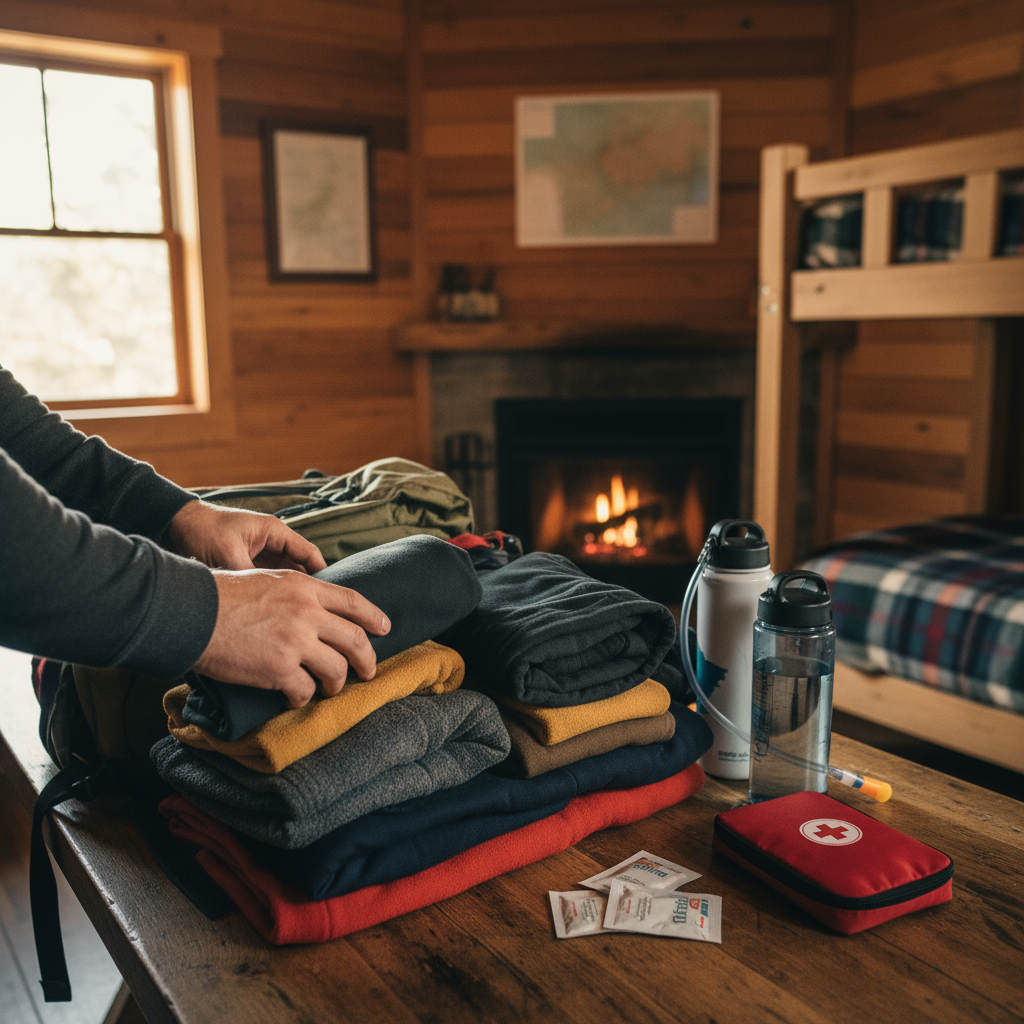
- Essential Gear: Pack like your life depends on it (because it might). Layered clothing for those crazy temperature swings, plenty of water and electrolyte options to stay hydrated, and a solid first aid kit. If you can get your hands on supplemental oxygen for emergencies, even better.
Look, I’m not trying to scare you away from high-altitude adventures. These places are absolutely magical, and with the right preparation, you can enjoy them safely. The key is respecting the mountain and understanding that altitude sickness isn’t just something that happens to “other people.” It can happen to anyone, regardless of fitness level or experience. But with smart planning, proper preparation, and a healthy dose of caution, you’ll be ready to handle whatever the mountain throws at you.
Here’s the truth about altitude sickness—it’s more common than you think, and it doesn’t care how fit you are. When you climb higher, there’s simply less oxygen for your lungs to work with. Your body notices. Fast. Those headaches, waves of nausea, dizziness that makes you feel like you’ve had one too many? That’s your body waving a red flag. And you really don’t want to ignore it, because what starts as feeling lousy can escalate quickly into something genuinely dangerous.
The good news? You can stack the deck in your favor. Slow and steady wins this race—give your body time to adjust by climbing gradually. Stay hydrated (yes, even more than you think you need). Some folks swear by acetazolamide, though you’ll want to chat with your doctor about that first. And here’s something people often overlook: pack smart. Layer up for those wild temperature swings, bring your medical basics, and fuel your body right. Think of it as insurance for your adventure.
Want to actually enjoy your trip instead of just surviving it? Start planning months ahead. Map out an ascent that includes rest days—your body will thank you later. Hit the cardio training hard; your heart and lungs need to be ready for the challenge. Once you’re up there, resist the urge to push through those first few days. Skip the celebratory drinks and dial back the intensity until you’ve adjusted. And don’t underestimate the mental game—staying calm when symptoms hit can make all the difference.
Speaking of preparation, your body is your best piece of gear up there. Fuel it right with how to maintain a balanced diet that supports your training. Build that cardiovascular base with strategies from how to stay motivated to exercise so you’re not gasping for air before you even reach altitude. And when anxiety creeps in (because it will), having solid stress management techniques in your back pocket can keep you grounded and thinking clearly.
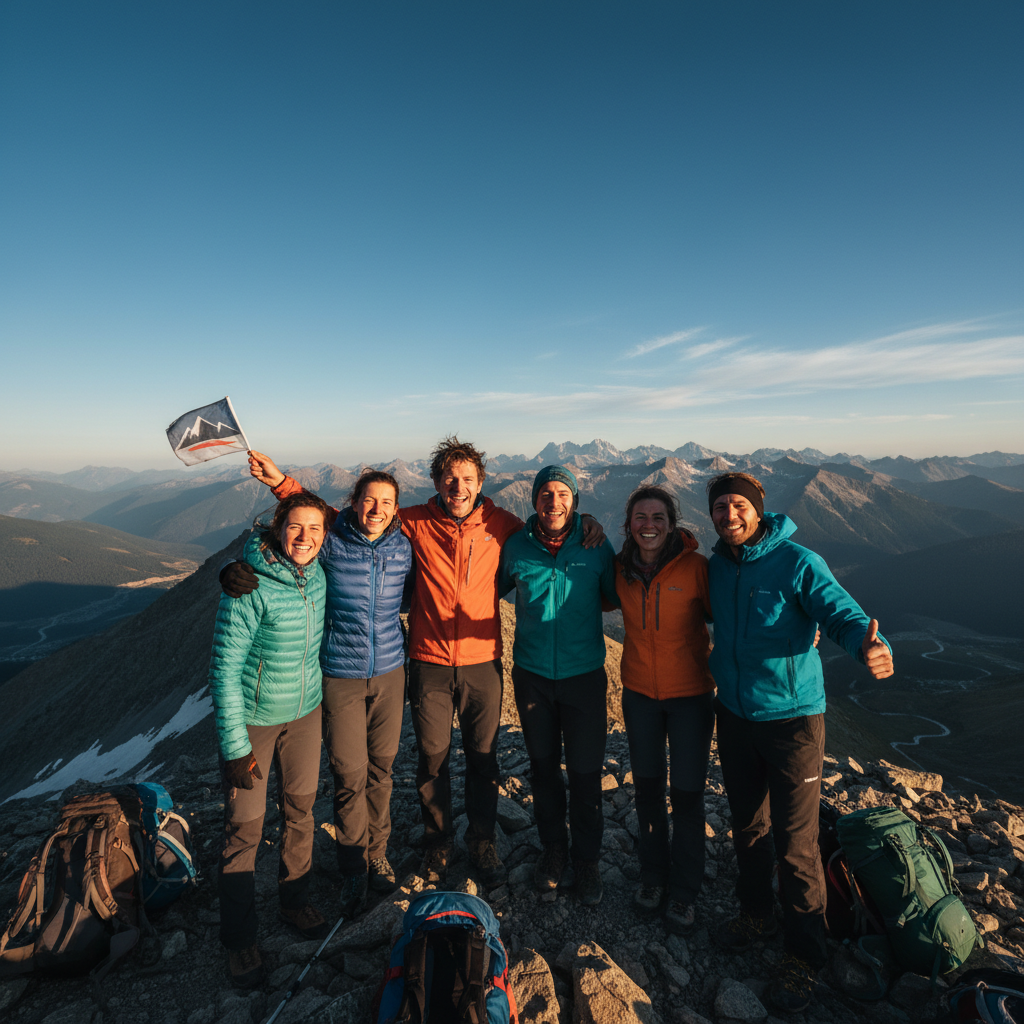
Bottom line? Respect the mountain, but don’t let fear keep you home. You’ve got the knowledge now—use it. Listen to what your body tells you, take it slow, and remember that the summit will still be there tomorrow if you need an extra day. The mountains have a way of humbling even the most prepared among us, but with the right approach, you’ll come back with stories worth telling and a body that’s still in one piece.
Frequently Asked Questions
-
Can anyone get altitude sickness?
- Yes, altitude sickness can affect anyone ascending rapidly to high elevations, regardless of physical fitness or experience.
-
How fast should I ascend to avoid altitude sickness?
- A gradual ascent of no more than 1,000 feet (about 300 meters) per day above 8,000 feet is recommended to allow your body to acclimatize properly.
-
Are there effective medications for prevention?
- Acetazolamide is commonly used to help prevent altitude sickness symptoms, but it should only be taken under medical guidance.
-
What should I do if I start feeling symptoms?
- If symptoms appear, stop ascending, rest, hydrate well, and descend if symptoms worsen or severe signs develop.
-
Can acclimatization completely prevent altitude sickness?
- While acclimatization reduces the risk significantly, it does not guarantee complete prevention for every individual.