
Missed Flight? Expert Advice on Next Steps
The heart-sinking moment when you realize your flight has already departed—or worse, you’re stuck in traffic watching the departure time tick away—ranks among travel’s most stressful experiences. Whether you overslept, hit unexpected delays, or miscalculated airport arrival time, missing a flight triggers immediate panic and practical concerns about your booking, your destination, and your wallet. The good news? You’re not alone, and there are concrete steps to take right now that can minimize damage and get you back on track to your adventure.
Missing a flight doesn’t automatically mean losing your entire ticket investment or abandoning your travel plans. Airlines have established protocols for missed flights, rebooking options exist, and depending on your ticket type and circumstances, you may have more flexibility than you think. This comprehensive guide walks you through exactly what happens when you miss your flight, what to do immediately, how to navigate airline policies, and strategies to recover from this travel mishap without derailing your journey.
What Happens When You Miss Your Flight
When you fail to board a scheduled flight, the airline typically marks your reservation as a “no-show.” This status has immediate consequences: your seat gets released for other passengers, and your remaining flight segments—especially on connecting flights—may be automatically cancelled. Most airlines maintain strict policies about no-shows because empty seats represent lost revenue and operational complications.
The moment you miss your flight, the airline’s system flags your booking. If you had checked baggage, it’s usually removed from the aircraft before departure (airlines won’t fly bags without passengers for safety and security reasons). This means your luggage gets returned to baggage claim or held for your rebooking. Your seat assignment disappears, and if you had pre-selected premium seating, those selections vanish along with any paid upgrades.
The financial impact depends on several factors: your ticket type, the airline’s specific policies, whether you purchased travel insurance, and how far in advance you missed the flight. A full-service carrier might offer rebooking options, while a budget airline might treat your ticket as forfeited. Understanding what actually happens sets the foundation for effective recovery.
Immediate Actions to Take
Contact the airline immediately. Don’t delay—call the airline’s customer service line before you leave the airport or as soon as you realize what’s happened. Every minute counts because rebooking options diminish as time passes. Have your confirmation number ready and be prepared to explain your situation. Stay calm and polite; the customer service representative has authority to help, but only if you engage constructively.
When you call, ask specifically about rebooking options on the next available flight. Many airlines will rebook you on their next flight to your destination at no additional charge, though this depends on your ticket class and the airline’s policies. If the airline can’t accommodate you immediately, ask about flights from competing carriers (some airlines have interline agreements) or alternative routing options.
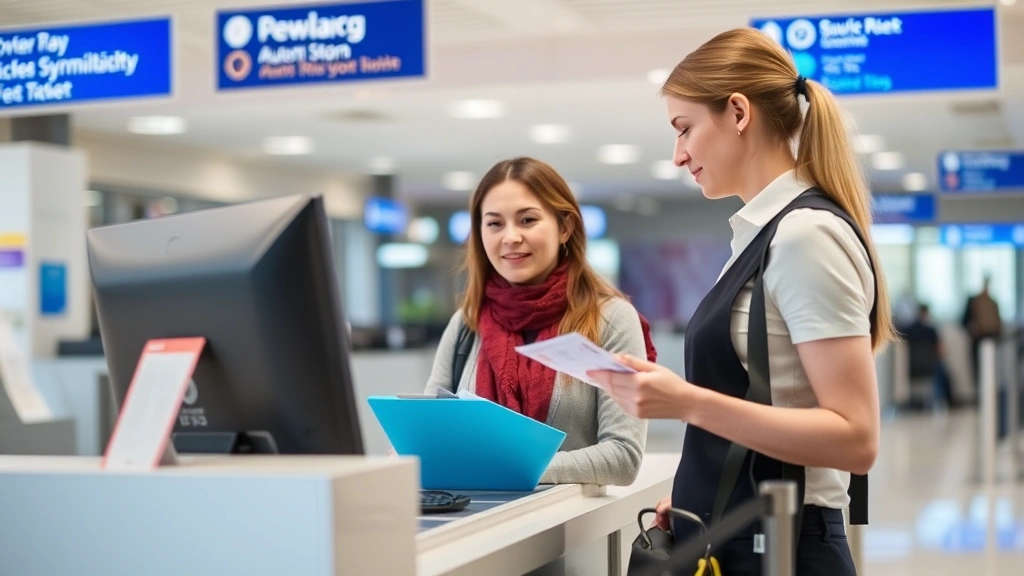
Visit the ticket counter in person if you’re at the airport. Face-to-face interaction often yields better results than phone calls. The gate agent or ticket counter representative can see your options on their system and may have more flexibility to help than a phone representative. Explain your situation honestly and ask what rebooking options are available. If you’re traveling to popular destinations like LAX to Chicago flights, there may be multiple daily options.
Check your email and text messages. Airlines often send automatic notifications about your missed flight. These messages may contain rebooking links or instructions for next steps. Some airlines allow online rebooking for missed flights, which can be faster than phone calls, especially if you’re willing to accept the next available option.
Document everything. Take screenshots of your confirmation number, the original flight details, and any communication with the airline. If you had to purchase additional tickets or incur unexpected expenses, keep receipts. This documentation becomes crucial if you file complaints or pursue compensation claims later.
Understanding Airline Policies and Rebooking
Every airline maintains its own missed flight policy, though industry standards have emerged. Major carriers like Delta, United, American, and Southwest generally rebook passengers on the next available flight to the same destination at no additional charge, provided your ticket allows changes. However, budget airlines operate differently—carriers like Spirit or Frontier typically treat missed flights as forfeited bookings with no rebooking option, meaning you’d need to purchase an entirely new ticket.
The rebooking process varies by airline. Some carriers automatically rebook you on the next available flight when you contact them. Others require you to actively request rebooking and may offer multiple options at different times. If the airline can’t get you to your destination the same day, they may provide hotel accommodations and meal vouchers, though this varies by circumstance and ticket type.
Standby rebooking is common for missed flights. This means you’re placed on a standby list for the next available flight, and you board only if seats remain after all confirmed passengers check in. Standby rebooking is usually free but offers no guarantee of same-day travel. Premium cabin passengers and elite frequent flyer members often receive priority standby placement.
If you’re traveling to international destinations like flights to Antigua Caribbean, rebooking becomes more complex. International flights operate on tighter schedules with fewer daily options. You might wait 24 hours or longer for the next available flight, and the airline’s obligation to provide meals and accommodations increases.
Some airlines offer paid rebooking options that guarantee a seat on a specific flight rather than standby status. This typically costs $50-$300 depending on the route and how soon the flight departs. While this seems counterintuitive—paying extra after already missing a flight—it guarantees you’ll reach your destination rather than risking another missed connection.
Ticket Types and Your Options
Refundable tickets give you the most flexibility. If you miss your flight with a fully refundable ticket, you can typically request a full refund of your airfare, then use those funds to purchase a new ticket whenever you’re ready. This option provides maximum control but requires you to manage rebooking yourself rather than relying on the airline.
Non-refundable tickets with change privileges allow rebooking on another flight, usually with a change fee ($50-$200) and any fare difference. If you originally paid $150 for a flight and the next available flight costs $250, you’d pay the $100 difference plus the change fee. However, some airlines waive change fees for missed flights, treating them as operational issues rather than passenger-initiated changes.
Basic economy or restricted tickets often cannot be changed at all. These ultra-cheap fares sold by budget carriers and sometimes major airlines come with the explicit understanding that changes and refunds aren’t available. If you miss a flight booked on a basic economy fare, you’ve likely lost that money entirely and must purchase a new ticket from scratch.
Airline-specific tickets have unique rules. Southwest Airlines, for example, never charges change fees and allows free rebooking on any flight, even if you miss your original flight. Delta, United, and American charge change fees for most tickets but offer more flexibility than budget carriers. Always review your specific ticket terms before assuming you have rebooking rights.
If you booked through flights from Houston to New York or any other route through a third-party booking site, contact that site’s customer service as well as the airline. Sometimes third-party sites have different policies or can advocate on your behalf with the airline.
Financial Recovery and Compensation
Whether you’ll recover financial losses from a missed flight depends on circumstances and jurisdiction. In the United States, airlines have no legal obligation to compensate passengers for missed flights caused by the passenger’s own actions. You missed the flight—the airline didn’t deny you boarding. This is fundamentally different from overbooking situations where airlines cause the problem.
However, European regulations differ significantly. Under EU261/2004 regulations, if you missed your flight due to an airline’s error (for example, providing incorrect gate information or failing to call your name for boarding), you may be entitled to compensation up to €600. This only applies if the airline was responsible for you missing the flight, not if you simply arrived late.
Travel insurance may cover missed flight expenses if you purchased a comprehensive policy before travel. Standard travel insurance typically doesn’t cover missed flights due to your own negligence, but some premium policies include “missed connection” coverage that reimburses rebooking costs. Check your policy details immediately.
Credit card protections sometimes include travel delay or cancellation coverage. American Express, Chase Sapphire Reserve, and other premium cards offer benefits that may reimburse rebooking costs if you miss a flight. Call your credit card issuer to understand your specific coverage.
If the airline caused you to miss your flight—for example, by providing incorrect boarding time information or failing to announce final boarding—document this thoroughly and file a complaint with the airline’s customer relations department. Request compensation based on the costs you incurred. While not guaranteed, airlines sometimes offer goodwill compensation (travel vouchers or miles) when they bear partial responsibility.
Preventing Future Missed Flights
Arrive earlier than you think necessary. The TSA recommends arriving 2 hours before domestic flights and 3 hours before international flights. Experienced travelers arrive even earlier—3 hours for domestic, 4 hours for international—to account for unexpected delays. This buffer prevents last-minute rushes that lead to missed flights.
Use multiple alarms and reminders. Set phone alarms for the night before, the morning of travel, and 2 hours before departure. Use your airline’s app to receive push notifications about your flight. Some travelers even ask hotel front desks for wake-up calls or set multiple alarms on different devices to ensure they don’t oversleep.
Check traffic conditions and plan your route. Use Google Maps or Waze to check real-time traffic before leaving for the airport. If traffic is heavy, leave earlier than planned. Factor in parking time if you’re driving, or add buffer time if using rideshare services. Many missed flights result from traffic delays that could have been avoided with better planning.
Prepare your documents and luggage the night before. Have your passport, ID, boarding pass (or confirmation number), and travel documents organized and accessible. Pack luggage the evening before so you’re not scrambling for items on travel day. This preparation eliminates morning stress and prevents forgotten items that might delay your departure.
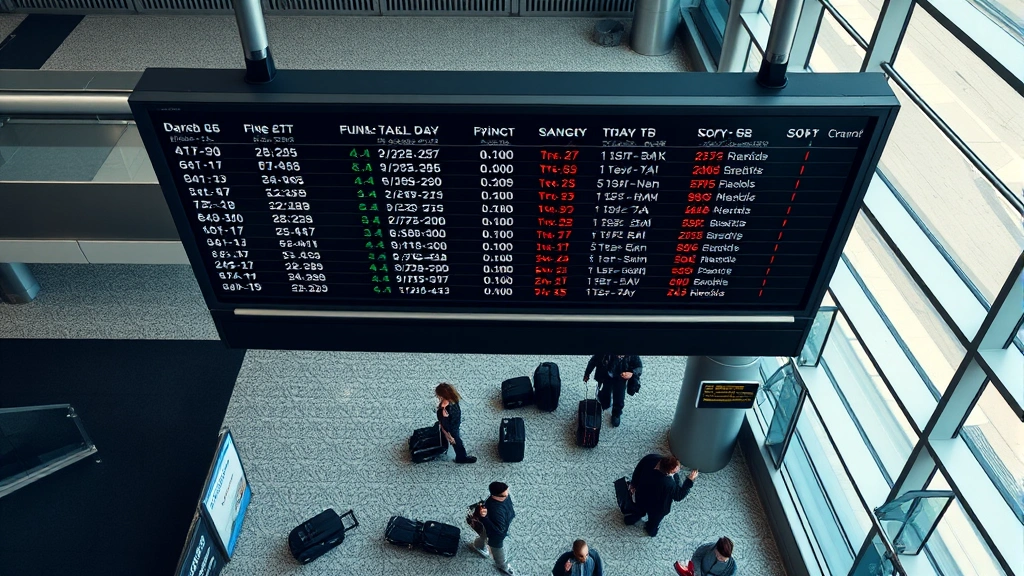
Monitor your flight status obsessively. Download your airline’s app and check your flight status regularly starting 24 hours before departure. Airlines occasionally change gate assignments, departure times, or flight numbers. Staying informed prevents confusion and ensures you’re heading to the correct gate at the correct time.
Consider purchasing flight delay insurance. For important trips, travel insurance that covers missed connections or delays provides peace of mind. While it won’t prevent missed flights, it reimburses rebooking costs and unexpected expenses, reducing financial stress if the worst happens.
Build in connection time wisely. If you have connecting flights, choose layovers long enough to account for delays. A 1-hour connection on labor day flight cancellations or busy travel periods is risky. Aim for 2-3 hours on domestic connections and 3-4 hours on international connections. The extra time eliminates the stress of rushing and reduces missed flight risk.
If you’re planning best winter travel destinations, be especially cautious during peak seasons. Winter weather causes delays and crowds that make missed flights more likely. Plan accordingly and leave even earlier than normal.
Use airport lounges and early boarding. If you have access to airport lounges through elite frequent flyer status or credit cards, use them. Lounges keep you close to your gate and provide updates about your flight. Early boarding options let you board immediately when the process begins, eliminating last-minute gate rush stress.
Consider discovery flight near me or other experiential travel options. If you’re nervous about traditional air travel, exploring local flight experiences first can help you understand airport procedures and build confidence. This reduces anxiety and prevents mistakes that lead to missed flights.
FAQ
Can I get a refund if I miss my flight?
Refunds depend on your ticket type and airline policy. Fully refundable tickets can be refunded in full. Non-refundable tickets typically aren’t refunded, though you may be able to use the fare toward a future flight. Budget airline tickets are almost never refunded. Contact your airline to understand your specific ticket terms.
Will the airline automatically rebook me on the next flight?
Not automatically, but most major carriers will rebook you if you contact them immediately. Call customer service or visit the ticket counter right away. Budget airlines often won’t rebook missed flights at all and require you to purchase a new ticket. Always contact the airline directly to confirm your options.
Do I have to pay a change fee for rebooking after a missed flight?
It depends on the airline and circumstances. Some carriers waive change fees for missed flights, while others charge standard change fees ($50-$200). Southwest never charges change fees. Check your airline’s specific policy or ask the agent handling your rebooking.
What happens to my checked baggage if I miss my flight?
Airlines remove checked baggage from aircraft before departure for security reasons. Your bags are returned to baggage claim or held for your rebooking. When you rebook, coordinate with the airline to ensure your baggage transfers to your new flight or arrange to collect and re-check it.
Can I claim compensation for a missed flight?
In the United States, airlines aren’t obligated to compensate passengers for missed flights caused by passenger error. However, if the airline caused you to miss your flight, you may file a complaint and request goodwill compensation. EU regulations may provide compensation if the airline was responsible.
Should I purchase travel insurance to cover missed flights?
Comprehensive travel insurance may cover missed flight expenses, though standard policies often exclude missed flights due to passenger negligence. Premium policies sometimes include this coverage. Review policy details carefully and consider purchasing insurance for important trips where rebooking costs would be substantial.
How can I prevent missing flights in the future?
Arrive at the airport much earlier than recommended (3+ hours for domestic, 4+ hours for international), set multiple alarms and reminders, check traffic before leaving, prepare documents and luggage the night before, monitor flight status obsessively, and build adequate connection time between flights. These strategies virtually eliminate missed flight risk.