Understanding Temporary Flight Restrictions: FAA Guide
Temporary flight restrictions (TFRs) are essential safety measures implemented by the Federal Aviation Administration to protect airspace during critical events, emergencies, and special circumstances. Whether you’re a pilot planning a flight, a traveler booking tickets, or an aviation enthusiast curious about airspace management, understanding TFRs can help you navigate the complexities of modern aviation and avoid costly delays or violations.
The FAA establishes these restrictions to ensure public safety, protect sensitive operations, and manage airspace effectively during situations ranging from natural disasters to presidential movements. When a TFR is in effect, pilots must adhere strictly to the restrictions or face significant penalties, including fines and certificate revocation. For travelers, TFRs can impact flight schedules, routing, and overall travel planning, making it crucial to stay informed about current restrictions affecting your journey.
This comprehensive guide explores everything you need to know about temporary flight restrictions, including how they work, why they’re implemented, how to check for active TFRs, and what they mean for your travel plans. Understanding these regulations empowers you to make better decisions when traveling and helps you appreciate the intricate safety systems that keep aviation secure.

What Are Temporary Flight Restrictions?
Temporary flight restrictions are regulatory measures that the FAA establishes to temporarily limit or prohibit aircraft operations in specific geographic areas during defined periods. These restrictions create protected airspace where normal flight operations cannot occur without special authorization or exemption. TFRs are distinct from permanent airspace designations like Class B airspace around major airports or restricted military zones—they’re dynamic and change based on evolving situations.
The primary purpose of TFRs is to ensure safety and security while protecting people, property, and critical operations on the ground. During a TFR, the affected airspace becomes off-limits to general aviation, commercial flights, and other aircraft unless they receive specific clearance from air traffic control. The restrictions typically specify altitude limitations, geographic boundaries defined by latitude and longitude coordinates, and the effective time period during which the restriction applies.
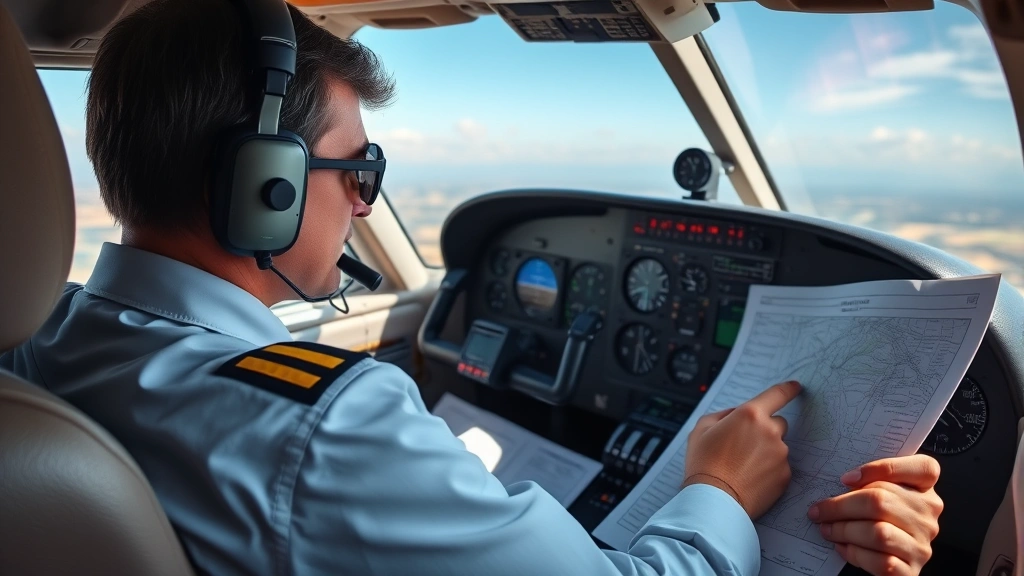
Understanding the anatomy of a TFR helps you interpret the information effectively. Each TFR includes a Federal NOTAM Search identifier, the geographic area affected (usually described by distance and direction from a geographic reference point), altitude restrictions, the reason for the restriction, and contact information for obtaining special flight authorization if needed. When planning trips like Atlanta to Denver flights, checking for active TFRs along your route is an essential step.
Types of TFRs and When They’re Issued
The FAA issues various categories of temporary flight restrictions, each designed to address specific situations and threats. Understanding the different types helps you anticipate when and where restrictions might be implemented.
Presidential and VIP Movement TFRs are among the most common restrictions. These protect airspace around the President, Vice President, and other high-level government officials during travel and public appearances. When the President travels between Washington D.C. and other destinations, TFRs typically extend 10 to 30 nautical miles around the movement corridor. These restrictions can significantly impact flight routing, particularly for routes like Denver to Chicago flights that might pass through restricted areas during presidential movements.
Disaster Relief and Emergency Response TFRs are implemented following natural disasters, accidents, or emergency situations requiring coordinated response efforts. Following hurricanes, earthquakes, or major accidents, the FAA restricts airspace to prevent civilian aircraft from interfering with rescue operations, emergency services, and damage assessment activities. These restrictions protect both rescue personnel and civilian pilots from collisions and other hazards.
Special Event TFRs protect major gatherings including sporting events, concerts, political conventions, and large public assemblies. The Super Bowl, presidential inaugurations, and major air shows all trigger TFRs to ensure security and safety. These restrictions typically extend several miles around venues and last for the duration of the event plus a buffer period.
Military Operation TFRs are established for military exercises, weapons testing, and tactical training. These restrictions protect military operations and prevent civilian aircraft from entering dangerous areas where military activities are occurring. Military TFRs can be particularly extensive and may last for extended periods.
Hazardous Operations TFRs address specific hazards including forest fires, volcanic activity, nuclear testing, and other dangerous situations. These restrictions protect aircraft from hazardous conditions and prevent civilian aviation from interfering with hazard mitigation efforts.
How the FAA Communicates TFRs
The FAA communicates temporary flight restrictions through multiple channels to ensure pilots receive timely, accurate information. Understanding these communication methods helps you stay informed about restrictions affecting your flights.
The primary method is NOTAMs (Notices to Airmen), distributed through the Federal NOTAM Search system. All active TFRs are published as NOTAMs with specific formatting and information requirements. Pilots are required to check NOTAMs before every flight, and the FAA emphasizes that ignorance of a NOTAM is not a valid excuse for TFR violations.
The FAA also maintains the TFR Search website, a dedicated resource where users can search for active restrictions by geographic location or date range. This tool is invaluable for flight planning and helps travelers understand restrictions that might affect their journeys. When researching flights from Chicago to Denver, checking the TFR Search should be part of your preparation.
Aviation weather briefing services provide TFR information to pilots during standard briefings. When pilots request a weather briefing before flight, briefing specialists include relevant TFRs in their briefings and discuss the implications for the planned flight.
Commercial aviation operations receive TFR information through their dispatch centers and flight planning systems. Airlines integrate TFR data into their route planning software, automatically adjusting flight paths and altitudes to comply with active restrictions. This is why you might notice unexpected routing or altitude changes on commercial flights—they’re often adapting to active TFRs.
Checking for Active Restrictions
Travelers and pilots can check for active temporary flight restrictions through several official resources. The Federal NOTAM Search website (https://notams.faa.gov) is the authoritative source for all active NOTAMs, including TFRs. Users can search by location, identifier, or time period to find restrictions affecting their planned flights.
The FAA TFR Search tool provides a user-friendly interface specifically designed for temporary flight restriction queries. This tool displays active TFRs on an interactive map, showing the geographic boundaries, altitude restrictions, and effective times. For travelers concerned about specific routes, this tool provides clarity about restrictions that might affect flight planning.
Pilot briefing services like 1800wxbrief.com provide comprehensive briefings that include current TFRs. These services are used by thousands of pilots daily and represent the standard briefing service for general aviation.
Aviation apps like ForeFlight, Garmin Pilot, and similar tools integrate real-time TFR data into their flight planning interfaces. Pilots using these apps automatically see TFRs when planning routes, and the apps highlight restrictions that affect the planned flight path. When researching best airlines for long flights, consider carriers that use advanced route planning tools to minimize TFR-related delays.
Commercial travelers can contact their airlines directly to ask about TFRs affecting their flights. Airlines maintain real-time awareness of all active restrictions and can explain any routing changes or delays caused by TFRs.
Impact on Commercial and Private Aviation
Temporary flight restrictions create significant operational challenges for both commercial and general aviation. Understanding these impacts provides insight into why flights might be delayed or rerouted.
For commercial airlines, TFRs require rerouting flights around restricted airspace, which increases flight times and fuel consumption. A TFR affecting a major city can force dozens of flights to take longer routes, consuming additional fuel and creating cascading delays throughout the day. Airlines factor these potential impacts into scheduling and fuel planning, but unexpected TFRs can still disrupt operations significantly.
General aviation faces more severe impacts from TFRs. Small aircraft operators often fly in airspace frequently affected by restrictions, and TFRs can prevent planned flights entirely. A pilot planning a cross-country flight might find their route blocked by multiple TFRs, requiring significant rerouting or postponement. When TFRs are established suddenly—such as those following accidents or emergency situations—pilots must cancel or significantly modify planned flights.
TFRs also affect airport operations. When TFRs surround major airports, they can restrict the departure and arrival corridors, requiring aircraft to use alternative routes. This can reduce airport capacity and increase delays during already busy periods. Airports like those handling Delta flights grounded at Detroit Metro Airport have experienced significant disruptions when TFRs coincide with other operational challenges.
The financial impact of TFRs extends throughout the aviation industry. Airlines incur additional fuel costs, pilots experience schedule disruptions, and travelers face delays and missed connections. Industry estimates suggest that major TFRs can cost the aviation industry millions of dollars in additional operating expenses and lost revenue.
Penalties for Violating TFRs
The FAA treats TFR violations extremely seriously, with penalties ranging from substantial fines to criminal prosecution. Understanding these consequences emphasizes the importance of compliance.
Pilots who violate TFRs face civil penalties up to $27,500 for each violation. The FAA can also suspend or revoke pilot certificates, effectively ending a pilot’s ability to operate aircraft. Criminal penalties include fines up to $250,000 and imprisonment up to three years for knowing violations, particularly those involving security-sensitive TFRs around presidential movements or critical infrastructure.
In addition to regulatory penalties, TFR violations trigger immediate law enforcement response. Military interceptors are often scrambled to intercept aircraft that enter restricted airspace, creating dangerous situations and diverting military resources from other missions. These interceptions are costly, stressful, and create safety hazards for the violating aircraft.
The FAA maintains a database of TFR violations and uses this data to identify patterns and target enforcement efforts. Repeat violators face enhanced penalties and additional scrutiny of their aviation activities. The agency has prosecuted numerous cases involving TFR violations, with convictions resulting in substantial fines and imprisonment.
Planning Your Flights Around TFRs
Effective flight planning requires awareness of temporary flight restrictions and strategies to minimize their impact on your travel. Whether you’re booking commercial flights or planning personal travel, incorporating TFR awareness into your planning process improves your travel experience.
Check TFRs Early in the Planning Process. Before finalizing flight dates or routes, check the Federal NOTAM Search for active and proposed TFRs. While short-term TFRs cannot always be predicted, checking several days before travel identifies many restrictions that might affect your plans. This early awareness allows you to adjust dates or routes before booking.
Understand Seasonal TFR Patterns. Certain TFRs recur annually, such as those for major sporting events or political conventions. If you’re planning travel during seasons when major events occur, research typical TFR patterns and plan accordingly. Presidential election seasons, for example, typically see elevated TFR activity in major political centers.
Build Flexibility into Travel Plans. When possible, maintain flexibility in your flight plans to accommodate unexpected TFRs. Having alternative dates or routes available allows you to adapt quickly if restrictions affect your original plans. This is particularly important when planning how to travel on a budget, as last-minute changes might incur additional costs.
Monitor TFRs Leading Up to Travel. Continue checking for TFRs in the days leading up to your flight. New TFRs can be issued with short notice, and monitoring updates ensures you have current information about restrictions affecting your route.
Contact Your Airline for Information. If you’re concerned about potential TFRs affecting your flight, contact your airline directly. Airlines have comprehensive TFR awareness and can provide information about anticipated impacts on your specific flight.
Consider Timing Within Travel Windows. If planning travel during periods when TFRs are likely, consider timing your flights outside peak hours. Morning flights often depart before some TFRs are fully activated, while evening flights might depart after restrictions are lifted.
FAQ
How long do temporary flight restrictions typically last?
TFR durations vary significantly based on the triggering event. Presidential movements might create TFRs lasting hours, while disaster response TFRs can remain in effect for days or weeks. Special event TFRs typically last for the event duration plus a short buffer period. The Federal NOTAM Search specifies the exact effective time period for each TFR.
Can pilots request exemptions from TFRs?
Yes, pilots can request special flight authorization to operate within TFR airspace. The process requires submitting a request through the FAA, typically through the facility managing the TFR. Exemptions are granted on a case-by-case basis and are more commonly approved for essential services like medical flights or law enforcement operations than for routine general aviation.
Do commercial airlines operate differently during TFRs?
Commercial airlines have sophisticated systems for integrating TFR information into flight planning and dispatch operations. Airlines automatically route flights around TFRs and adjust altitudes as needed to comply with restrictions. Passengers might notice routing changes or slightly longer flight times but rarely experience significant delays solely due to TFRs, as airlines anticipate and plan for known restrictions.
What’s the difference between a TFR and permanent airspace restrictions?
Temporary flight restrictions are dynamic and change based on specific events or situations, while permanent restrictions like Class B airspace around major airports remain in effect continuously. TFRs are issued for specific time periods and geographic areas, while permanent restrictions are part of the standard airspace structure.
How far in advance are TFRs typically announced?
Advance notice varies dramatically. Predictable TFRs like those for major sporting events or political conventions might be announced weeks in advance. Emergency-related TFRs following accidents or disasters might be issued with minimal notice. Security-related TFRs for presidential movements can be issued just hours before implementation.
Can I track TFRs in real-time during my flight?
Pilots have real-time access to TFR information through their flight planning systems and continuous monitoring of NOTAMs. Commercial passengers don’t have direct access to real-time TFR data, but they can trust that their airline’s flight crew has current information and is routing accordingly. If you’re curious about restrictions affecting your flight, airline staff can provide information based on their operational awareness.