Flight School Costs? Aviation Expert Insights
Becoming a pilot is a dream many travelers and aviation enthusiasts share, but understanding the financial commitment required is crucial before taking to the skies. Flight school costs vary dramatically depending on the type of certification you pursue, the flight school you choose, and your geographic location. Whether you’re interested in recreational flying or pursuing a career as a commercial pilot, the investment can range from $10,000 to over $250,000. This comprehensive guide breaks down every aspect of flight training expenses, helping you make an informed decision about your aviation journey.
The path to earning your pilot’s license involves multiple stages of training, each with its own costs and time requirements. From initial private pilot certification through advanced ratings like commercial and airline transport pilot licenses, understanding these expenses upfront helps you budget effectively and avoid financial surprises. We’ll explore the various factors that influence pricing, compare different training paths, and provide insider insights from aviation professionals who understand the industry intimately.
Understanding Private Pilot Certification Costs
The private pilot license represents the foundation of all pilot training and typically costs between $10,000 and $15,000 for most aspiring aviators. This certification allows you to fly aircraft for personal use but prohibits commercial operations. The total expense breaks down into several components: aircraft rental or purchase costs, instructor fees, examination fees, and study materials.
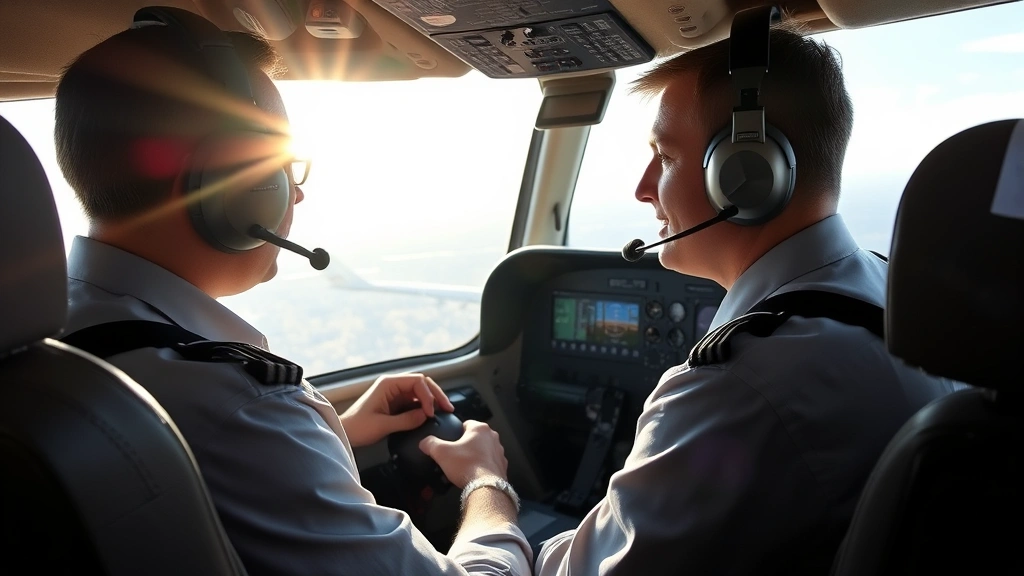
Aircraft rental, often called “wet rental” when fuel is included, typically ranges from $150 to $300 per flight hour depending on the aircraft type and location. Most students require 60 to 70 flight hours to achieve proficiency, though the FAA minimum is 40 hours. Instructor fees generally run $25 to $50 per hour for ground instruction and $50 to $100 per flight hour for in-flight training. When planning your budget, expect to spend approximately 20 to 40 hours on ground school instruction as well.
The written examination costs around $150, while the practical checkride with an examiner typically costs $400 to $800. Medical certification, which you must obtain before your first solo flight, ranges from $100 to $300 depending on your health status and the aviation medical examiner you visit. Many flight schools bundle these costs into their programs, offering integrated training packages that provide better value than piecing together services independently.
Commercial Pilot License Expenses
Once you’ve earned your private pilot license, the next step toward a flying career is the commercial pilot license, which costs considerably more—typically between $20,000 and $40,000. This certification permits you to be compensated for flying, opening doors to career opportunities in aviation. The commercial certificate requires a minimum of 250 total flight hours, with at least 100 hours as pilot-in-command and 50 hours of cross-country flying.
Additional ratings and endorsements add to the commercial pilot training expense. The instrument rating, which allows flying in low-visibility conditions, requires 40 to 60 hours of training costing $8,000 to $15,000. Many commercial pilot candidates pursue this rating simultaneously, which can reduce overall costs through bundled training programs. The multi-engine rating, necessary for operating aircraft with multiple engines, typically costs $3,000 to $5,000 and requires approximately 10 to 15 hours of flight time.
Instructors for commercial training charge premium rates, often $60 to $150 per flight hour, reflecting their extensive experience and liability considerations. Complex aircraft rental, required for commercial training, costs more than basic trainers—expect $200 to $400 per hour. The commercial checkride examination fee ranges from $500 to $1,000, significantly higher than private pilot testing due to the increased complexity and responsibility involved.
Factors That Influence Flight Training Prices
Several critical variables determine how much you’ll pay for flight school, making price comparisons essential before committing to a program. The aircraft type significantly impacts costs—training in a Cessna 172 typically costs less than training in a Cirrus or Diamond aircraft. Geographic location plays a substantial role, with flight schools in urban areas like Denver to Boston regions charging more than rural flight schools due to higher overhead and demand.
Instructor experience and qualifications directly influence pricing, as more experienced instructors command higher hourly rates. Flight schools with modern facilities, computerized training systems, and advanced simulators charge premium prices compared to basic operations. The time of year matters too—flight training during peak summer months costs more due to increased demand, while winter training in northern regions may be less expensive but subject to weather cancellations.
Your personal learning pace significantly affects total costs, as some students require 80+ flight hours to achieve proficiency while others need fewer. Scheduling frequency influences expenses as well; students who fly multiple times weekly progress faster and pay less overall than those training sporadically. Aircraft maintenance costs, fuel prices, and airport fees all impact the final bill you receive.
The training program structure matters considerably—part-141 schools operate under strict FAA regulations and often cost more but provide structured curricula, while part-61 schools offer flexibility at potentially lower costs. Integrated programs, where you complete all training with one school from start to finish, often provide discounts compared to modular training spread across multiple providers.
Hidden Costs and Additional Expenses
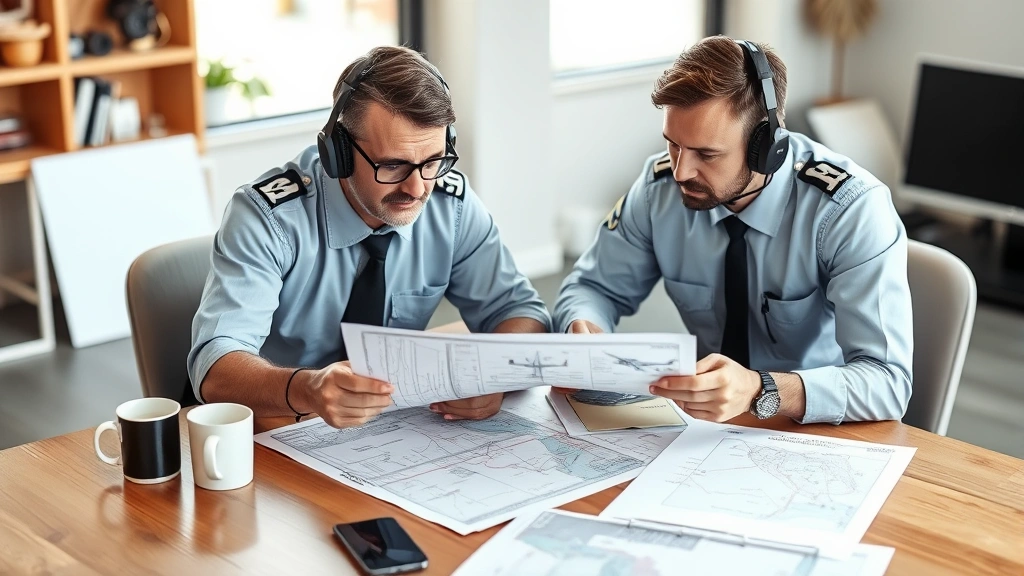
Beyond the obvious flight hours and instruction fees, numerous hidden expenses can significantly increase your total flight school investment. Textbooks, study guides, and online training materials typically cost $500 to $1,500 throughout your training. Aviation headsets, essential for clear communication, range from $300 to $1,000 depending on quality and features. Flight bags, charts, plotters, and other necessary equipment add another $200 to $500.
Medical examination costs extend beyond your initial certification—you’ll need periodic medical renewals, costing $100 to $300 each. Checkride preparation courses, often recommended for success, cost $300 to $800. Some students invest in personal flight simulators or computer-based training systems ranging from $500 to $3,000, which can improve skills between actual flights and reduce overall flight hour requirements.
Database subscriptions for charts and weather information cost $50 to $200 annually. Background checks required by some flight schools run $50 to $100. Testing fees for written exams, if taken multiple times, accumulate quickly at $150 per attempt. Insurance requirements for complex aircraft training add $500 to $1,500. Travel expenses for students attending distant flight schools represent significant hidden costs often overlooked during initial budgeting.
Aircraft damage liability and training incident costs can be substantial, though most flight schools include basic coverage. Transition training to different aircraft types costs $500 to $2,000 per type. Recurrent training and currency requirements, mandatory for maintaining your license, cost $500 to $2,000 annually. When planning your flight school budget, add 15-20% to your estimated costs to account for these often-overlooked expenses.
Flight School Options and Price Comparisons
Flight schools operate under different regulatory frameworks, each affecting pricing and training quality. Part-141 schools, certified by the FAA under Part 141 regulations, maintain strict curricula and quality standards, typically charging $12,000 to $18,000 for private pilot training. These schools provide structured progression with guaranteed minimum flight hour requirements and consistent instruction quality. Many part-141 schools offer accelerated programs, completing training in 2-4 weeks for intensive, full-time study.
Part-61 flight schools operate under more flexible regulations, often charging $8,000 to $14,000 for private pilot certification. These schools offer scheduling flexibility and personalized training but place responsibility on students for curriculum design. Part-61 training suits working adults and those with irregular schedules but may result in longer overall training timelines. Hybrid schools operate under both frameworks, allowing students to choose flexibility or structure based on their preferences.
University aviation programs provide structured, degree-granting flight training, typically costing $40,000 to $80,000 annually but resulting in a degree alongside pilot certification. These programs suit students seeking comprehensive aviation education and career development. Online flight schools offering ground school instruction cost $500 to $2,000 but don’t include flight training, requiring coordination with local flight schools for actual flying instruction.
Comparing flight schools requires evaluating more than just price. Consider instructor qualifications, aircraft maintenance records, student success rates, and program reputation. Visit schools in person, speak with current students, and review safety records before committing. Many schools offer trial discovery flights for $100 to $200, allowing you to experience their teaching style before enrolling in full programs.
Financing Your Flight Training
The substantial cost of flight training necessitates careful financial planning and exploration of funding options. Traditional bank loans for flight training typically offer rates between 5-8%, with repayment terms of 5-10 years. Some lenders specialize in aviation loans, understanding the industry and offering competitive rates. Monthly payments on a $15,000 private pilot loan might range from $150 to $300, depending on terms and your credit profile.
Flight schools often offer in-house financing or payment plans, allowing you to spread costs across training duration. These arrangements sometimes feature lower interest rates than traditional loans but may include enrollment contracts with cancellation penalties. Some schools offer tuition financing through third-party lenders, providing flexible repayment options aligned with your training schedule.
Scholarships and grants specifically for flight training exist through organizations like the Aircraft Owners and Pilots Association (AOPA), the Experimental Aircraft Association (EAA), and the National Association of Black Pilots. Military service members may qualify for GI Bill benefits covering flight training costs. Some employers offer educational assistance programs that include aviation training, particularly for employees in aviation-related fields.
Career development programs and flight training partnerships with regional airlines sometimes include tuition reimbursement or cost-sharing arrangements. Credit unions occasionally offer better loan rates than traditional banks, particularly for members with strong credit histories. Before pursuing expensive financing, investigate all scholarship and grant opportunities, as free funding eliminates repayment obligations entirely.
Regional Variations in Training Costs
Flight training costs vary significantly across the United States and internationally, making location selection an important financial consideration. California and New York flight schools typically charge 15-25% more than the national average due to high real estate costs and increased demand. Rural flight schools in states like Montana, Wyoming, and Nebraska often charge 10-20% less than urban centers, though you may face limited aircraft selection and instructor availability.
Southern states like Texas and Florida offer competitive pricing due to year-round flying weather and multiple flight schools competing for students. The Midwest, particularly regions around Chicago to Denver areas, provides moderate pricing with good instructor availability. High-altitude airports like those in Denver and high-elevation regions may require additional training hours, increasing costs.
International flight training, particularly in countries like the Philippines or Australia, costs 30-50% less than U.S. training but requires careful consideration of regulatory differences and travel expenses. Many students explore training in multiple locations, starting with basics domestically and completing advanced ratings internationally to optimize costs. However, currency conversion, travel, and accommodation expenses can offset lower hourly rates in some cases.
Weather patterns significantly impact regional training costs—areas with frequent rain or winter weather increase training duration and expenses. Sunny, stable-weather regions like Arizona and Southern California enable faster progression but charge premium prices. When evaluating flight schools, factor in local weather patterns and how they might extend your training timeline and total investment.
FAQ
What is the average cost of flight school for a private pilot license?
The average cost for private pilot certification ranges from $10,000 to $15,000, including aircraft rental, instruction, examinations, and materials. This figure assumes approximately 60-70 flight hours and varies based on location, aircraft type, and school selection.
How much does it cost to become a commercial pilot?
Commercial pilot training typically costs $20,000 to $40,000 total, including the private pilot license if starting from scratch. The commercial certificate alone, if you already hold a private license, costs $10,000 to $25,000 depending on your experience level and training efficiency.
Are there scholarships available for flight training?
Yes, numerous organizations offer flight training scholarships, including the Aircraft Owners and Pilots Association (AOPA), the Experimental Aircraft Association (EAA), and various women pilots and minority pilot organizations. Military service members may qualify for GI Bill benefits. Research opportunities through flight schools and aviation organizations for potential funding.
Can I finance flight training through loans?
Absolutely. Traditional bank loans, aviation-specific lenders, flight school payment plans, and credit union financing all provide options for funding flight training. Interest rates typically range from 5-8%, with repayment terms of 5-10 years. Compare options carefully to find the best rates and terms for your situation.
How long does it take to complete flight training?
Private pilot training typically takes 3-6 months with consistent training, though some accelerated programs complete certification in 2-4 weeks of intensive study. Part-time training may extend to 1-2 years. Commercial training adds 4-8 additional months depending on your starting point and training frequency.
What factors most significantly impact flight school costs?
Aircraft type, geographic location, instructor experience, program structure (part-141 vs. part-61), and training frequency most significantly influence costs. Personal learning pace and weather patterns also substantially affect total expenses through extended training timelines.
Is flight training more expensive in certain regions?
Yes, California and New York charge 15-25% more than average, while rural areas in the Great Plains charge 10-20% less. Southern states offer competitive pricing, and high-altitude regions may require additional training hours, increasing costs. International training sometimes costs 30-50% less but involves travel expenses.
What hidden costs should I budget for in flight training?
Budget for textbooks ($500-$1,500), headsets ($300-$1,000), study materials, medical examinations ($100-$300), checkride preparation ($300-$800), and equipment. Add 15-20% to your estimated costs for unexpected expenses and contingencies.