
Flight Nurse Jobs: Career Insights & Opportunities
The sky calls to those with a passion for emergency medicine and adventure. Flight nursing represents one of the most dynamic and rewarding careers in healthcare, combining critical care expertise with the thrill of aerial operations. Whether you’re responding to trauma scenes from a helicopter or stabilizing patients during inter-hospital transfers, flight nurses operate at the intersection of medicine, aviation, and heroism. This comprehensive guide explores everything you need to know about flight nurse jobs, from entry requirements to career advancement opportunities.
Flight nurses are specialized registered nurses who provide emergency medical care to patients during air transport. Working in helicopters, fixed-wing aircraft, or both, these professionals deliver life-saving interventions in environments that demand exceptional clinical skills, quick decision-making, and mental resilience. If you’re considering a career change or seeking your first healthcare position, understanding the flight nursing landscape will help you determine if this challenging yet fulfilling path aligns with your professional goals.

What Flight Nurses Do Daily
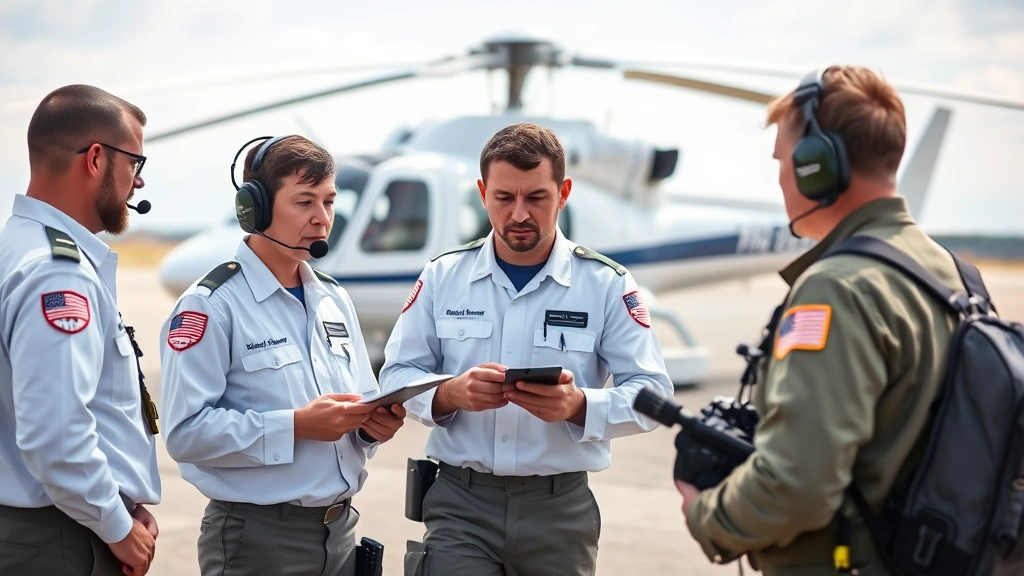
Flight nurse responsibilities extend far beyond traditional hospital nursing. Your day might begin with pre-flight aircraft checks and equipment inspections, ensuring all medical supplies, monitors, and emergency medications are fully stocked and operational. When a call comes in—whether it’s a multi-vehicle accident on the highway or a critically ill patient requiring transport between facilities—you’ll don your gear and prepare for immediate deployment.
During patient transport, flight nurses perform advanced clinical interventions including intubation, medication administration, hemodynamic monitoring, and trauma stabilization. You’ll work alongside flight physicians, paramedics, and pilots, functioning as part of a highly coordinated team where communication and trust are paramount. The ability to assess a patient’s condition rapidly and implement appropriate interventions while the aircraft is in motion separates exceptional flight nurses from the rest.
Beyond the dramatic rescue scenarios, flight nurses spend considerable time on administrative tasks, documentation, equipment maintenance, and continuing education. Many programs require participation in monthly training drills, scenario simulations, and debriefing sessions. This commitment to continuous improvement ensures teams maintain peak performance and patient outcomes remain excellent.
Educational Requirements and Certifications
Becoming a flight nurse requires a solid foundation in nursing education and clinical experience. First, you’ll need to earn your Bachelor of Science in Nursing (BSN) from an accredited program, though some positions may accept Associate Degree in Nursing (ADN) graduates with additional experience. Most flight nurse positions require a minimum of two to three years of emergency department or intensive care unit experience before you’re eligible to apply.
Beyond your nursing degree, several critical certifications are essential for flight nurse jobs. The Certified Flight Registered Nurse (CFRN) credential, offered by the Board of Certification for Emergency Nursing, is widely recognized and often required by employers. You’ll also need Advanced Cardiac Life Support (ACLS), Pediatric Advanced Life Support (PALS), and Trauma Nursing Core Course (TNCC) certifications. Many programs additionally require Advanced Trauma Life Support (ATLS) or similar trauma-focused credentials.
Some flight nursing programs offer specialized training courses lasting anywhere from several days to several weeks. These programs cover aircraft physiology, emergency procedures specific to flight environments, equipment operation, and team dynamics. The Federal Aviation Administration (FAA) may also have specific requirements depending on your program’s classification and the type of aircraft used. Investing in these certifications demonstrates your commitment to the profession and significantly enhances your employment prospects.
Consider pursuing your flights from Houston, Texas to Las Vegas, Nevada to attend specialized flight nursing conferences and workshops that offer continuing education credits and networking opportunities with experienced flight nurses across the country.
Essential Skills for Success
Technical clinical skills form the foundation of flight nursing competency. You’ll need proficiency in advanced airway management, including difficult intubation scenarios where patient positioning is limited. Hemodynamic monitoring, medication calculations under pressure, and rapid assessment techniques are non-negotiable. Flight nurses must master procedures that emergency nurses perform routinely, but often in far more challenging circumstances with limited space and constant motion.
Beyond technical abilities, psychological resilience separates successful flight nurses from those who struggle. You’ll witness trauma, loss, and human suffering regularly. Developing healthy coping mechanisms, maintaining work-life balance, and accessing peer support resources are crucial for long-term career sustainability. The mental demands of flight nursing shouldn’t be underestimated—this career requires emotional intelligence and self-awareness.
Communication skills take on heightened importance in flight environments. The noise of rotor blades or jet engines necessitates clear, concise communication using established protocols. You’ll need to work seamlessly with pilots who may not have medical backgrounds, paramedics with different training philosophies, and patients who are often frightened or unconscious. Teamwork, adaptability, and the ability to remain calm under extreme pressure are defining characteristics of exceptional flight nurses.
Physical fitness and spatial awareness are equally important. Flight nursing demands strength to maneuver patients in confined spaces, agility to move safely within aircraft during turbulence, and the endurance to handle physically demanding rescue operations. Your body is as much an asset as your clinical knowledge in this specialized field.
Work Environment and Schedule
Flight nurse positions vary significantly based on employer type and program focus. Helicopter Emergency Medical Services (HEMS) programs operate 24/7, meaning you may work night shifts, weekends, and holidays. Hospital-based programs might offer more predictable schedules with defined shifts, while independent air ambulance services may provide varied scheduling options. Many positions operate on a rotating schedule—perhaps four days on followed by four days off—allowing for recovery between intensive work periods.
The work environment itself presents unique challenges and rewards. You’ll operate in weather conditions ranging from clear skies to challenging storms, at altitudes from ground level to several thousand feet, and in remote locations where ground transportation is impractical. Aircraft interiors are cramped, equipment is specialized, and every action must account for the dynamic environment around you.
If you’re considering relocation for flight nurse jobs, research opportunities in major metropolitan areas and trauma centers. Cities with active Austin to Orlando flights corridors often have robust flight nursing programs. Similarly, regions with geographic challenges requiring air transport—mountainous areas, coastal regions, or areas with limited ground infrastructure—frequently have high demand for experienced flight nurses.
Shift work impacts your personal life significantly. While some flight nurses thrive on unpredictable schedules, others struggle with sleep disruption and family obligations. Consider your lifestyle preferences carefully before pursuing this career path. The adrenaline and sense of purpose many flight nurses experience, however, often compensates for scheduling challenges.
Salary and Compensation
Flight nurse compensation is generally competitive within the nursing field, reflecting the specialized skills and demanding nature of the work. According to the Bureau of Labor Statistics and industry surveys, flight nurses typically earn between $55,000 and $85,000 annually, with experienced flight nurses in high-demand areas earning significantly more. Some positions offer bonuses, shift differentials, and hazard pay that can increase total compensation substantially.
Beyond base salary, comprehensive benefits packages often include health insurance, retirement plans, continuing education allowances, and life insurance coverage. Some employers provide free housing for on-call periods, meal stipends, or fitness center memberships. Flight nursing programs operated by major hospitals or private companies may offer tuition reimbursement for advanced certifications and degree programs.
Geographic location significantly impacts earning potential. Flight nurses working in major metropolitan areas, particularly in regions with expensive living costs, typically command higher salaries than those in rural areas. However, rural flight nursing positions often offer other incentives like housing assistance or loan forgiveness programs to attract qualified candidates.
Consider your financial goals when evaluating flight nurse jobs opportunities. While the salary is respectable, it may not exceed what experienced emergency department nurses earn in high-acuity settings. However, the prestige, specialized skills, and unique career opportunities often provide intangible value that many flight nurses consider equally important as monetary compensation.
Career Advancement Pathways
Flight nursing offers multiple avenues for professional growth and specialization. Many experienced flight nurses transition into leadership roles, becoming flight program directors, training coordinators, or clinical educators. These positions allow you to shape flight nursing programs, mentor new professionals, and influence patient care protocols at an organizational level.
Some flight nurses pursue advanced practice credentials, becoming Flight Nurse Practitioners or Critical Care Nurse Specialists. These roles expand your scope of practice and increase earning potential while maintaining your passion for emergency aviation medicine. Graduate programs in nursing administration, flight medicine, or emergency management can prepare you for executive-level positions.
International opportunities represent another exciting pathway. Organizations like the International Committee of the Red Cross and Doctors Without Borders employ flight nurses for disaster response, humanitarian missions, and emergency medical services in developing regions. These opportunities combine flight nursing skills with global humanitarian work, offering profound personal and professional fulfillment.
Military flight nursing represents another specialized pathway. The U.S. Air Force, Navy, and Army all employ flight nurses, offering unique experiences, comprehensive benefits, and opportunities to serve while advancing your clinical expertise. Military flight nurses operate in diverse environments and receive extensive specialized training.
Your career might also evolve toward flights to Maldives and other international destinations as part of medical tourism programs, international medical assistance organizations, or consulting roles with international healthcare providers developing emergency transport systems.
Challenges and Rewards
Flight nursing is not without significant challenges. Fatigue from irregular schedules, exposure to traumatic situations, and the physical demands of the job take their toll. Burnout is a genuine concern in this profession, with some flight nurses experiencing compassion fatigue after witnessing repeated trauma and loss. Post-traumatic stress, anxiety, and depression can develop, particularly following especially harrowing calls.
The pressure to make critical decisions with incomplete information, often in dangerous weather or challenging terrain, creates psychological stress that extends beyond typical emergency nursing. You’ll second-guess decisions, replay scenarios, and carry the weight of outcomes home with you. Access to peer support, mental health resources, and a strong team culture becomes essential for managing these psychological demands.
Physical challenges are equally real. Aircraft accidents, though rare, do occur. Exposure to altitude-related physiology, noise-induced hearing loss over time, and repetitive strain injuries are occupational hazards. Weather-related incidents, mechanical failures, and emergency procedures all carry inherent risks that flight nurses must accept as part of the profession.
Despite these challenges, flight nurses consistently report profound satisfaction with their careers. The opportunity to save lives in critical moments, the camaraderie of specialized teams, and the unique combination of medicine and adventure create deep professional fulfillment. Many flight nurses describe their work as a calling rather than merely a job, finding meaning in their contributions that sustains them through difficult periods.
The experiences you gain are incomparable. You’ll develop clinical skills and judgment that exceed those of many nurses with decades of traditional nursing experience. You’ll work alongside exceptional professionals who share your commitment to excellence. You’ll witness human resilience, courage, and compassion in extraordinary circumstances. These experiences shape you professionally and personally in ways that transcend typical healthcare careers.
Explore underrated places to travel discover hidden gems around the world during your time off to maintain balance and perspective, remembering that the best flight nurses cultivate rich lives beyond their professional responsibilities.
FAQ
How long does it take to become a flight nurse?
Most flight nurses require a minimum of two to three years of emergency or critical care experience after earning their nursing degree. The formal flight nurse training program typically lasts two to four weeks, though the entire pathway from high school to flight nurse employment usually spans six to eight years of education and clinical experience combined.
What is the CFRN certification and is it required?
The Certified Flight Registered Nurse (CFRN) credential validates specialized knowledge in flight nursing. While not always legally required, most employers strongly prefer or mandate this certification. The CFRN exam tests knowledge of flight physiology, aircraft operations, emergency procedures, and clinical decision-making specific to flight environments.
Can you become a flight nurse with an ADN degree?
While some programs accept ADN graduates, most prefer or require a BSN. If you have an ADN, you can still pursue flight nursing by completing a BSN program or gaining extensive emergency department experience that compensates for the educational difference. However, pursuing a BSN will significantly expand your opportunities.
What types of organizations employ flight nurses?
Flight nurses work for hospital-based programs, independent air ambulance companies, government agencies, military branches, international humanitarian organizations, and emergency medical services. Each employer type offers different schedules, benefits, and patient populations, allowing you to find opportunities matching your preferences.
Is flight nursing dangerous?
Flight nursing carries inherent risks related to aviation, weather, and emergency operations. However, modern safety protocols, rigorous training, and advanced aircraft technology have made flight nursing relatively safe compared to historical aviation. The psychological toll may actually exceed physical danger for many flight nurses.
What skills are most important for flight nurses?
Technical clinical skills are essential, but psychological resilience, communication abilities, physical fitness, and teamwork are equally crucial. The ability to remain calm under pressure, adapt to changing circumstances, and function effectively as part of a specialized team often determines success in flight nursing more than any single clinical skill.
How do flight nurses handle trauma and stress?
Successful flight nurses utilize peer support programs, professional mental health resources, debriefing sessions, and healthy personal coping strategies. Strong team cultures where discussing difficult cases is normalized help prevent burnout. Many flight nurses also engage in hobbies, physical activities, and personal relationships that provide balance and perspective.
Are there opportunities for flight nurses in rural areas?
Rural areas often have significant demand for flight nursing services, particularly in mountainous or geographically isolated regions where ground transportation is impractical. Rural flight nursing positions may offer unique advantages like smaller team sizes, strong community connections, and sometimes better work-life balance than urban programs.
What is the difference between HEMS and fixed-wing flight nursing?
Helicopter Emergency Medical Services (HEMS) focuses on rapid response to emergency scenes and inter-hospital transfers, typically covering shorter distances. Fixed-wing flight nursing handles longer-distance transports, often for critically ill patients requiring transport between distant facilities. Some flight nurses work in both environments, while others specialize in one.
Can you travel internationally as a flight nurse?
Yes, several pathways exist for international flight nursing work. Organizations like the International Committee of the Red Cross, Doctors Without Borders, and various international medical assistance groups employ flight nurses. Military flight nursing also offers global opportunities, and some flight nurses work for international medical tourism companies. Check travel advisories and international healthcare regulations before pursuing international opportunities.