Flight dispatchers are the unsung heroes of aviation, orchestrating the complex logistics that keep airlines operating smoothly and safely. If you’ve ever wondered who ensures your aircraft takes the optimal route, manages fuel efficiency, and coordinates with air traffic control, the answer is flight dispatchers. This insider guide reveals everything you need to know about becoming a flight dispatcher, from educational requirements to salary expectations and career advancement opportunities in this dynamic field.
The role of a flight dispatcher extends far beyond simply planning flight routes. These professionals are responsible for monitoring weather patterns, managing aircraft maintenance schedules, calculating weight and balance, determining fuel requirements, and making critical decisions that affect flight safety, efficiency, and profitability. If you’re interested in aviation careers that combine technical expertise with real-time problem-solving, becoming a flight dispatcher might be your ideal career path.
What is a Flight Dispatcher?
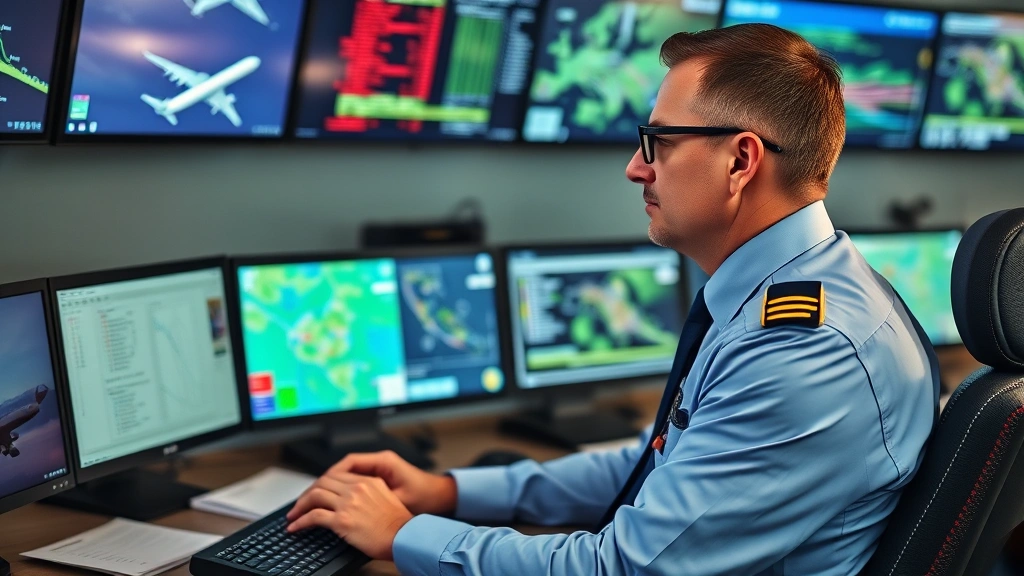
A flight dispatcher is a certified aviation professional who plays a crucial role in flight operations and safety. Operating from dispatch centers, these specialists work closely with pilots, mechanics, meteorologists, and air traffic control to ensure every flight operates safely and efficiently. They’re essentially the mission control for individual flights, responsible for planning routes, monitoring weather conditions, and making real-time decisions that can affect thousands of passengers and millions of dollars in aircraft assets.
Flight dispatchers hold equal legal responsibility with pilots for flight safety and decision-making. This shared accountability means the role carries significant responsibility and requires exceptional attention to detail. Whether you’re interested in best airlines for long flights or understanding aviation operations, knowing about flight dispatchers reveals the sophisticated coordination behind every departure.
The position requires a unique blend of technical knowledge, regulatory compliance expertise, and the ability to make sound judgments under pressure. Flight dispatchers must understand aircraft performance, meteorology, navigation, regulations, and emergency procedures. They’re the strategic planners who optimize everything from fuel consumption to crew scheduling, directly impacting whether why are flights so expensive right now and how airlines maintain profitability.
Educational Requirements and Certifications
Becoming a flight dispatcher requires obtaining an Airline Dispatcher Certificate from the Federal Aviation Administration (FAA) in the United States, or equivalent credentials from aviation authorities in other countries. This certification is non-negotiable and represents the foundational credential for the profession. The FAA requires candidates to meet specific eligibility criteria before they can even sit for the certification exam.
Most employers prefer candidates with at least a high school diploma or GED, though some positions may require additional education. Many successful flight dispatchers hold associate or bachelor’s degrees in aviation, business, or related fields. These educational backgrounds provide valuable context for understanding aviation operations, but the FAA certificate remains the essential credential.
The FAA written examination covers extensive material including meteorology, aircraft performance, navigation, regulations, emergency procedures, and dispatch practices. Candidates must score at least 70% to pass. Beyond the written exam, practical requirements include demonstrated knowledge of airline operations, understanding of specific aircraft types, and proficiency with dispatch tools and procedures. The entire certification process typically takes 6-12 months depending on your study pace and training program quality.
Flight Dispatcher Training Programs
Several pathways can lead to flight dispatcher certification, each with distinct advantages. Structured training programs offered by aviation academies provide comprehensive instruction covering all FAA-required knowledge areas. These programs typically last 3-6 months and include classroom instruction, computer-based learning, and practical exercises using actual dispatch software and procedures.
Leading flight dispatcher training programs include those offered by the National Air Transportation Association (NATA), various aviation universities, and airline-sponsored training initiatives. When selecting a program, consider accreditation status, instructor experience, curriculum comprehensiveness, and job placement assistance. Many programs provide mentorship from experienced dispatchers and access to real-world dispatch scenarios.
Some airlines offer in-house training programs for candidates they’ve already hired, providing on-the-job training combined with formal instruction. This pathway can be advantageous because you’re learning airline-specific procedures and systems while earning a salary. However, competition for these positions is fierce, and airlines typically require prior aviation experience or completion of an external training program.
Self-study is possible but challenging for most candidates. Flight dispatcher certification requires mastery of complex technical material, and structured guidance from experienced instructors significantly improves pass rates and preparation quality. Combining self-study with instructor-led courses often provides the best balance of cost-effectiveness and learning outcomes.
Skills You’ll Need to Succeed
Technical Competencies: Flight dispatchers must master aeronautical knowledge including aircraft performance characteristics, navigation systems, meteorology, and weight-and-balance calculations. Understanding weather patterns is particularly crucial—dispatchers regularly analyze satellite imagery, radar data, and forecast models to plan optimal routes and altitudes. Proficiency with dispatch software, flight planning tools, and communication systems is essential.
Decision-Making Under Pressure: Dispatchers frequently face time-sensitive situations requiring rapid analysis and sound judgment. Whether responding to mechanical issues, weather developments, or medical emergencies, the ability to remain calm and make rational decisions affects flight safety and operational efficiency. This skill develops through training and experience but requires inherent composure and analytical thinking.
Communication Skills: Effective communication with pilots, mechanics, weather briefers, and air traffic control is fundamental. Dispatchers must convey complex technical information clearly and concisely, especially during emergencies. Written communication is equally important for filing flight plans and documenting decisions.
Problem-Solving Ability: Flight operations constantly present unexpected challenges—mechanical delays, weather changes, crew scheduling conflicts, or air traffic restrictions. Dispatchers must rapidly develop alternative solutions while maintaining safety and regulatory compliance. Creative thinking combined with technical knowledge distinguishes exceptional dispatchers.
Attention to Detail: Aviation operates on precise procedures and regulations. A single miscalculation in fuel planning, weight distribution, or flight plan filing could have serious consequences. Successful dispatchers develop systematic approaches ensuring accuracy in every task.
Stress Management: The job involves significant responsibility and time pressure. Dispatchers who manage stress effectively maintain focus during critical situations and avoid burnout during demanding shifts. Healthy coping mechanisms and work-life balance strategies are important for long-term success.
The Application Process for Flight Dispatcher Jobs
Once certified, landing your first flight dispatcher position requires strategic job searching and application efforts. Most major airlines recruit dispatchers through their career websites and aviation job boards. Networking within the aviation community—attending industry conferences, joining professional organizations, and connecting with experienced dispatchers—often reveals opportunities before they’re publicly advertised.
Applications typically require your FAA Airline Dispatcher Certificate, resume highlighting aviation experience, cover letter demonstrating knowledge of the specific airline’s operations, and completion of detailed application forms. Many airlines conduct phone screenings before inviting candidates to in-person interviews. These interviews often include scenario-based questions testing your decision-making abilities and technical knowledge.
Some airlines require background checks, medical examinations, and psychological evaluations. Security clearance may be necessary for certain positions. The hiring process can take several months, so patience and persistence are important. Don’t become discouraged if initial applications don’t result in interviews—the aviation industry is competitive, but demand for qualified dispatchers remains strong.
Consider starting with regional airlines or charter operators if major carriers aren’t immediately available. These positions provide valuable experience and often lead to opportunities with larger airlines. Many successful dispatchers built their careers by gaining experience at smaller operations before advancing to major carriers.
Salary and Benefits
Flight dispatcher salaries vary significantly based on airline size, experience level, and geographic location. Entry-level dispatchers at regional carriers typically earn $40,000-$55,000 annually, while experienced dispatchers at major airlines can earn $80,000-$120,000 or more. Senior dispatchers and those in supervisory positions often exceed $150,000 annually.
Airlines typically offer comprehensive benefits packages including health insurance, retirement plans (often with employer matching), life insurance, and travel benefits. Many dispatchers enjoy significant travel perks, including free or discounted flights for themselves and immediate family members. This benefit is particularly valuable for travel enthusiasts and can substantially increase compensation value.
Schedule flexibility varies by airline and seniority. Dispatchers typically work rotating shifts covering 24/7 operations, including nights, weekends, and holidays. More senior dispatchers often have greater control over scheduling preferences. Overtime opportunities are common, particularly at busy airlines, providing additional income potential.
Union representation is standard at major airlines, with dispatchers typically represented by the Air Line Pilots Association (ALPA) or similar unions. Union membership provides job security protections, standardized pay scales, and grievance procedures. Understanding union agreements is important when evaluating compensation and working conditions at different carriers.
Career Advancement Opportunities
Flight dispatcher careers offer multiple advancement pathways. Senior dispatcher positions involve mentoring junior staff, developing procedures, and managing dispatch operations. Supervisory and management roles oversee entire dispatch centers and require balancing operational efficiency with safety considerations. These positions typically require several years of dispatch experience and demonstrated leadership abilities.
Some dispatchers transition into safety management, working to identify operational risks and implement preventive measures. Others move into training and development, designing curriculum and instructing new dispatchers. Regulatory compliance specialists ensure airline dispatch operations meet FAA requirements and industry standards. These specialized roles often offer higher compensation and different work schedules than line dispatch positions.
Aviation consulting provides another advancement path, where experienced dispatchers advise airlines on operational efficiency, technology implementation, and procedure development. Some dispatchers eventually transition into airline management positions, leveraging their operational knowledge for broader organizational roles.
Continuing education enhances career prospects. Pursuing advanced certifications, attending industry conferences, and staying current with regulatory changes demonstrates commitment to professional development. Many airlines actively promote dispatchers who show initiative in expanding their knowledge and skills.
Work Environment and Challenges
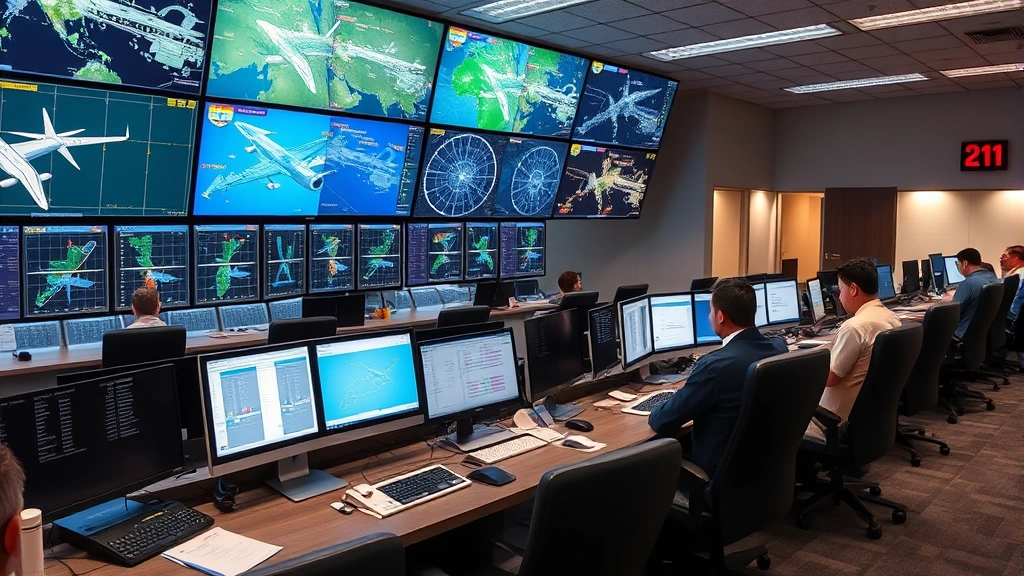
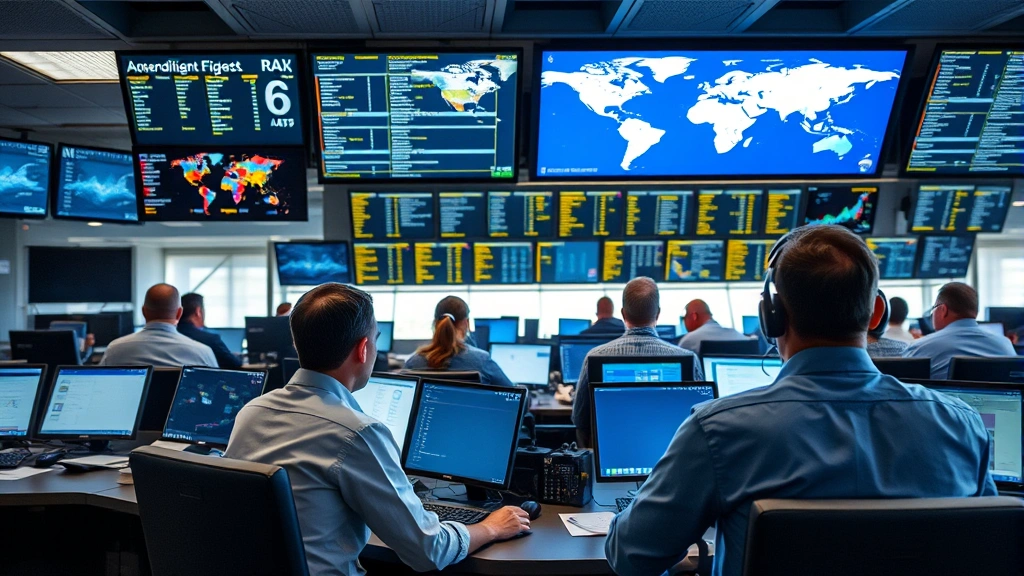
Flight dispatchers work in dispatch centers—sophisticated control rooms equipped with multiple computer systems, communication equipment, and weather monitoring tools. The environment is typically climate-controlled and relatively comfortable, but the work is mentally demanding and fast-paced. Unlike pilots, dispatchers maintain consistent ground-based schedules, though shifts include nights, weekends, and holidays.
The job involves significant responsibility—dispatch decisions directly affect flight safety and passenger well-being. This accountability creates inherent stress that some individuals find motivating while others find overwhelming. Successful dispatchers develop effective stress management strategies and maintain perspective about their role within the broader aviation system.
Technology changes constantly, requiring continuous learning and adaptation. New aircraft types, software systems, and procedures demand ongoing professional development. Dispatchers who embrace change and view technology as tools enhancing their capabilities thrive in this environment, while those resistant to learning may struggle.
The aviation industry experiences cyclical periods of growth and contraction affecting job availability and scheduling. Economic downturns can impact hiring and shift availability. Understanding these industry cycles helps you plan career decisions strategically. During growth periods, advancement opportunities accelerate, while downturns require patience and flexibility.
Regulatory compliance is non-negotiable in aviation. Dispatchers must strictly follow FAA regulations, airline procedures, and safety protocols. This constraint frustrates some individuals who prefer flexibility and autonomy, but others appreciate the structure and clear operational guidelines.
FAQ
How long does it take to become a flight dispatcher?
The timeline typically ranges from 6-18 months depending on your educational background and training program choice. Formal training programs last 3-6 months, followed by studying for and passing the FAA written exam. Additional time may be needed for practical requirements and background checks before official certification.
Do I need aviation experience to become a flight dispatcher?
Prior aviation experience is not required, though it’s beneficial. Many successful dispatchers enter the profession from non-aviation backgrounds, though they must complete comprehensive training. Previous experience in high-responsibility roles, customer service, or technical fields can be advantageous.
What’s the difference between flight dispatchers and air traffic controllers?
Flight dispatchers work for airlines, planning flights and managing aircraft operations. Air traffic controllers work for the government (FAA), managing airspace and directing aircraft movements. Controllers focus on separation and flow management, while dispatchers focus on individual flight planning and airline operations. Both roles are essential to aviation safety.
Is flight dispatcher work stressful?
Yes, the role carries significant responsibility and involves time-sensitive decision-making. However, stress levels vary based on individual temperament, airline operations, and personal coping strategies. Many dispatchers find the responsibility motivating rather than overly stressful, particularly those who thrive in dynamic environments.
What’s the job outlook for flight dispatchers?
The aviation industry continues growing, increasing demand for qualified dispatchers. Airlines are expanding routes, and many experienced dispatchers are retiring, creating advancement opportunities. Job security is generally strong, particularly during economic expansion periods.
Can I work as a flight dispatcher internationally?
Yes, but you’ll need certification from the relevant aviation authority in your target country. The FAA certificate is recognized internationally, but most countries require additional training and certification aligned with their regulatory standards. Multinational airlines may offer opportunities to work internationally with your FAA certification.
What’s the typical career progression?
Most dispatchers start as line dispatchers handling routine flight planning and operations. After gaining experience, they may become senior dispatchers, then supervisors or managers overseeing dispatch operations. Some transition into specialized roles like training, safety, or consulting.


