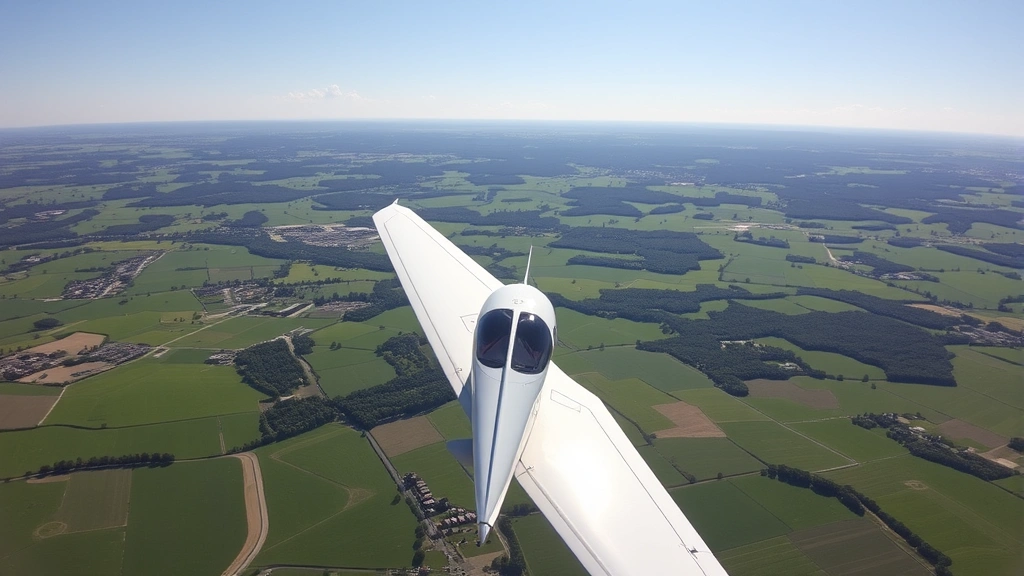
Discovery Flights Near Me: Local Pilot Insights for Your First Flight Experience
Dreaming of experiencing aviation firsthand but unsure where to start? A discovery flight is your gateway to the skies, offering an unforgettable hands-on experience with professional pilots who are passionate about sharing their love of flying. Whether you’re curious about becoming a pilot, seeking an adrenaline rush, or simply want a unique perspective of your local landscape, discovery flights have become increasingly accessible and affordable across the United States.
These introductory flights typically last 30 to 60 minutes and take you soaring above your hometown, revealing vistas you’ve only seen from the ground. Local flight instructors and aviation schools offer these experiences at regional airports, making it easier than ever to find a discovery flight near you. This comprehensive guide, informed by insights from experienced pilots and aviation professionals, will help you navigate the world of discovery flights and prepare for an adventure that could change your life.
What Is a Discovery Flight?
A discovery flight, also known as an introductory or scenic flight, is a structured aviation experience designed for people with little to no flying experience. Unlike commercial flights where you’re a passenger among hundreds, discovery flights are intimate experiences typically involving a small aircraft—usually a Cessna 172, Piper Cherokee, or similar single or twin-engine plane—with just you, a flight instructor, and perhaps one other passenger.
During your discovery flight, you’ll have the opportunity to sit in the cockpit, observe flight operations up close, and often take the controls under the guidance of a certified flight instructor. You’ll experience the sensation of takeoff, the freedom of flight, and the unique perspective of viewing your community from above. These flights are designed to be thrilling yet safe, educational yet enjoyable, and accessible to people of all ages and fitness levels.
The primary purpose of discovery flights is to introduce people to aviation in a meaningful way. For some, it’s the beginning of a journey toward earning a pilot’s license. For others, it’s a once-in-a-lifetime adventure or a unique gift for a loved one. Flight schools use discovery flights as a marketing tool to attract future students, which is why they’re often offered at reasonable prices.
Finding Discovery Flights Near You
Locating a discovery flight near you is simpler than you might think. Start by searching online for “discovery flights near me” or “introductory flights [your city name].” This will typically return results from local flight schools, flying clubs, and aviation centers in your area.
Key resources for finding discovery flights include:
- Local flight schools and FBOs (Fixed Base Operators): These are businesses located at regional airports that provide flight training and aircraft rental services. They almost always offer discovery flights.
- Aviation websites: Platforms like Aircraft Owners and Pilots Association (AOPA) maintain directories of flight schools nationwide.
- Groupon and deal sites: Discovery flights are frequently offered as discounted deals on platforms like Groupon, making them even more affordable.
- Regional airports: Contact your nearest airport directly. Staff can connect you with flight schools operating there.
- Aviation experience platforms: Websites specializing in experiential flights often have comprehensive listings organized by location.
When researching options, read reviews from previous customers. Look for instructors with strong safety records, positive feedback about their teaching style, and clear communication about what’s included in the package. Don’t hesitate to call and ask questions—passionate aviation professionals love discussing their craft and will gladly explain their offerings in detail.
Consider proximity to your home, aircraft type preferences, and the specific focus of the flight. Some schools emphasize scenic routes over populated areas, while others offer aerobatic discovery flights for those seeking more thrilling maneuvers. Understanding your preferences will help you choose the perfect experience.
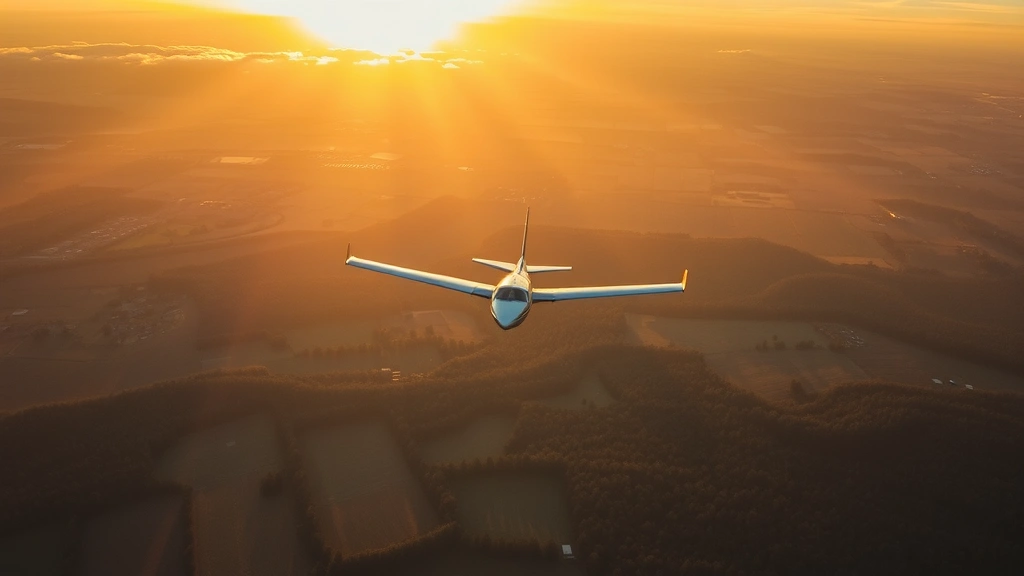
” alt=”Aerial view of small aircraft flying over patchwork farmland and forests during golden hour”>
How to Prepare for Your Discovery Flight
Proper preparation ensures you get the most out of your discovery flight experience. Here’s what you need to know before your scheduled flight date.
Physical and health considerations: Discovery flights are generally suitable for most people, but certain conditions may require medical clearance. If you have heart conditions, severe claustrophobia, or recent surgery, consult with your doctor beforehand. Inform your flight instructor about any health concerns when you arrive. Avoid heavy meals before flying, as some people experience mild motion sickness. Take any prescribed medications as usual unless specifically advised otherwise.
Dress appropriately: Wear comfortable, casual clothing suitable for the season. Small aircraft can be cooler than you expect, so bring a light jacket. Avoid loose items that could become distracting in the cramped cockpit space. Wear closed-toe shoes—most flight schools have this requirement for safety reasons.
Arrive early: Plan to arrive at least 15-30 minutes before your scheduled flight time. This gives you time to check in, complete any required paperwork, and settle your nerves. Your instructor will conduct a pre-flight briefing explaining safety procedures, flight controls, and what to expect.
Mental preparation: Review the Federal Aviation Administration (FAA) safety guidelines before your flight. Understand that discovery flights are among the safest activities available—instructors are highly trained professionals who prioritize safety above all else. Trust your pilot’s expertise and follow all instructions carefully.
Bring essentials: Bring a valid government-issued ID, your phone (for photos), and a small amount of cash or card for payment. Leave valuables at home. Many flight schools provide headsets for communication, but ask in advance if you need to bring your own.
What to Expect During Your Discovery Flight Experience
Understanding the typical flow of a discovery flight helps you mentally prepare and maximize your enjoyment.
Pre-flight briefing (15-20 minutes): Your instructor will explain the aircraft’s basic systems, flight controls, and safety procedures. They’ll discuss what you’ll experience during takeoff, flight, and landing. This is your opportunity to ask questions and express any concerns. Good instructors are patient, encouraging, and excited to share their passion for aviation.
Preflight walk-around (10 minutes): Before boarding, your instructor will conduct an external inspection of the aircraft, checking fuel levels, tire pressure, and structural integrity. You’re welcome to follow along and learn about aircraft maintenance—this is a great photo opportunity.
Boarding and engine startup (5-10 minutes): You’ll board the aircraft and settle into your seat. The cockpit is compact, so movement is limited, but you’ll have an excellent view of all the instruments and controls. Your instructor will start the engine, run through pre-flight checks, and communicate with air traffic control.
Taxi and takeoff (10-15 minutes): You’ll feel the aircraft move as it taxis to the runway. Takeoff is thrilling—the acceleration, the lift-off sensation, and the gradual climb are unforgettable. Your instructor may let you hold the control stick lightly during flight so you can feel how the aircraft responds to inputs.
The flight itself (20-40 minutes): Once airborne, you’ll experience the freedom and beauty of flight. Your instructor will point out landmarks, explain navigation techniques, and answer questions. Many flights include time where you can take the controls under supervision—an incredible hands-on learning experience.
Landing (10-15 minutes): As you approach your home airport, you’ll descend gradually. Landing is smoother than most expect, and your instructor will explain each step. Once safely on the ground, you’ll taxi back to the hangar.
Post-flight debrief (10 minutes): After landing, you’ll receive a certificate commemorating your discovery flight and discuss your experience with your instructor. This is when many people express interest in pursuing pilot training or booking additional flights.
Safety and Regulations in Discovery Flights
Safety is the paramount concern in aviation, and discovery flights operate under strict regulatory frameworks that make them exceptionally safe experiences.
Regulatory oversight: All discovery flights must comply with FAA regulations. Aircraft used for training and discovery flights undergo regular inspections and maintenance. Flight instructors must hold valid commercial pilot licenses and pass rigorous background checks. The combination of regulatory oversight and professional standards creates an extremely safe environment.
Aircraft maintenance: Training aircraft receive meticulous maintenance schedules that often exceed regulatory minimums. Instructors perform pre-flight inspections before every flight, checking fuel quality, engine oil, tire condition, and control surface functionality. This attention to detail is non-negotiable in aviation.
Insurance and liability: Reputable flight schools carry comprehensive liability insurance covering discovery flights. Before booking, verify that your chosen school is insured and ask about their safety record. The National Transportation Safety Board (NTSB) maintains accident statistics that you can review if you want detailed safety data.
Emergency procedures: Your instructor will brief you on emergency procedures before flight. However, statistically, modern small aircraft are incredibly safe. Engine failures are rare due to rigorous maintenance, and aircraft can glide safely even with engine problems. Trust your instructor’s expertise and follow all safety instructions without question.
Weather considerations: Flight schools take weather seriously and will cancel flights if conditions are unsafe. Thunderstorms, heavy precipitation, or strong winds may result in rescheduling. This conservative approach to weather ensures your safety.
Cost Factors and Pricing for Discovery Flights
Discovery flight pricing varies based on location, aircraft type, flight duration, and included amenities. Understanding pricing factors helps you find the best value for your budget.
Typical pricing ranges: Discovery flights generally cost between $150 and $400 for a 30-60 minute experience. Basic scenic flights in a Cessna 172 typically fall on the lower end of this range, while longer flights, dual-engine aircraft, or flights with additional amenities command higher prices.
What affects pricing:
- Aircraft type: Single-engine aircraft are less expensive than twin-engine planes
- Flight duration: Longer flights cost more due to fuel consumption
- Location: Urban areas and popular tourist destinations may charge premium prices
- Included features: Certificate, photos, video recording, or additional passengers affect pricing
- Instructor experience: Highly experienced instructors may charge more
- Time of day: Peak hours and weekend flights may cost more than weekday flights
When comparing why flights are priced as they are, remember that discovery flight pricing includes instructor time, aircraft fuel, maintenance, and insurance. It’s a fair value for the experience provided.
Money-saving tips: Watch for Groupon deals offering significant discounts. Book weekday flights during off-peak hours for better rates. Some schools offer discounts for group bookings. Joining aviation clubs or organizations sometimes provides access to discounted discovery flights. Consider gifting a discovery flight for holidays or special occasions—recipients often find it’s worth the investment.
From Discovery Flight to Pilot Career
Many people who take discovery flights become inspired to pursue pilot training and careers in aviation. Understanding this pathway helps you make informed decisions about your aviation future.
The pilot training progression: After a discovery flight, aspiring pilots typically pursue a Private Pilot Certificate, which requires approximately 60-70 hours of flight training. This is just the beginning—commercial pilot certification, instrument rating, and airline transport pilot ratings represent progressively advanced qualifications. The journey from discovery flight to airline captain typically takes 3-5 years of dedicated training and accumulation of flight hours.
If you’re considering aviation as a career, research the career opportunities available with major airlines, which vary in hiring requirements and compensation. The aviation industry is experiencing a pilot shortage, making it an excellent time to pursue this career path. However, it requires commitment, investment, and passion for flying.
Flight school selection: Not all flight schools are created equal. Research accreditation, instructor qualifications, aircraft fleet condition, and student success rates. Some schools offer accelerated programs, while others prefer traditional paced training. Visit multiple schools and speak with current students before committing to training.
Cost of pilot training: Earning a Private Pilot Certificate typically costs $10,000-$15,000, depending on aircraft rental rates in your area and your learning pace. Commercial pilot training adds another $15,000-$20,000. These are significant investments, but financing options and flight school scholarships are available.
For those seeking adventure without career commitment, recreational flying through clubs or occasional flight experiences provides a more affordable way to enjoy aviation. Compared to road trips across the USA, flying offers unique perspectives and time-saving benefits for long-distance travel.
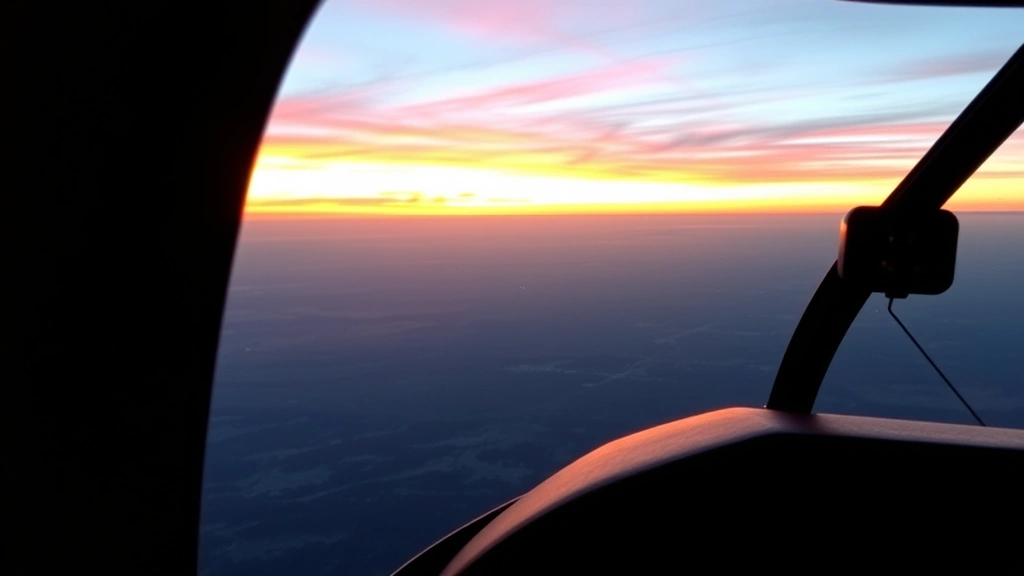
” alt=”Sunset view from small aircraft cockpit showing colorful sky over distant landscape and terrain below”>
Frequently Asked Questions About Discovery Flights
Is a discovery flight safe for someone with no flying experience?
Absolutely. Discovery flights are specifically designed for people with no experience. Professional instructors prioritize safety and control the aircraft at all times. You’re in excellent hands with a certified professional who has undergone extensive training.
Can I really take the controls during a discovery flight?
Yes, most discovery flights include hands-on time where you can hold the control stick or yoke under your instructor’s guidance. You’ll feel how the aircraft responds to your inputs while your instructor maintains overall control. It’s an incredible learning experience.
What happens if I get motion sickness?
Motion sickness in small aircraft is uncommon, especially in modern training aircraft like the Cessna 172. Eating a light meal beforehand and focusing on the horizon helps prevent nausea. Inform your instructor about concerns, and they’ll fly smoothly. Many people who worry about motion sickness experience no problems whatsoever.
What age can children participate in discovery flights?
Most flight schools accept children as young as 8-10 years old for discovery flights, though requirements vary. Children must be old enough to follow safety instructions and fit comfortably in the available seats. Contact your local flight school for specific age and weight requirements.
How far can we fly during a discovery flight?
A typical 60-minute discovery flight can cover 100-150 miles depending on wind conditions and routing. Your instructor will plan a scenic route showcasing local landmarks. Longer flights covering greater distances are available at higher costs.
What if the weather is bad on my scheduled flight day?
Flight schools take weather very seriously and will reschedule flights if conditions are unsafe. You’ll receive a full refund or rescheduling option. This conservative approach ensures your safety and is standard across reputable flight schools.
Can I bring a camera or record video?
Yes, most flight schools allow personal cameras and recording devices. Some schools offer professional video recording services for an additional fee. Check with your specific school about their policies and any restrictions regarding camera placement in the cockpit.
Do I need a pilot’s license for a discovery flight?
No license is required. You’re flying as a passenger with a licensed instructor. The instructor maintains full control of the aircraft and all necessary certifications.
How do I book a discovery flight?
Search online for “discovery flights near me,” visit local flight school websites, or check platforms like Groupon. Call your chosen school directly to discuss options, ask questions, and schedule your flight. Most schools accommodate bookings within days or weeks.
What’s included in the discovery flight price?
Typically included: aircraft rental, instructor time, fuel, insurance, and a certificate of completion. Some schools add photos, video, or a logbook entry. Clarify what’s included when booking to avoid surprises.
Can I gift a discovery flight to someone?
Absolutely. Discovery flights make memorable gifts for birthdays, anniversaries, or special occasions. Many flight schools offer gift certificates valid for extended periods, allowing recipients flexibility in scheduling their experience.


