Christmas Eve Delays? American Airlines Insights
The holiday season transforms travel into an emotional journey—reuniting families, chasing winter adventures, and creating memories that last lifetimes. Yet nothing dampens festive spirits faster than a flight delay on Christmas Eve. American Airlines, as one of the world’s largest carriers, faces unprecedented passenger volumes during this peak travel period, and understanding the realities of holiday scheduling can help you navigate potential disruptions with grace and preparation.
Christmas Eve represents the single busiest travel day of the year for most major airlines. Passengers rush to reach holiday destinations, and the convergence of weather challenges, increased air traffic, and operational constraints creates a perfect storm for delays. American Airlines operates thousands of flights daily, and when Christmas Eve arrives, their network operates at maximum capacity. This comprehensive guide explores the patterns, causes, and solutions for managing American Airlines flight delays during this critical travel window.
Why Christmas Eve Delays Happen
Christmas Eve delays stem from multiple interconnected factors that compound throughout the day. American Airlines must manage increased demand while maintaining safety standards and crew scheduling regulations. The Federal Aviation Administration (FAA) imposes strict limitations on pilot and flight attendant duty hours, meaning that cascading delays early in the day create ripple effects through evening and night operations.
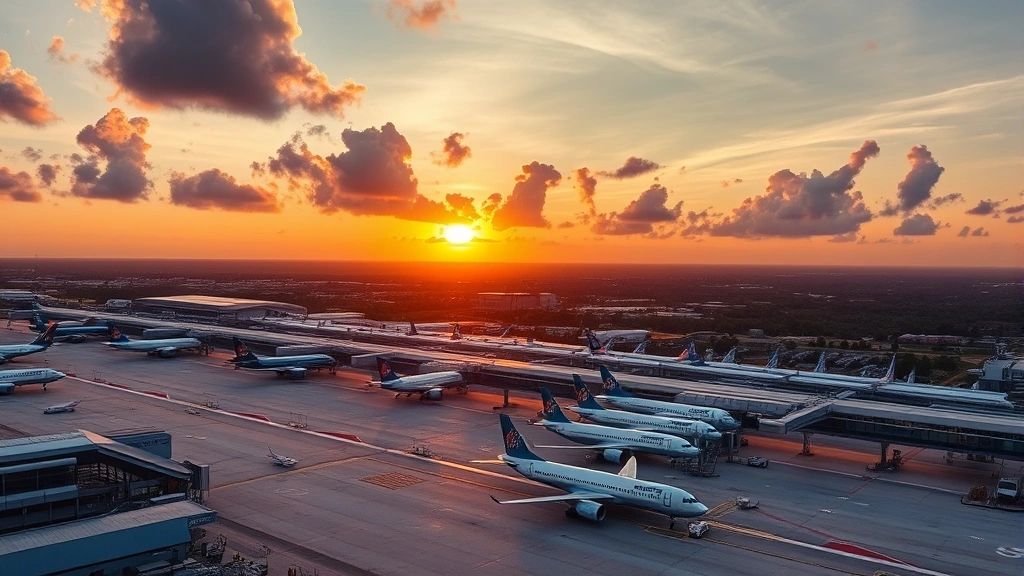
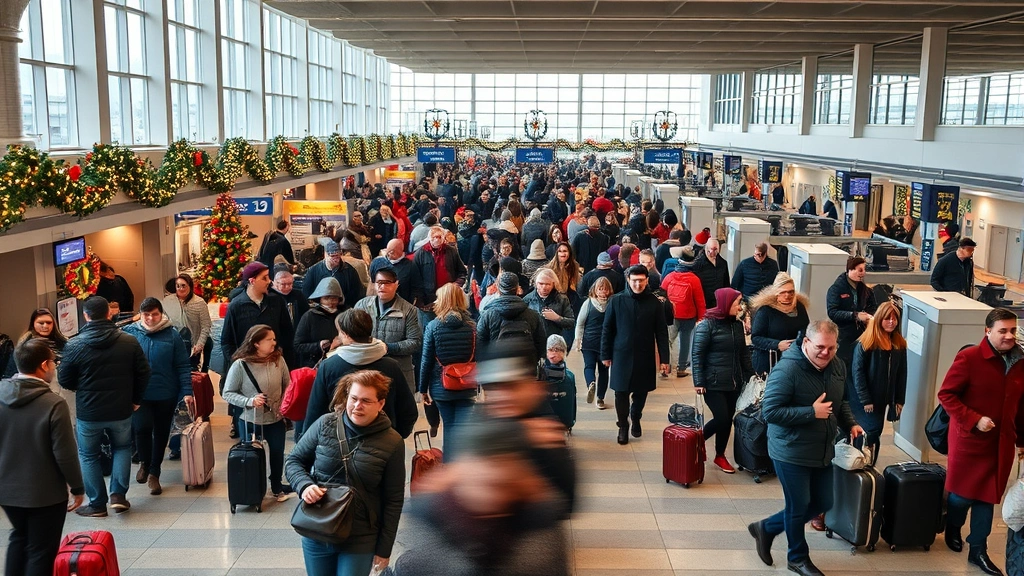
Congestion at major hub airports represents the primary culprit. American Airlines operates significant hubs in Dallas/Fort Worth, Charlotte, Chicago, and Miami. During Christmas Eve, these airports process 30-40% more passengers than typical days, creating bottlenecks at gates, on tarmacs, and in airspace. Ground operations—including baggage handling, refueling, and cabin cleaning—take longer when volume increases dramatically.
Mechanical issues, while statistically rare, become more impactful during high-demand periods. Aircraft requiring maintenance cannot be quickly swapped out when backup planes are already deployed. A single mechanical delay can trigger a domino effect affecting multiple subsequent flights as aircraft and crews fall out of sync with their scheduled rotations.
De-icing requirements during winter weather events add 15-30 minutes to turnaround times. If Christmas Eve coincides with winter storms across the eastern or central United States, de-icing delays multiply across the network. A snow event in Chicago or Dallas can disrupt connections for passengers traveling through those hubs, even if their final destinations experience clear skies.
American Airlines Holiday Operations
American Airlines increases capacity during the Christmas period by deploying additional aircraft, adding extra flight frequencies on popular routes, and extending operating hours at regional airports. Despite these efforts, demand often outpaces supply. The airline typically adds 5,000-7,000 extra seats daily during the peak holiday week, yet this expansion still falls short of passenger demand.
For travelers considering San Diego to Vegas flights, Christmas Eve represents one of the year’s busiest travel days. American Airlines operates multiple daily flights on this leisure-heavy route, but capacity constraints mean passengers face higher probabilities of oversold flights and rebooking challenges if delays occur.
The airline’s crew scheduling becomes particularly complex during Christmas. Flight attendants and pilots request time off for personal holiday celebrations, requiring American Airlines to balance staffing needs with employee preferences. Holiday premium pay incentivizes some crew members to work additional flights, but the airline still faces crew availability constraints that limit how many flights they can operate.
American Airlines implements contingency plans including pre-positioning aircraft to high-demand destinations and maintaining larger-than-usual reserve crews at major hubs. The airline also coordinates with ground service providers to expedite boarding, baggage handling, and aircraft turnarounds. However, these measures can only mitigate delays—not eliminate them entirely during peak travel periods.
Weather Patterns and Winter Travel
December weather introduces unpredictable variables that directly impact flight operations. Winter storms across the northern United States, ice accumulation in the Great Plains, and fog in coastal regions all contribute to Christmas Eve delays. American Airlines cannot control weather, but meteorological data allows the airline to anticipate disruptions and implement proactive measures.
Travelers planning Houston to Orlando flights benefit from warmer southern routes, yet even these flights face delays when connecting through northern hubs. A passenger originating in Houston might experience delays in Chicago or Dallas due to winter weather affecting hub operations, despite clear skies at both departure and arrival cities.
Ground stops represent the most severe weather-related delays. When the FAA issues a ground stop due to severe weather, all aircraft in the affected region must remain on the ground until conditions improve. A ground stop at Dallas/Fort Worth—American Airlines’ largest hub—can delay hundreds of flights across their network. Christmas Eve ground stops, while relatively rare, create cascading delays lasting 12-24 hours.
The National Weather Service and FAA coordinate to issue weather advisories and ground stops. American Airlines monitors these forecasts continuously and communicates expected disruptions to passengers through email, text, and app notifications. Savvy travelers check weather forecasts for hub cities, not just their departure and arrival destinations, to anticipate potential delays.
Icing conditions at cruise altitude require flight crews to request altitude changes, which impacts fuel burn and flight duration. While these operational adjustments rarely cause significant delays, they can add 15-30 minutes to flight times during winter weather events. Passengers should expect variable arrival times during winter months, particularly on Christmas Eve when weather patterns affect the entire continental United States.
Booking Strategies for Holiday Flights
Minimizing Christmas Eve delay exposure begins with strategic booking decisions. Early morning flights typically experience fewer delays than afternoon and evening departures, as morning operations begin with a clean slate before cascading delays accumulate. Passengers booking flights departing before 10 a.m. experience roughly 20% fewer delays than evening flights.
Direct flights eliminate connection risks. Passengers connecting through hubs face double exposure to delays—a delay on the first leg increases the probability of missing the connection, requiring rebooking. Direct flights also avoid hub congestion, though availability may be limited on certain routes. When booking New York to Paris flights during the Christmas period, direct transatlantic service reduces delay vulnerability compared to one-stop itineraries.
Avoid hub-heavy routings when possible. American Airlines’ major hubs—Dallas/Fort Worth, Charlotte, Chicago, and Miami—experience the highest Christmas Eve congestion. Passengers traveling between smaller cities may find alternative routings through less-congested airports, reducing delay probability. For example, a passenger traveling from Phoenix to Boston might choose a flight routing through Denver rather than Dallas, avoiding the most congested hub.
Purchase refundable tickets or travel insurance when booking Christmas Eve flights. The financial protection justifies the premium cost given delay probabilities. American Airlines’ basic economy fares offer limited flexibility, but main cabin or first-class tickets provide easier rebooking options if delays occur. Travel insurance covering flight delays provides compensation ($200-500 depending on delay length) that can offset additional accommodation costs.
Book flights on different airlines as backup options when possible. While this requires more planning and potentially higher costs, having a confirmed seat on an alternative carrier provides insurance against American Airlines delays. If American Airlines delays a flight by 3+ hours, passengers can typically rebook on competitors without additional fees, but having pre-booked alternatives eliminates rebooking uncertainty.
Real-Time Monitoring and Notifications
American Airlines’ mobile app provides real-time flight status updates, allowing passengers to monitor delays before arriving at the airport. The app sends push notifications when delays exceed 15 minutes, providing crucial time to adjust ground transportation plans or alert recipients about arrival changes. Passengers should enable notifications for all flights booked 24-48 hours in advance of Christmas Eve travel.
The FAA’s Flight Delay Information System (available at faa.gov) offers independent, real-time delay data. This information shows airport-level congestion, ground stops, and weather impacts across the national airspace system. Checking the FAA website 2-3 hours before departure provides accurate delay predictions unfiltered by airline optimism.
FlightAware and similar flight tracking websites display historical delay patterns for specific flights and routes. Passengers can review how a particular flight number performed on previous Christmas Eves, revealing patterns in delay probability. This data helps travelers make informed decisions about which flight times to select when booking.
American Airlines customer service representatives can provide detailed delay explanations and rebooking options by phone. However, calling during peak times (morning and evening on Christmas Eve) means 45-90 minute wait times. Contacting customer service 24-48 hours before departure provides faster response times and allows proactive rebooking if delays appear likely.
Social media monitoring—following @AmericanAir and regional airport accounts—provides real-time operational updates. Airport and airline social media teams post gate information, delay announcements, and weather updates faster than formal customer service channels. Passengers waiting in airports should monitor these accounts for the latest information.
Passenger Rights and Compensation
American Airlines must adhere to U.S. Department of Transportation (DOT) regulations governing passenger compensation for delays and cancellations. On Christmas Eve, when delays are common, understanding your rights ensures you receive appropriate compensation and rebooking options.
For domestic flights delayed more than 3 hours, passengers can typically claim compensation only if the delay resulted from American Airlines’ controllable factors (mechanical issues, crew scheduling, operational decisions) rather than weather or air traffic control delays. However, passengers are entitled to rebooking on the next available American Airlines flight at no additional cost, regardless of delay cause.
If American Airlines cancels a Christmas Eve flight, passengers receive rebooking on the next available American Airlines flight or competitor flights if American cannot accommodate the passenger within 24 hours. Passengers also receive meal vouchers, hotel accommodations (if overnight rebooking is necessary), and ground transportation to/from hotels. These entitlements apply even if cancellation results from weather.
Passengers experiencing delays exceeding 3 hours on international flights (including transatlantic routes like New York to Paris) may qualify for EU Regulation 261/2004 compensation if the flight operates from European airports. This regulation provides €250-600 compensation depending on flight distance, applied regardless of delay cause except extraordinary circumstances.
American Airlines’ delay notification policy requires the airline to proactively inform passengers of delays exceeding 2 hours and provide rebooking options. Passengers who discover delays through other sources can contact customer service and demand equivalent rebooking options without penalty. Documentation of delay times (screenshots of flight status, boarding passes with timestamps) strengthens compensation claims.
Travel insurance policies covering flight delays provide compensation directly to passengers regardless of airline policies. These policies typically reimburse $200-500 for delays exceeding 6-12 hours, with higher payouts for longer delays. Christmas Eve travel insurance policies, while more expensive than standard coverage, provide essential financial protection given high delay probabilities.
Alternative Travel Options
When Christmas Eve flight delays appear likely, alternative transportation methods deserve consideration. Driving represents the most viable option for passengers traveling distances under 500 miles. While holiday traffic increases drive times by 20-30%, driving eliminates delay risk entirely and provides schedule flexibility. Passengers traveling to nearby holiday destinations should evaluate whether driving costs (fuel, tolls, meals) compare favorably to airfare plus delay-related expenses.
For longer distances, passengers might consider road trips as extended holiday experiences. Rather than rushing to arrive on Christmas Eve, passengers can depart 2-3 days earlier and enjoy leisurely driving with overnight hotel stays. This approach eliminates flight delay stress while transforming travel into part of the holiday experience.
Train travel provides an increasingly viable alternative for select routes. Amtrak offers passenger rail service on major corridors including the Northeast Corridor (Boston-New York-Washington), the Midwest (Chicago-St. Louis-Kansas City), and California routes. While train travel takes longer than flying, it eliminates security screening hassles, baggage restrictions, and delay vulnerabilities. Passengers traveling from New York to Washington or Boston should seriously evaluate Amtrak as a Christmas Eve alternative to flying.
Bus services including Greyhound and regional carriers offer budget-friendly alternatives for cost-conscious travelers. While journey times exceed flight durations by 50-100%, bus fares often run 70-80% cheaper than comparable airfare. Passengers traveling short-to-medium distances (200-600 miles) might find bus travel acceptable if arriving on Christmas Eve proves non-negotiable.
Delaying travel by 1-2 days after Christmas Eve allows passengers to avoid peak congestion entirely. Flying on Christmas Day or December 26th dramatically reduces delay probability and provides more comfortable airport and aircraft conditions. Passengers with flexible holiday schedules should seriously consider post-Christmas travel dates.
Reviewing best airlines for long flights helps passengers identify carriers with superior on-time performance if alternative airlines serve their desired routes. While American Airlines remains competitive, comparing options with United, Delta, and Southwest reveals which carriers achieve better Christmas Eve punctuality.
FAQ
What time of day experiences the fewest American Airlines delays on Christmas Eve?
Early morning flights (before 10 a.m.) experience roughly 20% fewer delays than afternoon and evening departures. Morning operations begin with minimal cascading delays, and crews are fresh and on-schedule. Avoid afternoon flights (2-5 p.m.) and evening flights (6 p.m. onward) when delay probability peaks.
Does American Airlines guarantee compensation for Christmas Eve delays?
American Airlines only guarantees compensation for delays exceeding 3 hours on domestic flights if the airline caused the delay (mechanical issues, crew scheduling, operational decisions). Weather-related and air traffic control delays typically do not qualify for compensation, though passengers receive rebooking options. International flights may qualify for EU compensation if operating from European airports.
How far in advance should I arrive at the airport for Christmas Eve American Airlines flights?
Arrive 3 hours early for domestic flights and 4 hours early for international flights. Christmas Eve crowds increase security line wait times by 30-50% compared to typical days. Early arrival ensures you clear security with time to spare even if security lines exceed normal duration.
Can I change my American Airlines flight if delays appear likely before Christmas Eve?
Yes, American Airlines allows fee-free rebooking if weather forecasts predict significant delays at your departure or arrival airport. Contact customer service 24-48 hours before your flight and explain the anticipated weather impact. The airline may proactively rebook you to earlier flights, though rebooking depends on seat availability.
What should I pack in my carry-on for potential Christmas Eve delays?
Pack medications (enough for 48 hours), phone chargers, entertainment (books, tablets), toiletries, and a change of clothes. Include important documents (IDs, confirmations) and any perishable gifts. Carry-on essentials ensure comfort during extended waits and provide backup items if checked baggage is delayed.
Does travel insurance cover American Airlines Christmas Eve delays?
Yes, travel insurance policies covering flight delays reimburse passengers $200-500 for delays exceeding 6-12 hours. Christmas Eve travel insurance policies cost $30-60 but provide essential financial protection. Review policy details to ensure delay coverage is included and understand reimbursement triggers and documentation requirements.
How do I monitor real-time flight status during Christmas Eve travel?
Enable push notifications on the American Airlines app, monitor the FAA’s Flight Delay Information System (faa.gov), check FlightAware for historical delay patterns, and follow airport social media accounts for real-time updates. Checking these sources 2-3 hours before departure provides accurate delay predictions.