Smoke Smell Causes Flight Diversion? Expert Insight on Southwest Airlines Safety Protocols
When you’re cruising at 35,000 feet, the last thing you want to experience is an unexpected smell wafting through the cabin. Yet smoke-related incidents on commercial flights, particularly with Southwest Airlines, have sparked significant passenger concern and media attention. Understanding what triggers flight diversions due to smoke smell and how airlines respond to these situations is essential for any frequent flyer. This comprehensive guide explores the expert insights behind Southwest flight diversions, the safety protocols involved, and what passengers should know about these rare but serious incidents.
Flight safety is the paramount concern for every airline, and even the slightest indication of smoke or unusual odors in the cabin can warrant immediate action. Southwest Airlines, one of America’s largest carriers, has established rigorous procedures to handle such emergencies. Whether you’re planning Chicago to Seattle flights or any domestic route, knowing the safety measures in place should provide peace of mind during your travels.
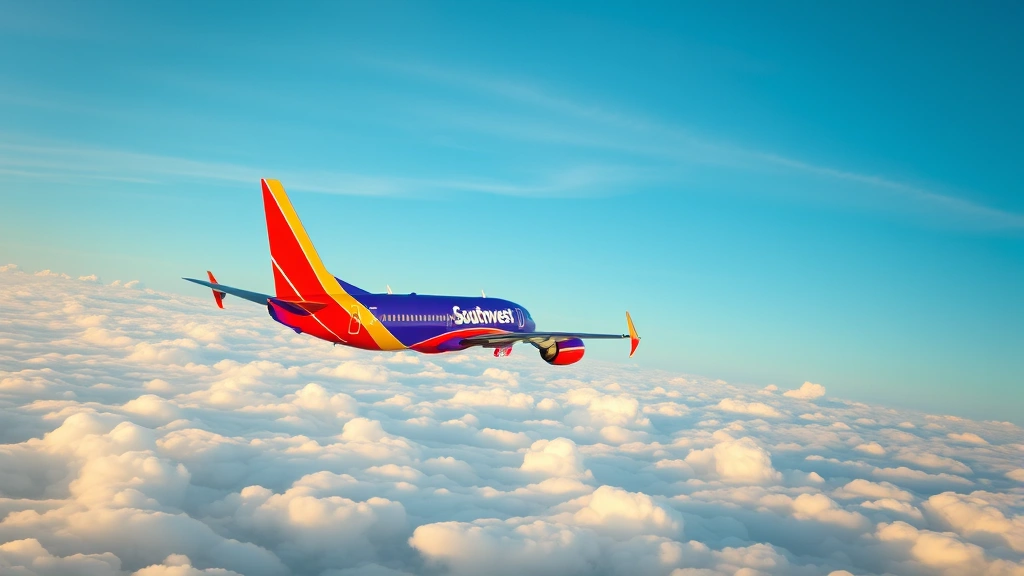
What Causes Smoke Smell on Aircraft?
Smoke detection on commercial aircraft can originate from numerous sources, each requiring different response protocols. Understanding these sources helps explain why airlines take such precautions seriously. The most common causes include electrical fires in the avionics bay, hydraulic fluid overheating, engine issues, galley equipment malfunctions, and lavatory smoke detectors being triggered by actual smoke or mechanical problems.
Electrical fires represent one of the most serious concerns in modern aircraft. These can develop in the cockpit, cargo hold, or walls where wiring runs throughout the fuselage. Modern aircraft like Boeing 737s and Airbus A320s used by Southwest are equipped with advanced fire detection systems that can identify even minimal smoke presence. Hydraulic systems, which power critical flight controls, can emit smoke if fluid overheats due to friction or system failure. Engine-related smoke indicates potential compressor issues, bearing failures, or fuel system problems.
Galley equipment, including ovens, coffee makers, and other electrical appliances, occasionally malfunction and produce smoke. While these are typically less serious than cockpit or engine-related incidents, they still require investigation. Lavatory smoke detectors are particularly sensitive and can be triggered by everything from actual smoke to steam or sensor malfunctions. Each source demands a different level of urgency and response from the flight crew.
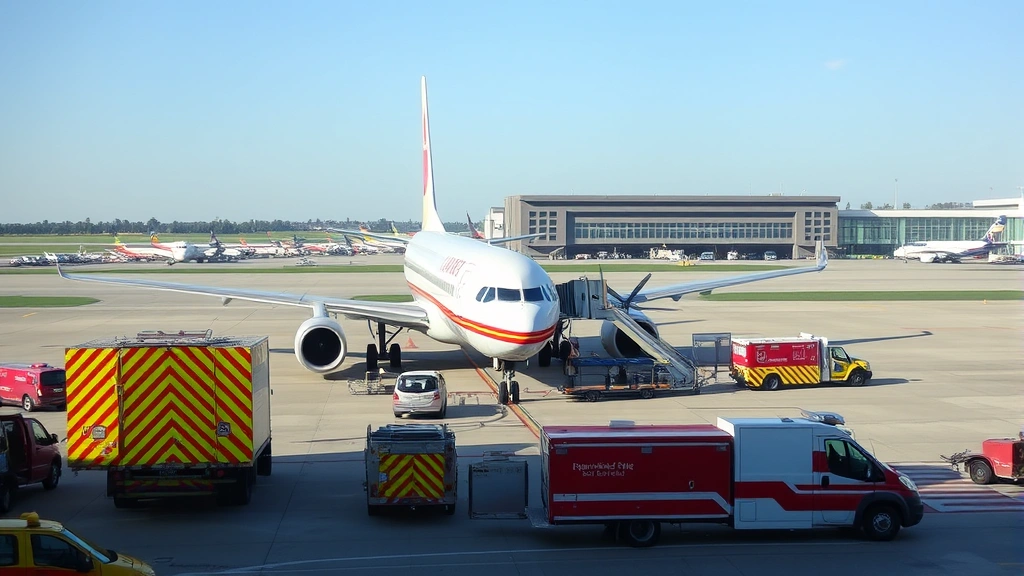
Southwest Airlines Safety Response Protocol
Southwest Airlines follows FAA (Federal Aviation Administration) regulations and maintains its own enhanced safety procedures for handling smoke-related incidents. When a crew member or passenger reports smoke or unusual smells, the flight deck immediately initiates a systematic investigation process. The captain must assess the situation, determine the source if possible, and decide whether to continue to the destination, divert to the nearest suitable airport, or declare an emergency.
The first step involves the flight attendants conducting a thorough walk-through of the cabin to identify any visible smoke or determine the exact location of the smell. Simultaneously, pilots check their instruments and systems for any anomalies. If the source cannot be immediately identified as non-threatening, protocols dictate treating it as a potential emergency. This conservative approach, while sometimes inconvenient for passengers, ensures that no serious safety issue goes unaddressed.
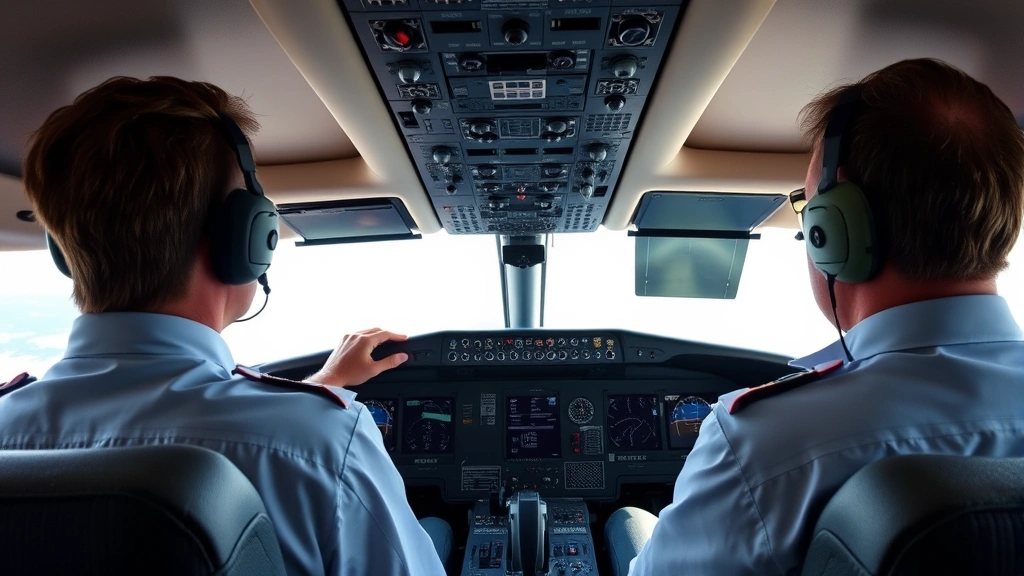
Southwest’s crew training emphasizes communication and decision-making under pressure. Flight attendants receive extensive training on identifying different types of smoke and smells, understanding the severity levels, and communicating effectively with the flight deck. Pilots are trained to interpret instrument readings, understand aircraft systems thoroughly, and make rapid decisions about diversion. The airline conducts regular drills and simulations to ensure crews remain sharp and prepared for unexpected situations.
When a diversion becomes necessary, Southwest coordinates with air traffic control to find the nearest suitable airport with adequate emergency services. The airline prioritizes passenger safety over schedule efficiency, and crews are empowered to make decisions without waiting for corporate approval. This empowerment structure allows for rapid response during genuine emergencies.
When Does Smoke Trigger a Diversion?
Not every report of smoke smell results in a flight diversion. The decision depends on several factors including the source of the smell, its intensity, the altitude of the aircraft, proximity to suitable diversion airports, and the judgment of the flight crew. Experts note that the threshold for diversion has become more conservative over the decades as safety standards have evolved.
If smoke is detected in the cockpit or flight deck area, diversion is almost certain. These areas contain critical systems, and any smoke suggests potential electrical or mechanical failure that could affect aircraft control. Similarly, smoke originating from the cargo hold warrants immediate diversion, as cargo fires can be extremely difficult to extinguish at altitude and represent a serious threat to aircraft integrity.
Engine-related smoke typically triggers an immediate diversion, though the urgency depends on whether the engine can be shut down safely and whether the aircraft can maintain altitude and speed on remaining engines. Modern twin-engine aircraft like those in Southwest’s fleet can operate safely on a single engine, but continued operation of a smoking engine is not advisable.
Cabin-area smoke from galley equipment or other sources may allow the crew to investigate further before deciding on diversion. If the smell dissipates quickly and no source is found, the flight might continue with enhanced monitoring. However, if smoke persists or intensifies, diversion becomes necessary. When traveling on routes like Houston to New York flights, passengers should understand that any diversion decision prioritizes their safety above all other considerations.
The decision-making process also considers the flight’s current position. A flight over the ocean with limited nearby airports faces different constraints than one over the continental United States. Crews must balance the need to land quickly against the feasibility of reaching a suitable airport. Modern aircraft design and redundancy systems allow crews to manage many situations while continuing to a destination, but smoke—particularly unexplained smoke—rarely falls into this category.
Expert Analysis of Recent Incidents
Aviation safety experts have analyzed several high-profile Southwest flight diversions involving smoke reports. These incidents reveal important patterns about how the airline responds and how effective current safety systems are. One notable case involved a flight diverting due to smoke in the cargo hold, which turned out to be caused by a malfunctioning cargo door heating element. The diversion took approximately two hours, but allowed maintenance crews to identify and repair the issue safely.
Another incident involved electrical smoke detected in the cockpit area of a Boeing 737, which prompted an immediate diversion. Investigation revealed a failed electrical component in the avionics bay that could have caused more serious problems if not detected. Experts praised the crew’s rapid response and noted that early detection prevented a potentially catastrophic situation.
Dr. James Chen, an aviation safety consultant with over 30 years of experience, explains that modern aircraft detection systems are so sensitive that they often trigger on sources that pose minimal actual risk. However, he emphasizes that this oversensitivity is preferable to missing a genuine emergency. “The cost of a diversion is measured in hours and inconvenience,” Chen notes. “The cost of missing a real fire could be measured in lives. Airlines have chosen the right side of that equation.”
According to data from the National Transportation Safety Board (NTSB), smoke-related diversions represent less than 2% of all diversions, and actual in-flight fires are extraordinarily rare on commercial aircraft. This statistic reflects both the robustness of modern aircraft design and the effectiveness of current safety protocols. The last fatal commercial aviation accident involving an in-flight fire in the United States occurred decades ago, a testament to how seriously the industry takes these incidents.
Passenger Safety During Smoke Events
For passengers experiencing a smoke-related diversion, understanding what’s happening can reduce anxiety. When smoke is reported, the flight crew will make an announcement explaining the situation and their response. Passengers should remain calm, follow crew instructions precisely, and avoid using electronic devices unless instructed otherwise, as these could potentially interfere with navigation systems during a critical phase of flight.
During a diversion, the captain will inform air traffic control and receive priority handling. This means other aircraft will be vectored away to clear the airspace and runway for the diverting flight. Emergency services will be standing by at the destination airport, though in most cases they are precautionary. Passengers should expect the descent to be more rapid than normal, which is standard procedure for diversions and poses no safety risk.
Once on the ground, maintenance crews will conduct a thorough inspection of the aircraft. Passengers will be deplaned and provided with updates about the situation and next steps. Southwest typically arranges ground transportation, meals, and accommodations if an overnight stay becomes necessary. For those planning Miami to NYC flights or any journey, understanding these procedures should provide confidence in the airline’s commitment to safety.
Passengers should also know their rights during diversions. According to DOT regulations, airlines must provide meals, lodging, and ground transportation if a diversion causes a delay exceeding certain timeframes. Additionally, passengers may be entitled to compensation depending on the circumstances and their ticket type. Southwest’s customer service team can provide specific information about compensation eligibility.
Prevention and Maintenance Standards
Southwest Airlines invests heavily in preventive maintenance to minimize the likelihood of smoke-related incidents. Every aircraft undergoes regular inspections according to FAA-mandated schedules, with components checked, tested, and replaced based on strict time and cycle limits. Electrical systems receive particular attention, with wiring harnesses inspected for damage, corrosion, or wear that could lead to shorts or fires.
The airline uses predictive maintenance technology to monitor aircraft systems continuously. Sensors throughout the aircraft collect data on temperatures, vibrations, pressures, and other parameters. This data is analyzed to identify components showing early signs of degradation before they fail. Modern aircraft like Southwest’s 737 MAX and 737-800 fleet feature advanced fire detection systems that can identify smoke at extremely low concentrations.
Maintenance technicians at Southwest receive ongoing training on aircraft systems and troubleshooting procedures. The airline maintains relationships with manufacturers and suppliers to stay informed about potential issues or recalls. When the FAA issues airworthiness directives requiring inspection or modification of specific components, Southwest implements these changes promptly and comprehensively.
Beyond maintenance, Southwest emphasizes a safety culture where employees at all levels feel empowered to report potential issues. Mechanics can ground aircraft if they identify problems, and their decisions are supported by management. This reporting culture has proven effective in identifying and addressing issues before they escalate into safety incidents. The airline also participates in industry data-sharing initiatives where operators share information about incidents and near-misses to help the entire industry learn and improve.
Passenger Rights and Compensation
Understanding your rights as a passenger during a flight diversion is important for protecting your interests. Under DOT regulations, airlines must provide certain accommodations when diversions cause delays. If a diversion results in a delay of more than three hours, you may be entitled to meals and refreshments. If you’re stranded overnight, the airline must provide hotel accommodation and ground transportation.
Compensation for diversions varies based on several factors. If the diversion resulted from a mechanical issue or other airline responsibility, you may be eligible for compensation under the airline’s policy. However, if the diversion was caused by weather, air traffic control decisions, or other factors beyond the airline’s control, compensation may not apply. Each situation requires individual assessment.
Southwest’s policy typically provides travel vouchers or refunds for passengers whose flights are significantly delayed or cancelled due to diversions. The amount depends on the length of the delay and your ticket type. Basic Economy fares may have different compensation than Premium or Business Select fares. It’s important to document your expenses during a diversion and contact Southwest’s customer relations team with receipts and documentation to pursue compensation claims.
For passengers whose luggage is delayed due to a diversion, Southwest provides compensation for essential items needed during the delay. Keep all receipts for items purchased due to baggage delays, and submit these along with your claim. The airline typically reimburses reasonable expenses for necessities like toiletries, clothing, and medications.
If you’re a frequent flyer, diversions may impact your travel plans and earning potential. Southwest’s A-List elite members receive priority rebooking on other flights and additional compensation benefits. Understanding your elite status benefits can help you navigate diversions more effectively and potentially recover some value from the disruption.
When planning trips on routes like those connecting major hubs, knowing your passenger rights ensures you’re prepared if unexpected situations arise. Whether you’re exploring Southeast Asia destinations after a connection or adjusting road trip plans, understanding how diversions work helps you stay flexible and informed.
FAQ
How often do Southwest flights divert due to smoke smell?
Smoke-related diversions represent a small fraction of all diversions. While exact statistics vary by year, these incidents occur infrequently. Southwest’s large fleet means occasional incidents receive high media attention, but the actual rate is quite low relative to the number of flights operated daily.
Is smoke smell on a plane always dangerous?
Not necessarily. Many smoke smells come from non-dangerous sources like galley equipment or sensor triggers. However, because the source cannot always be immediately determined at altitude, crews treat all smoke reports seriously until proven otherwise. This conservative approach prioritizes passenger safety.
What happens to my luggage during a diversion?
Your luggage remains on the aircraft and is unloaded with other baggage at the diversion airport. If your luggage is delayed getting to your final destination, Southwest provides compensation for reasonable expenses incurred due to the delay.
Can I sue Southwest if my flight diverts?
Unless you can demonstrate that Southwest acted negligently or violated regulations, pursuing legal action for a diversion is generally not successful. Diversions are safety decisions, and courts recognize airlines’ authority to make these calls. However, you may pursue compensation for expenses under the airline’s policy or DOT regulations.
Will I be compensated if my flight diverts?
Compensation depends on the cause of the diversion and the length of resulting delay. If the diversion was due to mechanical issues, you may be eligible for compensation. If it was due to weather or other external factors, compensation typically does not apply. Contact Southwest’s customer relations team with documentation of your situation.
How can I prepare for potential flight disruptions?
Book flights with adequate connection time, purchase trip insurance for important journeys, keep important items in carry-on luggage, and maintain copies of your booking confirmation and contact information. Understanding airline policies and your passenger rights also helps you navigate disruptions more effectively. For solo travelers, these preparations are especially valuable for maintaining flexibility during unexpected changes.
What should I do if I experience smoke on a flight?
Alert a flight attendant immediately by pressing the call button or signaling nearby crew members. Provide specific details about the location and nature of the smell. Follow all crew instructions and remain calm. The crew is trained to handle these situations and will take appropriate action based on your report.