PSA Flight 182: Lessons from Aviation Experts and Modern Safety Evolution
On September 25, 1978, Pacific Southwest Airlines Flight 182 collided with a Cessna 172 over San Diego, California, resulting in the deadliest aviation accident in United States history at that time. This catastrophic event claimed 144 lives and fundamentally transformed how the aviation industry approaches safety, communication protocols, and accident prevention. Understanding the circumstances surrounding PSA Flight 182 provides invaluable lessons for modern travelers and aviation professionals alike, demonstrating how tragedy can catalyze systemic improvements that save countless lives.
The collision between the Boeing 727 and the small Cessna occurred in broad daylight under clear weather conditions, making it a stark reminder that accidents can happen when least expected. What makes this disaster particularly significant is not merely the loss of life, but the comprehensive changes it inspired across the entire aviation industry. From enhanced communication procedures to advanced collision avoidance systems, the legacy of PSA Flight 182 continues to influence how airlines operate today, ensuring that modern air travel remains one of the safest forms of transportation available.
What Happened on That Fateful Day
Pacific Southwest Airlines Flight 182 departed from Sacramento International Airport en route to San Diego International Airport on the morning of September 25, 1978. The aircraft was a Boeing 727-214, a popular commercial airliner carrying 135 passengers and a crew of seven. The weather conditions were excellent, with clear skies and unlimited visibility, creating a false sense of security among those aboard. At approximately 9:02 AM local time, the aircraft began its descent into the San Diego airspace, following standard approach procedures.
The Cessna 172, a small single-engine aircraft, was conducting a training flight with a student pilot and instructor aboard. The aircraft was operating in the same airspace and at similar altitudes, creating a dangerous convergence of flight paths. Despite being equipped with radar and having radio communication capabilities, both aircraft failed to detect each other until it was too late. The PSA Boeing 727 struck the Cessna from above and behind, with the Cessna’s fuselage penetrating the larger aircraft’s right wing. The impact was catastrophic, and both aircraft plummeted toward the ground.
The Boeing 727 crashed into a residential neighborhood in San Diego, destroying multiple homes and killing everyone aboard the flight as well as seven people on the ground. The Cessna also crashed in the same general area. The total death toll reached 144, making it the deadliest aviation accident in U.S. history at the time. Emergency responders faced an overwhelming scene of destruction, and the investigation that followed would take months to complete.
Contributing Factors and Investigation Findings
The National Transportation Safety Board (NTSB) conducted an exhaustive investigation into the collision, examining every aspect of the incident from aircraft maintenance to pilot training. The investigation revealed that multiple factors contributed to the accident, with human error and systemic failures playing significant roles. The primary cause was identified as a failure of the flight crew to see and avoid the Cessna, despite the excellent visibility conditions that should have made detection possible.
One critical factor was the position of the sun relative to the aircraft’s flight paths. The Cessna was positioned in a location that made it difficult for the PSA pilots to spot, a phenomenon known as the “blind spot” created by the sun’s angle. Additionally, the Cessna was not equipped with a transponder that would have made it visible on radar, a common limitation of smaller general aviation aircraft at that time. The PSA flight crew was relying on visual detection, which proved inadequate in this situation.
Another significant contributing factor was the lack of effective communication between the aircraft and air traffic control regarding the Cessna’s position. When the Cessna pilot reported being in the vicinity of the PSA flight, there was confusion about the exact location, and the critical warning that could have prevented the collision was never transmitted. The investigation highlighted the dangers of ambiguous radio communications and the critical importance of clear, precise language in aviation.
Communication Breakdowns in the Cockpit
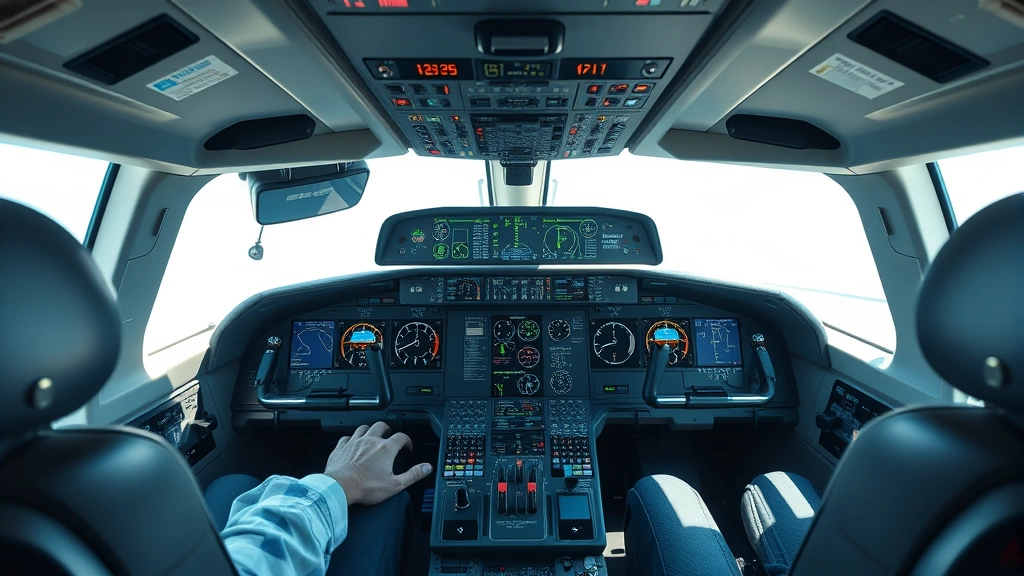
The investigation into PSA Flight 182 revealed profound communication failures that extended beyond radio transmissions to include cockpit resource management issues. The flight crew consisted of experienced pilots, yet the accident demonstrated that experience alone was insufficient to prevent disaster when systemic communication problems existed. The captain, first officer, and flight engineer were not effectively sharing information about the potential threat posed by the Cessna in the vicinity.
Radio communications between the PSA flight and air traffic control were often unclear, with multiple aircraft operating in the same frequency creating a cacophony of transmissions. The controller’s warning about the Cessna was ambiguous and did not clearly indicate the immediate threat level. Furthermore, the Cessna pilot’s transmissions about their position were vague, leading to confusion about their actual location relative to the PSA flight. This breakdown in communication directly contributed to the collision.
The accident prompted the aviation industry to develop and implement standardized phraseology for all radio communications. Prior to 1978, pilots used more casual and varied language when communicating with air traffic control. The new protocols ensured that every transmission would be clear, precise, and understood by all parties involved. This standardization has proven to be one of the most effective safety improvements implemented following the disaster, reducing the likelihood of misunderstandings that could lead to accidents.
Training programs were also revamped to emphasize the importance of effective communication within the cockpit itself. Modern crew resource management training, which became standard after PSA Flight 182, emphasizes that all crew members have a responsibility to speak up if they perceive a potential danger. This cultural shift from hierarchical decision-making to collaborative problem-solving has saved countless lives by ensuring that critical information is shared among all crew members.
The Birth of Modern Safety Protocols
The aftermath of PSA Flight 182 catalyzed a revolution in aviation safety protocols that transformed the industry. The Federal Aviation Administration (FAA) and airlines worldwide implemented sweeping changes to prevent similar collisions. These changes were not merely incremental improvements but represented a fundamental rethinking of how air traffic management and collision avoidance should function. The disaster served as a wake-up call that the existing system, while generally safe, had dangerous gaps that needed to be addressed.
One of the most significant changes was the development and mandating of Traffic Collision Avoidance Systems (TCAS) on all commercial aircraft. While primitive versions existed before 1978, the accident accelerated development and implementation of more sophisticated systems. TCAS uses radar and radio signals to detect other aircraft in the vicinity and provides pilots with warnings and recommended maneuvers to avoid collisions. This technology has become so effective that it is credited with preventing numerous accidents that would have occurred under the old system.
Another critical improvement was the enhancement of radar capabilities at air traffic control facilities. Prior to the accident, many airports had limited radar coverage, and small aircraft like the Cessna were not always visible on radar screens. Investments were made to upgrade radar systems and to improve their ability to detect and track all aircraft in controlled airspace. Additionally, procedures were established requiring all aircraft operating in certain airspace to be equipped with functional transponders, making them visible on radar screens.
The FAA also implemented new rules regarding minimum separation distances between aircraft and established more rigorous procedures for approach and landing operations. These rules were based on the principle that prevention is always preferable to reaction, and that systems should be designed with redundancy to catch errors before they result in accidents. The philosophy that emerged from the investigation of PSA Flight 182 emphasizes that safety is not a single feature but a system-wide approach involving technology, training, procedures, and human factors.
Collision Avoidance Systems Today
Modern collision avoidance systems represent a quantum leap forward from the technology available in 1978. TCAS II, the current standard on commercial aircraft, continuously monitors the airspace around an aircraft and can detect other aircraft up to 40 nautical miles away. When a potential collision threat is detected, the system provides visual and aural warnings to the flight crew, indicating the location of the intruding aircraft and recommending specific maneuvers to avoid collision.
The sophistication of modern TCAS systems includes the ability to coordinate with other aircraft equipped with similar systems. When two TCAS-equipped aircraft detect each other as potential collision threats, their systems communicate and provide coordinated avoidance maneuvers. This coordination ensures that both aircraft are maneuvering in a way that increases separation rather than inadvertently bringing them closer together. The effectiveness of this system has been demonstrated countless times, with TCAS credited with preventing numerous accidents that would have been inevitable under pre-1978 conditions.
Beyond TCAS, modern aircraft are equipped with advanced weather radar that can detect not only precipitation but also wind shear and turbulence. Pilots are provided with real-time information about atmospheric conditions, allowing them to make informed decisions about routing and altitude changes. Additionally, modern glass cockpit displays provide pilots with detailed information about terrain, obstacles, and other aircraft in the vicinity, creating a comprehensive picture of the aircraft’s environment.
The integration of GPS technology and automatic dependent surveillance-broadcast (ADS-B) has further revolutionized collision avoidance capabilities. ADS-B allows aircraft to broadcast their position, altitude, and velocity to other aircraft and ground stations, creating a network of awareness that makes collisions increasingly unlikely. Modern aircraft are equipped with traffic displays that show the position of every other aircraft in the vicinity, providing pilots with situational awareness that was impossible before the digital age.
How Airports Improved Traffic Management
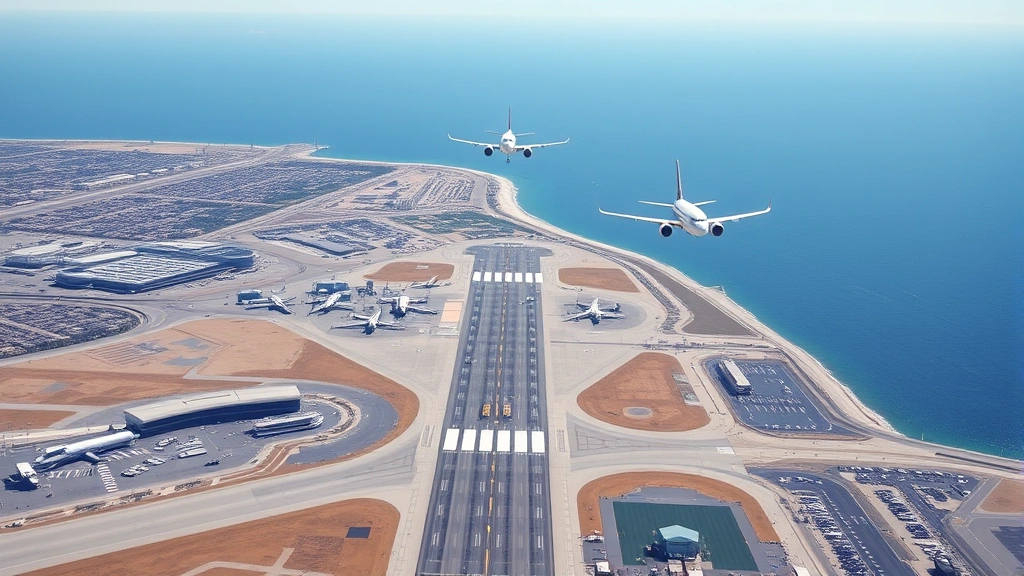
The collision occurred in the terminal airspace near San Diego International Airport, highlighting the need for improved traffic management procedures at busy airports. The investigation revealed that the existing procedures were inadequate to safely handle the volume of traffic, particularly when a mix of commercial and general aviation aircraft were operating in close proximity. This led to comprehensive overhauls of how airports manage traffic, particularly during approach and landing phases.
San Diego International Airport, along with other major airports, implemented more sophisticated radar systems and improved communication protocols to better manage the flow of aircraft. Ground radar systems were upgraded to provide more accurate and detailed information about aircraft positions, allowing controllers to maintain better separation and to provide more timely warnings about potential conflicts. Additionally, procedures were established to segregate commercial and general aviation traffic when possible, reducing the likelihood of collisions between aircraft of vastly different sizes and capabilities.
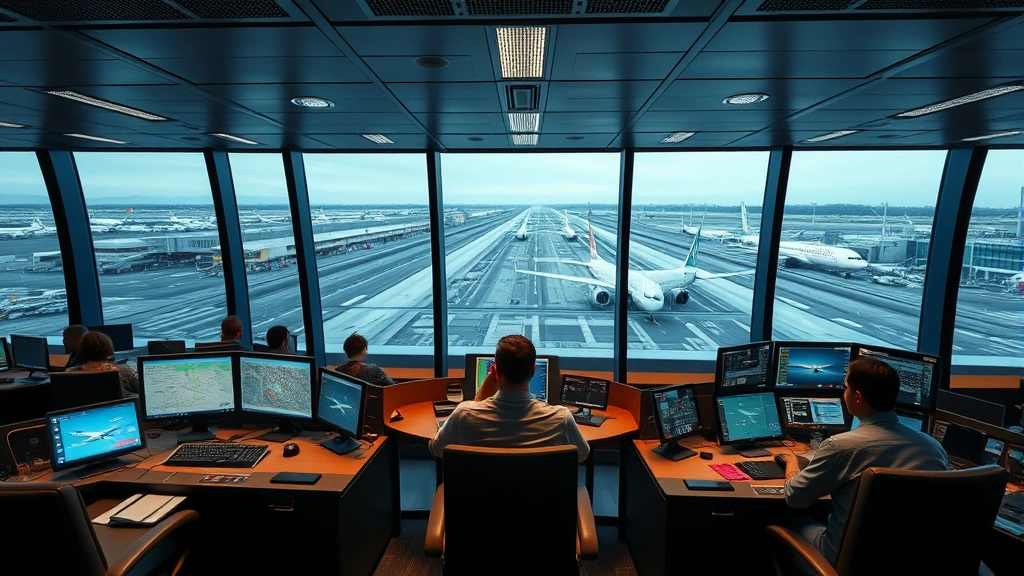
One significant change was the establishment of terminal radar approach control (TRACON) facilities that specifically manage aircraft in the approach phase. These facilities employ specialized controllers trained in managing high-volume traffic in complex airspace. The procedures developed at these facilities emphasize early detection of potential conflicts and proactive separation of aircraft before they become threats. The level of coordination between TRACON controllers and tower controllers was significantly enhanced following the accident.
Modern airports also utilize ground-based augmentation systems (GBAS) and precision approach radar (PAR) to guide aircraft during approach and landing. These systems provide highly accurate information about aircraft position and altitude, allowing controllers to maintain precise separation and to identify potential conflicts immediately. The combination of improved radar, communication systems, and procedures has made the terminal airspace near major airports significantly safer than it was in 1978.
Training Evolution Post-1978
The investigation into PSA Flight 182 revealed that training programs, while comprehensive, did not adequately prepare pilots to handle certain emergency situations or to effectively manage communication in high-stress environments. This led to a fundamental restructuring of pilot training programs across the industry. Modern training emphasizes not only technical flying skills but also decision-making, communication, and crew resource management.
Crew resource management (CRM) training became mandatory for all commercial pilots following the accident. This training emphasizes the importance of effective communication among all crew members and the responsibility of each crew member to speak up if they perceive a potential danger. Rather than a hierarchical structure where only the captain makes decisions, modern cockpit culture encourages all crew members to contribute to the decision-making process. Studies have shown that this collaborative approach significantly reduces the likelihood of accidents caused by human error.
Simulator training also evolved dramatically following the accident. Modern flight simulators can replicate virtually any scenario, allowing pilots to practice emergency procedures and decision-making in a safe environment. Pilots are regularly exposed to scenarios involving traffic conflicts, communication breakdowns, and other challenges that might be encountered in real operations. This repetitive training ensures that pilots develop muscle memory and decision-making skills that will serve them well when facing real emergencies.
Additionally, training programs now emphasize the importance of situational awareness and the recognition of potential threats before they become critical. Pilots are trained to actively scan the airspace, to question ambiguous communications, and to request clarification when they are uncertain about information provided by air traffic control. This proactive approach to safety has proven to be highly effective in preventing accidents caused by miscommunication or inadequate awareness.
Lessons for Travelers and Industry Professionals
While PSA Flight 182 represents a tragic loss of life, the lessons learned from this disaster have made air travel significantly safer for everyone. Modern travelers benefit from decades of improvements inspired by the investigation into this accident. Understanding these lessons can help travelers make informed decisions about air travel and appreciate the safety systems that protect them every time they board an aircraft. When booking flights from Phoenix to Las Vegas or any other route, passengers can be confident that the aircraft they board has benefited from post-1978 safety innovations.
For industry professionals, the accident serves as a reminder that complacency is the enemy of safety. Even under ideal conditions with excellent visibility and experienced pilots, accidents can occur if systemic safeguards are inadequate. The philosophy that emerged from the investigation emphasizes that safety is a continuous process of improvement, not a destination to be reached. Every accident, regardless of how rare, provides valuable lessons that can be applied to prevent future incidents.
The accident also highlights the importance of international cooperation in aviation safety. The lessons learned from PSA Flight 182 have been adopted by aviation authorities and airlines worldwide, creating a global standard of safety that transcends national boundaries. When planning travel from Denver to Vegas or anywhere else in the world, passengers are protected by safety standards that were developed through collective learning from past accidents.
For those interested in aviation history and safety, the story of PSA Flight 182 is essential reading. The accident represents a turning point in aviation safety, after which the industry adopted a more systematic and comprehensive approach to preventing accidents. The improvements implemented following the disaster have saved countless lives and have made modern air travel one of the safest forms of transportation. When considering flights from Houston to Las Vegas or other destinations, travelers can be assured that the aircraft and procedures protecting them have been refined through decades of experience and continuous improvement.
The tragedy also demonstrates the importance of transparency and accountability in the aviation industry. The NTSB investigation was thorough and public, with findings and recommendations shared openly with the entire aviation community. This transparency ensured that lessons learned from the accident were not confined to a single airline or airport but were implemented industry-wide. Modern aviation maintains this commitment to transparency, with accident investigations and safety reports available for public review.
Beyond commercial aviation, the lessons from PSA Flight 182 extend to general aviation safety as well. The accident highlighted the challenges of mixing commercial and general aviation in the same airspace, leading to improved procedures and technology for all aircraft. General aviation pilots today benefit from advances in technology and training that were directly inspired by this disaster, making small aircraft operations significantly safer than they were in 1978.
Travelers who are anxious about flying can find reassurance in understanding the extensive safety systems that protect modern aircraft. From the moment a pilot begins training until they retire, they are subject to rigorous standards and continuous education. The aircraft they fly are equipped with redundant systems designed to function even if individual components fail. Air traffic control systems provide constant monitoring and guidance. The combination of human expertise, advanced technology, and systematic procedures creates an environment where accidents are rare and becoming rarer.
The story of PSA Flight 182 is ultimately one of how tragedy can catalyze positive change. The 144 people who lost their lives in that accident did not die in vain. Their loss prompted improvements that have saved thousands of lives in the decades since. Every passenger who boards a modern aircraft benefits from the lessons learned, the systems developed, and the procedures refined in the aftermath of this terrible accident. The commitment to safety that emerged from this tragedy continues to drive improvements in aviation, ensuring that air travel remains one of the safest forms of transportation available.
FAQ
What was PSA Flight 182?
PSA Flight 182 was a Pacific Southwest Airlines Boeing 727 that collided with a Cessna 172 over San Diego, California, on September 25, 1978. The collision resulted in 144 deaths, making it the deadliest aviation accident in U.S. history at that time. The disaster prompted comprehensive safety reforms across the aviation industry.
How did the collision happen?
The collision occurred because the flight crew of PSA Flight 182 failed to see the Cessna 172 despite clear visibility conditions. Multiple factors contributed, including the position of the sun creating a blind spot, the Cessna’s lack of a transponder making it invisible on radar, and communication breakdowns between the aircraft and air traffic control regarding the Cessna’s position.
What safety improvements resulted from PSA Flight 182?
The accident led to the development and implementation of Traffic Collision Avoidance Systems (TCAS), improved radar capabilities, standardized radio communication procedures, enhanced crew resource management training, and better traffic management procedures at busy airports. These improvements have made modern air travel significantly safer.
Is TCAS effective at preventing collisions?
Yes, TCAS has proven to be highly effective. The system can detect other aircraft up to 40 nautical miles away and provide coordinated avoidance maneuvers. TCAS is credited with preventing numerous accidents that would have been inevitable under pre-1978 conditions and is considered one of the most important safety technologies in modern aviation.
How has pilot training changed since 1978?
Modern pilot training emphasizes crew resource management, decision-making, and communication skills in addition to technical flying abilities. Simulator training allows pilots to practice emergency procedures and complex scenarios. Training programs now emphasize situational awareness and the importance of speaking up about potential dangers, rather than maintaining a strict hierarchical structure in the cockpit.
Are modern aircraft safer than those in 1978?
Yes, modern aircraft are significantly safer than those in 1978. They are equipped with advanced collision avoidance systems, weather radar, terrain awareness systems, and GPS navigation. Additionally, pilots receive more comprehensive training, air traffic control systems are more sophisticated, and procedures have been refined based on decades of experience and continuous improvement in safety.
Can passengers do anything to improve their flight safety?
Passengers should follow all safety instructions provided by flight attendants, familiarize themselves with emergency procedures, and report any safety concerns to crew members. However, the primary responsibility for safety rests with the airline, pilots, and air traffic control. Modern systems are designed to protect passengers even when they are unaware of the safety measures being implemented.
How does ADS-B improve aviation safety?
Automatic dependent surveillance-broadcast (ADS-B) allows aircraft to broadcast their position, altitude, and velocity to other aircraft and ground stations. This creates a network of awareness that makes collisions increasingly unlikely. Pilots can see the position of every other aircraft in the vicinity on their displays, providing situational awareness that was impossible before the digital age.
What role did the NTSB play in the investigation?
The National Transportation Safety Board conducted an exhaustive investigation into the collision, examining every aspect of the incident. The investigation revealed multiple contributing factors and led to comprehensive safety recommendations that were adopted industry-wide. The NTSB’s transparent and thorough approach ensured that lessons learned were shared with the entire aviation community.
How does terminal radar approach control improve safety?
Terminal radar approach control (TRACON) facilities employ specialized controllers trained in managing high-volume traffic in complex airspace during the approach phase. These facilities utilize sophisticated radar systems and procedures that emphasize early detection of potential conflicts and proactive separation of aircraft, making the terminal airspace near major airports significantly safer.