LAX to Seattle Flights: Insider Booking Tips for Smart Travelers
Flying from Los Angeles to Seattle is one of the most popular routes on the West Coast, connecting California’s entertainment hub with the Pacific Northwest’s tech and culture capital. Whether you’re heading to the emerald city for business, leisure, or adventure, mastering the art of booking affordable LAX to Seattle flights can save you hundreds of dollars and unlock better travel experiences. This route operates year-round with multiple daily departures, giving savvy travelers plenty of opportunities to find exceptional deals if you know where to look and when to book.
The three-hour flight is relatively short, making it perfect for weekend getaways or quick business trips. However, most travelers book reactively without understanding the nuances that separate budget-conscious flyers from those who overpay. From identifying the best booking windows to leveraging airline loyalty programs and understanding seasonal pricing patterns, this comprehensive guide reveals insider strategies that travel agents and frequent flyers use to consistently secure the lowest fares on this corridor.
Understanding LAX to Seattle Route Dynamics
The Los Angeles to Seattle corridor is served by major carriers including Alaska Airlines, Southwest Airlines, Delta, United, and American Airlines. This competitive market means prices fluctuate significantly based on demand, fuel costs, and airline capacity management. Alaska Airlines dominates this route with the most frequent flights and often the most competitive pricing, particularly for passengers with their Mileage Plan rewards program.
Understanding the competitive landscape helps you recognize genuine deals versus marketing gimmicks. LAX (Los Angeles International Airport) is one of America’s busiest airports, while Seattle-Tacoma International Airport (SEA) serves the greater Seattle metropolitan area. Both airports have multiple airlines operating, which creates competitive pressure that benefits consumers. The route typically sees 15-20 daily flights during peak seasons, providing flexibility in scheduling and pricing.
When researching LAX to Seattle flights, pay attention to which airlines offer the best service for your needs. Some travelers prioritize budget travel options, while others value premium amenities. Alaska Airlines offers complimentary drinks and snacks on this route, while budget-focused carriers charge for extras. Factor these considerations into your total trip cost, not just the base ticket price.
Best Times to Book Your Flight
The golden rule for booking LAX to Seattle flights is understanding the optimal booking window. Research from travel data analysts consistently shows that domestic flights are cheapest when booked 1-3 months in advance, with the sweet spot typically falling around 6-8 weeks before departure. However, this varies by season and day of the week, requiring a more nuanced approach.
Tuesday and Wednesday departures consistently offer lower fares than Friday through Sunday flights on this route. This pattern exists because business travelers book flights for Friday departures, while leisure travelers often prefer weekend travel. By shifting your travel dates just 2-3 days, you can save 15-30% on your ticket. If your schedule permits flexibility, this single adjustment delivers the most immediate savings.
The time of day also matters more than many travelers realize. Early morning flights (6-9 AM) and late evening departures (after 8 PM) are typically cheaper than mid-morning and afternoon flights. These less-desirable times appeal to budget-conscious travelers and business commuters, creating higher supply relative to demand. Airlines price accordingly, passing savings to passengers willing to adjust their travel times.
Set up price alerts on multiple platforms at least 2-3 months before your intended travel date. Google Flights, Hopper, and Kayak offer free alerts that notify you of price drops on your specific route. Many experienced travelers set alerts for their preferred travel dates plus several alternative date combinations, allowing them to identify unexpected bargains that might require minor schedule adjustments.
Seasonal Pricing Patterns and Peak Travel Periods
LAX to Seattle flights experience dramatic seasonal price swings that savvy travelers exploit. Summer (June-August) represents peak pricing season when families travel and Seattle’s weather is perfect. Expect to pay 30-50% premiums during these months. Similarly, winter holidays (Thanksgiving, Christmas, New Year’s) see inflated prices as families reunite and winter sports enthusiasts head to nearby mountains.
Shoulder seasons (April-May and September-October) offer the sweet spot for value-conscious travelers. Spring brings Seattle’s famous cherry blossoms and emerging green spaces without summer crowds. Early fall provides warm weather and clear skies before rain season intensifies. These periods offer excellent weather and lower prices, making them ideal for maximizing your travel budget.
Winter travel (January-March, excluding holidays) offers the cheapest fares on this route, though Seattle’s rainy season requires appropriate expectations. If you don’t mind gray skies and rain, winter travel to Seattle can be magical and significantly cheaper. The city’s indoor attractions—museums, restaurants, coffee culture—shine during these months, and fewer tourists mean more authentic local experiences.
Avoid booking during peak demand windows: summer school vacations, spring break (mid-March), and all major holidays. These periods see prices 40-60% higher than average. If you must travel during peak times, book as early as possible (3-4 months ahead) and consider flying mid-week rather than weekends.
Comparing Airlines and Finding Hidden Fares
Each airline operating LAX to Seattle employs different pricing strategies and loyalty programs. Alaska Airlines, as the dominant West Coast carrier, often offers competitive base fares but rewards frequent flyers generously through their Mileage Plan. Southwest Airlines typically offers lower base fares but adds carry-on flexibility that reduces baggage fees for many travelers. Delta, United, and American Airlines compete for market share with occasional flash sales and route-specific promotions.
Use multi-airline comparison tools like Kayak, Skyscanner, and Momondo to see all available options simultaneously. However, also check individual airline websites directly, as some carriers offer exclusive deals not visible on third-party sites. Alaska Airlines frequently offers Alaska-only sales that don’t appear on comparison platforms. Spending five extra minutes checking official airline sites often reveals savings invisible elsewhere.
Consider booking connecting flights through alternative routing options if they offer significant savings. A flight routing through Portland (PDX) or San Francisco (SFO) might cost $50-100 less than direct flights, though you’ll sacrifice convenience. For budget-conscious travelers with flexible schedules, these connections sometimes represent excellent value, especially when combined with solo travel planning strategies.
Hidden city ticketing—booking a flight past your destination and exiting at an intermediate stop—is technically possible but violates airline terms of service and creates complications with baggage handling. I don’t recommend this strategy, but understanding it helps you recognize when seemingly cheap fares involve unseen inconveniences.
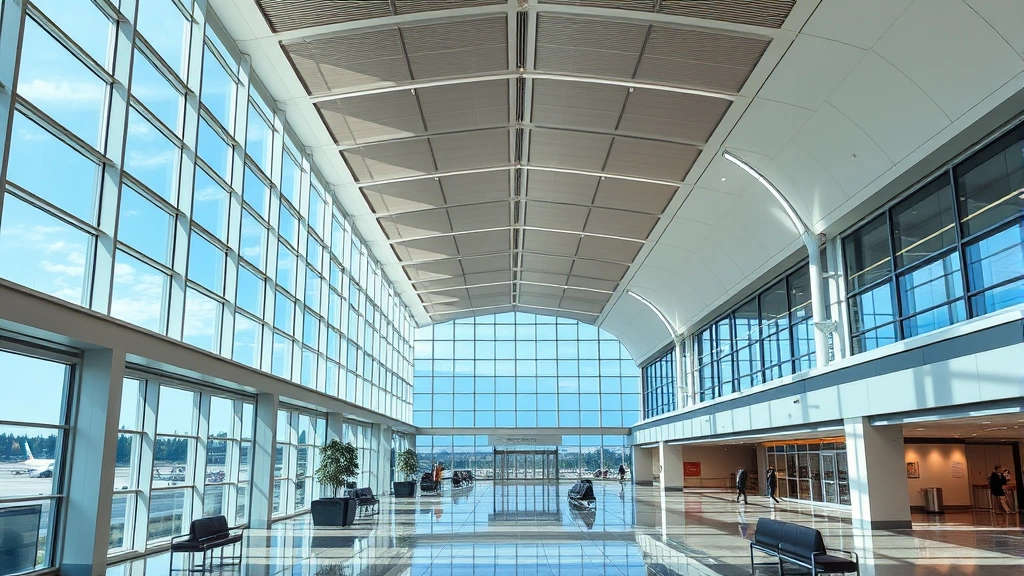
” alt=”Seattle-Tacoma International Airport terminal with Pacific Northwest views and modern architecture”>
Leveraging Points, Miles, and Loyalty Programs
Frequent flyer programs transform LAX to Seattle flights from expenses into free or heavily discounted travel. Alaska Airlines Mileage Plan members can redeem as few as 5,000 miles for one-way flights on this route during off-peak periods, rising to 7,500 during peak times. These redemptions often represent better value than purchasing tickets outright, especially during high-price periods.
Southwest Rapid Rewards members benefit from two free checked bags, which saves money even if the base fare isn’t lowest. When you factor in baggage fees on other carriers ($35 per bag), Southwest becomes cost-competitive even at slightly higher ticket prices. Similarly, Delta SkyMiles and United MileagePlus members enjoy priority boarding and checked bag benefits that add tangible value.
Credit card signup bonuses often include substantial sign-up bonuses (30,000-75,000 miles) that cover round-trip LAX to Seattle flights entirely. If you’re planning multiple trips or significant travel, opening an airline credit card strategically can eliminate entire airfare costs. Just ensure you’ll use the card enough to justify annual fees and avoid overspending to chase bonus categories.
Status benefits matter more on short routes than long-haul flights. A Gold or Platinum member on Alaska Airlines receives priority boarding, which improves overhead bin availability on this popular route. On Southwest, higher status means better boarding positions, directly affecting seat selection on this high-demand corridor. These non-monetary benefits have real value beyond just point accumulation.
Alternative Airports and Budget Strategies
While LAX and Seattle-Tacoma (SEA) are the primary airports, considering alternatives opens new pricing possibilities. For LAX area departures, Long Beach Airport (LGB) and Burbank Airport (BUR) occasionally offer cheaper fares, though you’ll sacrifice LAX’s convenience. The 30-45 minute drive to these airports can negate savings if factoring in additional parking or transportation costs.
From Seattle, Bellingham International Airport (BLI) lies 90 minutes north but occasionally has significantly lower fares. This only makes sense if you’re headed to the Seattle area for a reason that makes Bellingham accessible—perhaps visiting friends in the northern suburbs or planning a Pacific Northwest road trip. The time and transportation cost must justify the airfare savings.
Paine Field in Everett (PAE), north of Seattle, has expanded commercial service in recent years. Some carriers offer flights here at lower prices than SEA. Again, proximity to your actual destination matters tremendously. Only pursue these alternatives if they genuinely serve your trip’s geography and purpose.
Consider driving to a smaller airport with cheaper flights. If LAX to Seattle costs $250 round-trip but LAX to Portland (PDX) costs $150, plus a $50 rental car for the three-hour drive to Seattle, you’ve saved $50 while gaining a Pacific Northwest road trip bonus. This strategy works especially well when you’re not time-constrained and can incorporate additional destinations into your journey.
Money-Saving Hacks Beyond the Base Fare
Reducing your total trip cost extends far beyond the flight ticket itself. Baggage fees represent the second-largest cost for budget travelers. Packing a carry-on only saves $35-70 per checked bag on most carriers. Southwest’s two free checked bags advantage becomes substantial if you travel with luggage beyond a carry-on. Factor baggage policies into your airline selection.
Seat selection fees add $10-30 per person per flight. Unless you have specific seating needs (exit rows, extra legroom), skip paid seat selection and accept standard assignments. On this short three-hour flight, premium seat comfort provides minimal benefit compared to longer routes, making the upcharge poor value.
Airline food and beverage charges add up quickly. Alaska Airlines includes complimentary snacks and drinks on this route, while other carriers charge $7-12 for beverages and $8-15 for snacks. Eating before your flight and bringing an empty water bottle to refill after security saves $15-30 on a round-trip.
Ground transportation costs rival airfare for budget-conscious travelers. Seattle’s light rail system connects SEA airport directly to downtown, costing just $3.25 versus $40-60 for rideshare. In Los Angeles, LAX has improved ground transportation options including Metro connections, though they require more time than rideshare. Planning ground transportation simultaneously with flight booking helps you identify total trip costs accurately.
Travel insurance seems expensive until you need it. For flights under $300, travel insurance ($15-40) provides peace of mind against cancellations, medical emergencies, or missed connections. For expensive tickets or non-refundable fares, insurance becomes increasingly valuable. Evaluate your specific trip circumstances before declining this protection.
Book hotels and rental cars separately from flight packages. While bundled deals seem convenient, they rarely offer better value than booking each component separately. Flight prices change constantly, making static package pricing inefficient. Research flights independently, then find separate accommodations using seasonal travel destination guides to identify best-value lodging.
Consider visiting Seattle during shoulder season travel windows when both flights and accommodations cost less. The city transforms dramatically throughout the year, with each season offering distinct experiences. Spring brings blooming flowers, summer offers perfect weather, fall provides golden light, and winter showcases cozy indoor culture.

” alt=”Seattle skyline featuring Space Needle and Puget Sound waterfront with Mount Rainier in misty distance”>
Final booking confirmation requires checking airline websites directly for any last-minute deals or additional promotions. Some airlines offer discounts within 48 hours of departure, though these require flexibility. Set calendar reminders for your ideal booking window and commit to purchasing when prices align with your research, as fares rarely improve the closer you get to departure.
FAQ
What’s the cheapest day to fly from LAX to Seattle?
Tuesday and Wednesday consistently offer the lowest fares on this route, typically 15-30% cheaper than Friday through Sunday flights. Early morning (6-9 AM) and late evening (after 8 PM) departures are also cheaper than mid-day options. Combining these factors—flying Tuesday morning or Wednesday evening—maximizes savings.
How far in advance should I book LAX to Seattle flights?
The optimal booking window is 6-8 weeks before departure for domestic flights. However, setting price alerts 2-3 months ahead helps you identify unexpected bargains. Avoid booking within two weeks of departure unless you find exceptionally low prices, as fares typically rise as departure approaches.
Which airline is cheapest for LAX to Seattle?
Alaska Airlines often offers competitive pricing on this route and operates the most frequent flights. Southwest Airlines provides value through free checked bags and no change fees. Compare specific dates and times across all carriers rather than assuming one is always cheapest, as pricing varies by date and season.
Can I save money flying into different Seattle airports?
Seattle-Tacoma International (SEA) is the primary airport serving the region. Bellingham (BLI) and Paine Field (PAE) occasionally have lower fares but add 1-2 hours to your journey. Only consider these alternatives if the airfare savings exceed ground transportation costs and time value.
Are LAX to Seattle flights cheaper in winter?
Yes, winter (January-March, excluding holidays) offers the cheapest fares on this route, with prices 30-50% lower than summer. However, Seattle’s rainy season requires appropriate expectations and packing. If you don’t mind gray skies and rain, winter travel provides exceptional value and fewer tourists.
What’s included in Alaska Airlines flights on this route?
Alaska Airlines includes complimentary drinks, snacks, and entertainment on LAX to Seattle flights. Carry-on bags are free, but checked bags cost $35 for the first and $45 for the second. This makes Alaska competitive even when base fares aren’t lowest, as you avoid unexpected fees.
Should I book round-trip or one-way flights?
Compare both options, as pricing varies. Sometimes booking two one-way flights costs less than a round-trip, especially if return dates fall during peak pricing periods. Flexibility on return dates often reveals significant savings when booking separately.
Can I use miles for LAX to Seattle flights?
Yes, all major airlines offer mileage redemptions on this route. Alaska Airlines requires 5,000-7,500 miles one-way depending on season. Check your loyalty program balance before paying cash, as redemptions often provide better value than paid tickets, especially during high-price periods.