Flight Attendant Outfits: Complete Style Guide & Professional Tips
The flight attendant uniform represents more than just dress code compliance—it’s a symbol of professionalism, safety awareness, and travel excellence. Whether you’re aspiring to join the cabin crew or simply curious about the meticulous standards behind those perfectly pressed uniforms, understanding flight attendant outfit requirements reveals fascinating insights into aviation culture and personal presentation. From the iconic navy blazer to precision-fitted trousers, every element serves both aesthetic and functional purposes at 35,000 feet.
Flight attendants navigate unique styling challenges that ground-based professionals never face. They must maintain impeccable appearance through long flights, varying cabin pressures, and unpredictable weather conditions across multiple time zones. This guide explores the complete spectrum of flight attendant fashion, including uniform components, grooming standards, layover styling tips, and the psychology behind aviation’s most recognizable dress codes.
Understanding Flight Attendant Uniform Standards
Flight attendant uniforms have evolved dramatically since the golden age of aviation, yet they maintain strict standardization across major carriers. These uniforms aren’t merely fashion statements—they’re carefully designed systems that project authority, trustworthiness, and professionalism while ensuring crew members can perform emergency procedures effectively. Airlines invest heavily in uniform design because first impressions significantly influence passenger confidence and safety perceptions.
The modern flight attendant outfit balances multiple objectives simultaneously. It must be recognizable from across a crowded airport terminal, comfortable enough to wear through twelve-hour international flights, durable enough to withstand constant movement and repeated dry cleaning, and sophisticated enough to represent the airline’s brand identity. When you’re exploring top travel destinations, you’ll notice flight crews maintain these standards regardless of layover location, demonstrating the universal importance of uniform consistency.
Different airlines maintain distinct uniform styles that reflect their brand positioning. Full-service carriers typically feature more formal, elegant designs with premium fabrics, while budget airlines often opt for business-casual approaches. Regional carriers and international airlines incorporate cultural elements and national pride into their uniform aesthetics. Understanding these distinctions helps aspiring flight attendants identify which airline aligns with their personal style preferences.
Essential Uniform Components and Dress Code Requirements
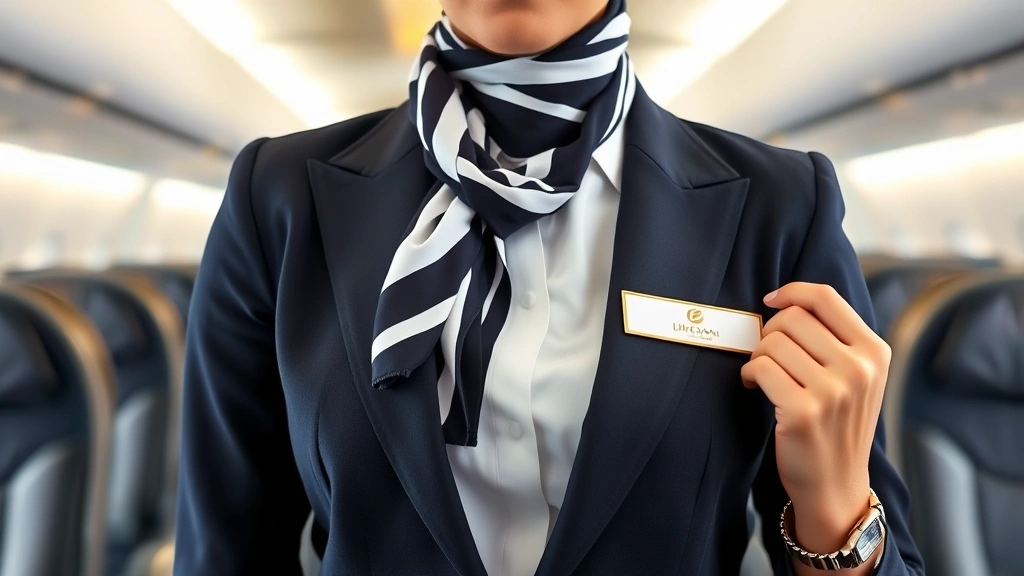
The foundation of any flight attendant outfit consists of core uniform pieces that rarely vary across an airline’s fleet. The navy blazer remains the most iconic element, typically tailored to precise specifications ensuring proper fit and freedom of movement during service. Most airlines require single-breasted blazers in navy, black, or burgundy, with structured shoulders and a defined waist to create a polished silhouette.
Beneath the blazer, flight attendants wear crisp white, cream, or light blue blouses depending on airline specifications. These shirts must meet exacting standards: pressed to perfection, wrinkle-resistant fabrics preferred, and buttoned to the exact collar point. Some airlines require specific shirt styles with reinforced seams and stain-resistant treatments to maintain appearance throughout long duty periods. The blouse serves as the uniform’s foundation, and its pristine condition reflects overall grooming standards.
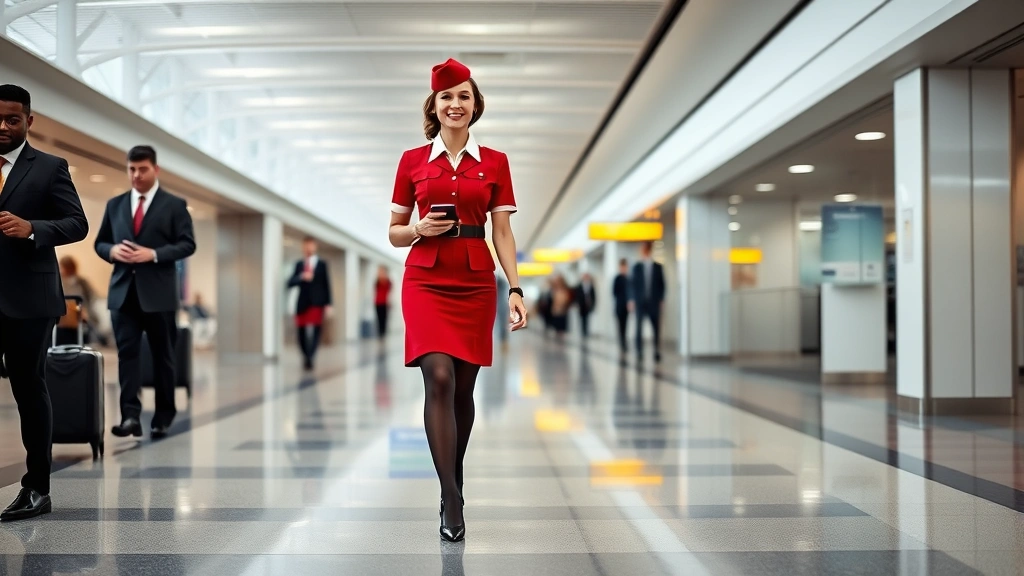
Trousers or skirts represent the next essential component, with most airlines offering both options to accommodate crew preferences. Tailored trousers typically feature a flat front, precise hem length reaching the top of standard shoes, and a slim to straight leg cut. Skirts, usually knee-length or slightly above, must fit snugly at the waist without excess fabric or wrinkles. The color palette typically matches the blazer—navy, black, or burgundy—creating a cohesive, elongating visual line.
When planning flights to Santorini Greece or other destinations, remember that flight attendants maintain these standards regardless of destination climate. Some airlines provide lightweight summer uniforms and heavier winter options, allowing crews to adapt to seasonal changes while maintaining dress code integrity.
Additional uniform requirements typically include:
- Name badge or crew identification pin positioned precisely on the blazer
- Airline-branded scarf or neck accessory in coordinating colors
- Watch or timepiece meeting specific style guidelines
- Minimal, professional jewelry following strict quantity restrictions
- Hosiery in neutral tones matching skin tone or uniform color
- Closed-toe shoes in black, navy, or burgundy leather
The completeness of uniform presentation matters significantly. Airlines conduct regular appearance inspections, and crew members understand that every element contributes to the overall professional image. Missing or improperly worn components can result in corrective action, making attention to detail essential for career progression.
Grooming and Personal Presentation Guidelines
Flight attendant grooming standards exceed typical workplace requirements, reflecting aviation’s emphasis on professionalism and passenger confidence. Hair must be clean, well-styled, and secured away from the face using approved methods. Most airlines specify acceptable hair colors—typically natural shades including black, brown, auburn, and blonde—though some international carriers permit subtle highlights. Hair length varies by airline, with many requiring shoulder-length or shorter styles for safety and hygiene reasons.
Makeup represents another carefully regulated aspect of flight attendant appearance. Airlines typically require makeup that enhances natural features without appearing dramatic or theatrical. Foundation should match skin tone precisely, eyeshadow in neutral or natural tones, eyeliner applied subtly, and lipstick in professional shades like red, berry, or nude. The goal is polished enhancement rather than artistic expression—makeup should complement the uniform rather than compete with it.
Facial hair policies vary considerably among airlines. Many international carriers prohibit visible facial hair for male crew members, while others permit well-groomed beards and mustaches following specific length and style guidelines. Female crew members typically have minimal restrictions regarding facial hair removal, though some airlines address this in grooming standards. These policies reflect both cultural considerations and brand consistency objectives.
Nail care receives surprising attention in flight attendant dress codes. Nails must be clean, trimmed short enough for safety during emergency procedures, and polished in approved colors—typically clear, nude, or red. Artificial nails, acrylics, and gel extensions are frequently prohibited because they can break during service or emergency situations, potentially compromising crew safety. This seemingly minor detail reflects aviation’s commitment to functional professionalism.
Perfume and cologne policies exist to accommodate diverse passenger sensitivities. Most airlines permit minimal fragrance application, restricting strong or overpowering scents that might trigger allergies or discomfort during extended flights. Some carriers specify acceptable fragrance types or prohibit fragrances entirely, prioritizing passenger comfort and air quality.
Accessories and Footwear Specifications
Accessories represent one area where flight attendants can express personality within strict boundaries. Jewelry policies typically limit crew members to minimal, professional pieces: simple wedding bands, small stud earrings (usually one per ear), and one watch or bracelet. Dangling earrings, multiple piercings, and statement jewelry are generally prohibited because they can interfere with service or emergency procedures.
The airline-branded scarf or neck accessory serves both functional and aesthetic purposes. These signature pieces, often featuring the airline’s logo or colors, immediately identify crew members and contribute to brand recognition. Flight attendants must learn specific tying techniques to ensure scarves appear neat and professional throughout their shift. Some airlines provide detailed instructional videos demonstrating proper scarf folding and securing methods.
Footwear represents perhaps the most critical accessory decision, as flight attendants stand, walk, and navigate aircraft for extended periods. Most airlines specify closed-toe, low-heeled leather shoes in black, navy, or burgundy. Heel heights typically range from one to two inches—high enough to create a professional silhouette but low enough to permit safe movement during turbulence or emergencies. Shoes must be polished to perfection, with no scuffs, stains, or wear marks visible.
Shoe comfort deserves particular attention despite formal appearance requirements. Flight attendants invest in high-quality footwear from brands specializing in professional comfort shoes. Insoles, arch supports, and moisture-wicking socks become essential tools for managing foot fatigue during long flights. Many experienced crew members maintain multiple pairs of uniform shoes, rotating them to extend lifespan and maintain appearance standards.
Bags and luggage follow similar aesthetic guidelines. Flight attendants typically carry compact, professional bags in coordinating colors. Rolling luggage must be airline-approved sizes, often featuring the airline’s branding. Personal items should remain minimal and professional, as crew members represent the airline throughout airports and hotels.
Styling Tips for Different Airline Brands
Each major airline maintains distinctive uniform aesthetics reflecting their brand positioning and target market. Understanding these differences helps aspiring flight attendants choose employers whose style aligns with personal preferences. Flights to Japan from LAX often feature crew members in various airline uniforms, each representing different styling philosophies and brand identities.
Full-Service Carrier Aesthetics: Legacy carriers like American, United, and Delta emphasize classic elegance with premium fabrics and tailored silhouettes. Their uniforms typically feature navy or burgundy as primary colors, paired with sophisticated accessories and refined grooming standards. These airlines invest significantly in uniform quality, providing crew members with multiple outfit options and seasonal variations.
International Carrier Styling: Airlines like Emirates, Lufthansa, and Singapore Airlines incorporate cultural elements and luxury positioning into uniform design. Their outfits often feature more elaborate accessories, premium silk scarves, and distinctive color combinations reflecting their market positioning. International carriers frequently update uniforms to reflect evolving fashion trends while maintaining brand consistency.
Budget Airline Approaches: Southwest, Ryanair, and Spirit Airlines adopt more casual, accessible uniform styles featuring polo shirts, khakis, or business-casual combinations. These airlines prioritize comfort and approachability over formality, appealing to leisure travelers. Their crews often enjoy more flexibility regarding grooming standards and accessory choices.
Regional Carrier Variations: Smaller regional carriers maintain professional standards while adapting to local preferences and climate considerations. Their uniforms often reflect parent company branding while incorporating regional touches. Crew members typically have more personalization options and less stringent appearance enforcement.
Off-Duty and Layover Outfit Ideas
Flight attendants spend significant time in layover cities, and their off-duty appearance reflects both personal style and professional responsibility. While uniform requirements end when crews complete their duty periods, many airlines maintain expectations that crew members present themselves professionally in public spaces, particularly near airports and hotels.
Smart-casual layover outfits balance comfort with sophistication. Many flight attendants favor tailored trousers or dark jeans paired with lightweight sweaters, blazers, or structured shirts. This approach maintains a polished appearance while accommodating the comfort needs of crew members recovering from long flights. Layover outfits typically prioritize breathable fabrics, practical footwear, and pieces that transition easily between airport, hotel, and city exploration.
When exploring best destinations for snorkeling during layovers, flight attendants often shift to appropriate vacation wear while maintaining professional awareness. Swimwear, resort casual, and adventure gear become acceptable in appropriate contexts, though many crew members maintain refined standards reflecting their professional identity.
Essential layover outfit components include:
- Comfortable, versatile trousers or quality denim in neutral colors
- Lightweight layers suitable for varying airport temperatures
- Professional yet comfortable footwear for walking and exploring
- Casual blazer or structured cardigan for upscale dining
- Basic t-shirts and sweaters in solid colors
- Lightweight scarf for warmth and style versatility
- Minimal jewelry appropriate for casual settings
Many flight attendants maintain a capsule wardrobe approach for layovers, selecting pieces that mix and match easily while maintaining a cohesive aesthetic. This strategy maximizes outfit variety while minimizing luggage space—a critical consideration for crew members managing multiple uniforms, personal items, and layover clothing.
Comfort and Functionality Considerations
Despite formal appearance requirements, successful flight attendant outfits must prioritize comfort and functionality. Crew members spend hours standing during service, navigating narrow aisles, reaching overhead compartments, and responding to passenger needs. Their uniforms must accommodate these physical demands without sacrificing professional appearance.
Fabric selection significantly impacts comfort during long flights. Airlines increasingly specify moisture-wicking, wrinkle-resistant, and temperature-regulating materials that maintain appearance despite extended wear and varying cabin conditions. Stretch fabrics in trousers and skirts allow freedom of movement while maintaining tailored silhouettes. Quality uniform pieces from reputable manufacturers often incorporate advanced textile technologies that enhance durability and comfort.
Layering becomes essential for managing temperature variations across flight routes. Flight attendants often wear lightweight cardigans or sweaters beneath blazers, allowing them to adjust comfort levels as cabin temperatures fluctuate. Some airlines provide specific layering pieces that coordinate with uniforms while adding functional warmth.
When preparing for how to prepare for altitude sickness and other flight-related challenges, flight attendants understand that comfortable, functional uniforms contribute to overall health and safety. Properly fitting shoes prevent foot problems, breathable fabrics reduce skin irritation, and flexible waistbands accommodate the slight bloating that occurs at altitude.
Undergarments deserve consideration as essential uniform components. Supportive, breathable undergarments in neutral tones prevent visible lines and provide comfort during extended wear. Many flight attendants invest in shapewear specifically designed for active movement, offering subtle smoothing without restriction. Moisture-wicking socks and compression hosiery address circulation concerns during long flights, combining health benefits with professional appearance.
Practical grooming tools become essential uniform accessories. Flight attendants typically carry compact mirrors, touch-up makeup, wrinkle release sprays, and stain removal pens in crew bags. These items enable quick appearance adjustments between flights, maintaining uniform standards despite demanding schedules. Some airlines provide grooming kits or specify approved products for crew use.
The evolution of flight attendant uniforms reflects ongoing efforts to balance tradition, professionalism, comfort, and modern aesthetics. Airlines continuously update designs based on crew feedback, market research, and fashion trends while maintaining the iconic elements passengers recognize and trust. This balance ensures flight attendant outfits remain functional, flattering, and representative of aviation excellence.
” alt=”Professional flight attendant in navy uniform demonstrating proper grooming and appearance standards during cabin service”>
Understanding flight attendant outfit requirements reveals the meticulous attention to detail that characterizes aviation professionalism. Every element—from blazer construction to scarf placement to shoe polish—contributes to the comprehensive image that passengers encounter. When you book flights to Washington from New York or any destination, the flight attendants serving you have invested considerable effort in maintaining appearance standards that exceed typical workplace requirements.
The flight attendant uniform represents a commitment to professionalism that extends beyond appearance into safety, service excellence, and passenger confidence. Aspiring crew members who embrace these standards understand they’re joining a profession with deep traditions and exacting expectations. Experienced flight attendants master the balance between maintaining pristine appearance and managing the practical demands of their role, developing strategies and techniques refined through years of experience.
” alt=”Flight attendant walking through airport terminal in complete uniform demonstrating proper accessory coordination and professional presentation”>
Career success in aviation often depends partly on appearance management and grooming consistency. Airlines use appearance standards as objective measures of professionalism and attention to detail, qualities essential for crew members responsible for passenger safety and service delivery. Flight attendants who excel at maintaining uniform standards often advance to senior crew positions, supervisory roles, or specialized positions within their airlines.
The global nature of aviation means flight attendant uniforms transcend cultural boundaries while respecting local sensibilities. International crews understand that their appearance represents not only their employer but also their home country and the aviation industry broadly. This responsibility shapes how flight attendants approach grooming, uniform care, and professional presentation regardless of their destination.
FAQ
What are the standard colors for flight attendant uniforms?
Navy blue, black, and burgundy represent the most common flight attendant uniform colors. These neutral, professional shades create elegant, versatile uniforms that work across seasons and destinations. Some airlines incorporate additional colors in scarves, accents, or seasonal variations, but the primary uniform pieces typically feature these classic colors.
Can flight attendants personalize their uniforms?
Personalization is strictly limited within airline dress codes. While crew members cannot modify uniform pieces themselves, airlines often offer style options within approved parameters—trouser versus skirt choices, different blouse styles, or approved jewelry variations. Personal expression remains secondary to brand consistency and professional standards.
How often must flight attendants clean and maintain uniforms?
Most airlines require uniforms to be cleaned after every few flights or whenever visible soiling occurs. Crew members typically use professional dry cleaning services, with many airlines offering subsidized or reimbursed cleaning. Daily grooming and minor maintenance—lint rolling, wrinkle release spray, stain removal—occur between flights to maintain pristine appearance.
What shoes are appropriate for flight attendants?
Closed-toe, low-heeled leather shoes in black, navy, or burgundy are standard requirements. Heel heights typically range from one to two inches, balancing professional appearance with safety and comfort during long flights. Quality, comfortable shoes from brands specializing in professional footwear are essential investments for flight attendants.
Are there differences in uniform standards between airlines?
Yes, each airline maintains distinct uniform standards reflecting their brand positioning, market positioning, and target demographics. Full-service carriers feature more formal designs, while budget airlines adopt casual approaches. International airlines often incorporate cultural elements, and regional carriers adapt to local preferences.
What grooming standards apply to male flight attendants?
Male flight attendants follow similar grooming standards to their female colleagues, with specific requirements for facial hair, hair length and color, makeup (if applicable), and nail care. Most airlines prohibit visible facial hair for male crew members, though policies vary internationally. Hair must be clean, well-styled, and in approved colors.
Can flight attendants wear nail polish?
Most airlines permit nail polish in approved colors—typically clear, nude, or red. Artificial nails, acrylics, and gel extensions are frequently prohibited due to safety concerns during emergency procedures. Nails must be trimmed short enough to prevent interference with service duties and emergency response.