KLM Boeing 787 Cancellations? Expert Insights on Dreamliner Disruptions
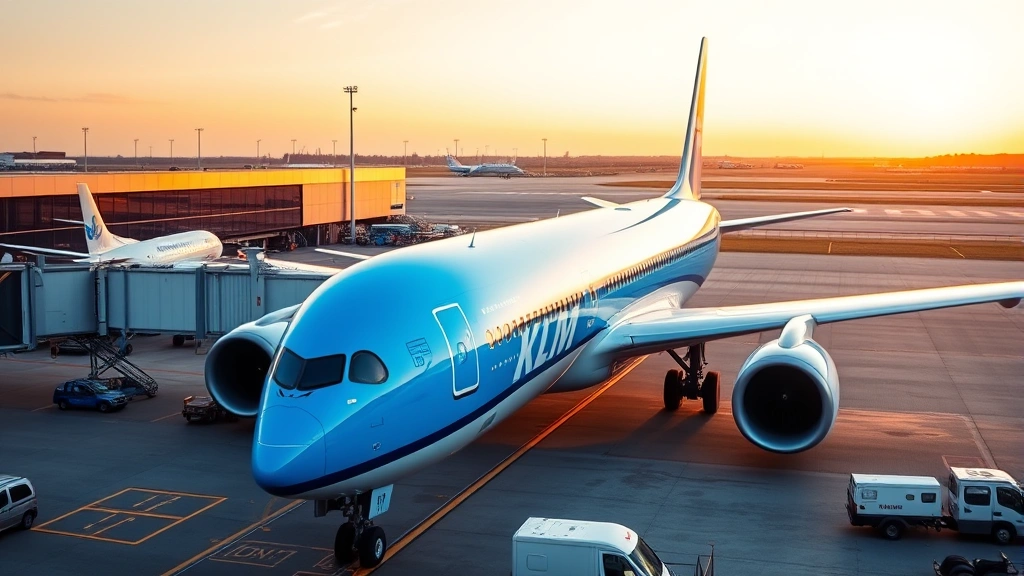
KLM Royal Dutch Airlines has faced significant operational challenges with its Boeing 787 Dreamliner fleet, leaving passengers scrambling for answers and alternative travel arrangements. As one of Europe’s most respected carriers, KLM’s cancellation issues have rippled across transatlantic routes and long-haul services, affecting thousands of travelers annually. Understanding the root causes, passenger rights, and how to navigate these disruptions is essential for anyone planning international travel with this major carrier.
The Boeing 787 represents the pinnacle of modern aviation technology, yet recent manufacturing defects and supply chain complications have created unexpected headwinds for KLM’s operations. These cancellations don’t happen in isolation—they reflect broader aviation industry challenges that impact how travelers should approach booking, insurance, and contingency planning. Whether you’re heading to Amsterdam, connecting through European hubs, or planning long-haul adventures, knowing what to expect with KLM’s 787 operations empowers you to travel smarter.

Why KLM Boeing 787 Cancellations Happen
KLM’s Boeing 787 cancellations stem from multiple interconnected factors that have disrupted the airline’s carefully balanced schedule. The primary culprit involves structural issues discovered during manufacturing quality inspections, forcing Boeing and airlines worldwide to conduct extensive checks on existing aircraft. These aren’t merely cosmetic concerns—they relate to fuselage integrity and safety-critical systems that require thorough investigation and remediation.
The supply chain crisis that followed the COVID-19 pandemic intensified these challenges significantly. Boeing struggled to source specialized components, particularly for the 787’s advanced composite materials and electrical systems. Delays in parts delivery cascaded through KLM’s maintenance schedule, creating a domino effect that forced the airline to ground aircraft for extended periods. When you’re operating a major international network with limited aircraft availability, even a few grounded planes create substantial scheduling conflicts.
Weather patterns and seasonal demand also exacerbate cancellation situations. During peak travel seasons—summer holidays and winter breaks—having fewer 787s operational means KLM cannot accommodate all scheduled passengers. The airline must make difficult decisions about which flights to maintain and which to consolidate onto smaller aircraft or partner carriers. This reality particularly affects long-haul routes where the 787’s fuel efficiency and range are most valuable.

Manufacturing Defects and Quality Issues
Boeing’s quality control challenges with the 787 Dreamliner have become increasingly public and concerning. Inspections revealed gaps in fuselage sections, improper installation of critical components, and documentation irregularities that suggested systematic manufacturing oversight problems. These discoveries prompted the FAA and international aviation authorities to mandate comprehensive inspections across the entire 787 fleet, affecting not just KLM but carriers worldwide.
The specific defects discovered included misaligned fuselage sections that could affect structural integrity and electrical system vulnerabilities that might impact in-flight operations. While Boeing maintained these issues posed no immediate flight safety risk, the precautionary approach meant extensive inspections and repairs were necessary. For KLM, this translated directly into aircraft availability problems that cascaded through their route network.
Particularly troubling were issues with the 787’s electrical power distribution systems and potential corrosion risks in certain structural areas. These weren’t problems that could be quickly patched—they required detailed inspections, component replacements, and extensive testing before aircraft could return to service. The complexity meant some KLM aircraft spent weeks in maintenance facilities rather than flying revenue-generating flights.
Quality assurance gaps at Boeing’s manufacturing facilities became apparent when inspectors found that some aircraft had been delivered with incomplete paperwork and unresolved pre-delivery inspection items. This meant KLM and other airlines discovered issues that should have been addressed before aircraft ever left the factory. The revelation damaged confidence in the 787 program and forced airlines to implement their own additional verification procedures.
Impact on Passenger Travel Plans
Cancellations directly affecting your travel plans create cascading problems beyond the immediate inconvenience. When KLM cancels a 787 flight, they typically attempt rebooking passengers on the next available KLM service, but that aircraft might also be affected by maintenance issues. This creates a bottleneck effect where passengers waiting for rebooking outnumber available seats for days or even weeks.
The impact varies depending on your routing. Passengers on Denver to Boston flights connecting through European hubs face different challenges than those on direct transatlantic routes. Connecting passengers often face the worst outcomes—if your first leg is cancelled, your entire journey collapses, potentially leaving you stranded at a hub airport with no clear path forward.
During peak seasons, KLM’s rebooking options become severely limited. The airline might offer seats on flights days later or suggest alternative carriers at premium prices. Some passengers have reported waiting five to seven days for rebooking on KLM flights, with minimal compensation beyond the mandatory EU261 regulations. This creates enormous stress for business travelers with tight schedules and families with time-sensitive vacation plans.
The financial impact extends beyond the ticket price. Cancelled flights force passengers to cover unexpected hotel stays, meal expenses, and ground transportation. If you’re connecting to another flight, cancellations can cause missed connections, requiring rebooking on expensive alternative carriers. Travel insurance becomes critically important in these scenarios, yet many basic policies don’t adequately cover airline-caused disruptions.
Your Rights as a Passenger
European Union Regulation 261/2004 provides substantial passenger protections when airlines cancel flights, though enforcement varies by circumstances. If KLM cancels your flight with less than 14 days’ notice, you’re entitled to compensation ranging from €250 to €600, depending on flight distance. This applies to flights departing from EU airports or arriving in EU countries on EU-registered carriers.
Beyond compensation, you have the right to care and assistance. KLM must provide meals, refreshments, accommodation if necessary, and communication facilities while you wait for alternative arrangements. For long delays, this includes hotel accommodation and transportation between the airport and hotel. The airline must also rebook you on the next available flight to your destination, either on KLM or a partner airline.
However, KLM can avoid compensation if they prove the cancellation resulted from “extraordinary circumstances” beyond their control. Manufacturing defects and supply chain issues don’t typically qualify as extraordinary circumstances—they’re operational challenges airlines should manage. This means KLM likely owes compensation for cancellations caused by 787 maintenance issues, though the airline sometimes disputes this interpretation.
To claim compensation, you’ll need documentation of the cancellation, your booking confirmation, and proof that you weren’t offered suitable alternative arrangements. Many passengers use flight compensation claim services that handle the process for a percentage of recovered compensation. The process can take months, but you have up to six years to file claims in most EU jurisdictions.
How to Protect Your Trip
When booking with KLM, especially on 787 routes, implement specific protective strategies. First, choose travel insurance that explicitly covers airline-caused cancellations and includes rebooking assistance. Standard travel insurance often excludes airline failures, so read policies carefully. Premium policies from specialized travel insurance providers offer better protection than basic packages.
Consider booking flights with built-in schedule buffers. If you have a tight connection, you’re vulnerable if your first flight is cancelled. Booking separate tickets on different airlines for each leg provides flexibility—if one airline cancels, you’re not automatically losing your connection. This strategy costs more but provides insurance against cascading failures.
Monitor KLM’s operational status before your travel date. Airlines typically ground specific aircraft for extended maintenance, and this information sometimes appears in operational news before public announcements. If you notice your specific aircraft has been grounded, contact KLM immediately to explore alternatives rather than waiting for a cancellation notice.
Use flight alert services that notify you of schedule changes. Apps like FlightRadar24 and airline-specific apps provide real-time updates. Enabling notifications means you’ll know about cancellations before receiving official communications, giving you more time to explore rebooking options. Some passengers have successfully negotiated better alternatives by proactively contacting KLM rather than waiting for cancellation notices.
Keep travel documents, booking confirmations, and insurance information easily accessible. In cancellation scenarios, you’ll need quick access to your reservation details, passenger rights information, and insurance contacts. Digital copies stored in cloud services ensure you can access them from anywhere, even if your devices fail.
Alternative Airlines and Routes
If KLM’s 787 reliability concerns you, exploring alternative carriers provides peace of mind. Lufthansa, Air France, and British Airways operate comparable long-haul services with different aircraft types. While these airlines also experience cancellations, diversifying your carrier choice reduces risk from fleet-specific issues.
For routes like Dallas to Chicago flights, you have numerous carrier options, each with different aircraft and operational philosophies. Researching specific aircraft types on your intended flights helps you avoid fleet-wide issues. Some airlines maintain more consistent on-time performance than others, though this varies by route and season.
Consider routing through different hub cities. Instead of flying KLM through Amsterdam, you might route through Frankfurt (Lufthansa), Paris (Air France), or London (British Airways). This provides backup options if your original flight is cancelled—you might find alternatives through the alternate hub more readily available.
Budget carriers operating long-haul routes—such as Norse Atlantic and PLAY—offer cheaper alternatives, though with fewer amenities and less flexibility. These carriers typically operate newer aircraft with fewer maintenance issues, though their customer service infrastructure is less developed. For budget-conscious travelers, these options might offset reduced flexibility.
Exploring best places to visit in Africa or other distant destinations might involve multiple carriers and routing options. Building flexibility into your itinerary—choosing slightly longer routes with more carrier options—reduces cancellation impact. This strategy particularly helps when visiting underrated travel destinations where direct flights are limited.
KLM’s Response and Recovery Plans
KLM has acknowledged the 787 challenges and implemented several response measures. The airline increased maintenance coordination with Boeing, establishing dedicated teams to address defects promptly. They’ve also adjusted scheduling to account for aircraft unavailability, accepting that some routes will operate with reduced frequency rather than attempting ambitious schedules that guarantee cancellations.
The airline is diversifying its long-haul fleet to reduce dependence on the 787. Newer Airbus A350 aircraft are gradually replacing aging Boeing 777s, and additional 787s are being delivered as manufacturing issues resolve. However, this transition takes years, meaning 787-related disruptions will likely persist through 2025 and potentially beyond.
KLM has also improved passenger communication about cancellations, providing earlier notices and clearer rebooking information. Their website and app now display aircraft type for each flight, allowing passengers to identify 787 flights and make informed booking decisions. This transparency helps passengers avoid 787 flights if they prefer to reduce cancellation risk.
The airline is investing in more robust maintenance infrastructure, particularly at their Amsterdam Schiphol hub. Dedicated 787 maintenance facilities allow faster turnarounds and reduce the impact when aircraft need repairs. This infrastructure investment should gradually improve reliability, though benefits will be gradual.
When planning road trips or complex multi-leg journeys, KLM’s improved communication helps you adjust itineraries proactively. The airline’s commitment to transparency means you’re less likely to face surprise cancellations without warning, though this doesn’t eliminate the risk entirely.
KLM is also enhancing partnerships with other carriers, making it easier to rebook passengers on partner airlines when cancellations occur. These partnerships expand rebooking options and reduce the likelihood that you’ll face multi-day waits for alternative flights. SkyTeam alliance members provide additional capacity when KLM flights are cancelled.
FAQ
Are KLM Boeing 787 flights currently being cancelled?
KLM continues to experience occasional 787-related cancellations, though the frequency has decreased as manufacturing issues are resolved. Cancellations are no longer systematic, but aircraft maintenance requirements still cause disruptions, particularly during peak seasons when aircraft availability is critical. Check KLM’s operational status before booking to assess current reliability.
What compensation am I entitled to if KLM cancels my 787 flight?
Under EU261/2004, you’re entitled to €250-€600 compensation depending on flight distance, plus reimbursement for care and assistance expenses. KLM must provide meals, accommodation, and rebooking on alternative flights. However, the airline might dispute compensation claims by arguing extraordinary circumstances, though manufacturing defects typically don’t qualify.
Should I avoid booking KLM flights entirely?
KLM remains a reliable carrier despite 787 challenges. The airline operates diverse aircraft types, and 787 cancellations represent a small percentage of overall operations. If you’re concerned about specific routes, check aircraft assignments and consider alternative carriers or routing. KLM’s overall reliability remains competitive with other major European carriers.
How do I know if my KLM flight uses a Boeing 787?
KLM’s website and booking apps display aircraft type for each flight. You can also contact KLM customer service with your booking reference to confirm aircraft assignment. Long-haul flights typically use either 787s or Airbus A350s, though some routes still use older 777s. Check aircraft type before finalizing bookings if you want to avoid 787s.
What should I do if my KLM 787 flight is cancelled?
Contact KLM immediately through their customer service line or airport counter. Request rebooking on the next available flight, whether KLM or partner airline. Document all expenses for meals, accommodation, and transportation—KLM must reimburse these. Save all communications and booking confirmations for potential compensation claims. Consider contacting a flight compensation service if KLM disputes your claim.
Are other airlines experiencing similar 787 issues?
Yes, multiple carriers including IATA members have experienced 787-related disruptions. However, the severity varies by airline and maintenance practices. Some carriers have implemented more aggressive inspection schedules, reducing cancellation frequency. Research specific airlines’ operational reliability for your intended route.
When will KLM’s 787 problems be fully resolved?
Boeing continues addressing manufacturing defects, and most issues should be resolved by mid-2025. However, operational challenges may persist beyond that date as airlines work through maintenance backlogs. KLM’s fleet diversification with A350 aircraft will further reduce 787 dependence. Expect gradual improvement rather than sudden resolution.
Can I get a refund instead of rebooking if my flight is cancelled?
Yes, you have the right to a full refund of your ticket price if you don’t accept KLM’s rebooking offer. However, refunds typically take 30+ days to process, and you’ll need to arrange alternative transportation immediately. For most passengers, accepting rebooking on alternative flights is more practical than waiting for refunds, though refunds are valuable if you’re cancelling your trip entirely.