North Korea Flights? Essential Travel Insights
Traveling to North Korea remains one of the world’s most restricted and challenging journeys. Unlike conventional tourism destinations, reaching the Democratic People’s Republic of Korea (DPRK) requires navigating complex geopolitical constraints, limited flight options, and stringent government regulations. This comprehensive guide explores the reality of flights to North Korea, the practical considerations you’ll face, and what you need to know before attempting this extraordinary adventure.
The prospect of flying to North Korea captivates adventurous travelers seeking to experience one of Earth’s most isolated nations. However, the journey demands careful planning, substantial financial investment, and understanding of the unique restrictions that govern access to this secretive country. Whether you’re driven by historical curiosity, academic interest, or pure wanderlust, this guide provides essential insights into making this challenging trip possible.
Direct Flight Options to North Korea
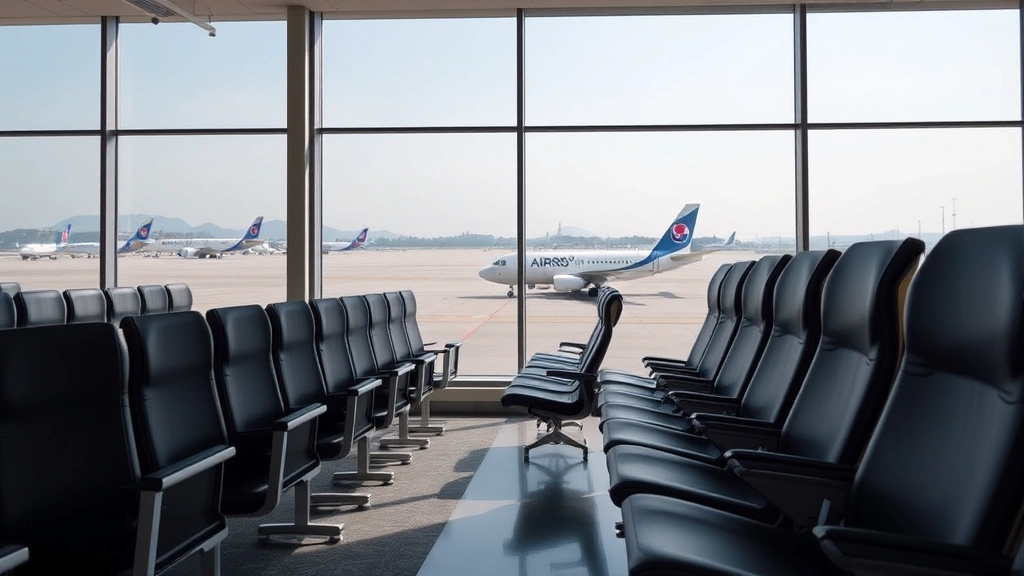
Direct flights to North Korea are extraordinarily limited, representing one of the world’s most restricted aviation routes. Currently, Air Koryo, the national airline of North Korea, operates virtually all scheduled flights to Pyongyang’s Sunan International Airport. This monopoly means travelers have minimal choice in carriers and must work through official channels to secure passage.
The primary international route operates between Beijing Capital International Airport and Pyongyang, typically departing twice weekly, though schedules fluctuate based on political circumstances and international relations. This Beijing-Pyongyang corridor serves as the lifeline for the limited number of foreign visitors permitted entry annually. The flight itself lasts approximately two hours, covering roughly 900 kilometers across relatively stable airspace.
Historically, flights from other Chinese cities like Dandong and Shenyang operated sporadically, but these routes have become increasingly unreliable. The geopolitical landscape significantly impacts flight availability—international tensions, sanctions, and diplomatic disputes can suspend services with minimal notice. Travelers must remain flexible and prepared for sudden cancellations or rerouting.
Airlines Operating to Pyongyang
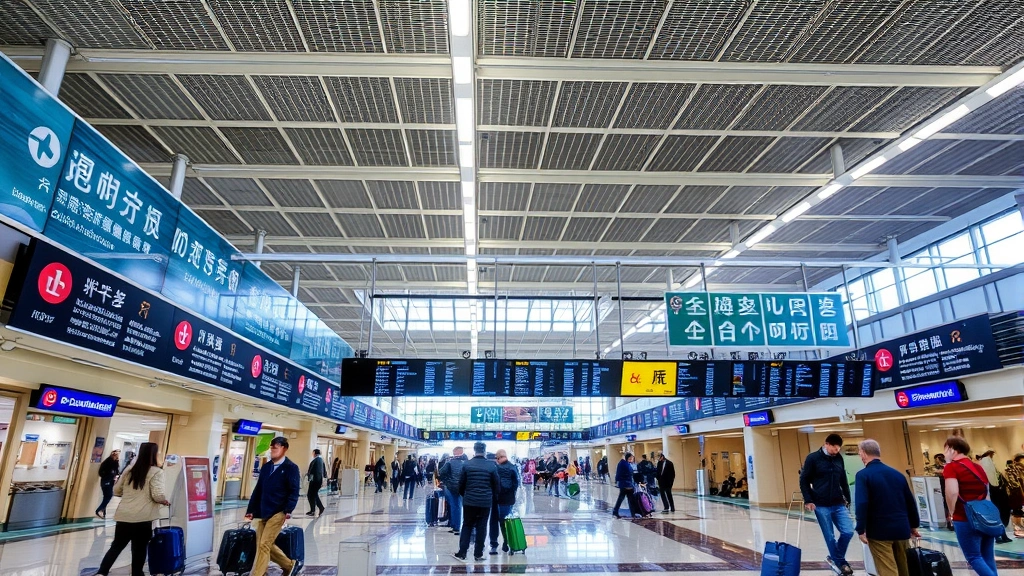
Air Koryo dominates the North Korean aviation market, operating the aging fleet that services international routes. The airline has faced international criticism regarding safety standards, aircraft maintenance, and operational transparency. Aircraft typically include Soviet-era Ilyushin IL-62M jets and Antonov AN-24 turboprops, some dating back decades. While these planes technically meet international aviation standards, their age and maintenance records raise legitimate safety concerns among aviation experts.
The airline’s limited international presence means booking directly proves nearly impossible for most foreign nationals. Instead, travelers must coordinate through licensed tour operators who maintain relationships with Air Koryo and possess the necessary authorization to arrange flights. These intermediaries handle all booking logistics, payment processing, and confirmation procedures.
International airlines like commercial carriers managing complex international routes operate under vastly different standards than Air Koryo. The contrast highlights the unique challenges of North Korean aviation. Delays, cancellations, and schedule changes occur frequently without substantial advance notice, requiring travelers to maintain extraordinary patience and flexibility.
During periods of heightened international tension, Air Koryo may suspend flights entirely. The 2017-2018 period witnessed complete service interruptions lasting months, stranding travelers and forcing tour operators to refund bookings or reschedule trips indefinitely.
Entry Requirements and Documentation
Obtaining entry to North Korea demands meticulous documentation and government approval that extends far beyond standard visa procedures. The process begins months before your intended travel date and involves multiple approval stages through both North Korean and your home country’s authorities.
First, you must secure a tourist visa issued by the North Korean government. This visa is never granted directly to individual applicants—instead, licensed tour operators submit applications on behalf of clients to the North Korean Ministry of Foreign Affairs. The approval process remains opaque, with officials rarely explaining acceptance or rejection rationales.
Required documentation typically includes:
- Valid passport with minimum six months validity
- Completed visa application forms
- Passport-sized photographs (usually 4×6 cm)
- Employment verification letters
- Bank statements demonstrating financial capacity
- Travel insurance documentation
- Criminal background clearance
- Medical examination results (for extended stays)
Processing times vary dramatically but generally require 4-12 weeks. During periods of diplomatic tension, approvals may take months or be denied entirely without explanation. Tour operators cannot guarantee visa approval regardless of documentation quality, creating significant financial risk for travelers.
Visa Restrictions by Nationality
Nationality significantly impacts your ability to obtain North Korean visas. Citizens of certain countries face outright prohibition, while others encounter merely difficult (rather than impossible) approval processes.
United States citizens face the most severe restrictions. In September 2017, the U.S. State Department issued a travel ban prohibiting American citizens from traveling to North Korea. This ban remains in effect, with violators facing substantial fines and potential legal consequences. American passport holders cannot legally visit North Korea without explicit presidential authorization—an extraordinarily rare exception.
Citizens of South Korea cannot obtain North Korean visas due to the ongoing division and technical state of war between the nations. This restriction applies regardless of individual circumstances or diplomatic status.
Other nationalities encounter variable restrictions:
- European Union citizens: Generally eligible but face rigorous vetting; some countries’ citizens receive preferential treatment
- Canadian citizens: Permitted but subject to comprehensive background checks
- Australian citizens: Eligible with approval from their government
- Japanese citizens: Face particular scrutiny due to historical tensions
- Israeli citizens: Typically denied due to geopolitical considerations
These restrictions evolve with diplomatic circumstances. Before investing time and money into planning your trip, verify current restrictions through official government sources and your tour operator.
Tour Operators and Mandatory Guides
Independent travel to North Korea is impossible. The government mandates that all foreign visitors book through licensed tour operators and travel exclusively with official state guides. This requirement ensures constant government oversight and control over foreign presence within the country.
Reputable tour operators specializing in North Korean travel include organizations based in China, Europe, and other regions. These operators maintain official relationships with North Korean authorities and possess the necessary licenses to arrange visits. They handle flight bookings, accommodation, guided tours, meals, and all logistical arrangements.
The guide requirement means you’ll have constant government supervision throughout your stay. Guides are fluent in English and other languages, providing commentary on approved sites and enforcing restrictions on photography, movement, and interaction with locals. While this oversight feels constraining, it’s a non-negotiable aspect of visiting North Korea.
Tour packages typically range from 5-14 days and include:
- Round-trip flights from Beijing
- All accommodation in state-approved hotels
- Meals at designated restaurants
- Guided tours of permitted sites
- Transportation throughout the country
- Government guide services
Costs vary substantially based on group size, duration, and itinerary. Small group tours cost more per person than larger organized groups. Customized itineraries command premium pricing. All payments flow through tour operators; you never directly pay North Korean authorities.
Costs and Financial Considerations
Traveling to North Korea represents a substantial financial investment, with total costs typically ranging from $3,000 to $10,000+ per person for a week-long trip. Understanding the cost breakdown helps you budget appropriately and identify where expenses concentrate.
Flight costs constitute the largest single expense. Round-trip flights from Beijing to Pyongyang typically cost $400-800 per person, though prices fluctuate based on demand, fuel costs, and political circumstances. These flights must be booked through tour operators rather than standard airline booking systems, limiting price comparison opportunities.
Tour package fees vary dramatically based on operator, group size, and itinerary scope. Budget tours start around $2,000-3,000 for 5-day packages, while premium experiences exceed $8,000-10,000 for extended journeys with specialized access. Smaller group sizes command premium pricing due to increased guide and transportation costs per person.
Visa fees range from $50-150, depending on your nationality and processing urgency. Some tour operators include visa fees in package pricing, while others charge separately.
Travel insurance is mandatory and typically costs $150-400 for week-long trips. Standard travel insurance policies often exclude North Korea, requiring specialized coverage from providers experienced with high-risk destinations.
Additional expenses include:
- Passport photos and documentation ($20-50)
- Vaccinations and medical clearances ($100-300)
- Souvenirs and gifts ($100-500)
- Gratuities for guides ($50-150)
- Transportation to/from Beijing ($200-400)
Payment terms typically require substantial deposits (30-50%) when booking, with final payment due 4-8 weeks before departure. Cancellation policies vary significantly—some operators offer full refunds if visas are denied, while others retain deposits regardless of outcomes.
Safety and Travel Warnings
Safety concerns regarding North Korea travel extend beyond typical tourism risks. Multiple governments issue formal travel warnings advising citizens against visiting the country, citing potential for arbitrary detention, limited medical facilities, and unpredictable political circumstances.
The U.S. State Department maintains a Level 4 “Do Not Travel” advisory for North Korea, the highest warning level. Australian authorities similarly advise against all travel to the country. UK Foreign Office guidance warns of serious risks including arbitrary arrest and detention of foreign nationals.
Detention risks represent the primary safety concern. Foreign visitors, particularly those from Western nations, have been detained for alleged violations of regulations—sometimes for minor infractions like unauthorized photography or conversations with locals. These detentions can last weeks or months, with limited consular access or legal representation.
Medical facilities in North Korea remain extremely limited. Serious medical emergencies cannot be adequately treated within the country. Travel insurance must include medical evacuation provisions, as the only viable treatment option for major health crises involves emergency transport to China or another neighboring country.
Communication restrictions mean limited access to phone, internet, and external communication. You’ll be unable to freely contact family or friends during your stay. Tour operators typically provide limited phone access through guides, but privacy and reliability cannot be guaranteed.
Political circumstances can change rapidly, affecting your safety and ability to complete your trip. International incidents, sanctions escalation, or diplomatic disputes can trigger sudden travel restrictions or emergency evacuations.
Despite these serious concerns, thousands of tourists visit North Korea annually without incident. The vast majority complete their trips safely by following guide instructions, respecting regulations, and maintaining low profiles.
Alternative Routes and Connections
While Beijing represents the primary gateway, alternative routes exist for reaching North Korea, though they’re generally less reliable and more complicated.
Dandong, China sits directly across the Yalu River from North Korea and historically served as an alternative entry point. Train service occasionally operates between Dandong and Pyongyang, though schedules are inconsistent and this route requires special permissions. The journey takes approximately 24 hours, traveling through remote rural areas.
This route appeals to travelers seeking alternative experiences or those unable to access Beijing conveniently. However, train services suspend frequently, and booking requires advance coordination with specialized tour operators experienced with overland routes.
Shenyang, China occasionally offers flights to Pyongyang, though these routes operate sporadically and aren’t regularly scheduled. Availability depends entirely on current political circumstances and Air Koryo’s operational decisions.
When planning your journey to challenging destinations, flexibility regarding routes and timing proves essential. Political developments can open or close routes unexpectedly, requiring travelers to adapt their plans accordingly.
Connecting through Beijing remains the most reliable approach. Most international flights from travel planning resources to Asia pass through Beijing anyway, making this routing convenient for most travelers. The city offers excellent accommodation, dining, and tourist facilities while you arrange your onward journey to Pyongyang.
FAQ
Can American citizens legally travel to North Korea?
No. The U.S. State Department ban prohibits American passport holders from traveling to North Korea without explicit presidential authorization. Violating this ban results in substantial fines ($250,000+) and potential criminal prosecution. This restriction applies regardless of tour operator arrangements or visa availability.
How far in advance must I book flights to North Korea?
Plan to book 3-6 months in advance. Visa processing alone requires 4-12 weeks, and tour operators need substantial lead time to coordinate with North Korean authorities. Last-minute bookings are virtually impossible due to the complex approval processes involved.
What happens if my visa is denied?
Visa denials occur without explanation. Tour operators cannot appeal rejections or provide rationales for denials. Cancellation policies vary—some operators refund deposits if visas are denied, while others retain fees regardless. Always clarify cancellation terms before booking.
Is Air Koryo safe to fly with?
Air Koryo operates aging aircraft maintained to international minimum standards. While technically safe, the airline’s age, maintenance records, and operational practices raise legitimate concerns. Many aviation experts consider Air Koryo riskier than major international carriers, though catastrophic failures remain statistically uncommon.
Can I travel independently without guides?
No. North Korean law mandates that all foreign visitors travel with official state guides. Independent travel is prohibited, and attempting to violate this requirement results in immediate detention and deportation. The guide requirement is non-negotiable and enforced strictly.
What can I photograph in North Korea?
Photography rules are complex and strictly enforced. Generally, you cannot photograph military installations, government buildings, poverty, or unflattering scenes of daily life. Guides provide specific photography guidance for each location. Violating these rules can result in film confiscation, equipment seizure, or detention.
How much should I budget for a North Korea trip?
Budget $3,000-10,000+ per person for a week-long trip, including flights, accommodation, meals, guides, and travel insurance. Small group tours cost more per person than larger organized groups. Budget additional funds for souvenirs, gratuities, and contingencies.
What should I pack for North Korea?
Pack conservative, respectful clothing suitable for guided tourism. Avoid clothing with political messages, religious symbols, or imagery that might offend authorities. Bring medications (North Korean pharmacies are extremely limited), toiletries, and entertainment, as Western products aren’t available. Ensure your electronics have appropriate power adapters and that you download offline maps and information before arrival.
Can I extend my visa while in North Korea?
Visa extensions are rarely granted and require special circumstances. Your tour operator must request extensions through official channels, which often takes weeks and isn’t guaranteed. Plan your initial itinerary assuming no extension possibility.