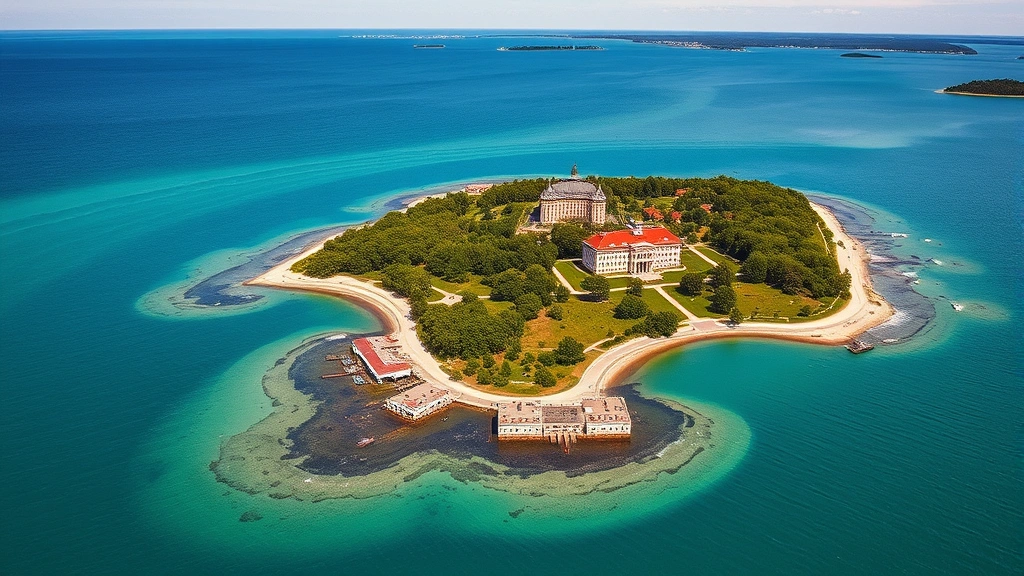
Mackinac Island, Michigan’s crown jewel of Victorian charm and natural beauty, sits majestically in the Straits of Mackinac between Lakes Michigan and Huron. This car-free island paradise attracts over a million visitors annually, yet many travelers remain uncertain about the best ways to reach this enchanting destination. Whether you’re planning a romantic getaway, family adventure, or historical exploration, understanding your transportation options is crucial for a seamless journey.
Getting to Mackinac Island requires strategic planning since no bridges connect it to the mainland. The island’s isolation is precisely what makes it special—a step back in time where horse-drawn carriages replace automobiles and Victorian architecture dominates the landscape. From the moment you commit to visiting, you’ll discover that reaching this island gem is an adventure in itself, offering multiple routes that cater to different travel styles, budgets, and preferences.
Flying to Mackinac Island: Air Travel Options
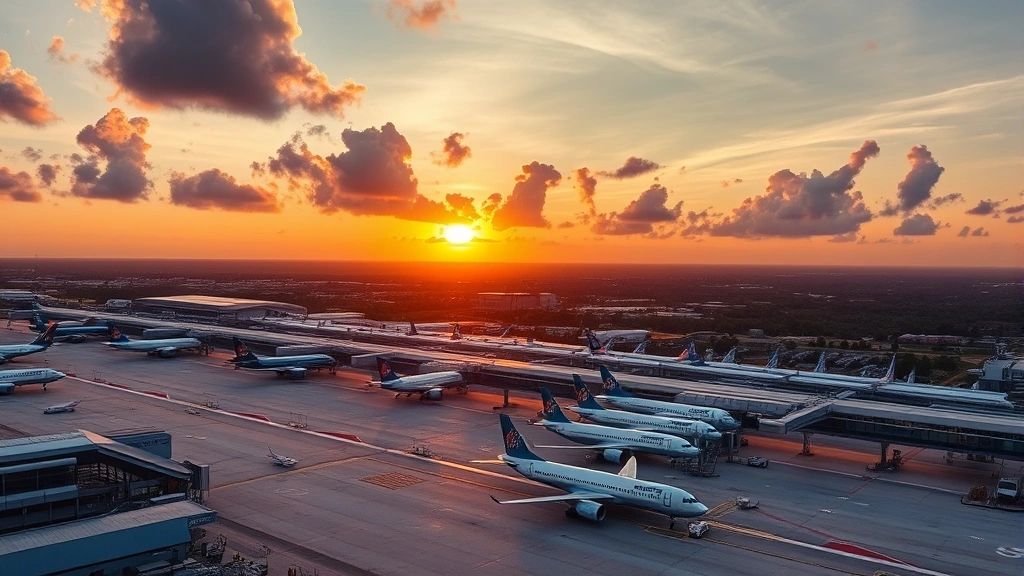
For travelers seeking the fastest route to Mackinac Island, flights to Mackinac Island represent an exciting option, though with important caveats. The island itself lacks a commercial airport, but several regional airports serve the greater Mackinac region. Mackinac Island Airport (MCD) accommodates small aircraft and seaplanes, making it accessible only for private charters and specialized aviation services rather than commercial carriers.
Most travelers arriving by air fly into one of these primary hubs: Cherry Capital Airport in Traverse City (approximately 90 minutes from Mackinac Island), Pellston Regional Airport (closest option at roughly 45 minutes away), or Detroit Metropolitan Airport (the major hub, about 4 hours away). From these airports, you’ll need ground transportation to reach ferry terminals.
Seaplane services offer a unique alternative for adventurous travelers. Companies like Mackinac Island tourism services occasionally coordinate with charter seaplane operators for direct island arrivals. While significantly more expensive than traditional routes—often $300-800 per person—seaplane travel delivers unmatched convenience and spectacular aerial views of the straits and island landscape.
Private aviation through services like JSX or Blade provides another premium option for those prioritizing time and comfort. These services typically operate from regional airports and can arrange direct or near-direct routing to the Mackinac area, though availability varies seasonally.
Ferry Services: The Classic Route
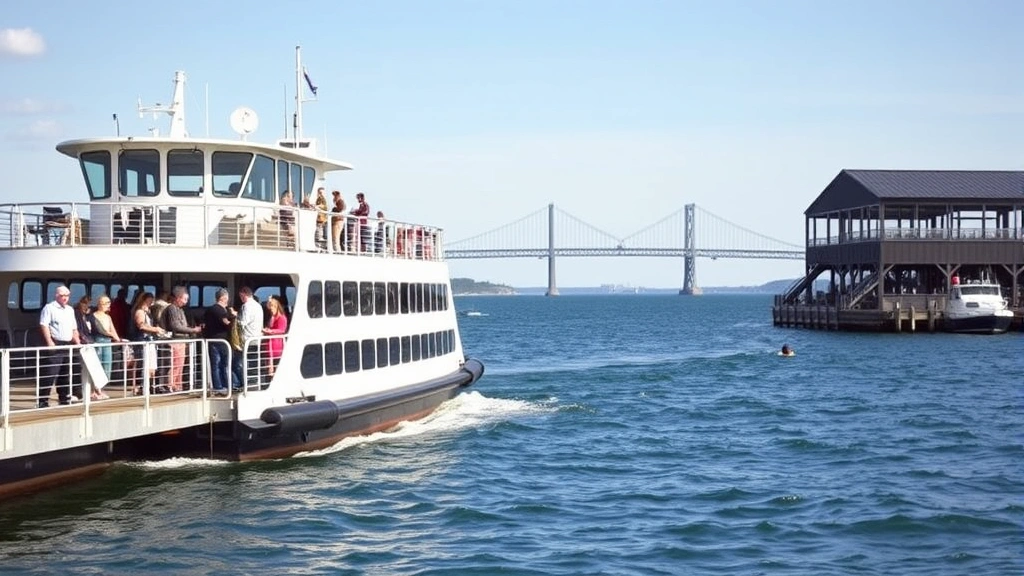
Ferry transportation remains the most popular and practical method for reaching Mackinac Island. Two primary ferry companies dominate this route: Shepler’s Mackinac Island Ferry and Star Line Mackinac Island Ferry. Both operate from Mackinaw City (at the Straits’ southern end) and St. Ignace (at the northern end), offering multiple daily departures throughout the year.
The Mackinaw City ferry terminal sits approximately 50 minutes north of Petoskey and about 3.5 hours from the Traverse City area. St. Ignace, accessed via the Mackinac Bridge, serves travelers coming from the Upper Peninsula or northeastern Michigan. Journey times average 15-17 minutes regardless of departure point, making ferries remarkably efficient.
Ferry pricing typically ranges from $15-18 per adult for standard round-trip fares, with significant discounts for children, seniors, and advance bookings. Peak summer season (June-August) sees higher prices and more crowded departures, while spring and fall offer more reasonable rates and shorter wait times. Winter service continues but operates on limited schedules, with occasional weather-related cancellations.
Modern ferry vessels feature climate-controlled cabins, snack bars, and outdoor observation decks. The journey itself becomes part of the Mackinac experience, offering spectacular views of the Mackinac Bridge, freighter traffic, and the island’s approaching shoreline. Peak season ferries depart every 30-45 minutes during daytime hours, while off-season service reduces to hourly departures.
For comparison, understanding similar regional transportation options can help contextualize ferry travel within broader travel planning. Like evaluating flights from Boston to Orlando, choosing ferry service involves balancing cost, convenience, and experience quality.
Driving and Parking Strategies
Most Mackinac Island visitors arrive by personal vehicle, requiring strategic parking planning. Both ferry terminals offer extensive parking facilities, though securing spots during peak summer weekends can prove challenging. Mackinaw City parking typically costs $10-15 daily, with many lots offering discounted rates for multi-day parking. Reserved parking spots command premium prices ($20-25 daily) but guarantee availability.
St. Ignace provides similar parking infrastructure with comparable pricing. Both locations offer secure, well-maintained facilities with shuttle services connecting distant lots to ferry terminals. Many visitors arrive early (7-8 AM) to secure convenient parking spots before peak arrival times.
Alternative parking strategies include staying at hotels offering complimentary parking with ferry packages, or utilizing off-site parking services that provide shuttle service to ferry terminals at competitive rates. Some visitors strategically park at nearby attractions like Mackinaw City’s waterfront or downtown areas, combining sightseeing with ferry preparation.
For those planning extended island visits, consider whether renting a vehicle makes sense. Since automobiles cannot reach Mackinac Island, you’ll only need transportation to reach ferry terminals. This reality makes vehicle rentals at major airports unnecessary for many travelers; instead, ride-sharing services or public transportation from airport hubs often proves more economical.
Seasonal Considerations and Best Times to Visit
Transportation logistics vary dramatically across seasons, significantly impacting your journey planning. Summer (June-August) offers the most frequent ferry schedules, diverse accommodation options, and complete access to attractions. However, expect substantial crowds, higher prices, and potential parking challenges. Ferries operate at maximum capacity during weekends.
Like exploring best winter travel destinations, understanding seasonal patterns helps optimize your experience. Fall (September-October) provides ideal conditions: smaller crowds, pleasant weather, vibrant foliage, and reliable ferry service. Spring (April-May) similarly offers excellent value with emerging natural beauty and moderate visitor numbers.
Winter (November-March) transforms island transportation. Ferry service continues but operates on reduced schedules with weather-dependent cancellations. Icy conditions occasionally close ferry operations entirely, particularly during severe storms. Winter visitors should build flexibility into plans and monitor weather forecasts closely. However, winter offers unmatched solitude, special events like ice sculpture festivals, and dramatic seasonal landscapes.
The island’s peak season runs Memorial Day through Labor Day, when ferry queues can extend 30+ minutes during peak hours (10 AM-4 PM). Visiting mid-week rather than weekends reduces wait times substantially. Off-season travel (November-April) minimizes transportation hassles, though limited amenities may inconvenience some visitors.
Budget-Friendly Transportation Tips
Maximizing value while reaching Mackinac Island requires strategic planning. Book ferry tickets online in advance—most companies offer 10-15% discounts for pre-purchased tickets compared to walk-up rates. Multi-day packages bundling accommodations with ferry passes often provide the best overall value.
Consider visiting during shoulder seasons (late May-early June or September-October) when ferry prices remain reasonable but crowds diminish. Weekday travel consistently costs less than weekends, with Tuesday-Thursday typically offering optimal pricing. Some ferry companies offer special promotional rates during specific periods; signing up for email alerts captures these deals.
Ride-sharing services from major airports often cost less than rental vehicles plus parking. Comparing Atlanta to Miami flights demonstrates how comprehensive comparison shopping across transportation modes yields savings. Similarly, evaluating ferry costs against alternative access methods ensures optimal budget allocation.
Family packages through ferry operators provide significant savings for groups. Children under 5 often travel free, while youth discounts apply to ages 5-12. Seniors receive consistent 10-15% reductions. Multi-day passes offer better per-trip rates than single-journey tickets, particularly valuable for visitors planning extended stays.
Package deals combining hotel accommodations, ferry passage, and attraction tickets frequently beat à la carte purchasing. The Mackinac Island Chamber of Commerce website aggregates many such packages, simplifying comparison shopping.
Getting Around Once You Arrive
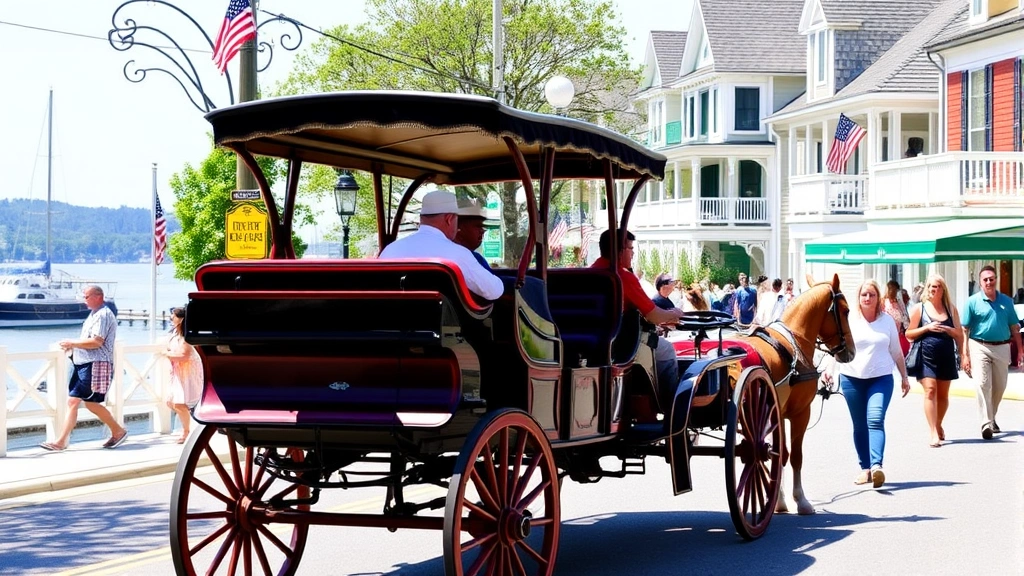
Upon reaching Mackinac Island, you’ll immediately appreciate its car-free status. Horse-drawn carriage tours dominate transportation, offering charming journeys past Victorian mansions, historic sites, and scenic overlooks. Carriage rates typically range $15-25 per person for standard tours, with specialty options like sunset rides commanding premium prices.
Walking remains the most practical option for exploring downtown areas, harbors, and primary attractions. The island’s compact size—roughly 3.8 square miles—makes pedestrian exploration feasible. Comfortable walking shoes prove essential, as uneven terrain and hills characterize island pathways.
Bicycle rentals provide excellent middle-ground transportation, offering independence and exercise while covering greater distances than walking. Rental shops throughout downtown offer hourly and daily rates ($5-15 hourly, $25-40 daily). Cycling routes range from leisurely harbor paths to challenging hill climbs, accommodating various fitness levels.
The Mackinac Island Carriage Tour Company and similar operators offer comprehensive island tours covering historical sites, natural attractions, and cultural landmarks. These guided experiences provide context and efficiency, particularly valuable for first-time visitors with limited time.
Motorized vehicles remain completely prohibited on the island, maintaining its unique character and peaceful atmosphere. This restriction, enforced since the late 1890s, represents one of America’s most successful sustainable tourism policies. Emergency vehicles and utility equipment represent the only exceptions, creating an authentically car-free experience increasingly rare in modern America.
Accessibility considerations matter for mobility-challenged visitors. While the island’s hilly terrain and historic architecture present challenges, carriage services accommodate wheelchairs and mobility devices. Contact the visitor center in advance to arrange appropriate accommodations and identify accessible routes and facilities.
FAQ
Can you fly directly to Mackinac Island?
Commercial flights do not serve Mackinac Island directly. Regional airports like Pellston (45 minutes away) and Traverse City (90 minutes away) receive commercial service, from which ferry or ground transportation connects to the island. Private seaplane charters offer direct island access but at premium pricing.
What is the cheapest way to reach Mackinac Island?
Ferry travel from Mackinaw City or St. Ignace represents the most economical option, with round-trip fares around $30-36 per adult. Combining ferry with budget accommodations and visiting during off-season periods further reduces costs. Advance ticket purchases typically save 10-15% compared to walk-up rates.
How long does the ferry ride take?
Ferry journeys between mainland terminals and Mackinac Island average 15-17 minutes. This remarkably brief crossing makes day trips feasible for travelers with limited vacation time. Wait times at terminals, however, can extend significantly during peak summer season.
Are ferries reliable during winter?
Winter ferry service continues but operates on reduced schedules with weather-dependent cancellations. Severe storms occasionally close operations entirely. Winter visitors should maintain flexible plans and monitor weather forecasts, though service disruptions remain relatively rare.
Do I need reservations for ferry travel?
Reservations are not required but highly recommended during peak summer season (June-August). Walk-ups are accommodated on available capacity, but waits can extend 1-2 hours on busy days. Off-season travel rarely requires reservations.
Can I bring a vehicle to Mackinac Island?
No vehicles are permitted on Mackinac Island. This includes personal automobiles, rental cars, and motorcycles. The island’s car-free policy, maintained since the 1890s, preserves its unique character and peaceful atmosphere. Ferry service operates for passengers and bicycles only.
What should I pack for ferry travel?
Bring layers, as water crossings create wind and temperature variations. Sunscreen and sunglasses protect against water reflection. Motion sickness medication helps those prone to seasickness, though calm waters typically minimize discomfort. A light jacket provides comfort during breezy passages.
Are there parking facilities at ferry terminals?
Both Mackinaw City and St. Ignace ferry terminals offer extensive parking. Daily rates range $10-25 depending on lot proximity to terminals. Reserved spots command premium pricing. Multi-day parking discounts apply for extended visits.