
Cheap Flights to Iran? Insider Booking Tips for Budget Travelers
Finding affordable flights to Iran requires strategy, timing, and insider knowledge that most travel websites won’t reveal. Iran remains one of the world’s most underrated destinations, offering ancient Silk Road cities, stunning mountain landscapes, and hospitality that defies Western stereotypes. However, booking flights to this Persian gem demands a different approach than typical European or Asian destinations. Whether you’re planning to explore the turquoise domes of Isfahan, trek through the Alborz Mountains, or navigate the bustling bazaars of Tehran, securing budget-friendly airfare is your first crucial step toward an unforgettable adventure.
The challenge with finding cheap flights to Iran lies in limited airline competition, seasonal demand fluctuations, and unique geopolitical factors affecting aviation routes. Unlike mainstream destinations saturated with budget carriers, Iran’s aviation market operates differently. Direct flights from North America and Europe are limited, meaning most travelers must navigate connecting flights through regional hubs. Understanding these dynamics—combined with knowing exactly when and where to search—can slash your ticket prices by 40-60 percent. This comprehensive guide reveals professional booking strategies, optimal travel windows, and lesser-known routes that savvy travelers use to reach Iran without breaking the bank.
Understanding Iran’s Aviation Landscape
Iran’s aviation industry operates under unique circumstances that directly impact flight pricing and availability. International sanctions and limited international airline partnerships mean fewer carriers serve Iranian routes compared to neighboring Middle Eastern countries. The primary international airlines operating to Iran include Iran Air, Turkish Airlines, Qatar Airways, Emirates, and Lufthansa, with regional carriers like Mahan Air also offering competitive routes. Understanding which airlines operate specific routes helps you identify the best connecting options and price points.
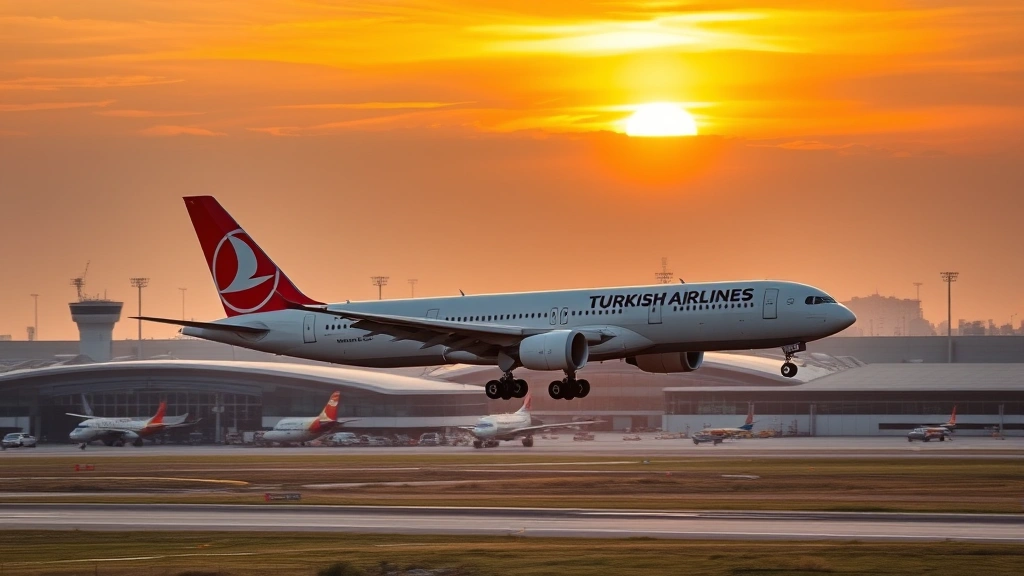
The Iranian aviation market differs fundamentally from Western markets. Rather than fierce competition driving prices down, limited carrier options mean you must be strategic about which airlines you monitor. Iran Air, the national carrier, often provides competitive pricing on domestic connections and international routes, though it historically faced international restrictions that are gradually easing. Turkish Airlines dominates European-to-Iran routes, while Middle Eastern carriers like Qatar Airways and Emirates offer excellent connections through their major hubs. This limited competition actually creates opportunities for savvy travelers who understand these airline dynamics and know how to leverage them.
Seasonality profoundly affects flights to Iran pricing. Spring (March-May) and autumn (September-November) represent peak seasons when Iranians travel domestically and international tourism increases. Winter months (December-February) see moderate pricing, while summer (June-August) offers the cheapest fares due to extreme heat in most Iranian cities. Understanding these seasonal patterns allows you to plan trips during both budget-friendly and pleasant weather windows—a rare combination that requires flexibility and advance planning.
Best Times to Book Cheap Flights to Iran
Timing your booking matters enormously when searching for budget flights to Iran. Unlike European or American domestic routes where booking 6-8 weeks in advance typically yields savings, Iranian routes require different timing strategies. Most travel experts recommend booking 8-12 weeks in advance for optimal pricing on international routes to Iran. This extended window accommodates slower booking patterns and allows airlines to adjust pricing based on demand forecasts.
The absolute cheapest fares typically appear during counter-seasonal periods: late June through August when summer heat keeps casual tourists away, and January-February during the coldest winter months. Spring break season (mid-March through early April) sees price increases as both Western tourists and Iranian diaspora book trips home. If you’re flexible with travel dates, shifting your departure by even one week can save $200-400 on round-trip fares. Tuesday and Wednesday departures consistently offer better prices than weekend flights, and red-eye departures from European hubs frequently undercut daytime options by 15-25 percent.
Day-of-week booking patterns also influence pricing. Conventional wisdom suggests booking on Tuesday mornings, but for Iran specifically, booking early morning hours (2-6 AM) on any weekday often yields better results than afternoon searches. This timing captures prices before daily automated adjustments and reflects reduced search competition. Setting up price alerts on multiple platforms simultaneously ensures you catch flash sales and temporary price drops. Most airlines adjust Iranian route pricing less frequently than mainstream routes, so these alerts become even more valuable for capturing rare favorable pricing moments.
Avoid booking during Iranian holidays and religious observances, particularly Nowruz (Persian New Year, March 20-26), Ashura (religious holiday varying annually), and Eid al-Fitr. These periods see domestic travel surges that inflate international pricing. Conversely, the week immediately after these holidays often features clearance pricing as airlines reduce seats allocated to connecting passengers. Flexibility around these dates—even by a few days—can mean the difference between budget-friendly and premium pricing.
Strategic Booking Methods That Actually Work
Successful flights to Iran booking requires utilizing multiple search platforms simultaneously rather than relying on single aggregators. While Google Flights, Kayak, and Skyscanner provide broad overviews, they don’t always capture regional pricing available through European or Middle Eastern booking sites. Kiwi.com excels at finding creative routings with longer layovers that dramatically reduce costs. Momondo specifically indexes airlines and pricing that competitors miss. Skyscanner allows filtering by layover duration, helping identify those budget-friendly longer connections.
Direct booking on airline websites often reveals exclusive fares unavailable through aggregators. Iran Air frequently discounts heavily on their website, while Turkish Airlines offers competitive pricing when booking directly rather than through third parties. Middle Eastern carriers like Qatar Airways and Emirates sometimes feature promotional fares on their sites before appearing on comparison platforms. Setting up email alerts directly from airline sites ensures you’re notified of flash sales within hours rather than days.
The hidden city ticketing technique—booking a connecting flight to a destination beyond your actual target—can work for Iran routes but requires careful consideration. While technically not illegal, airlines discourage this practice. However, some travelers booking from Europe to a Middle Eastern hub beyond Iran occasionally find cheaper tickets than direct Iran routing. This requires careful research and understanding that missed connections may void return flights. The savings rarely justify the operational risks, but it’s worth investigating when comparing options.
Consider booking separate tickets for different flight segments rather than round-trip packages. While counterintuitive, booking your transatlantic or European flight separately from your connection to Iran sometimes costs 20-30 percent less than bundled tickets. This strategy works particularly well when combining budget European carriers (Ryanair, EasyJet, Wizz Air) for the first leg with Middle Eastern carriers for the Iran connection. The downside involves managing luggage and assuming responsibility if the first flight delays the connection, but significant savings often compensate for added complexity.
Airport Hubs and Routing Strategies
Your choice of routing dramatically impacts both price and convenience when flying to Iran. Istanbul’s Atatürk Airport serves as the primary European gateway, with Turkish Airlines offering competitive connections to Tehran, Shiraz, Isfahan, and Mashhad. Layovers here typically run 2-4 hours, making connections manageable while allowing price optimization. Doha’s Hamad International Airport provides excellent connections via Qatar Airways with modern facilities and often competitive pricing. Dubai International offers Emirates connections with sometimes cheaper fares but longer typical layovers (3-6 hours).
Less obvious hubs can yield significant savings. Antalya, Turkey offers cheaper connections than Istanbul for certain European origins, with smaller airports reducing overall journey costs. Kish Island Airport near the Persian Gulf provides alternative entry points with sometimes cheaper fares than Tehran. If your Iran itinerary includes beach time or island exploration, flying into Kish can combine savings with destination optimization. Shiraz International Airport offers direct connections from fewer cities but eliminates Tehran layovers, potentially saving time and money if your actual destination is central or southern Iran.
The routing sweet spot for most North American travelers involves flying into a major European hub (London, Paris, Frankfurt, Amsterdam) on a budget carrier, then connecting through Istanbul or Doha. This approach leverages cheap transatlantic competition while accessing efficient Middle Eastern connections. European travelers should consider less popular departure cities—flying from secondary cities like Valencia, Prague, or Budapest sometimes costs 15-25 percent less than major capitals, with manageable connections to Istanbul or other hubs.
Positioning flights—flying to a hub city the day before your main journey—sometimes cost less than direct connections. While adding a night and hotel costs, the combined expense occasionally undercuts direct routing. This strategy particularly helps when connecting from North America, where overnight positioning flights in European cities allow morning connections to Iran with better pricing and less fatigue.
Hidden Booking Tactics for Maximum Savings
Currency arbitrage represents one of travel’s best-kept secrets for finding cheap flights to Iran. Airlines price tickets differently in various currencies based on local market conditions. Booking through Iranian travel websites using the Iranian Rial sometimes reveals dramatically lower prices than Western currency bookings, though payment complications require workarounds. Using VPN services to access regional pricing (ethically and legally) can expose cheaper fares. Some travelers use international friends’ accounts in different countries to investigate pricing variations, though this requires trust and careful payment method coordination.
Airline loyalty programs offer underutilized savings paths. Accumulating miles through credit card spending, then redeeming for Iranian routes (which often have lower award pricing than premium destinations), can effectively provide free flights. Turkish Airlines Miles & Smiles program particularly values Iran routes, sometimes requiring 30-40 percent fewer miles than comparable European flights. Qatar Airways Privilege Club similarly underprices Iranian routes relative to demand, rewarding patient mile accumulators with exceptional value.
The airline website error-fare hunting technique involves monitoring specialized websites like Secret Flying and Scott’s Cheap Flights for misprice glitches on Iran routes. While Iran-specific errors occur less frequently than mainstream routes, they do happen—occasionally offering 50-70 percent discounts. Subscribing to these error-tracking services costs $40-50 annually but regularly returns value for frequent travelers. Setting Google Alerts for “Iran flight deals” and “cheap flights Tehran” also captures flash sales and promotional windows.
Travel hacking through credit card bonuses accelerates savings. Premium travel credit cards offering 50,000-100,000 sign-up points can effectively provide free or heavily discounted Iran flights when strategically applied. This requires planning several months in advance but represents one of the most powerful savings tools for budget travelers. Combining multiple cards’ sign-up bonuses with strategic spending can fund entire trips to Iran with points rather than cash.
Booking round-trip tickets separately from one-way returns sometimes costs less than traditional round-trip packages. Airlines price these differently based on demand forecasting, and occasionally booking your return separately—even months later—reveals cheaper combined pricing than bundled tickets. This requires tracking prices and rebooking if better deals emerge, adding complexity but potentially saving hundreds.

Visa and Documentation Considerations
While not directly affecting flight costs, visa requirements and processing times impact overall trip budgeting and booking flexibility. Most Western nationals require visas for Iran, with processing times ranging from 2-6 weeks depending on your nationality and application method. Understanding visa timelines before booking flights prevents expensive rebooking fees if documentation isn’t ready. Some travelers book flights only after visa approval, accepting slightly higher fares for certainty. Others book refundable tickets initially, converting to non-refundable cheaper options after visa confirmation.
Visa on arrival (VOA) availability for certain nationalities offers booking flexibility, allowing you to secure cheap flights without visa pre-approval. However, VOA processing at Iranian airports can take several hours, and availability isn’t guaranteed. Researching your nationality’s specific visa requirements before booking prevents post-purchase complications. TIMATIC provides definitive visa requirement information, ensuring your booking aligns with actual entry requirements.
Travel insurance becomes particularly important for Iran trips due to limited medical facilities in some regions and potential evacuation needs. Budget-conscious travelers often overlook this, but comprehensive coverage costs $30-60 for two-week trips—minimal compared to potential medical evacuation costs exceeding $100,000. Including insurance in your overall trip budget prevents the false economy of cheap flights combined with inadequate coverage.
FAQ
What’s the cheapest month to fly to Iran?
June through August offers the cheapest fares due to extreme summer heat deterring casual tourism. January and February also provide budget pricing during cold winter months. Avoid March (Nowruz holiday), October (peak fall season), and April (spring break period) when prices peak. For the optimal combination of affordable pricing and pleasant weather, September and early October provide excellent value as summer heat subsides but before peak season premiums take effect.
Are direct flights from the US to Iran available?
No direct flights currently operate from the United States to Iran due to diplomatic restrictions. All US travelers must connect through Middle Eastern hubs (Istanbul, Doha, Dubai) or European cities. This actually creates savings opportunities—you can often book separate tickets cheaper than bundled options. Turkish Airlines and Qatar Airways provide the most reliable connections with reasonable layover times.
Which airlines offer the best prices to Iran?
Iran Air provides competitive domestic connection pricing and some international route discounts. Turkish Airlines dominates European routes with consistent pricing. Qatar Airways and Emirates offer excellent service and sometimes competitive fares, though premium positioning means higher baseline prices. Mahan Air offers budget-friendly options but limited international routes. Compare all carriers simultaneously—pricing varies significantly by origin city and travel dates.
How far in advance should I book flights to Iran?
Aim to book 8-12 weeks in advance for optimal pricing on international routes to Iran. Unlike domestic routes where 6-8 weeks is standard, Iranian routes require extended booking windows due to lower search volume and different airline pricing algorithms. Setting price alerts 12-16 weeks before travel helps capture any early-bird discounts while maintaining flexibility for better deals emerging closer to departure.
Can I use budget airlines for flights to Iran?
Budget European carriers (Ryanair, EasyJet, Wizz Air) serve Middle Eastern hubs but not Iran directly. However, booking separate tickets combining budget European flights with Middle Eastern carriers for Iran connections often costs less than traditional routing. This strategy requires careful luggage planning and assumes responsibility for missed connections, but can save $200-400 on round-trip fares.
What about connecting through less popular cities?
Routing through secondary European cities (Valencia, Prague, Budapest, Vienna) to Middle Eastern hubs can cost 15-25 percent less than major city connections. Adding a positioning flight sometimes costs less overall than direct routing from major capitals. This strategy requires flexibility and advance planning but frequently yields significant savings. Ensure layover times accommodate luggage transfers and connection reliability.
Are there seasonal deals or promotions for Iran flights?
Flash sales occur unpredictably but are captured by error-tracking services and deal websites. Subscribe to Secret Flying and similar services to receive notifications. Turkish Airlines and Qatar Airways occasionally run promotions during off-peak periods (January-February, June-August). Signing up for airline newsletters and setting Google Alerts maximizes your chances of catching these limited-time offers before inventory sells out.